
17-Day New Zealand South Island Road Trip Itinerary (part 2): The Catlins to Lake Tekapo
After three nights in Te Anau, we continued east along the Southern Scenic Route, a 610-kilometer journey connecting Queenstown, Fiordland, Southland and the Catlins Coast in New Zealand.
This part of our South Island road trip took us through waterfalls, forests and rugged coastlines before turning north toward Twizel, Aoraki/Mount Cook and Lake Tekapo.
The weather remained unpredictable, but this stretch gave us some of the most memorable photography moments of the entire trip: our only sunrise opportunity in the Catlins, the Milky Way above our accommodation, several encounters with the Southern Lights (although not dramatic) and one of the most beautiful sunset drives of the journey.
In Part 1, I shared our route through Arrowtown, Wānaka, Queenstown, Glenorchy, Te Anau and Milford Sound. This second part covers the Southern Scenic Route, Kaka Point, the Catlins, Dunedin, with quick pass through at Moeraki Boulders Beach and Oamaru, before our main stops at Twizel, Aoraki/Mount Cook and Lake Tekapo.
Southern Scenic Route: Slope Point, Florence Hill Lookout
We left Te Anau and continued east along the Southern Scenic Route, passing through quiet farmland and increasingly windswept coastal scenery on our way toward the Catlins.
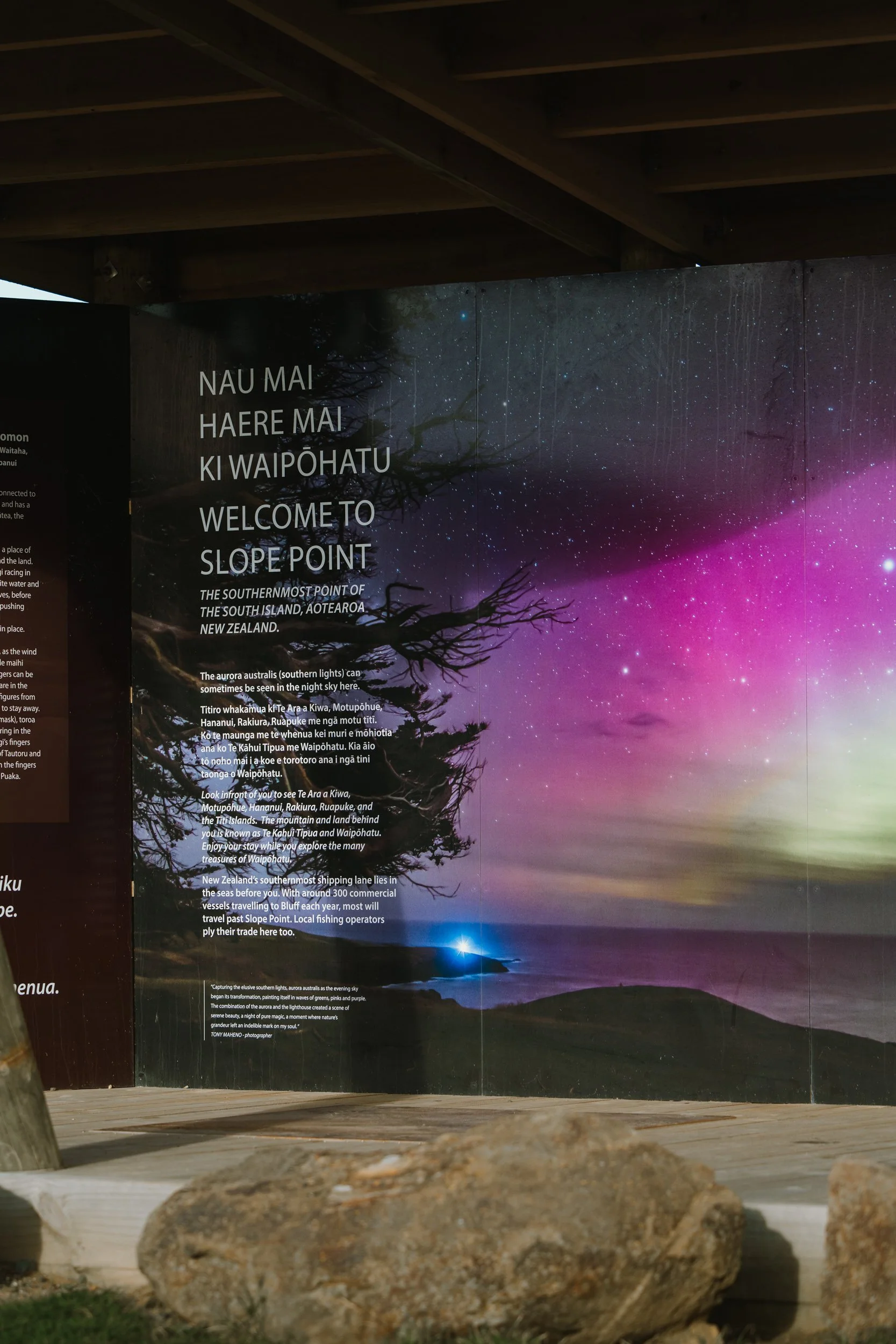
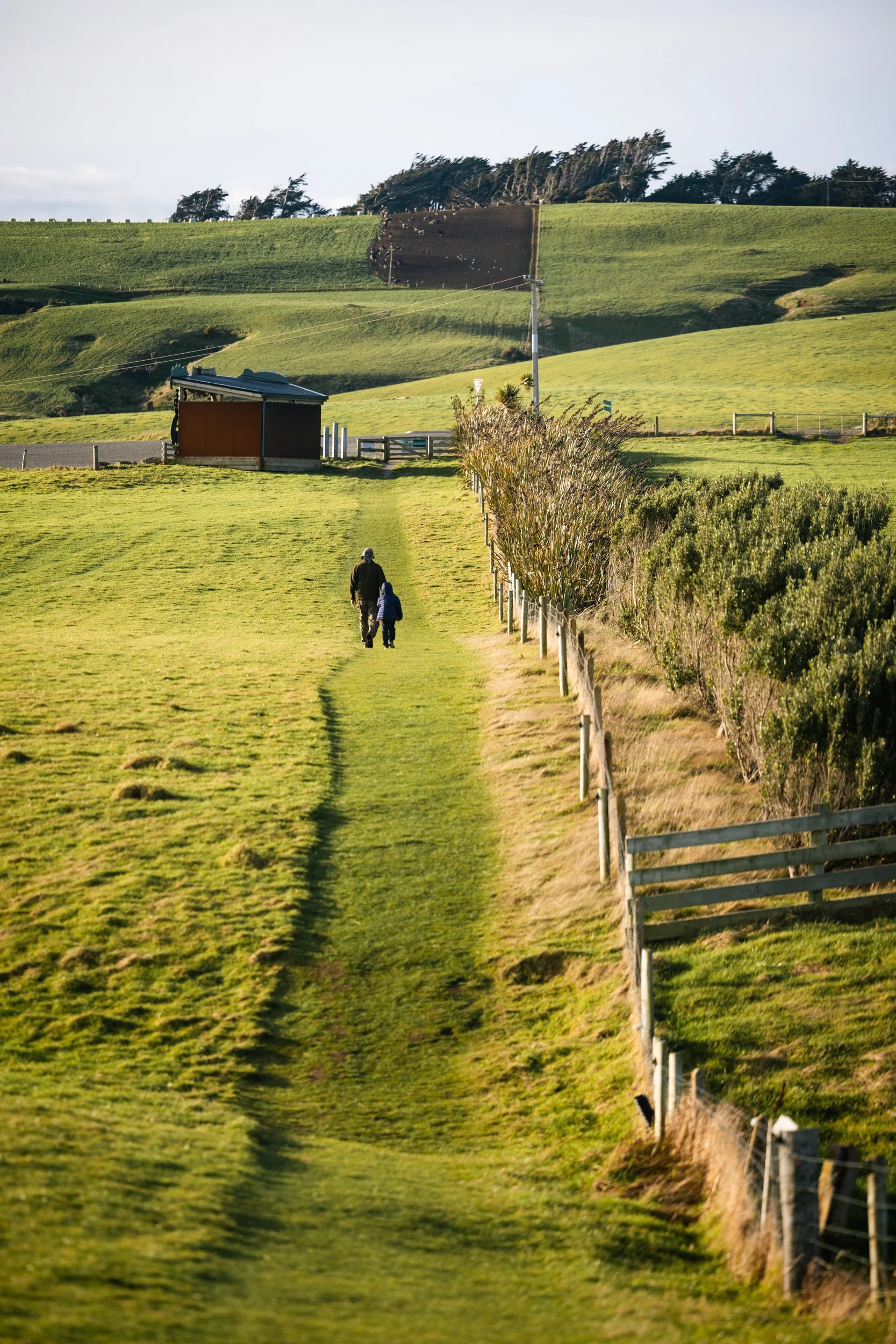
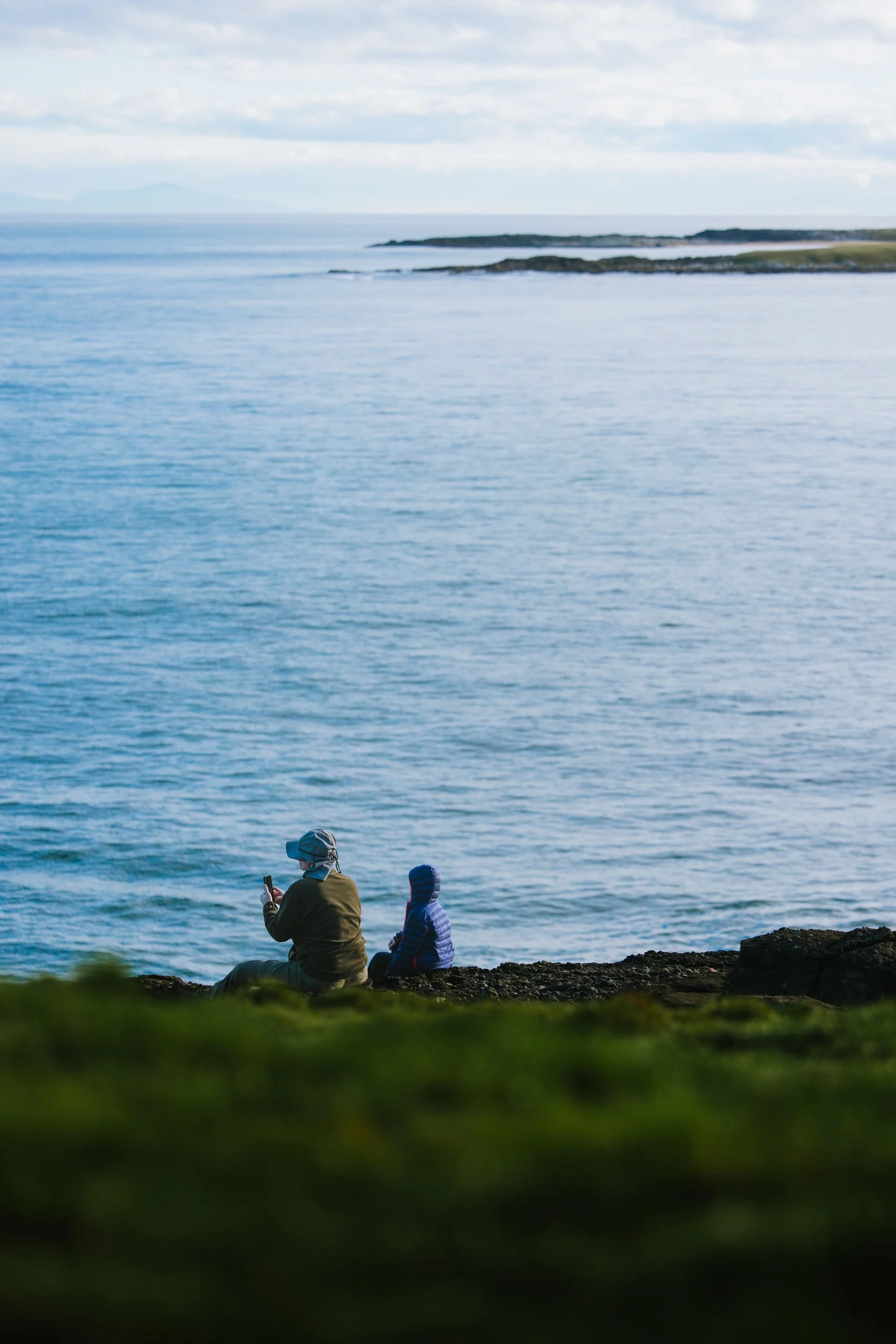
After a lunch stop at Howl at the Moon restaurant in Gore, we headed straight down to Slope Point, the southernmost point of New Zealand’s South Island, where strong winds and an open horizon made the landscape feel especially remote and exposed.
We hiked on a “private” farm to the shore, and enjoyed the fresh green rolling hills.
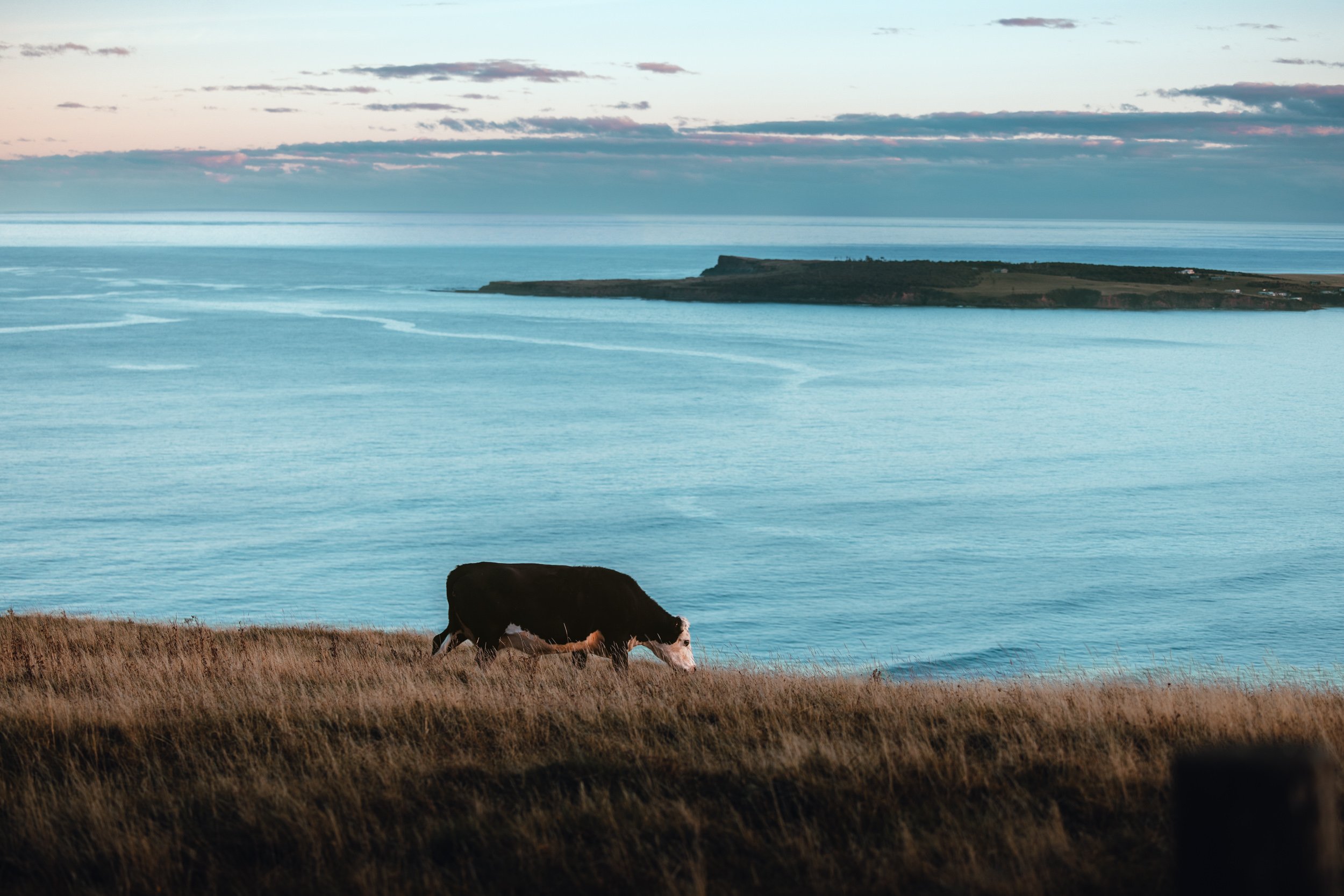
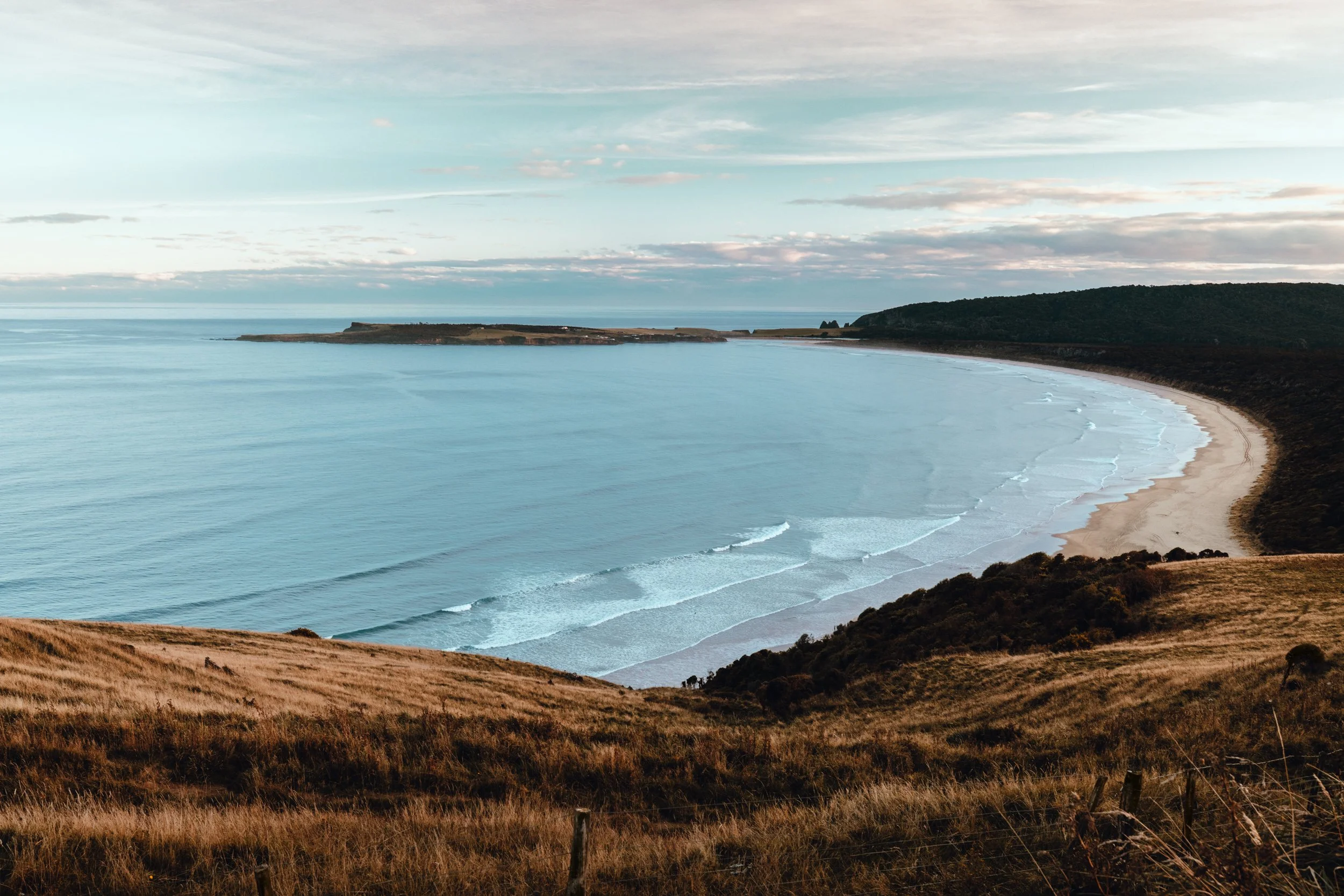
We also stopped at Florence Hill Lookout, where the elevated viewpoint opened across the sweeping curve of Tautuku Bay and the surrounding forested coastline. It was a quick roadside stop, but one of the best places along the Southern Scenic Route to appreciate the scale and shape of the Catlins coast.
Koropuku Falls
Although waterfall photography wasn’t a main goal for this trip, I made a stop at Koropuku Falls on our way to our next Airbnb accommodation. It was drizzling, so my family stayed in the car while I hiked in alone.
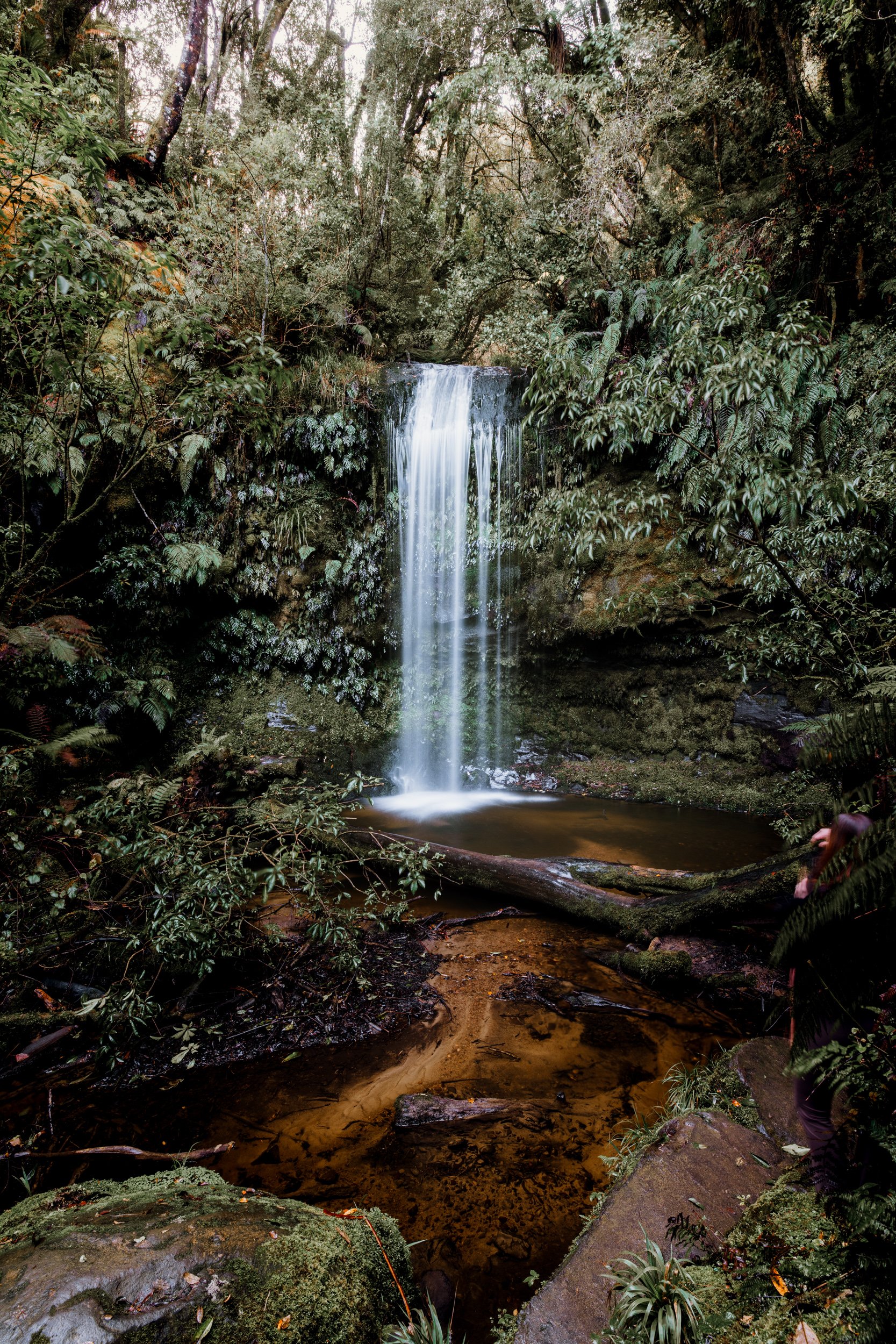
The forest was very dark, and the trail was much more slippery than I expected. The waterfall itself was not especially dramatic, but the short walk offered a quiet moment alone in the rainforest.
I was glad we crossed it off our list on the way through, rather than having to drive back after settling into Kaka Point.
Kaka Point
We stayed for three nights near Kaka Point in a home overlooking the water.
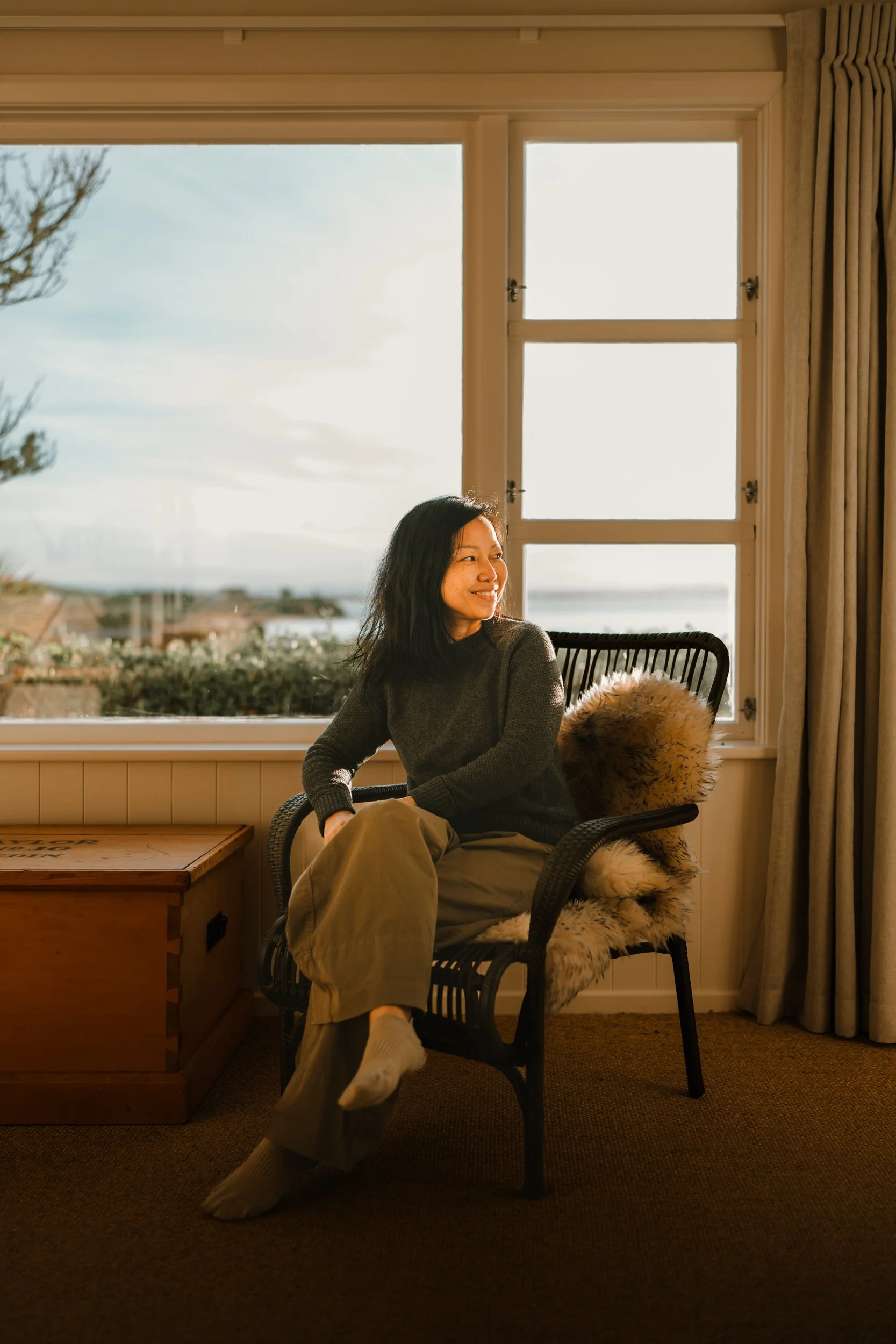
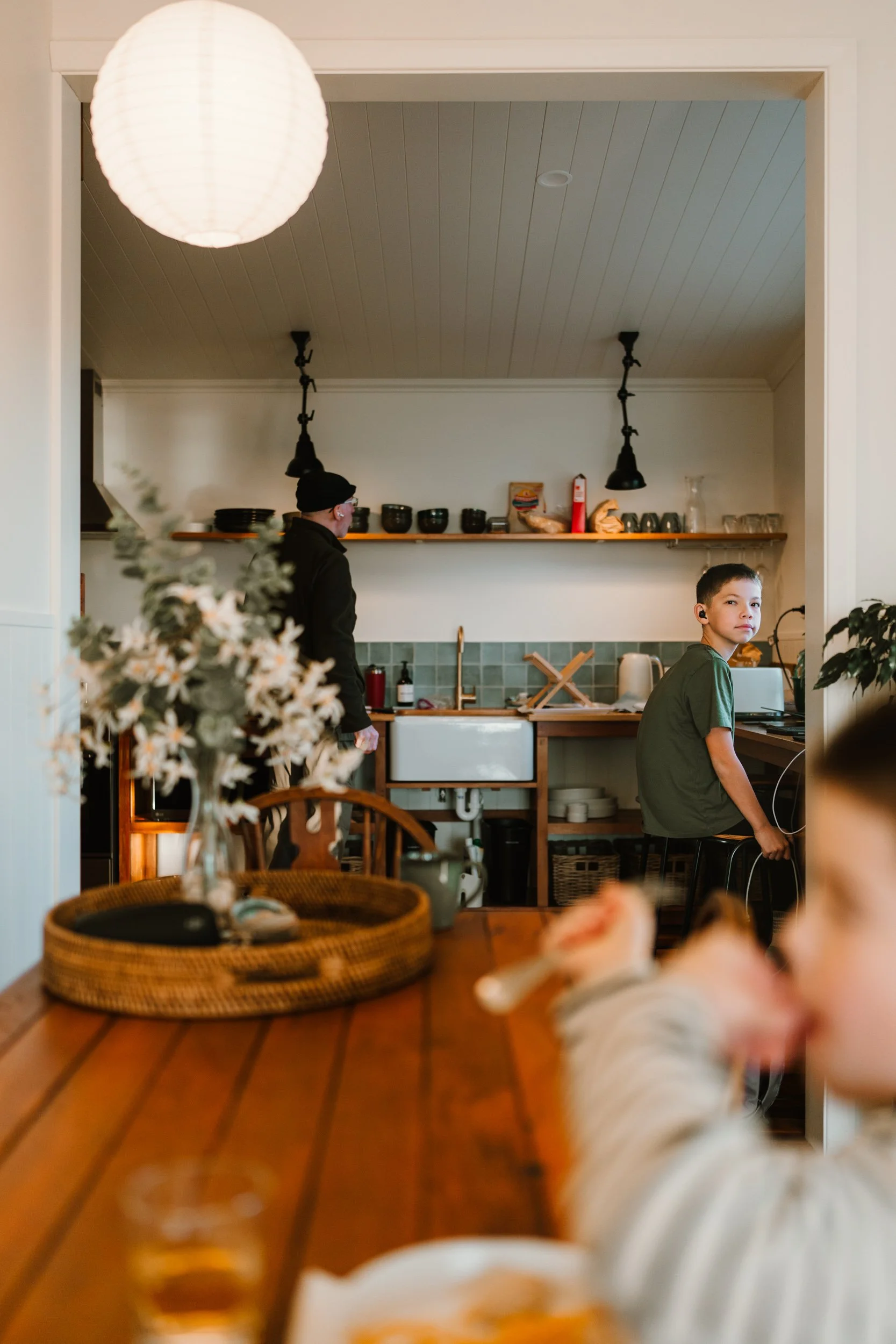
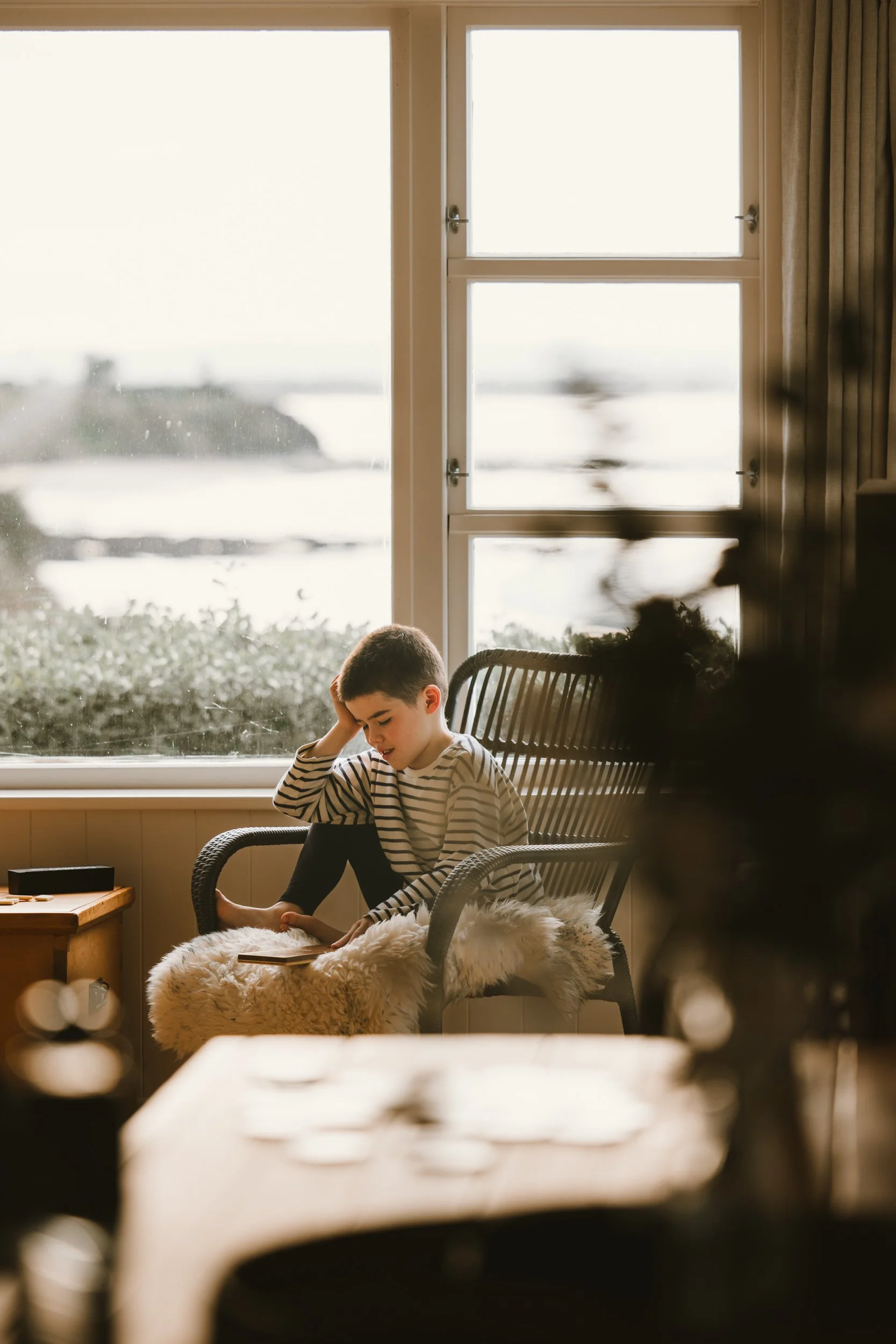
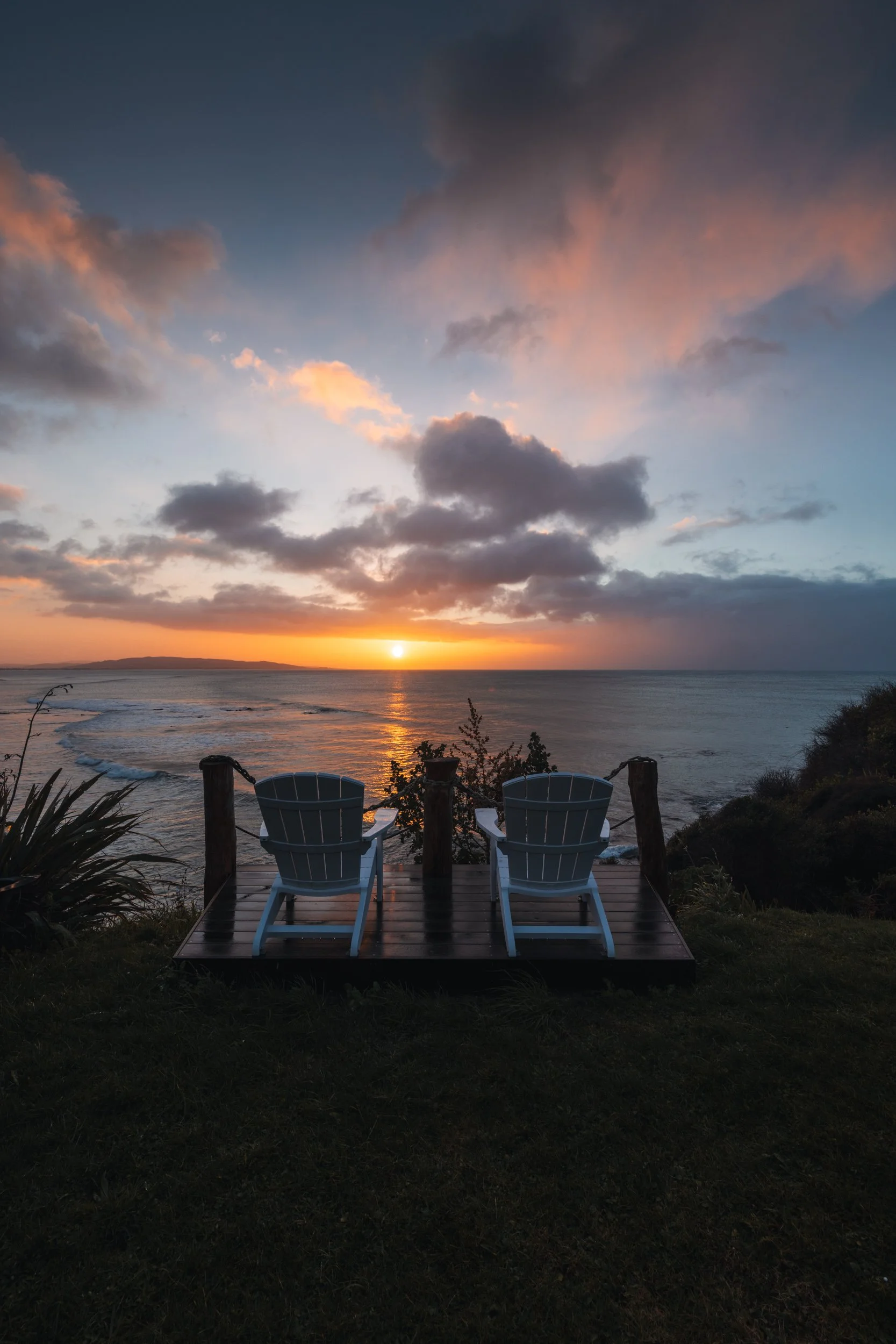
The accommodation itself became one of my favorite photography locations from the trip. It gave us charming interiors, coastal views, and access to Nugget Points as well as the night sky without needing to drive after dark.
On our first evening, the clouds finally moved aside long enough for the Milky Way to appear above the house.
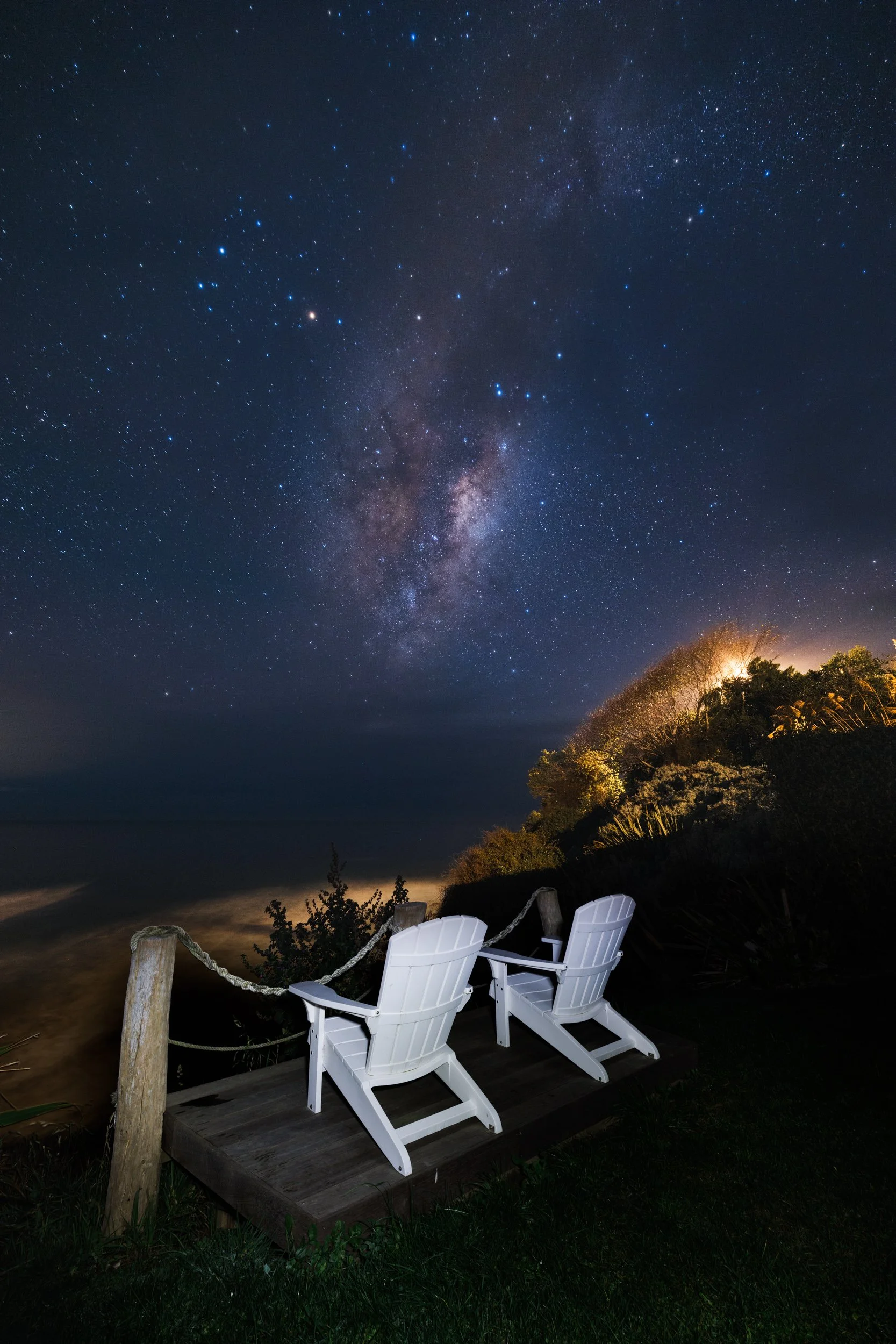
After watching the forecast for days, I was grateful that all I had to do was step outside with my camera.
Travel accommodations are usually selected for location, comfort and logistics. On this trip, I often looked for open views and potential foregrounds for night photography. The best location is often the one that allows you to respond quickly when conditions change.
The above milky way shot was a composite of two images of the foreground chair light painted and a separate milky way shot. 99.9999% of my photos are from one click and not stacked, as it gave me flexibility to create without spending extra time behind computer as I typically process my photos on the same day without dragging post processing work after the trip. Special conditions like this were the exceptions.
Nugget Point
Nugget Point was my main reason to choose our accommodation at Kaka Point. It was only 15-minute drive away. Knowing I had plans to photograph it during sunrise, I wanted to keep the distance realistic.
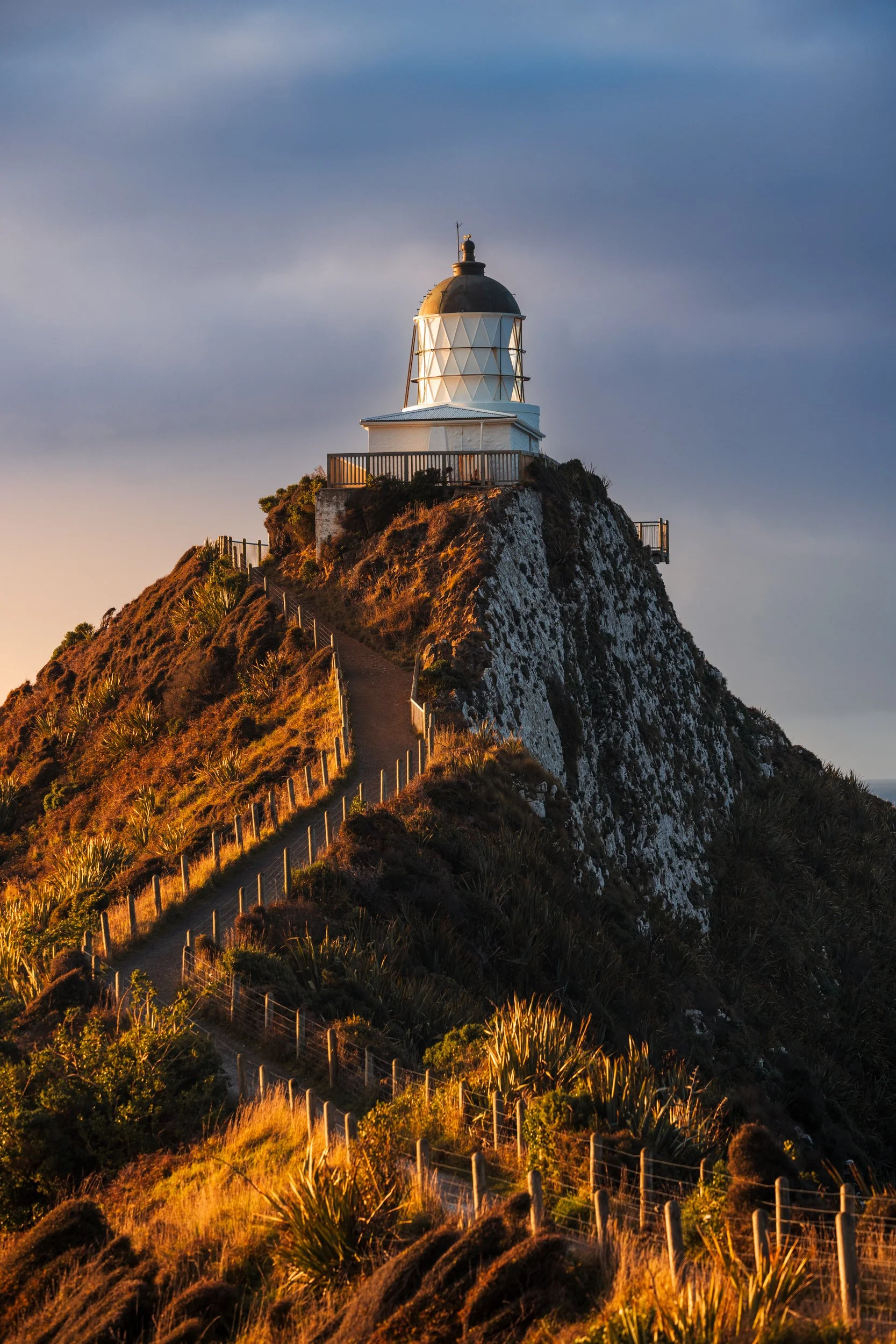
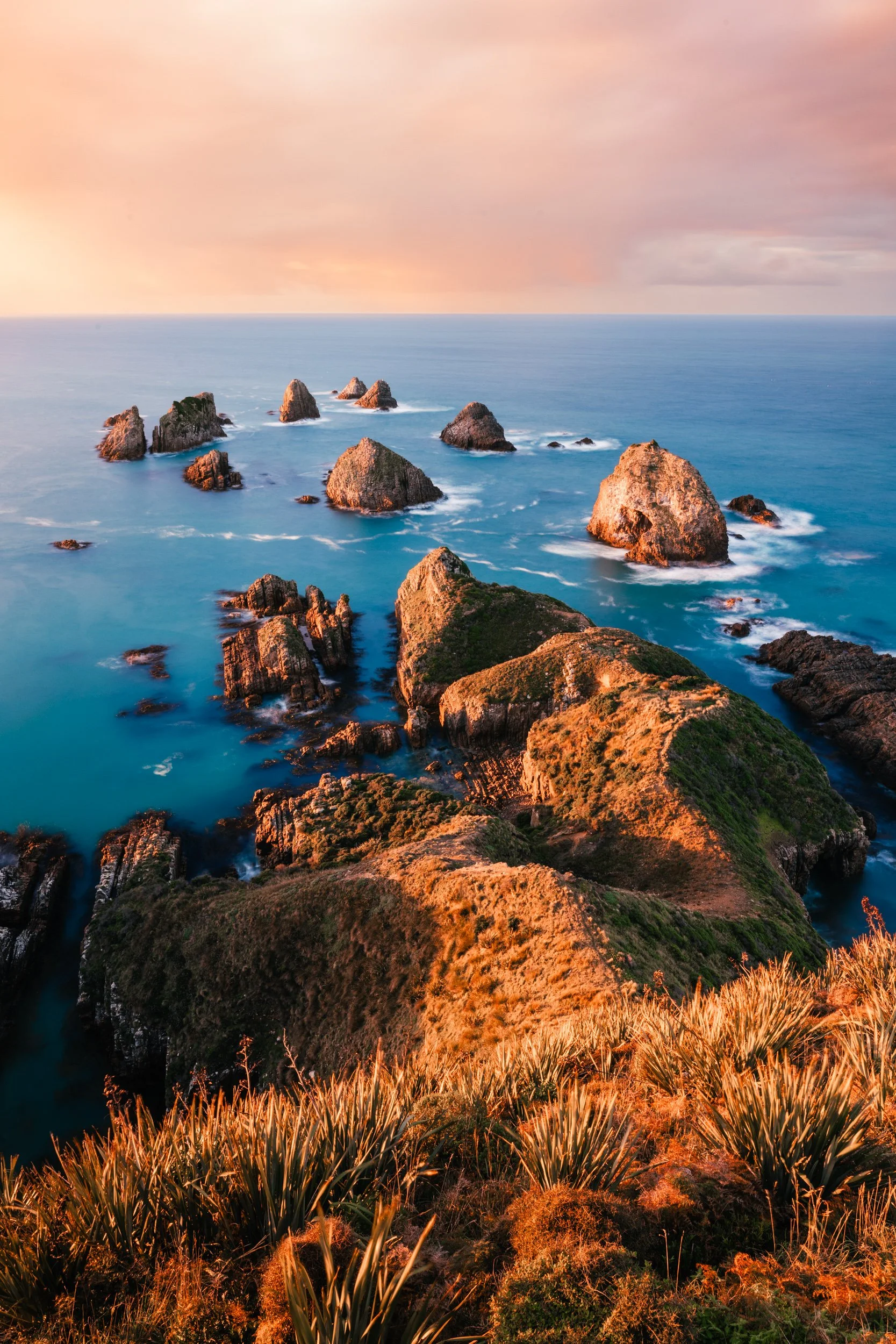
In fact we walked the Nugget Point Lighthouse track twice. The first visit was a quick reconnaissance after a long drive from Te Anau. Knowing any landscape photography during sunrise typically required arriving at the vantage point in darkness, we wanted to understand the trail, identify possible compositions and prepare for the following morning.
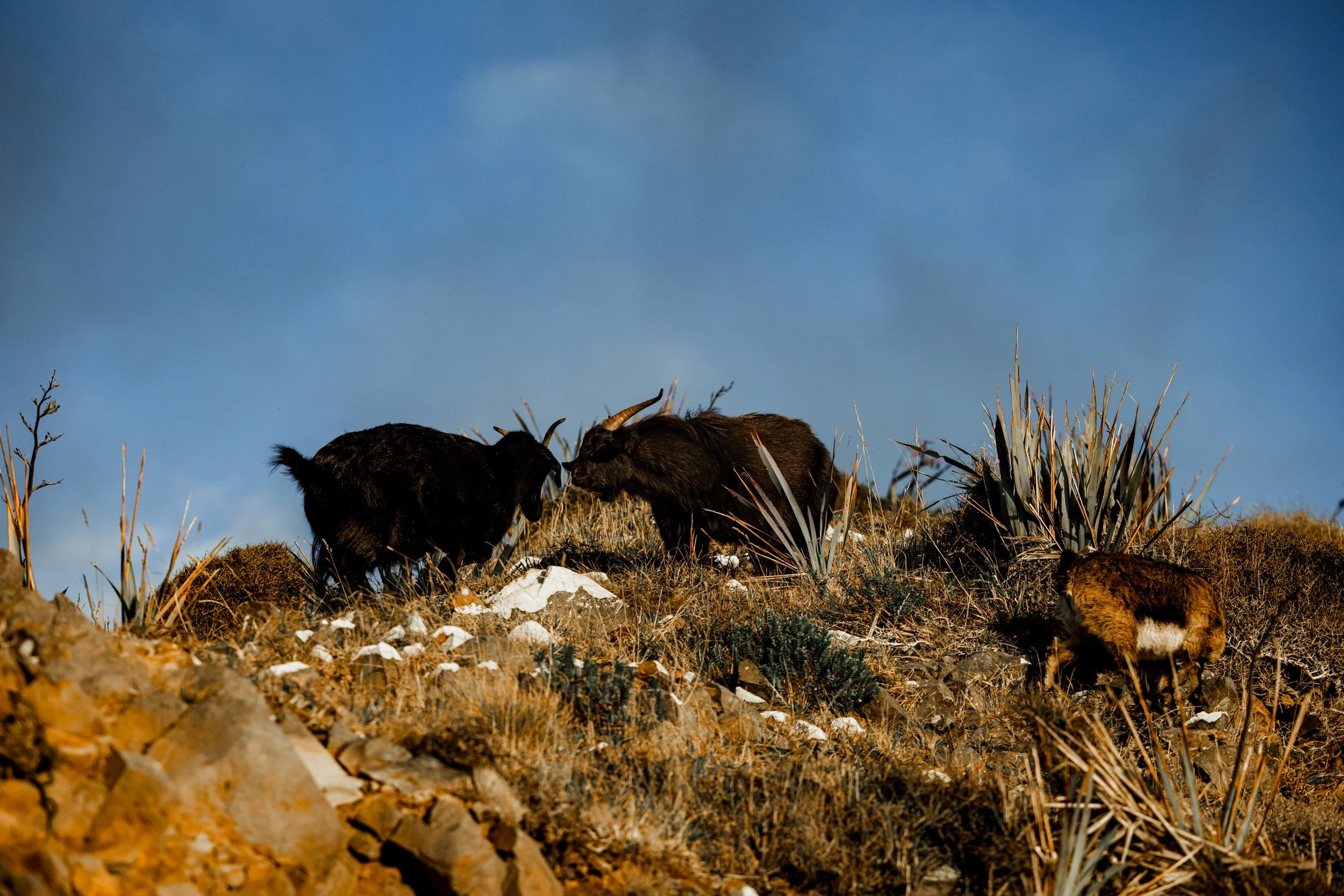
We barely made to Nugget Point before it turned completely dark. The parking lot was almost empty and the scouting got some surprises. We saw a few dark creatures running in the bushes - not sure if they were dogs or bear.
But we kept going, and kept our plan the second morning, again, trekking in darkness.
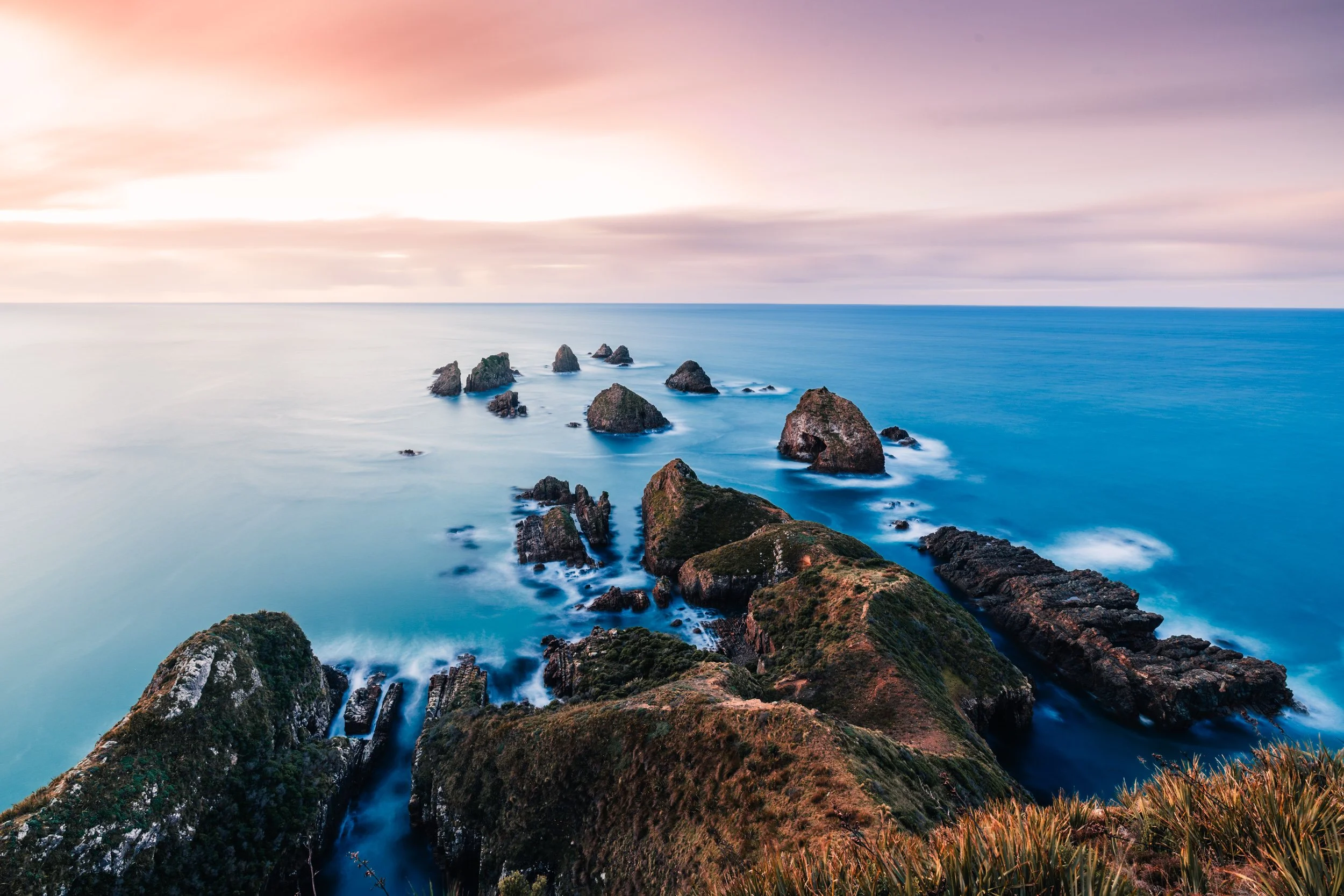
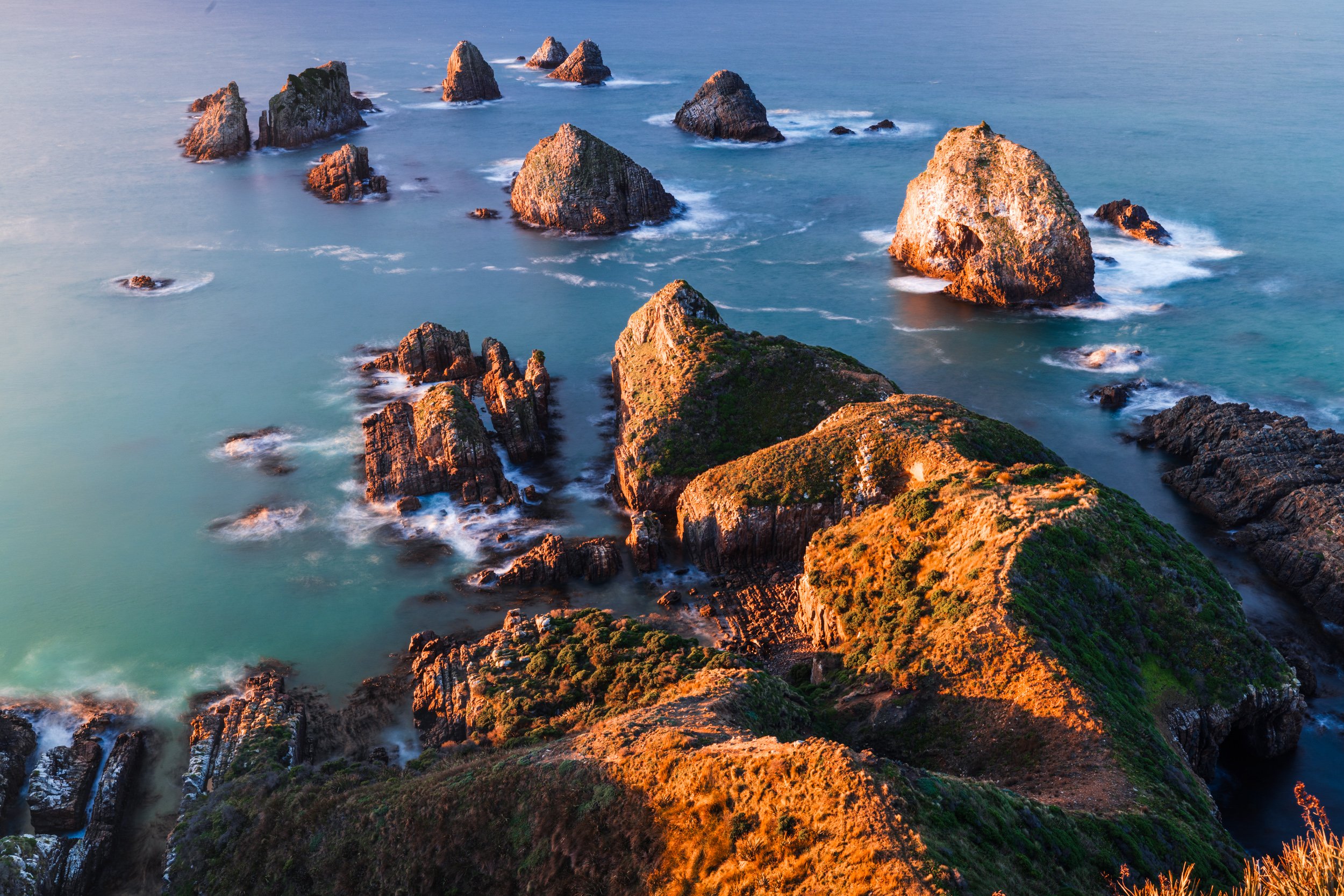
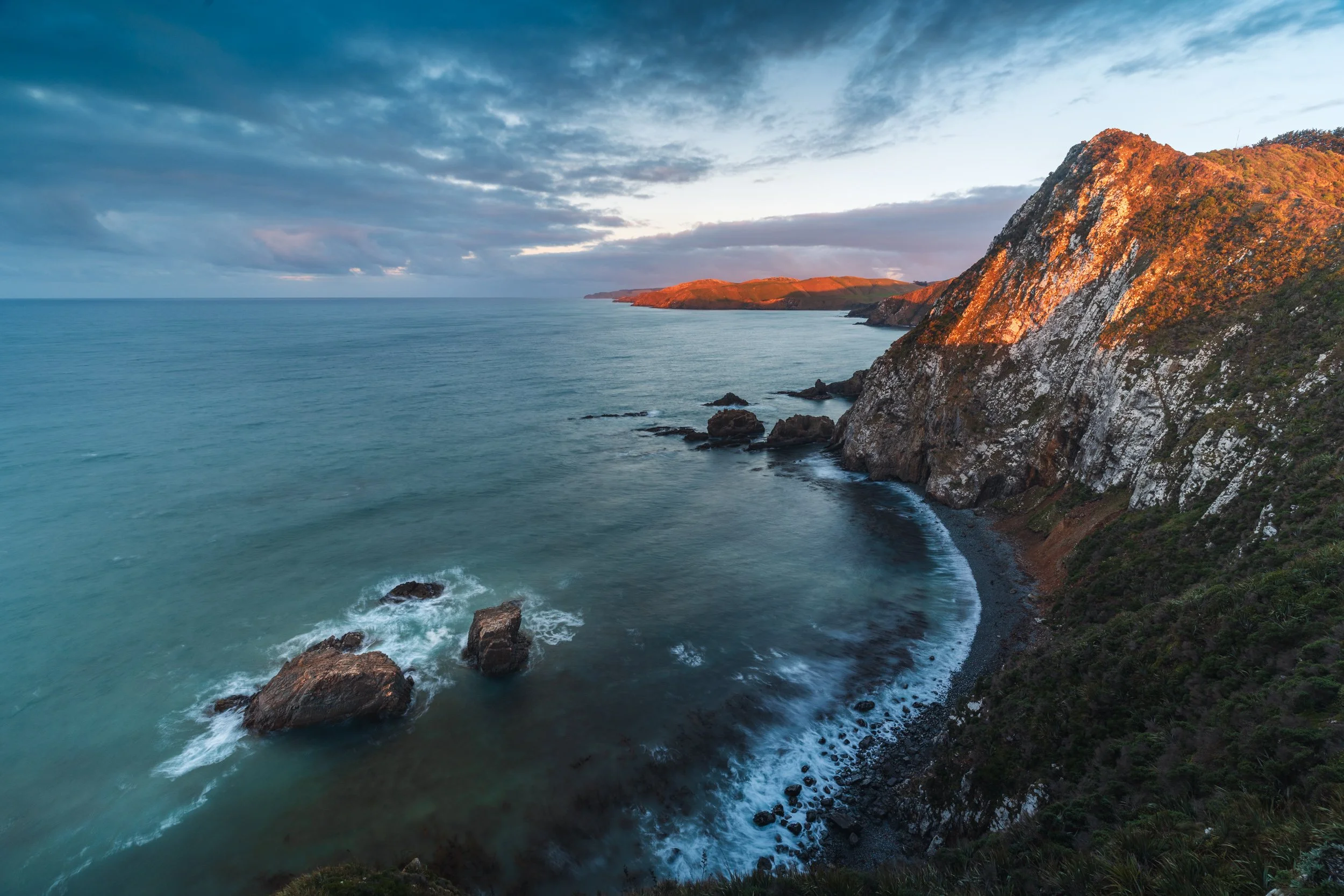
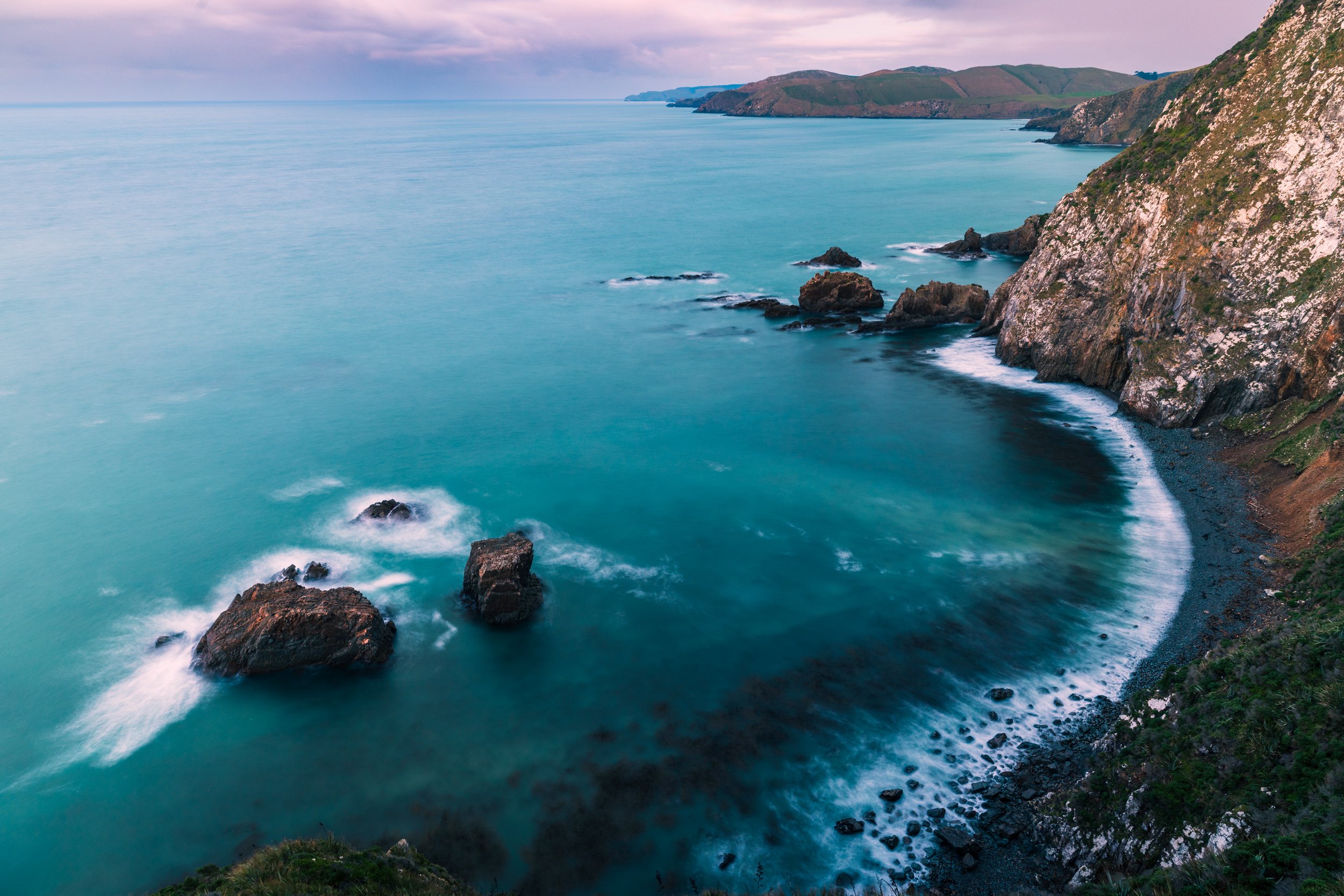
Out of the three nights we spent on the Catlins Coast, this was the only sunrise opportunity the weather gave us.
Fortunately, the light did not disappoint.
The lighthouse, rocky islets and changing color over the ocean made this one of the most memorable mornings of our New Zealand trip.
And we finally saw the dark creatures on our way out after the sunrise. Mountain goats!
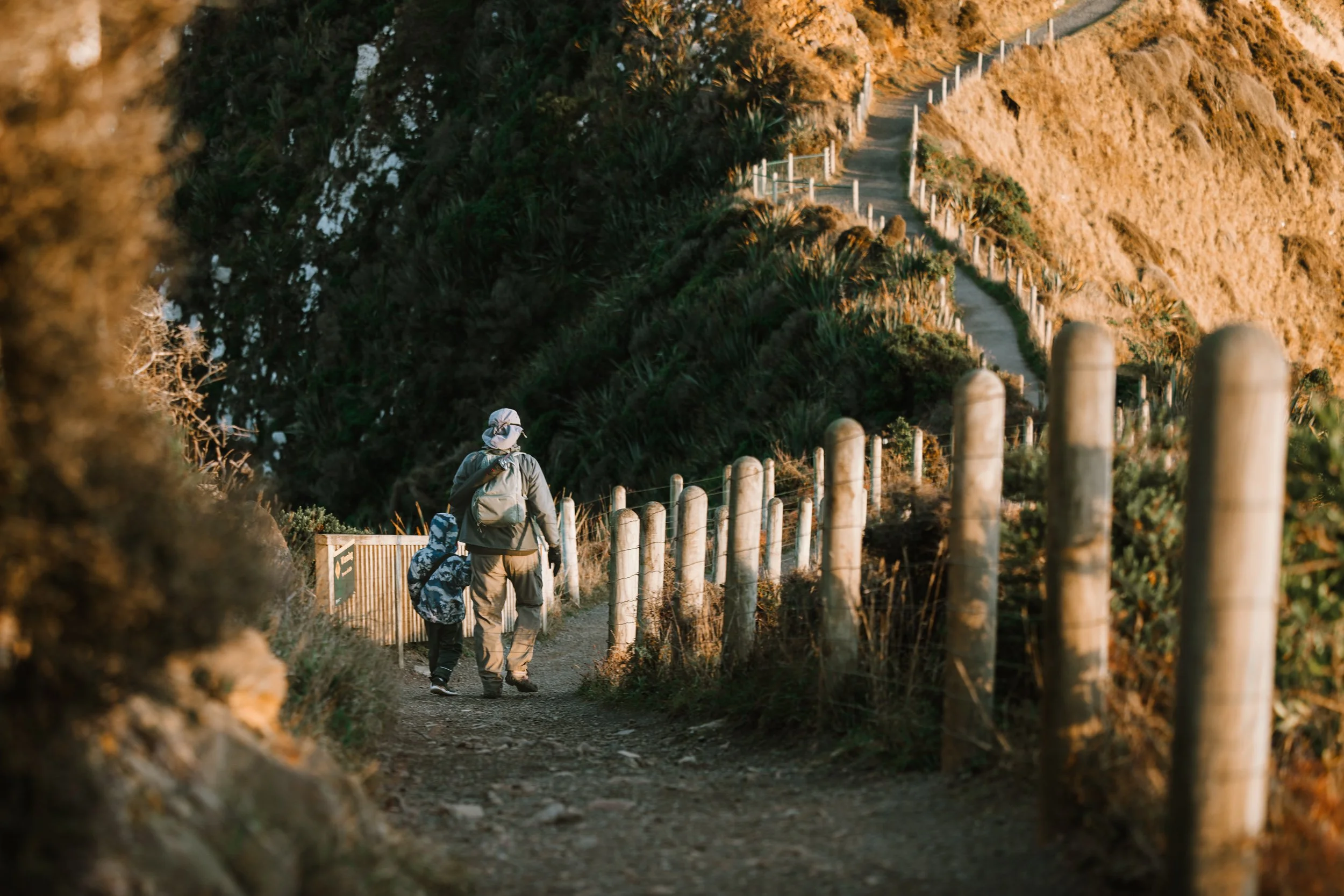
Traveling in unpredictable weather changes the way you think about time. When a break in the clouds appears, you go. When the light shows up, you do not wait. There is no guarantee that you will have the same opportunity tomorrow - or ever return to the same place again.
Purakaunui Falls
We went back to the waterfalls during our stay at Kaka Point. Purakaunui Falls was considerably closer to our accommodation, and felt more open and visually impressive.
Its wide, tiered cascade surrounded by native forest made it one of the most rewarding waterfall stops of our Catlins journey.
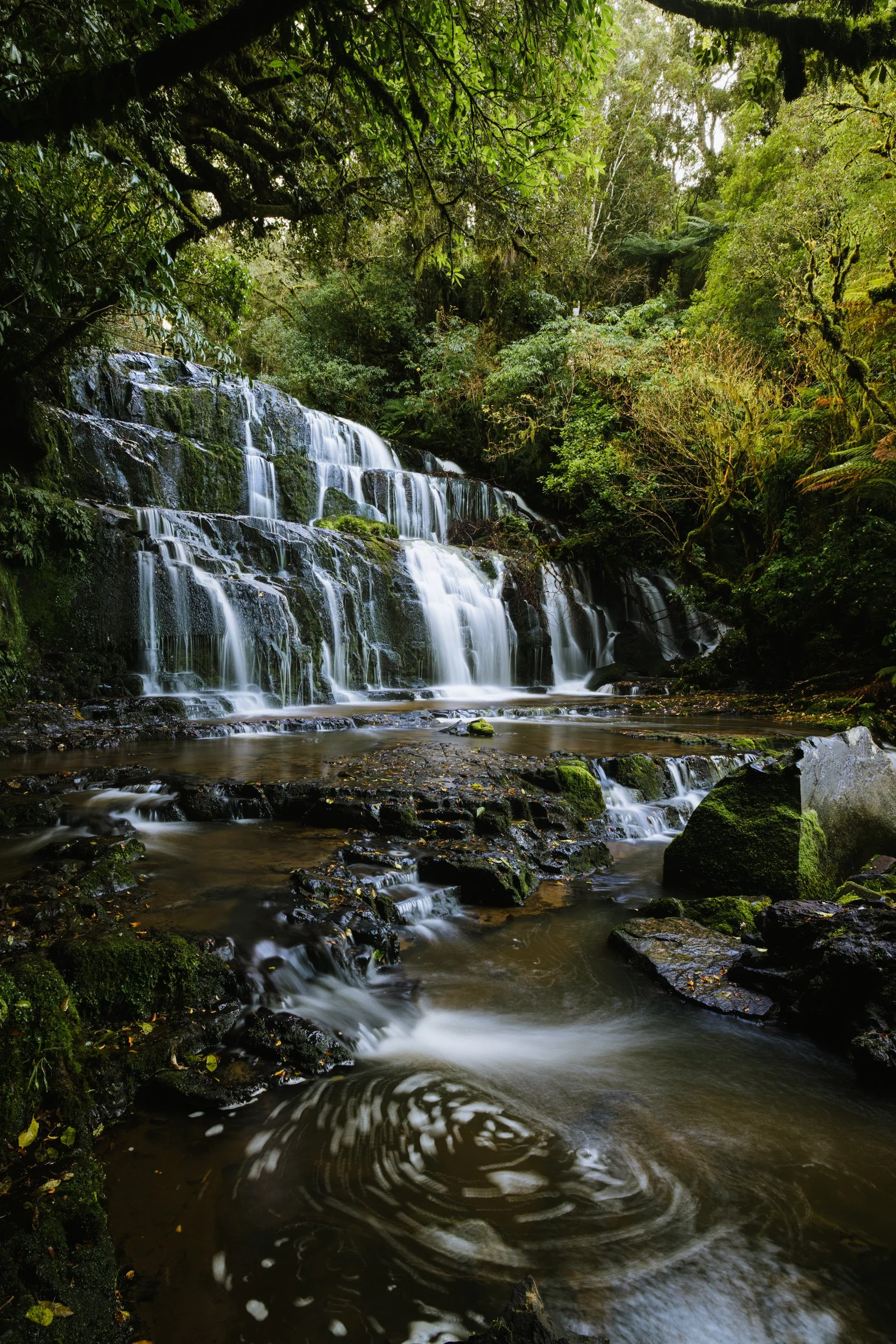
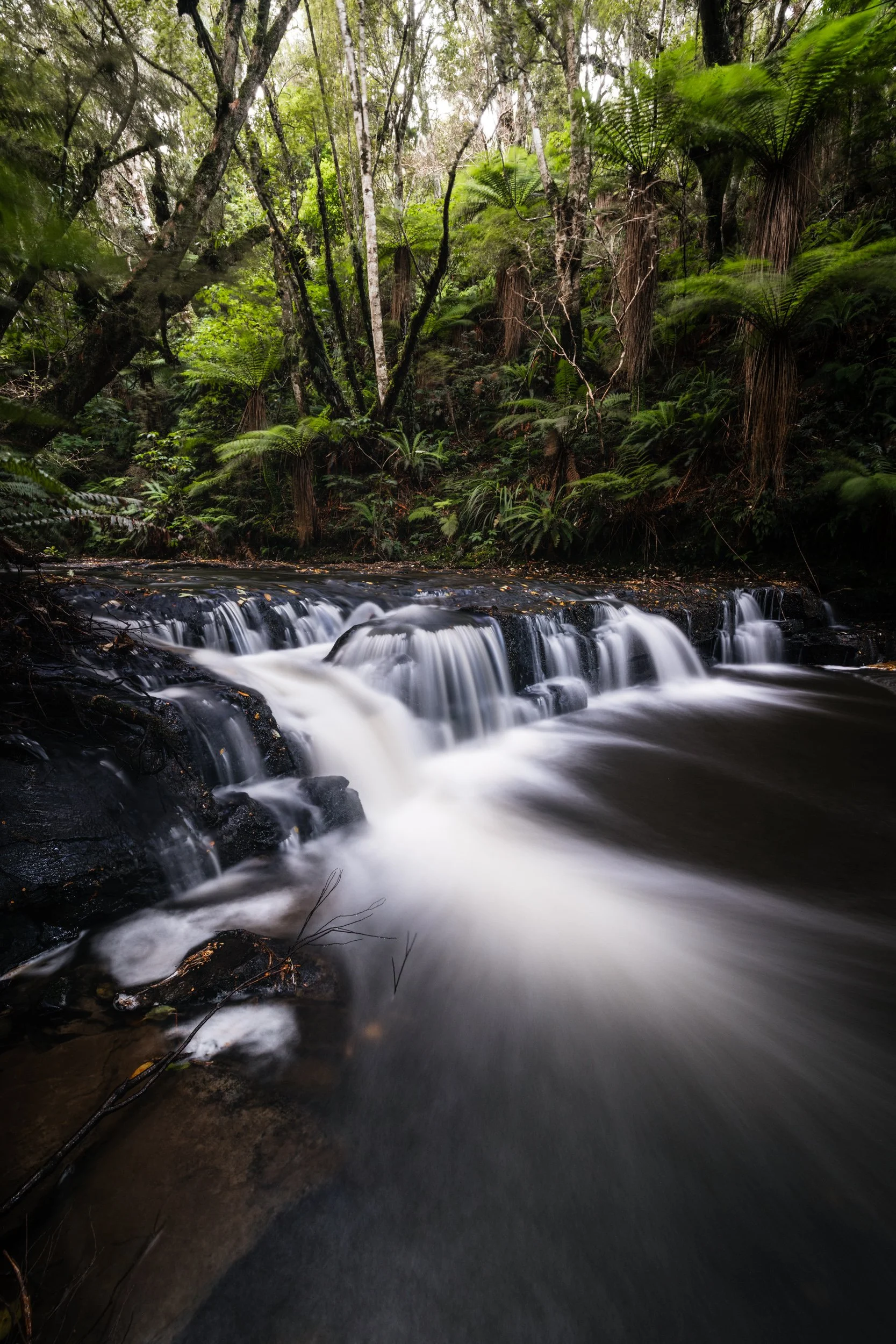
I photographed from several positions, paying attention to the shape and direction of the water rather than simply using the longest possible exposure. A slower shutter speed softened the cascade while preserving enough texture to keep the water looking natural.
I almost had my second filter casualty. After our Wanaka tree sunrise photo session early in the trip, I was never able to find my NiSi 10 stop filter with all the filter adapters - therefore I had a little challenge photographing long exposure at Nugget Points. And this time, I almost lost my NiSi 1-5 stop variable filter in the waterfall. Fortunately I recovered it quickly from the water.
For a more waterfall rich trip, check out our 2024 Iceland trip, where I photographed 20 waterfalls.
Dunedin - Otago Peninsula
We did a day tour around Otago Peninsula of Dunedin. The roads were much wider. In fact it was the first time we drove on multiple laned freeway.
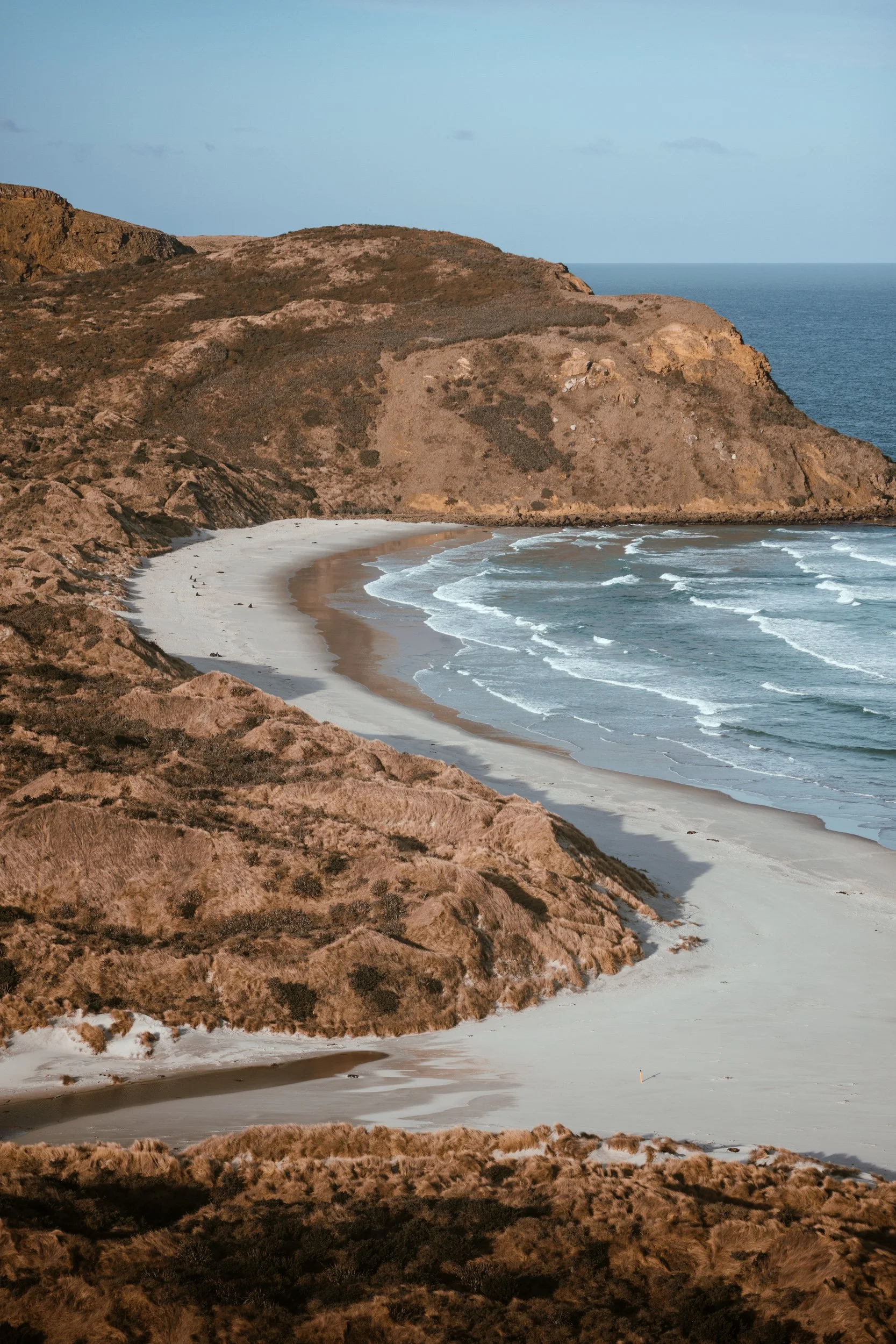
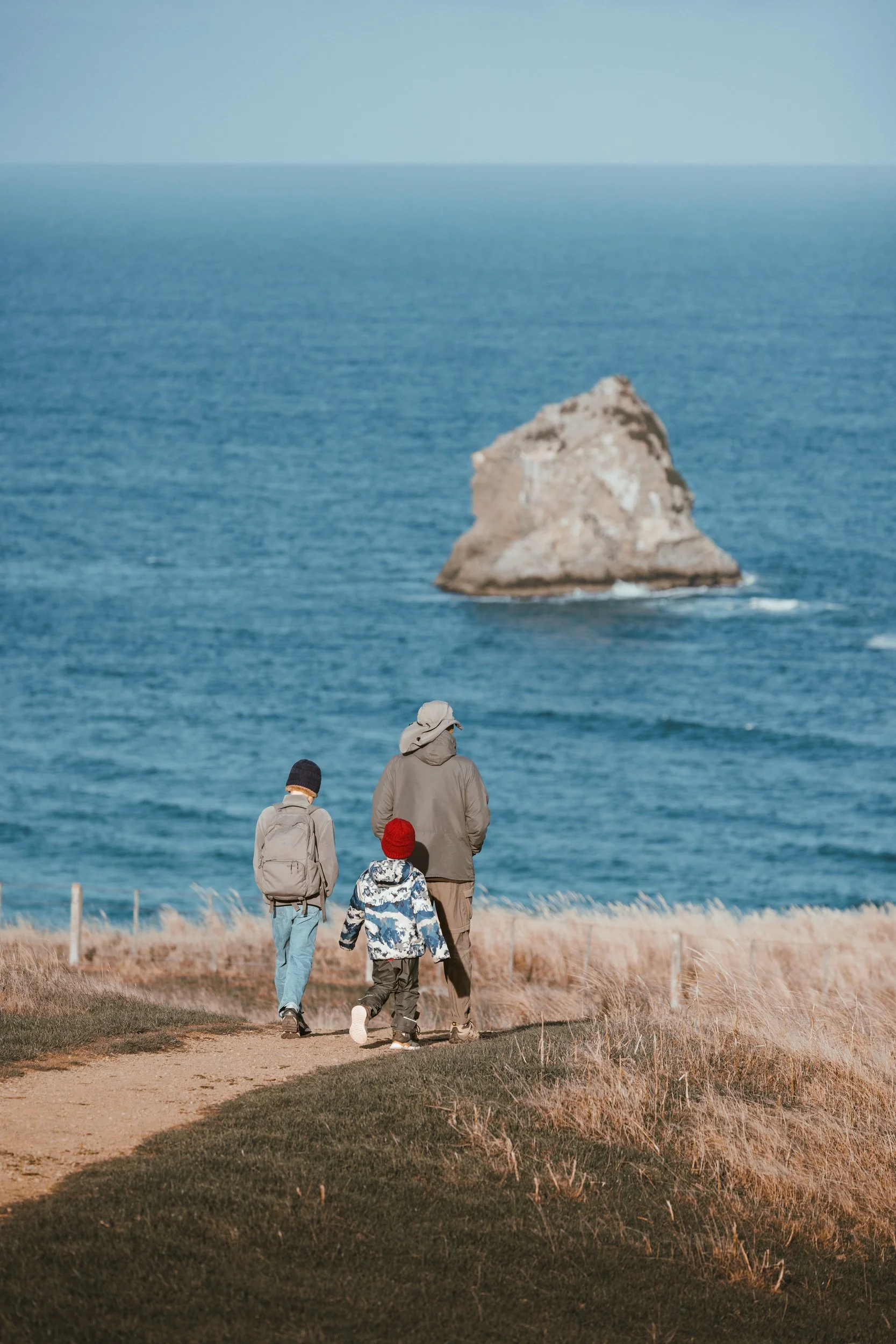
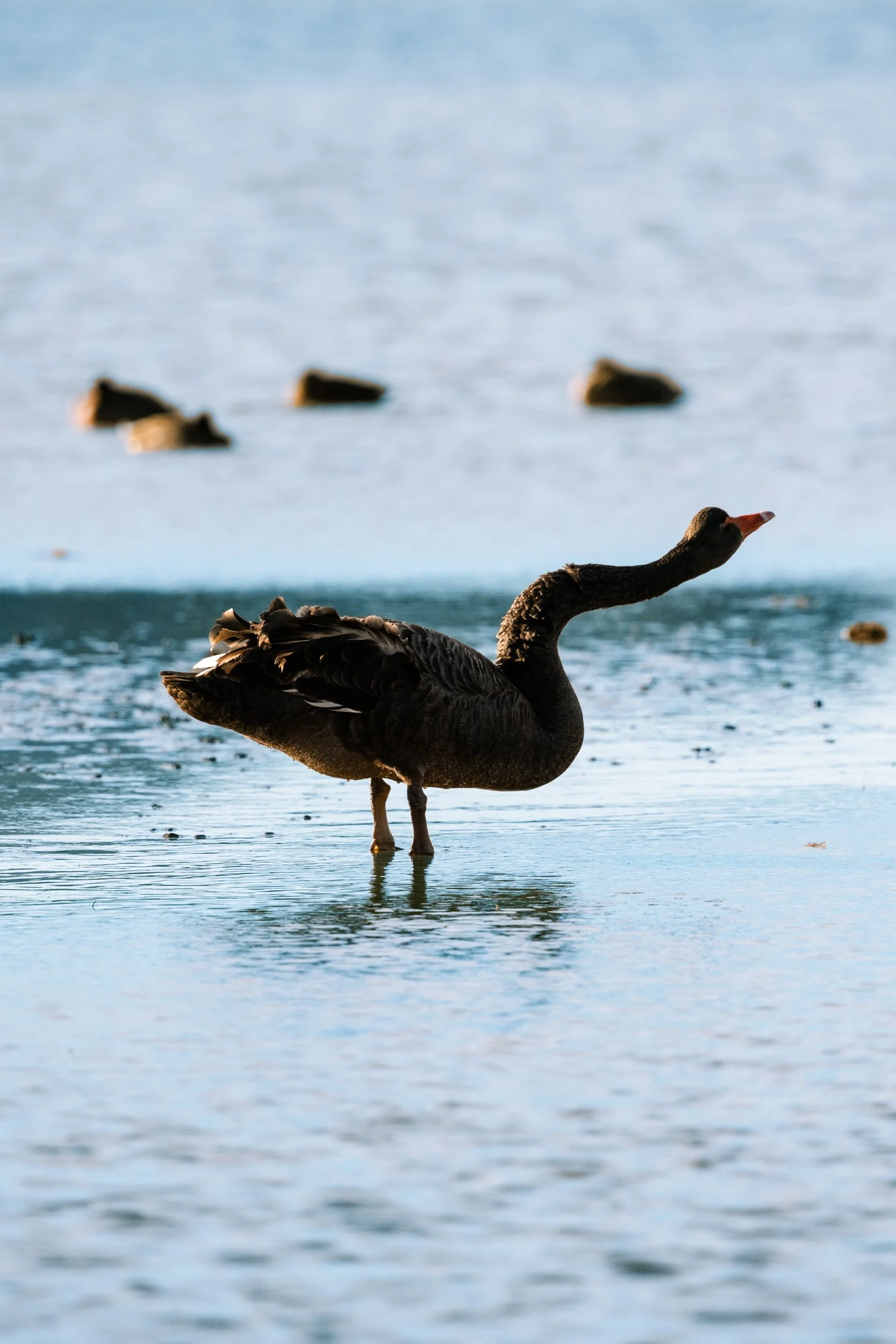
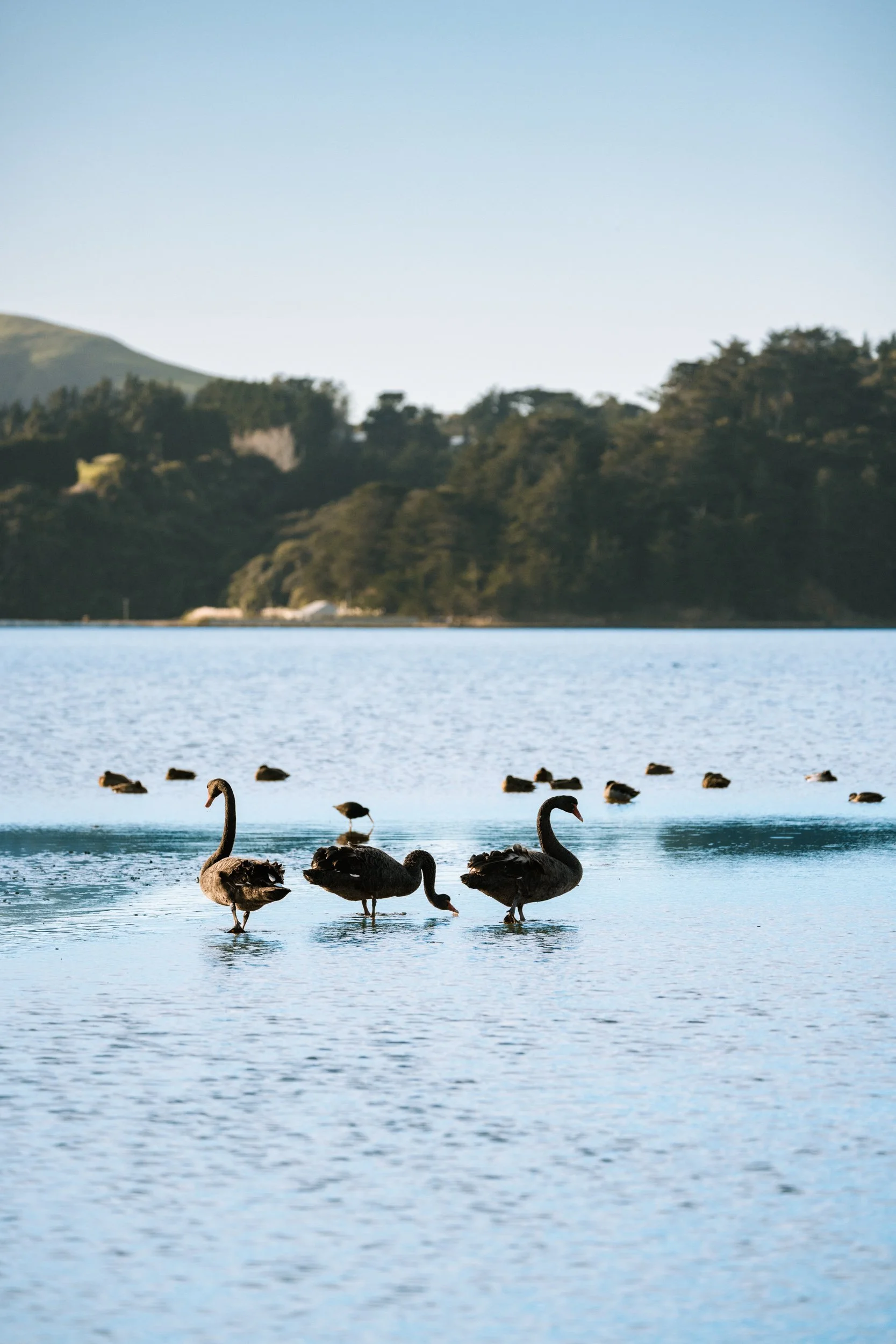
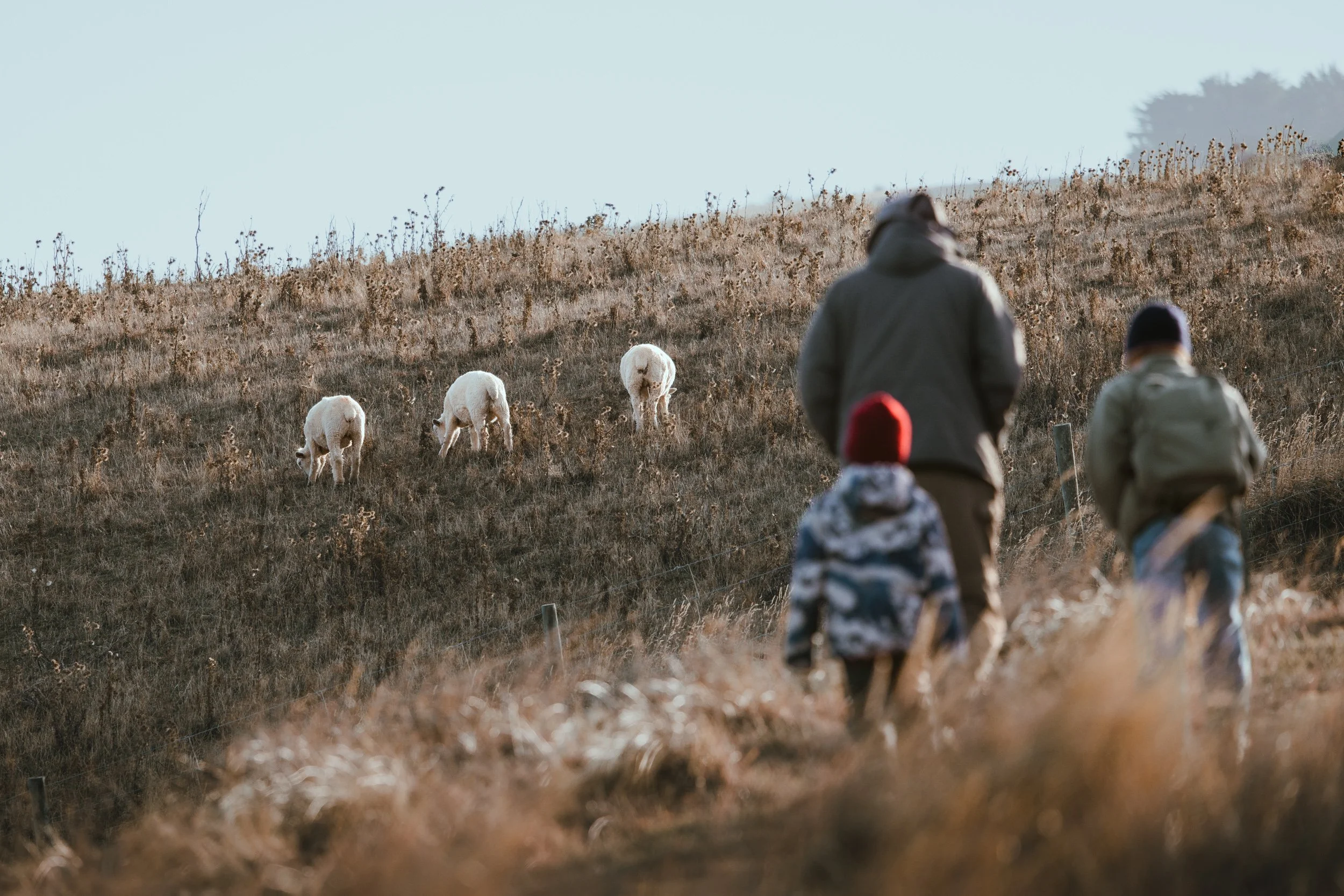
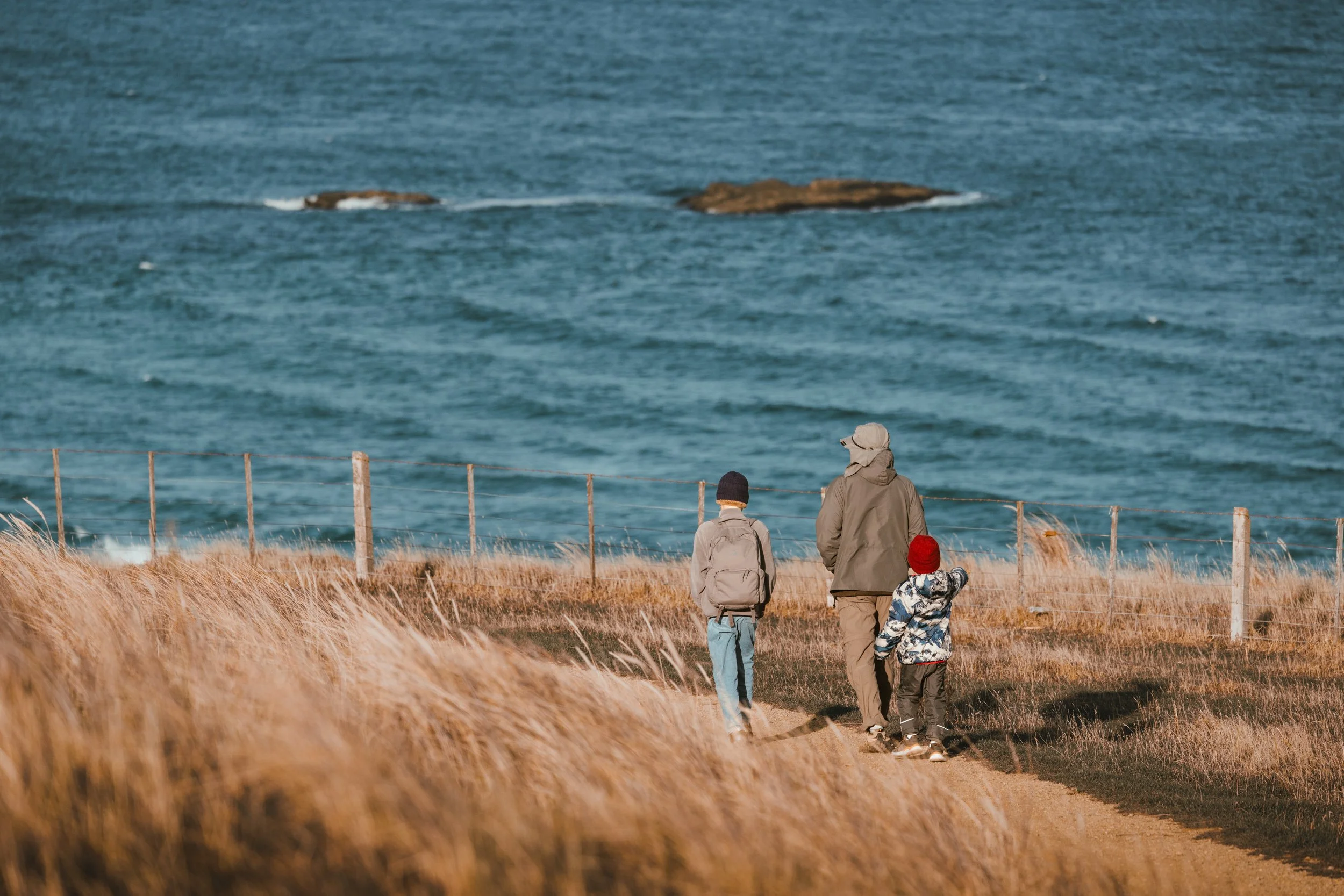
We explored through its rolling coastal landscape and stopping around Hooper’s Inlet, Sandfly Bay Wildlife Refuge, and the Royal Albatross Centre. The peninsula is known for its dramatic ocean views and wildlife, and it gave us a much more nature-focused experience than a city visit.
East Coastal Drive - Katiki Point Lighthouse, Moeraki Boulders
From Kaka Point, we turned north and continued toward Twizel.
We chose the east coast route that allowed us to make several different photo stops.
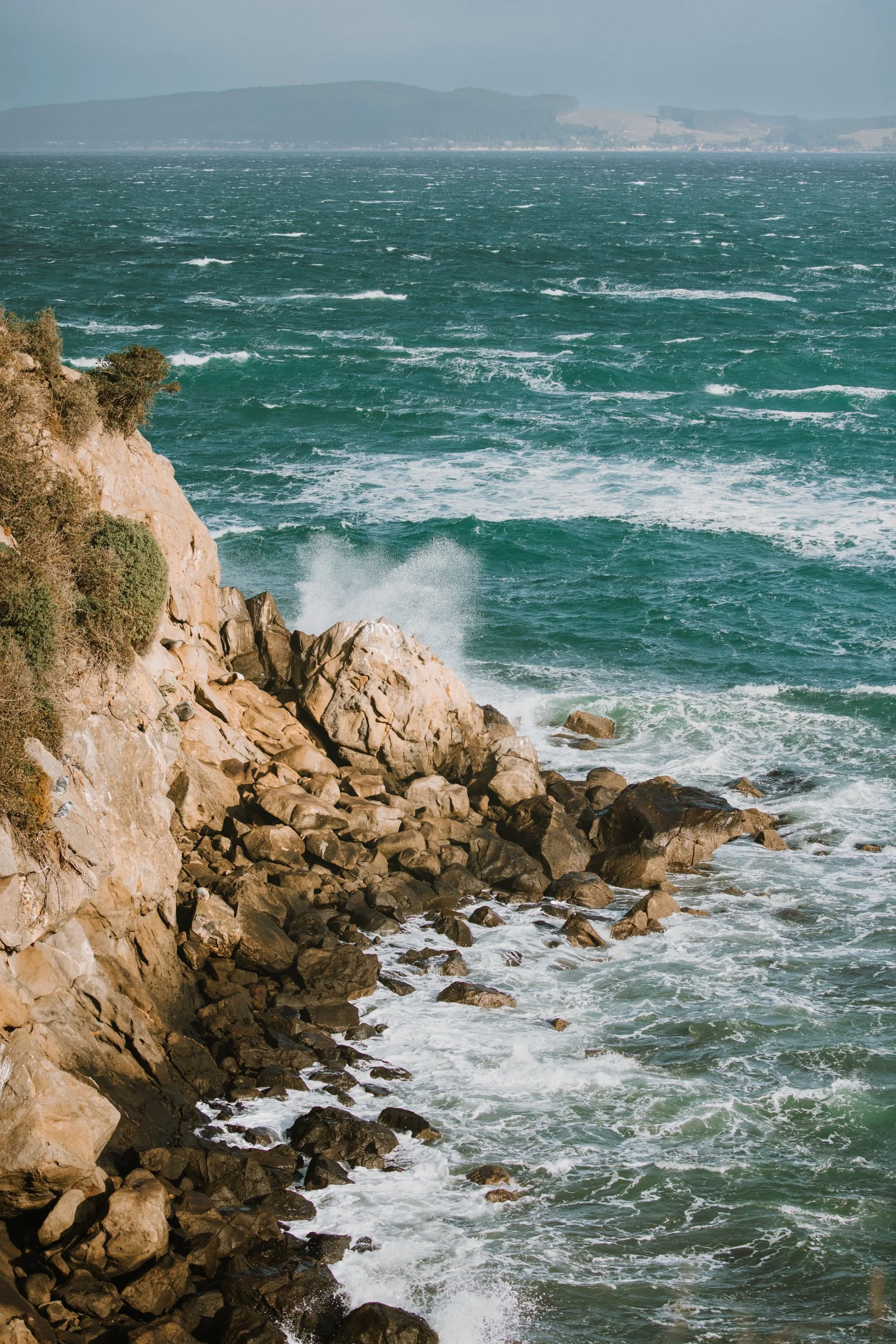
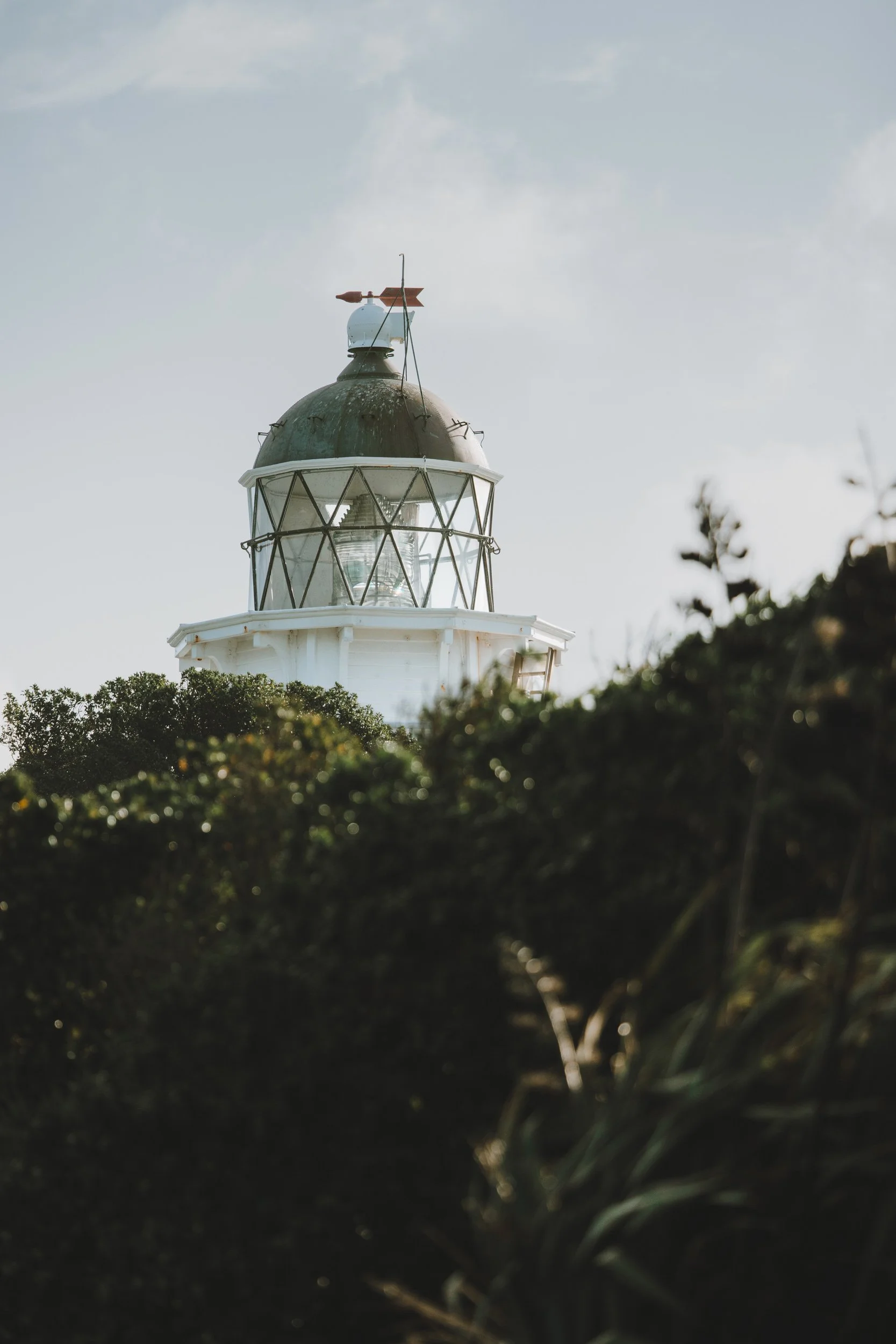
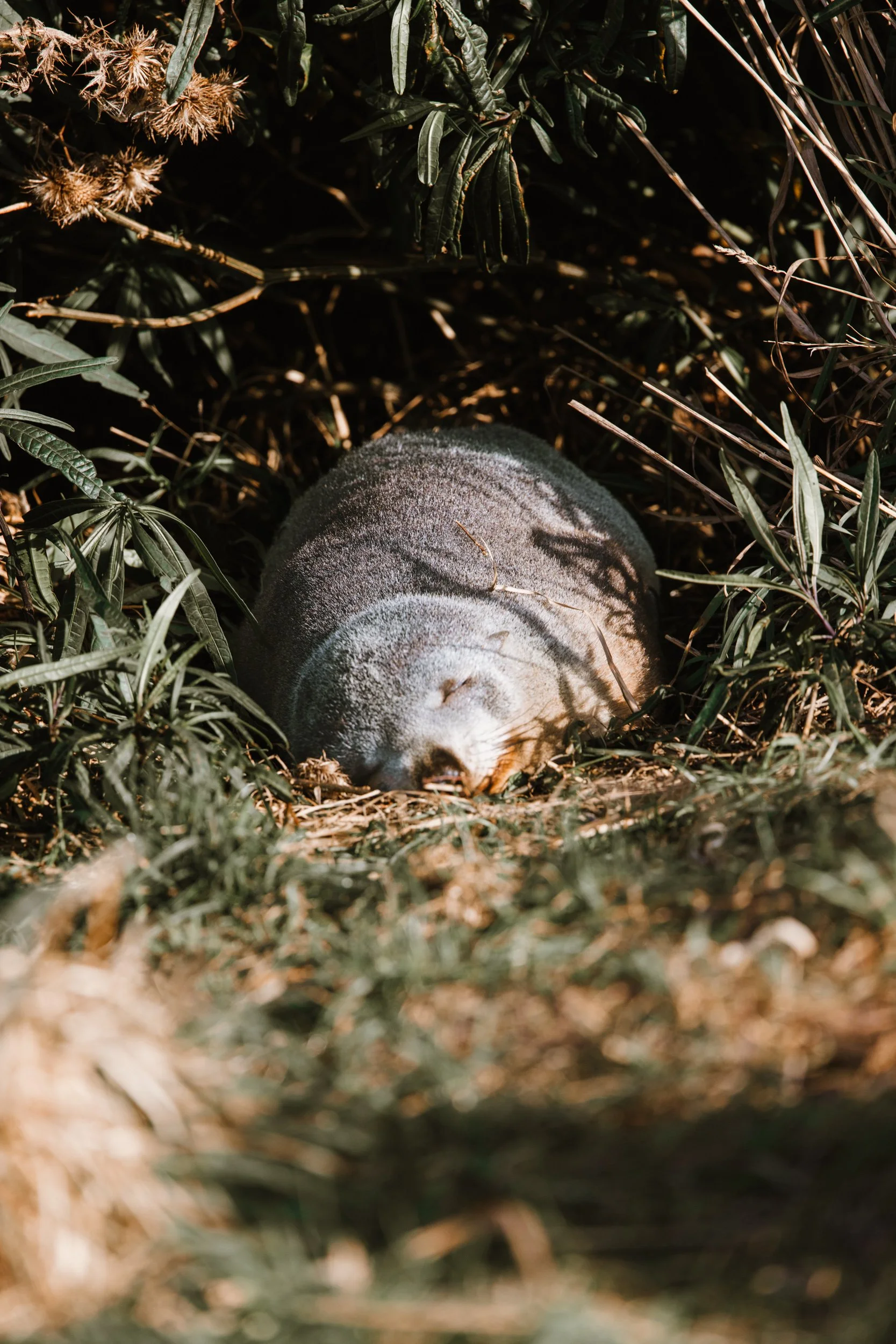
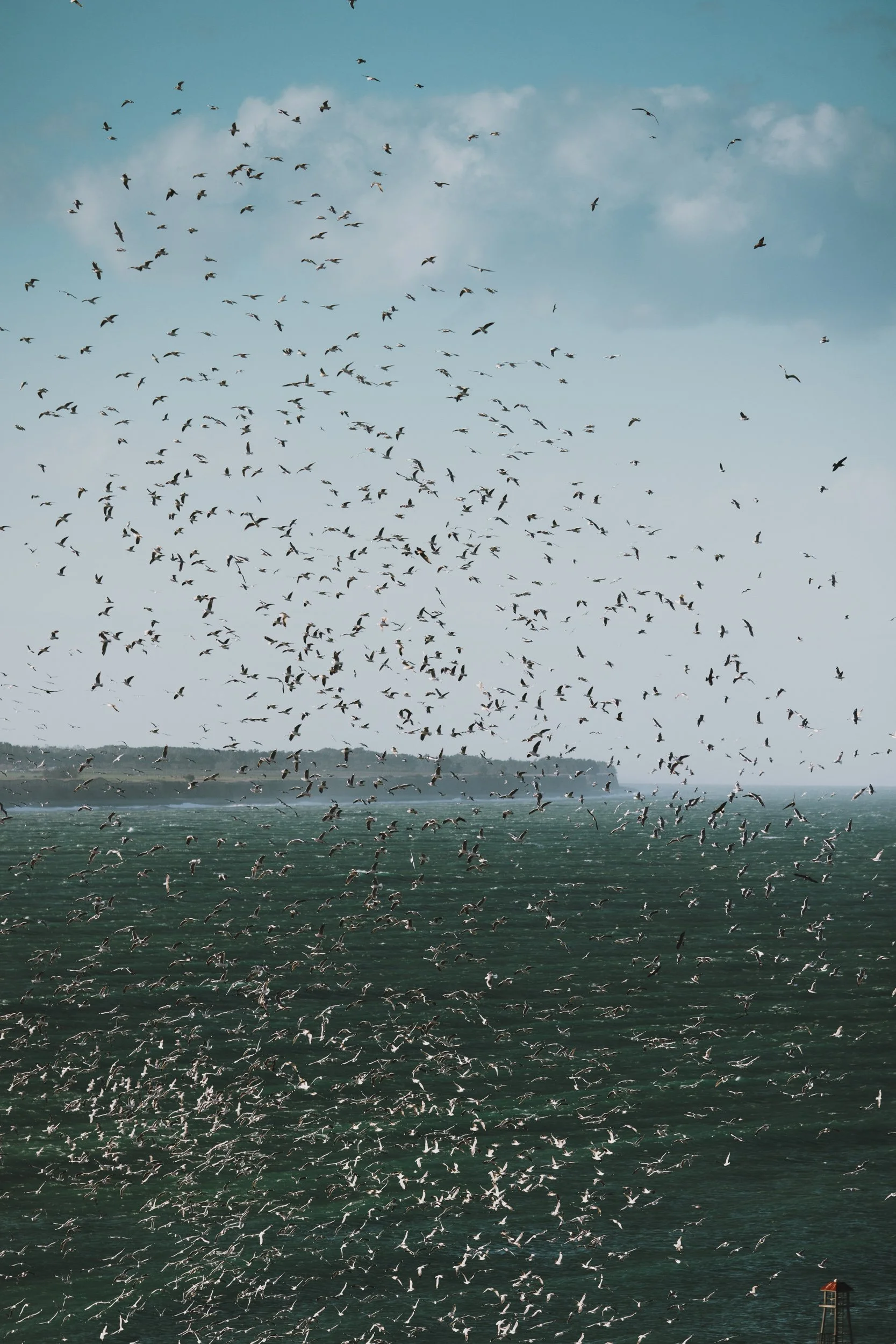
Katiki Point Lighthouse sits on a rugged stretch of the Otago coast, with sweeping ocean views and a nearby wildlife reserve known for seals and seabirds. We saw dozens of seals playing on the rocks. The baby ones were especially cute. The windswept setting made it a beautiful stop even without having to stop at the lighthouse itself.
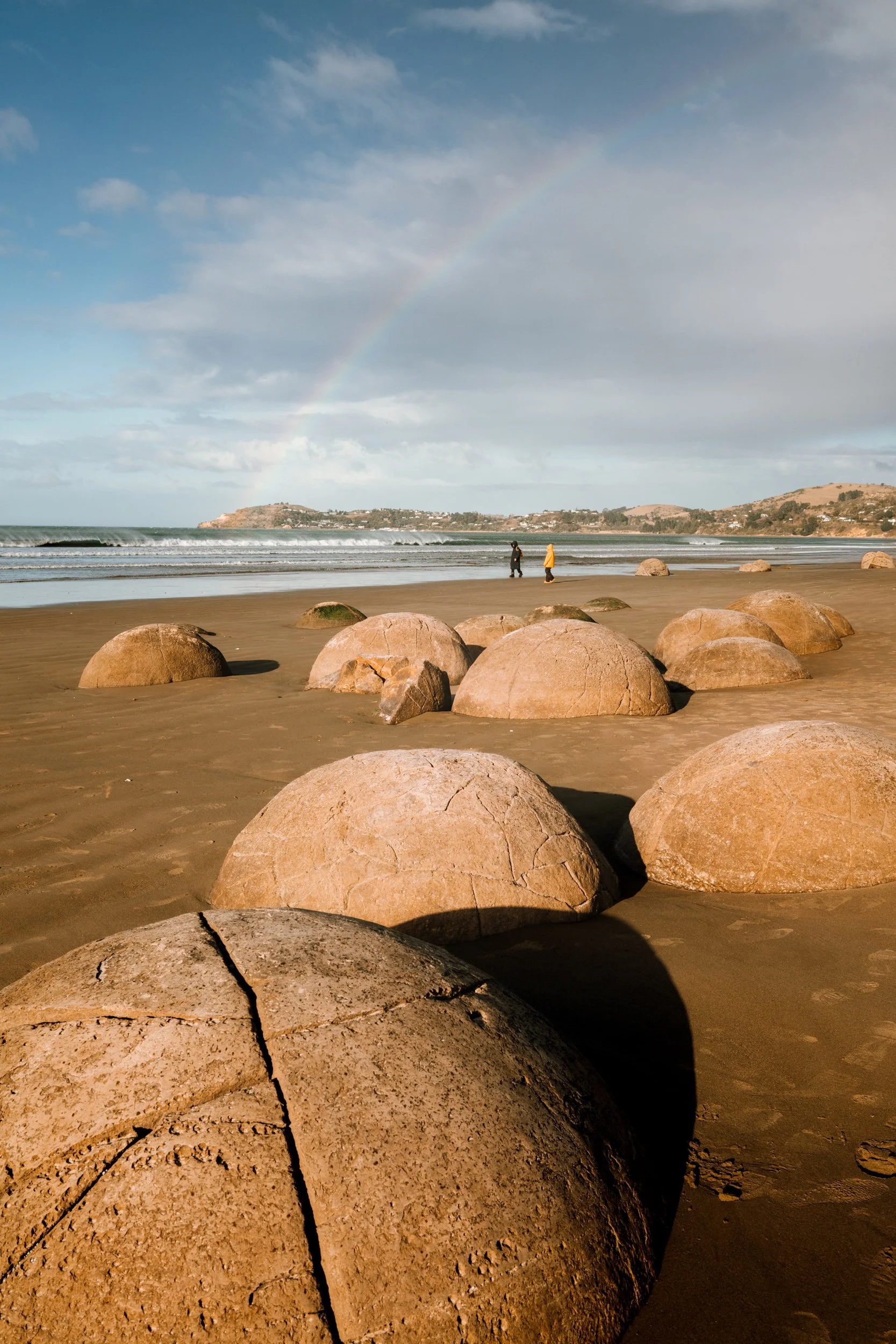
The Moeraki Boulders are huge, almost perfectly round rock formations scattered along Koekohe Beach. I wasn’t sure about the best angles, but as soon as I saw the rainbow, I knew immediately where to point the camera.
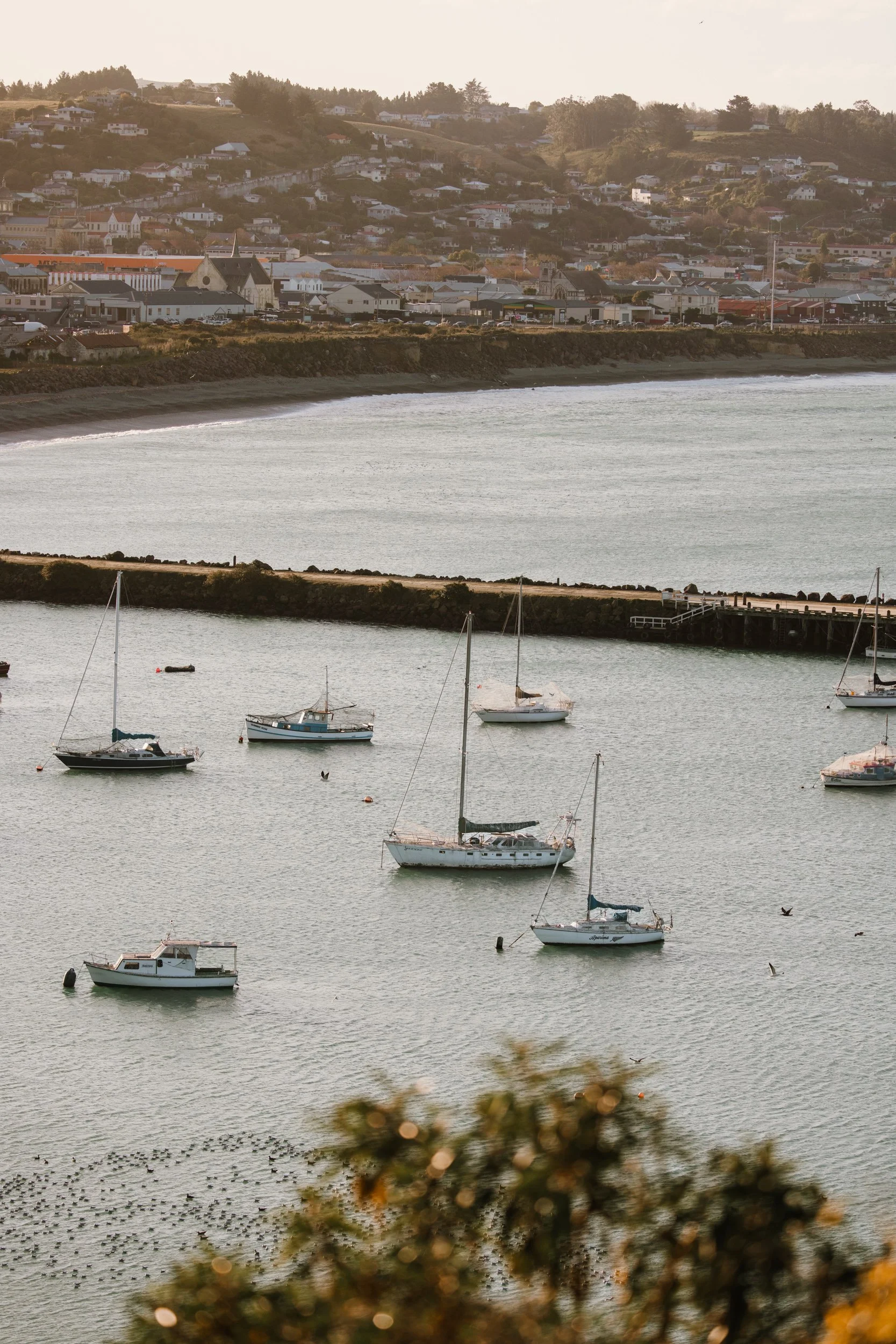
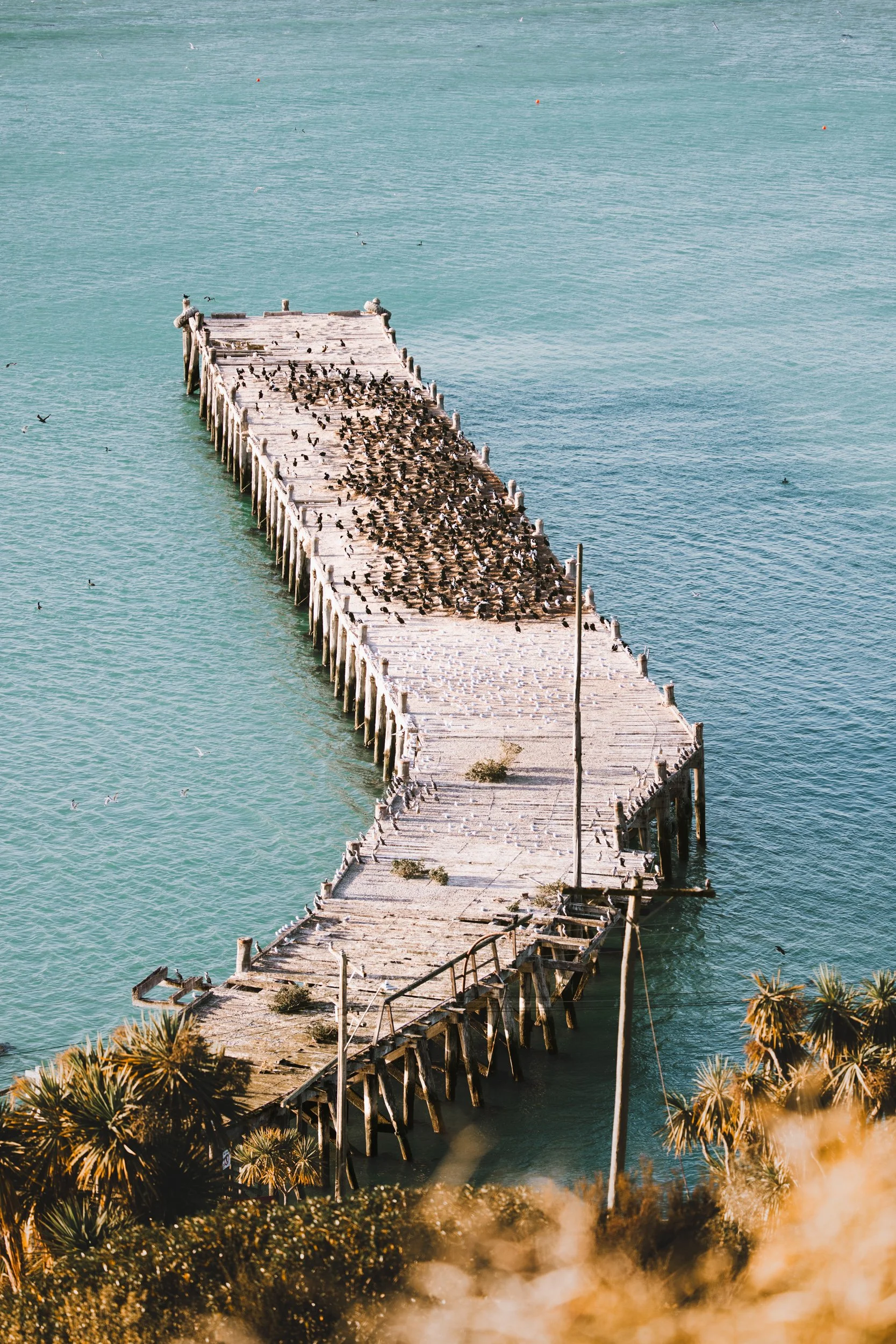
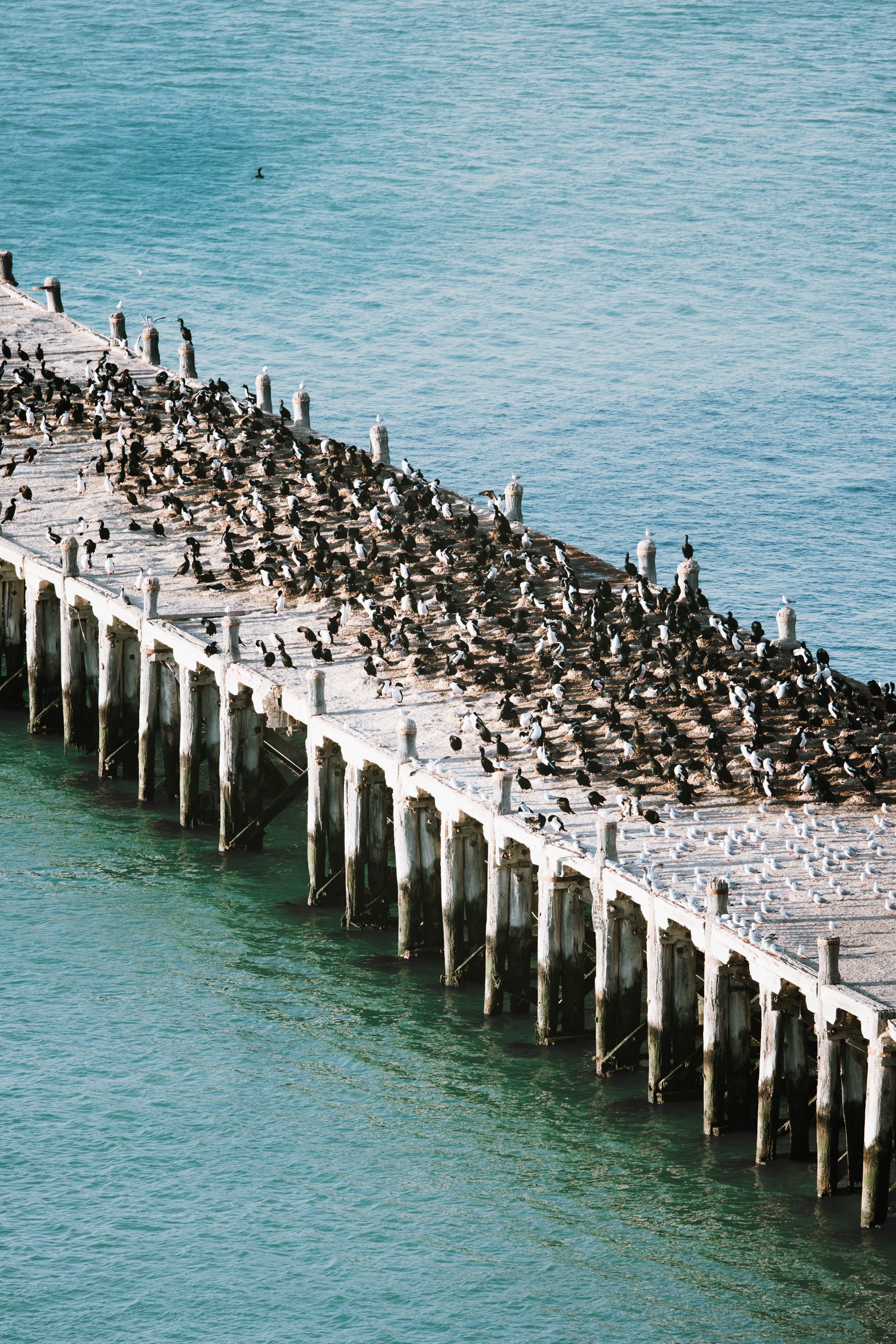
Oamaru is famous for its little blue penguins, which return from the sea to their nesting areas around the harbor after dark. The waterfront and port area are also pleasant to explore while waiting for the evening penguin activity.
Twizel - Southern Lights
We chose this area partly for its proximity to Aoraki/Mount Cook and partly for its open dark skies. Seeing and photographing the Aurora Australis was one of the main reasons we traveled to New Zealand in early winter.
The Southern Lights proved far more elusive than I had expected.
Rain, cloud cover and quiet geomagnetic conditions followed us through much of the trip. Nevertheless, I made several late-night attempts and was fortunate enough to photograph the aurora on three nights.
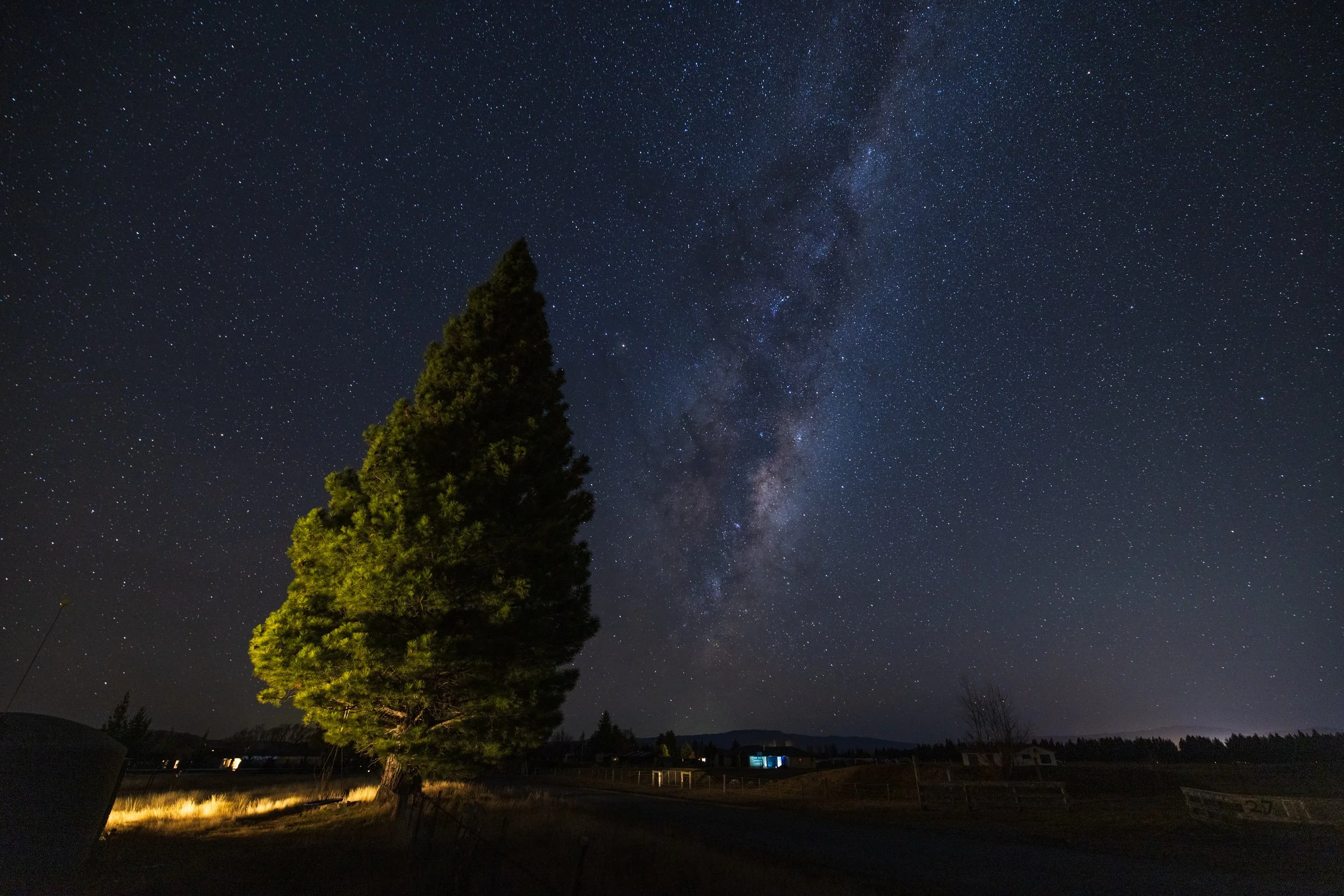
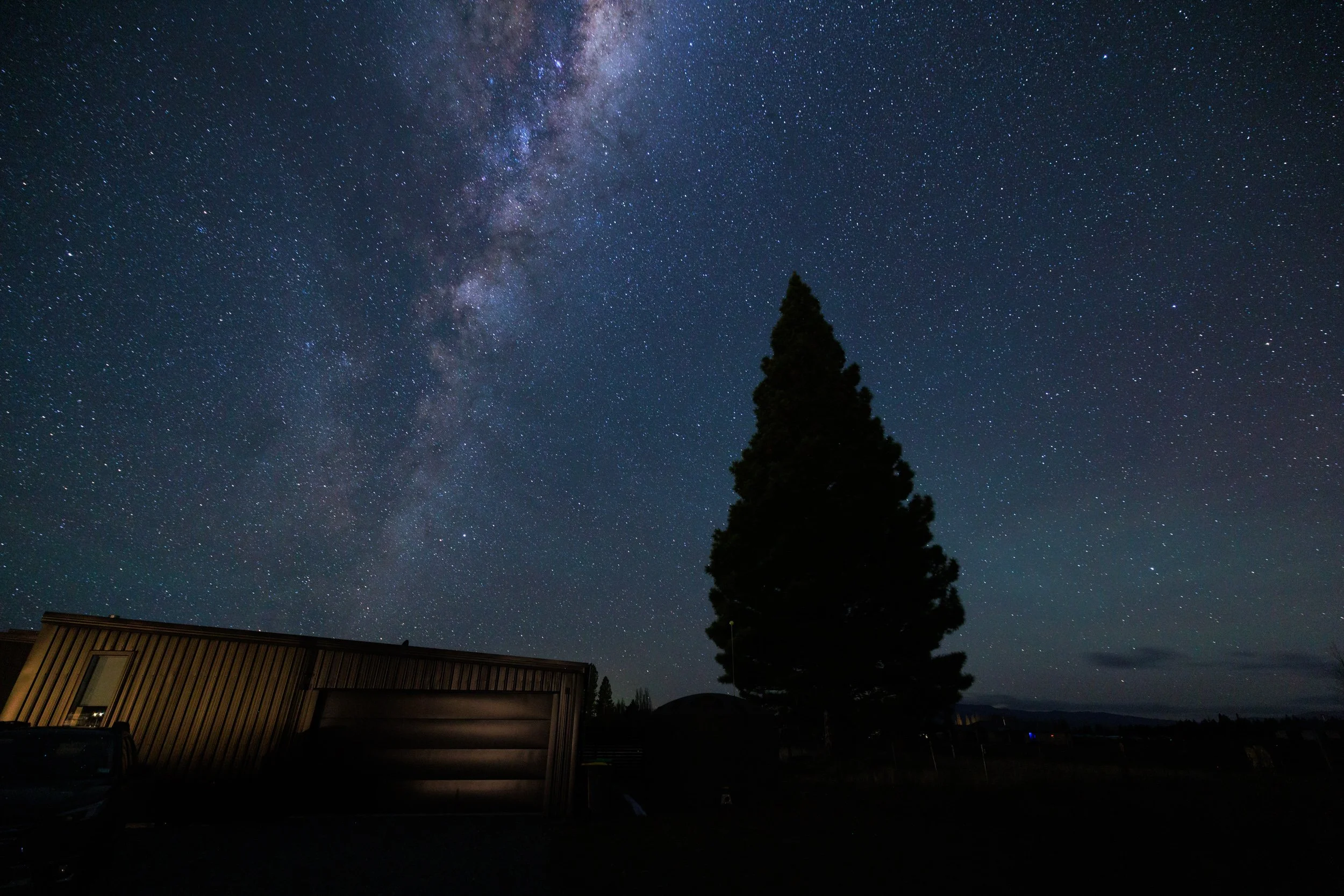
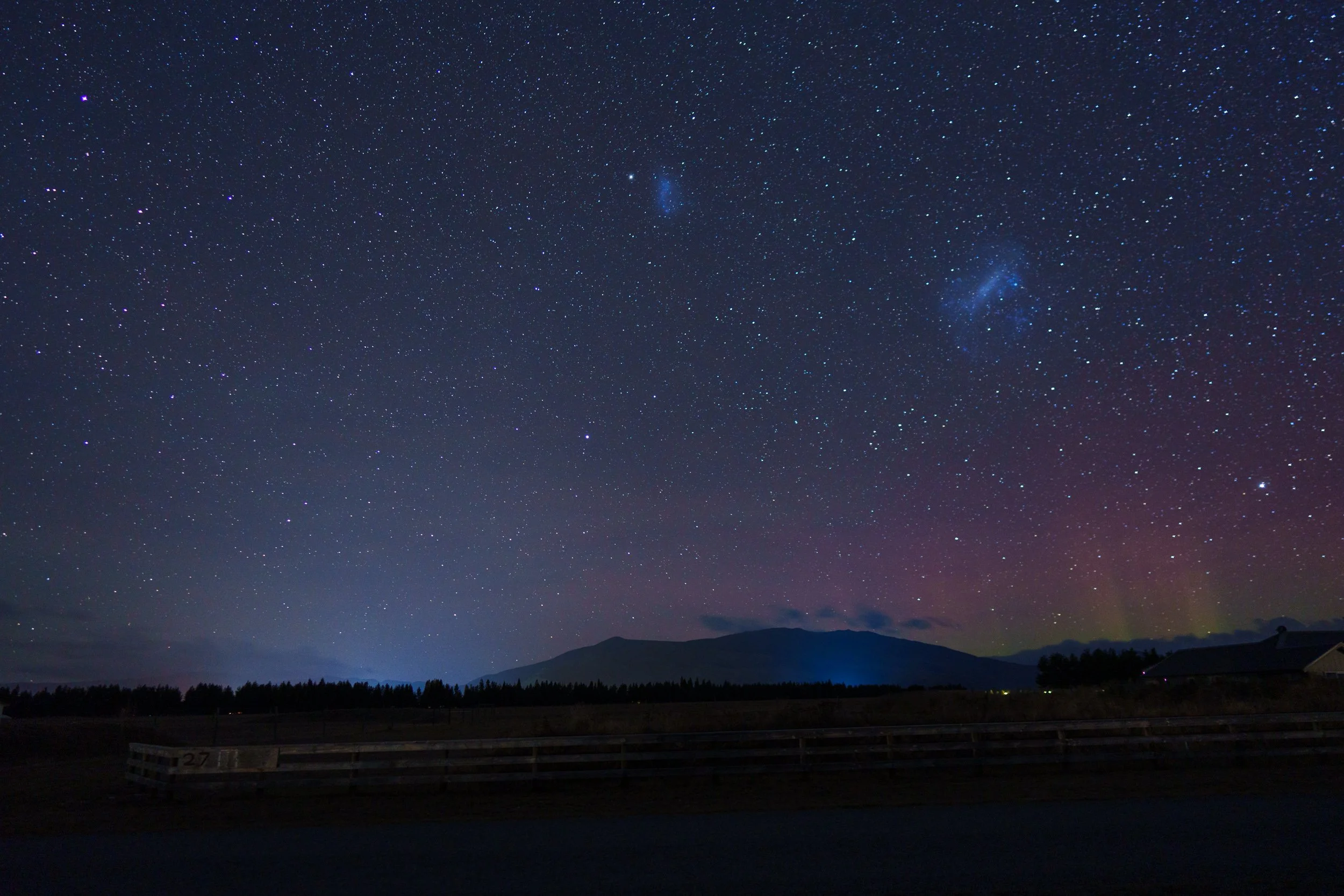
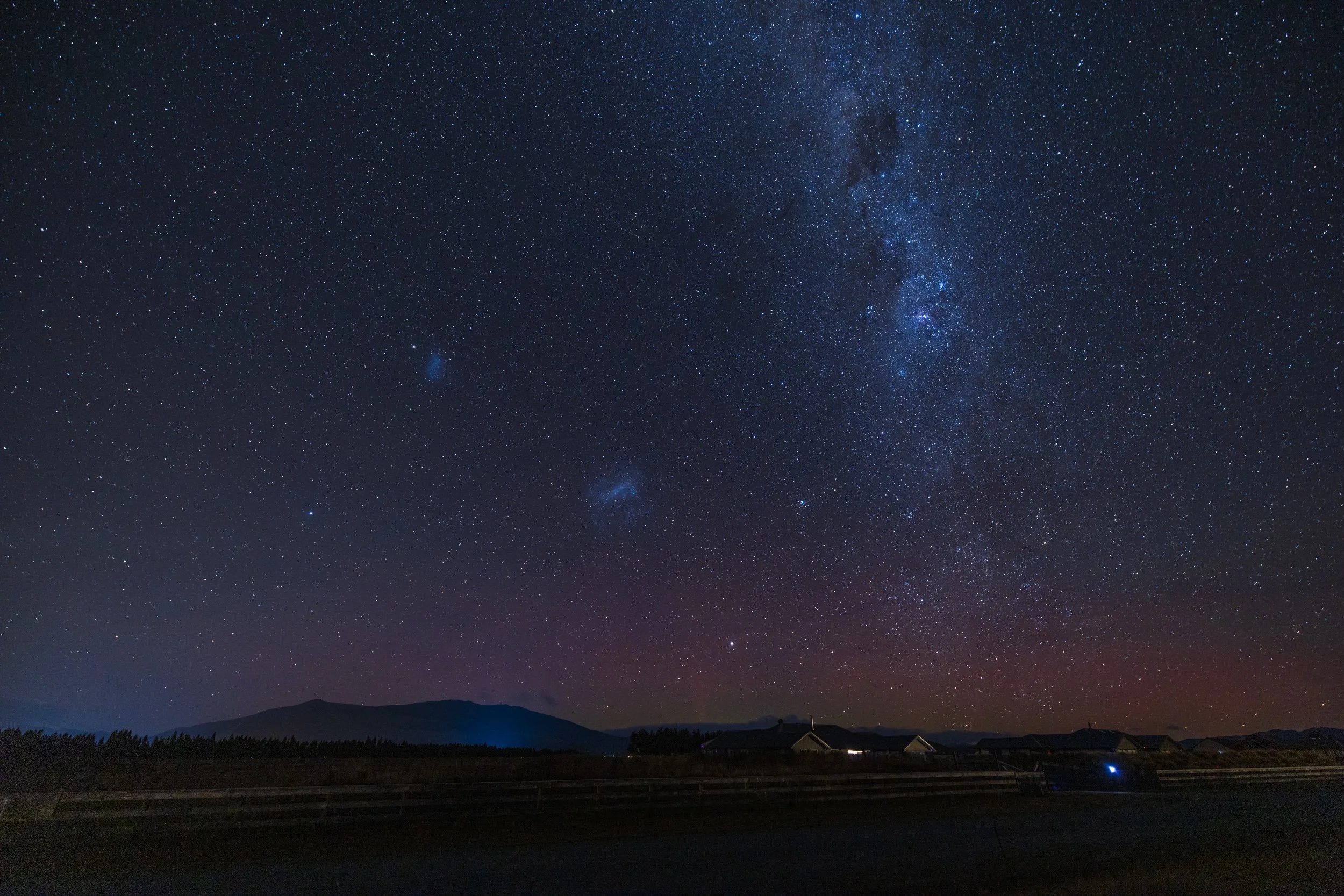
None of the displays looked like the dramatic dancing belts often seen in photographs. Some color was much more visible to the camera than to the naked eye.
But travel has taught me to show up and appreciate whatever nature chooses to share.
These may not have been the Southern Lights I imagined before the trip, but they were the ones I experienced.
Our Twizel Accommodation
Our accommodation outside Twizel was surrounded by open land and mountain views.
The boys were immediately drawn to the trampoline.
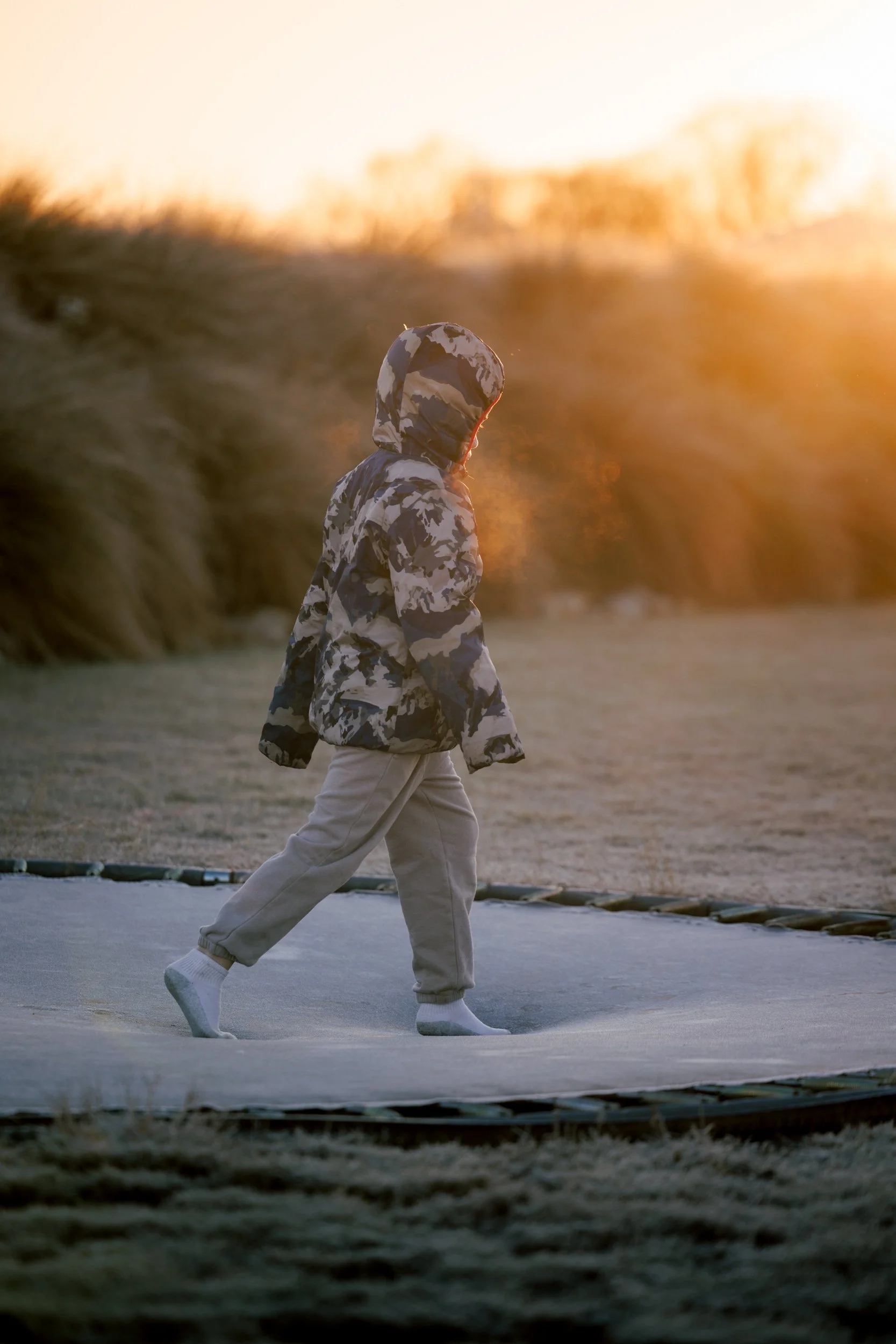
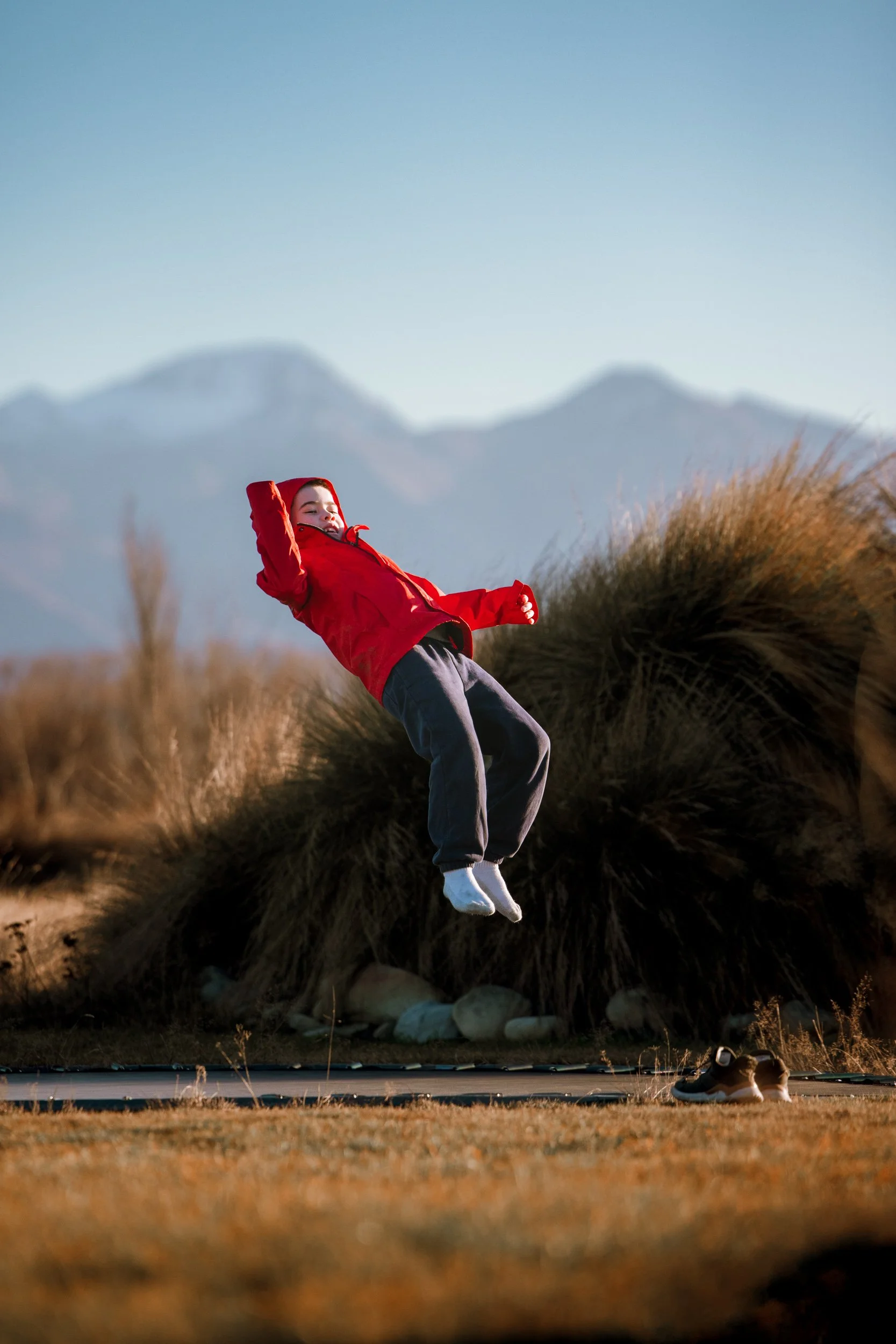
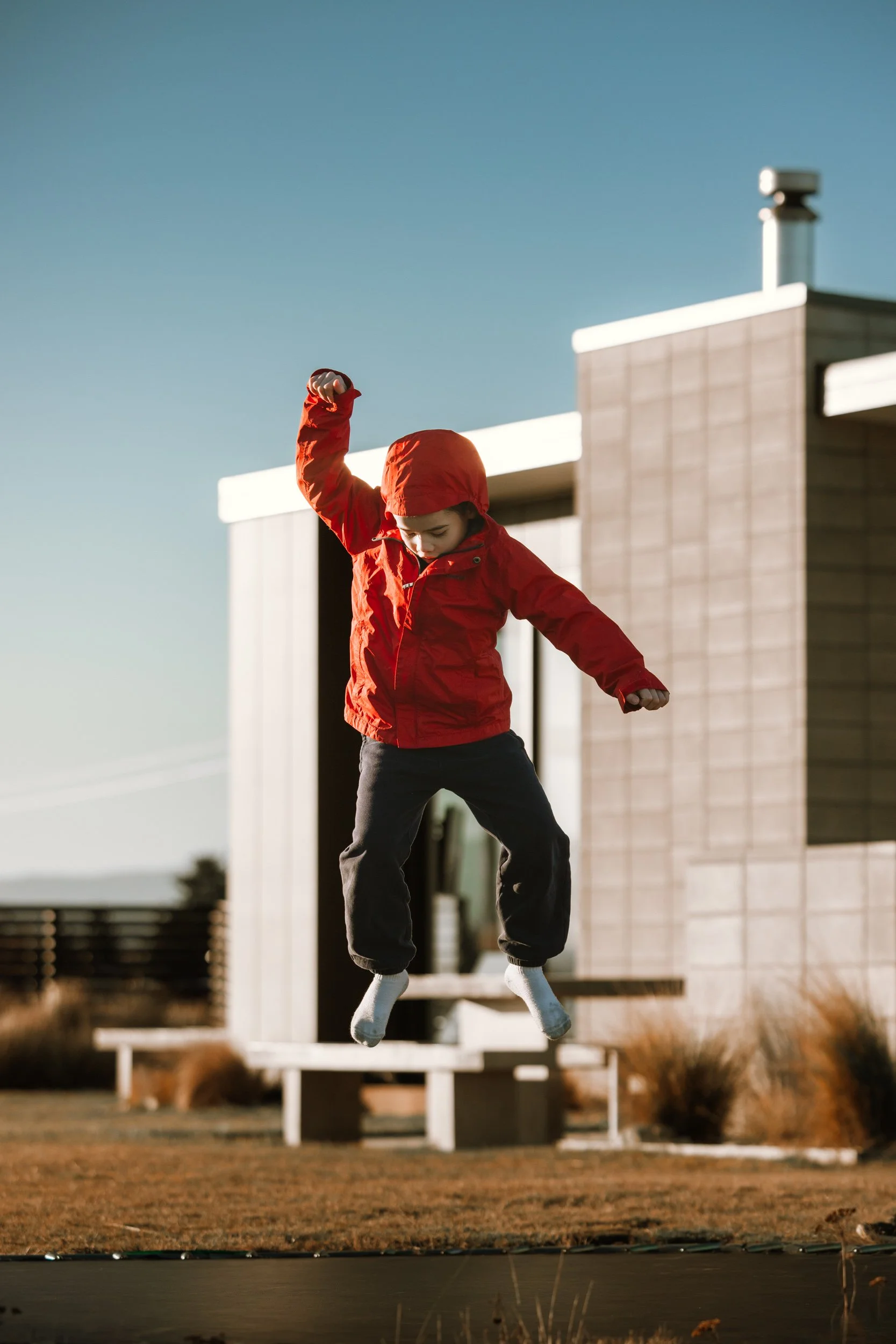
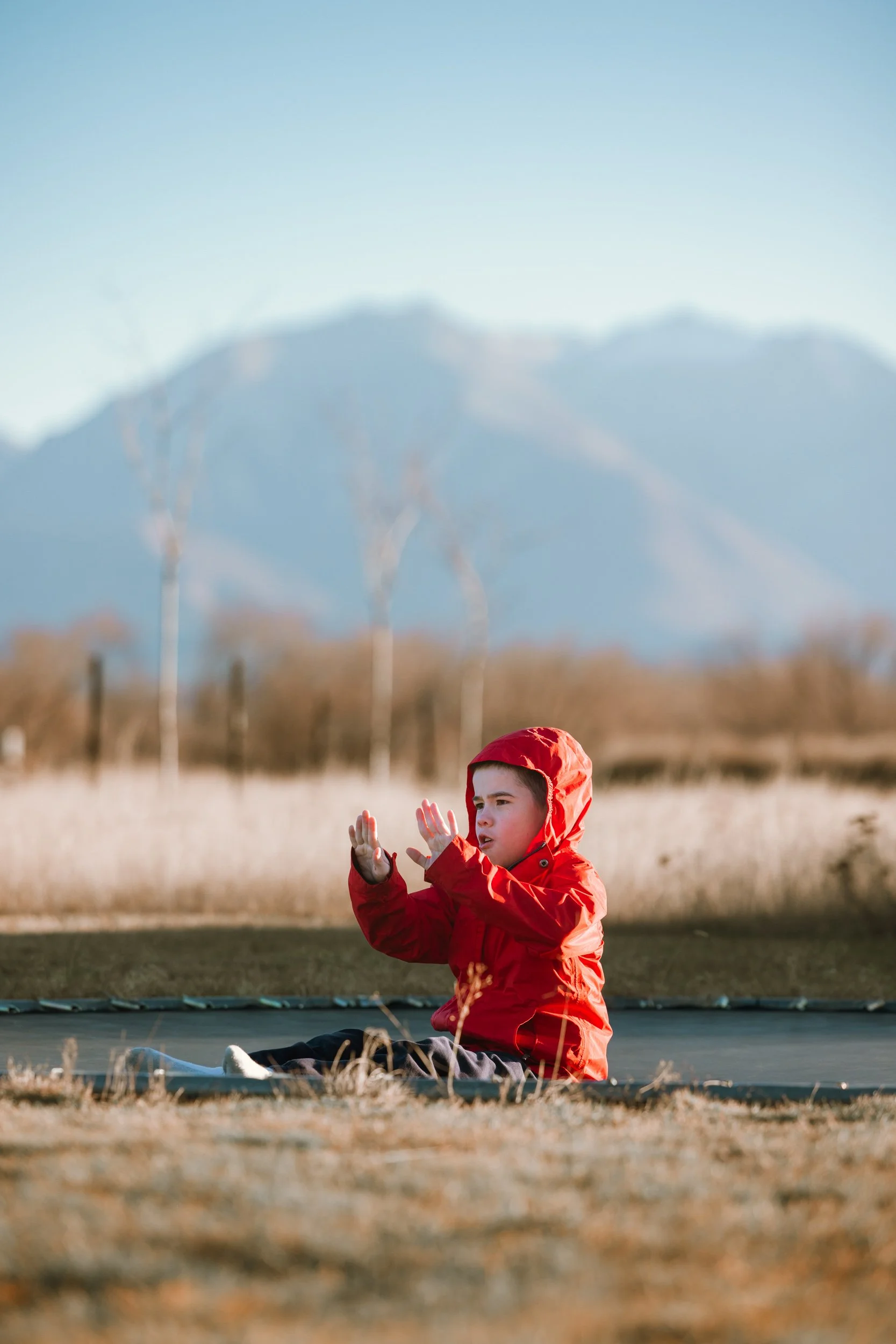
Whenever they had the opportunity, they were on the trampoline, bouncing against the mountain backdrop. I had come to this region thinking primarily about landscapes and night skies, but the simple family moments became just as memorable.
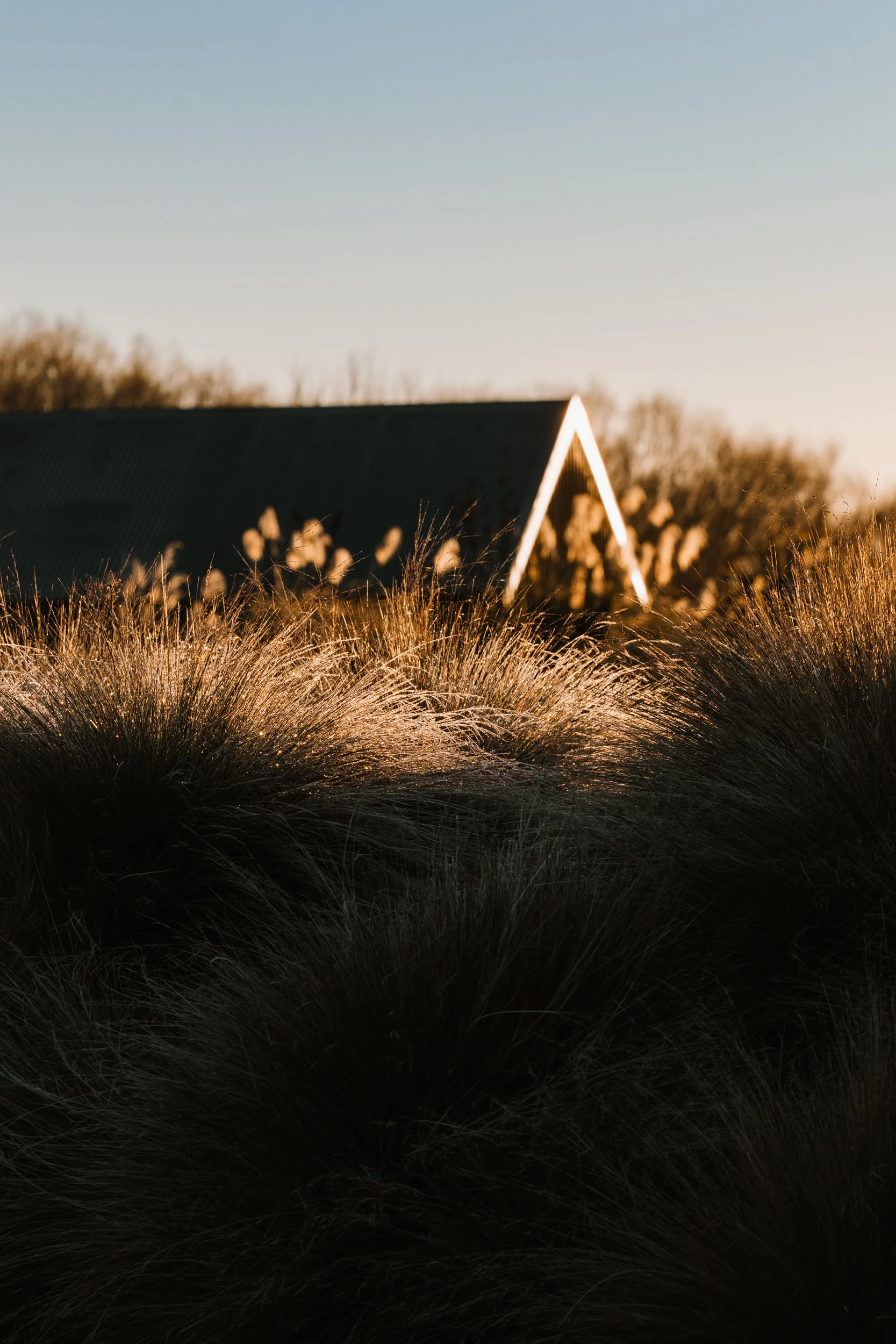
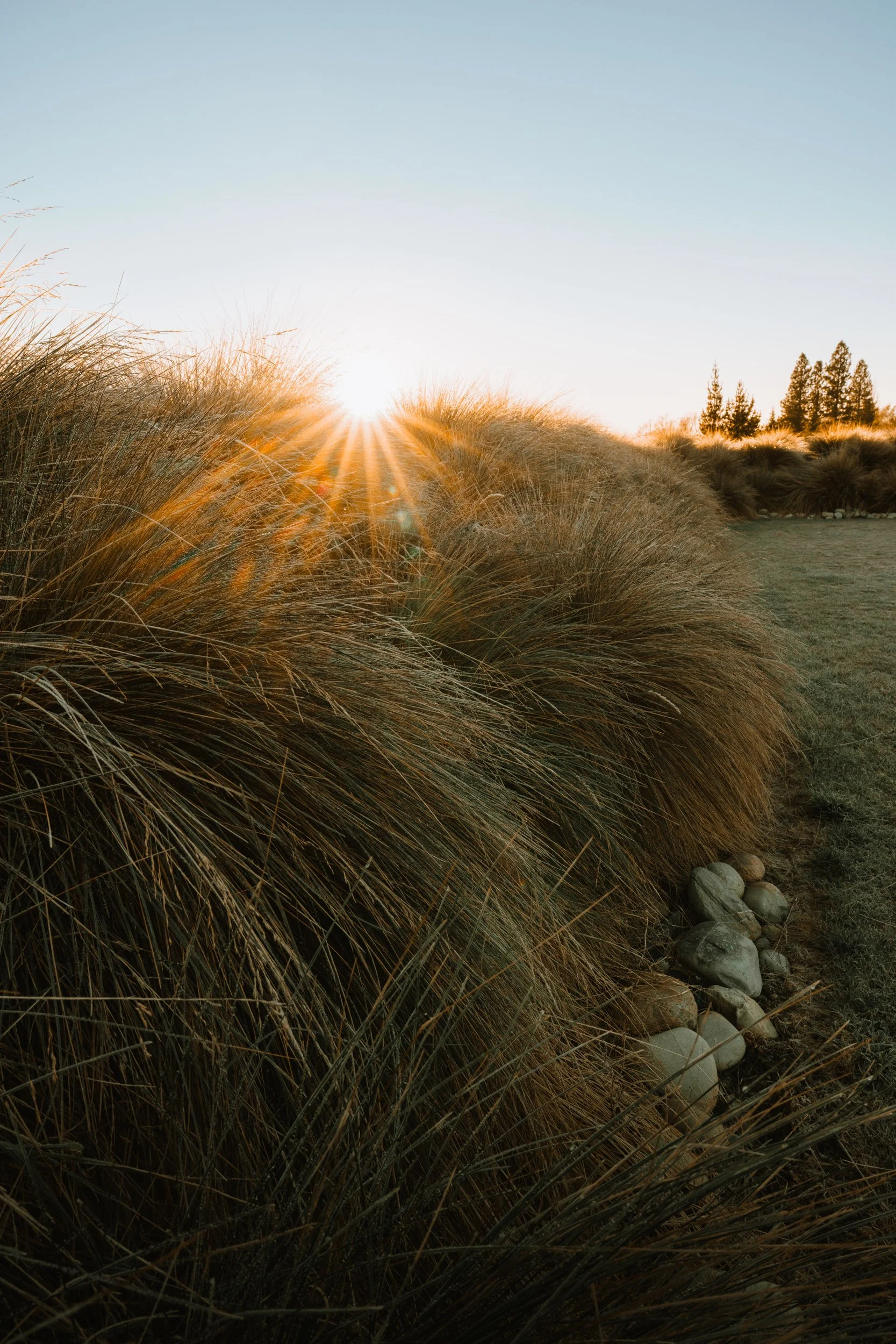
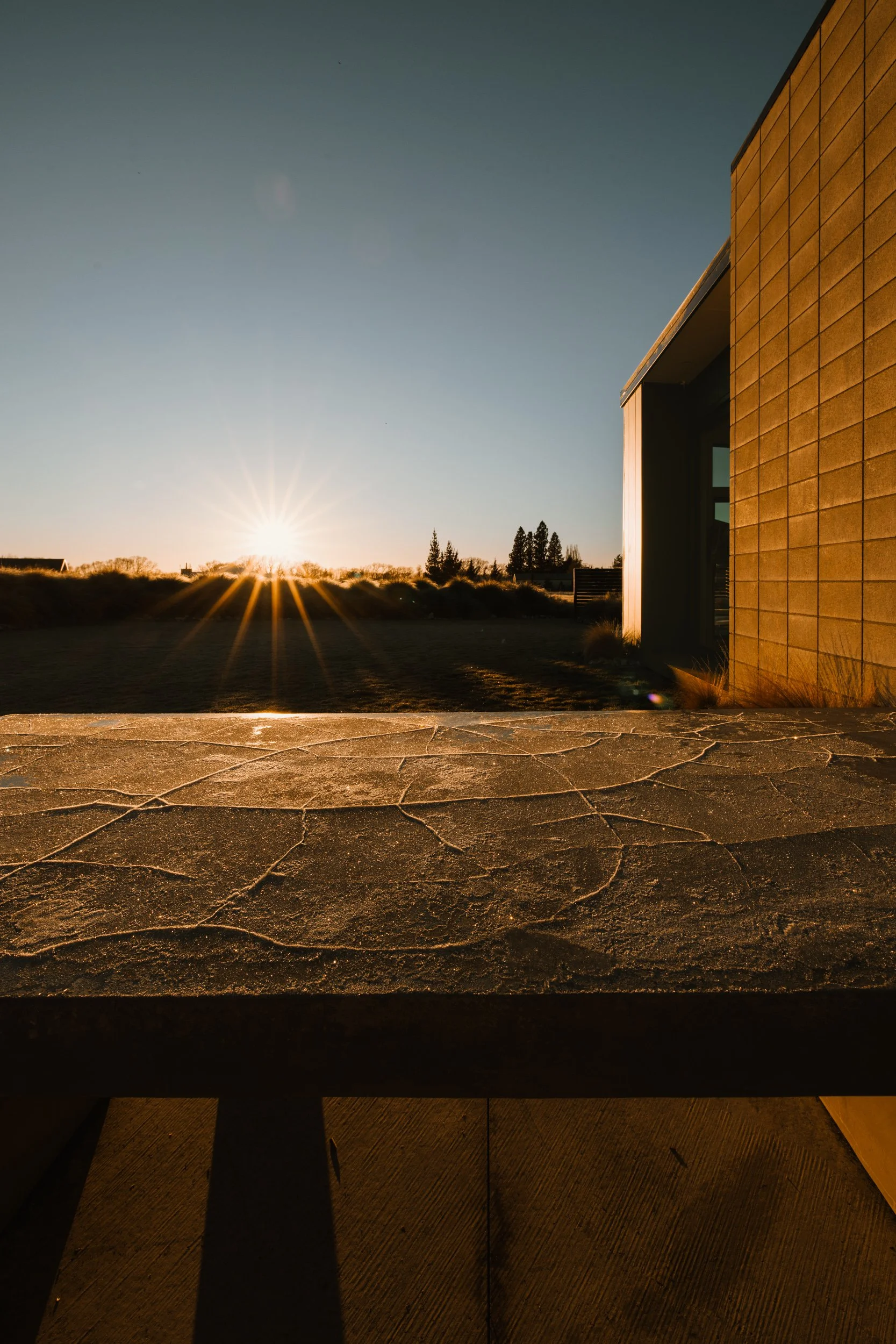
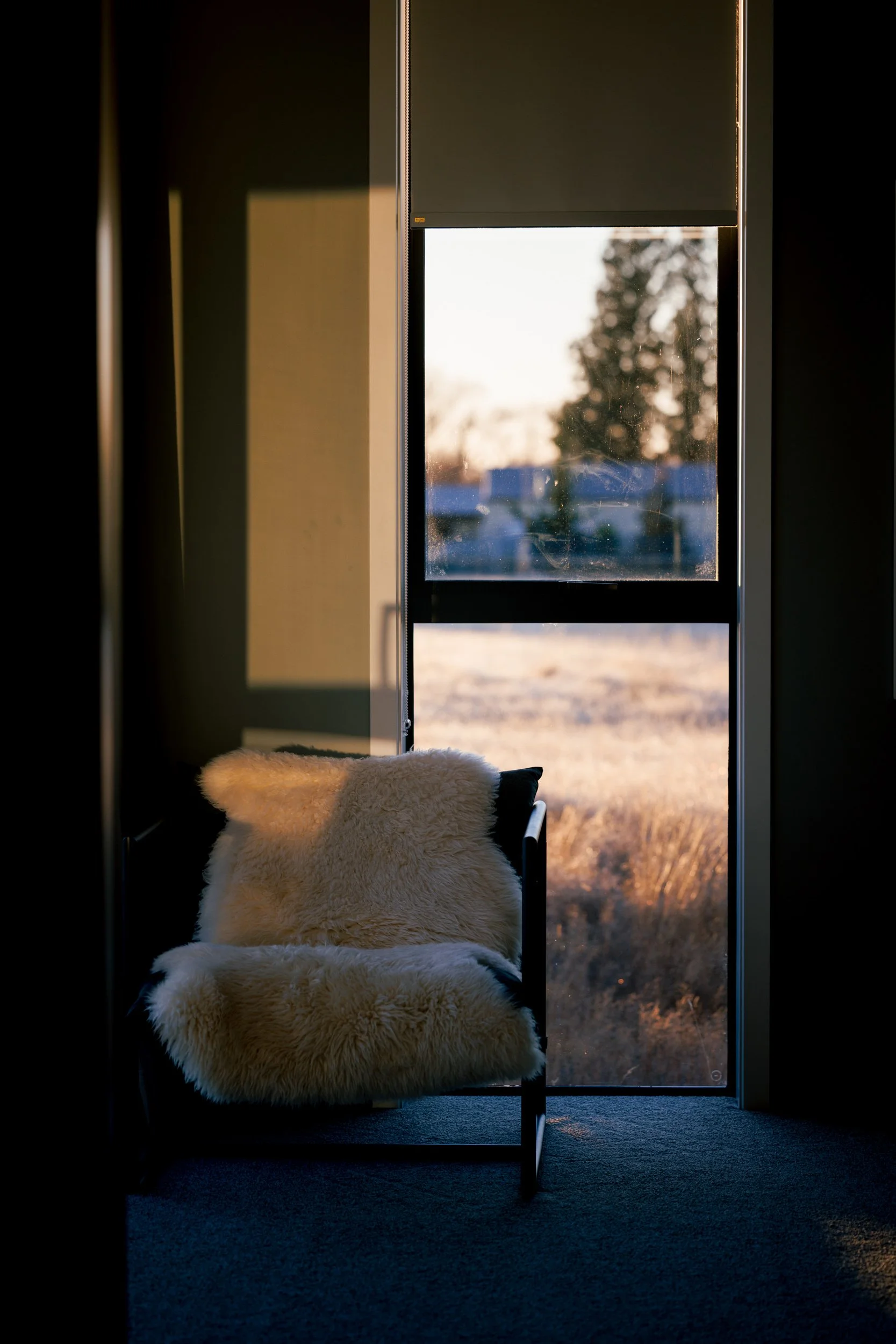
Some of my favorite travel photographs happen when a beautiful location becomes part of everyday life rather than the entire subject of the photograph.
Aoraki/Mount Cook
We used Twizel as our base for a day trip to Aoraki/Mount Cook National Park.
The drive followed the vivid blue water of Lake Pukaki toward snow-covered mountains. Conditions changed throughout the day, with cloud moving around Aoraki and revealing the peak only intermittently.
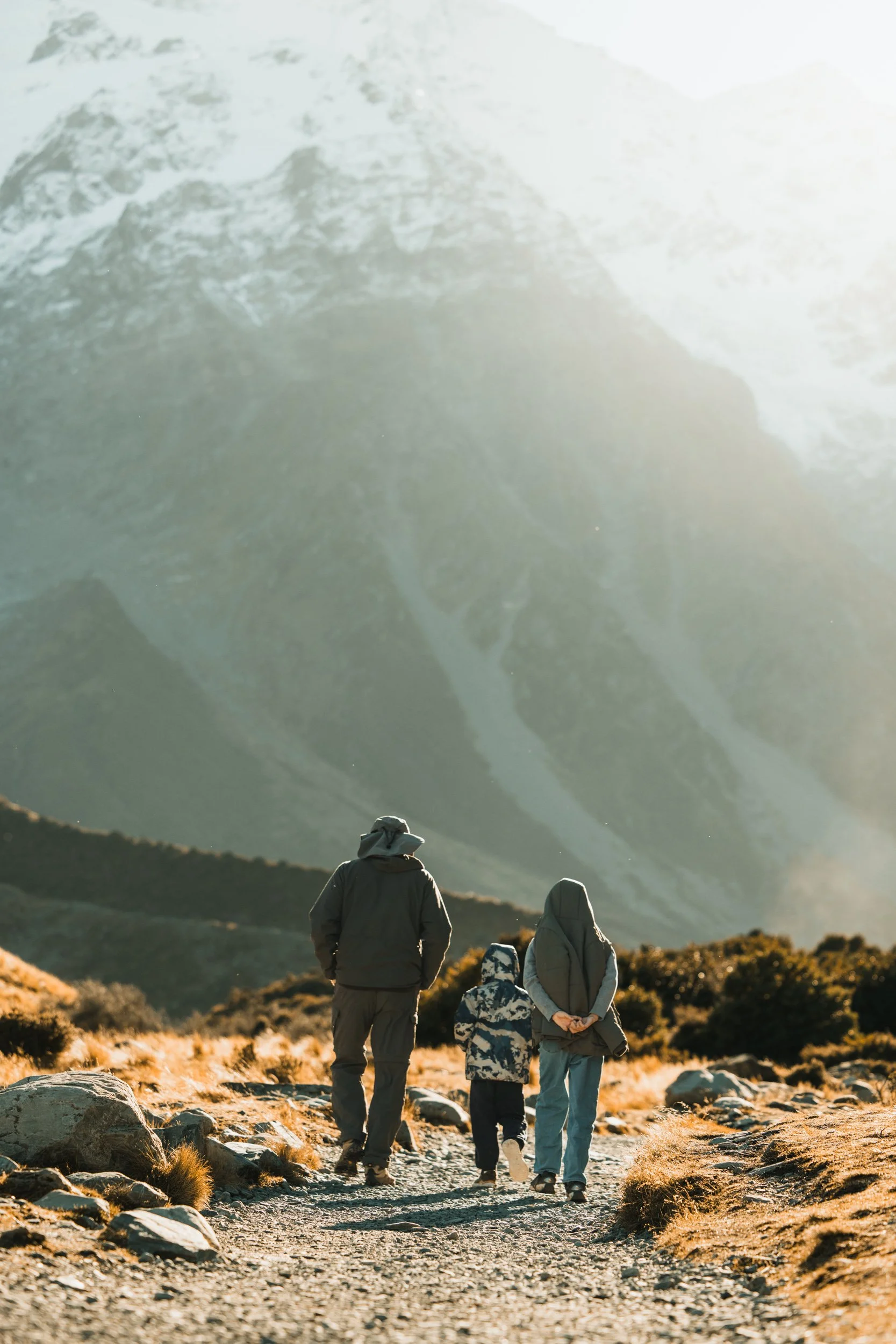
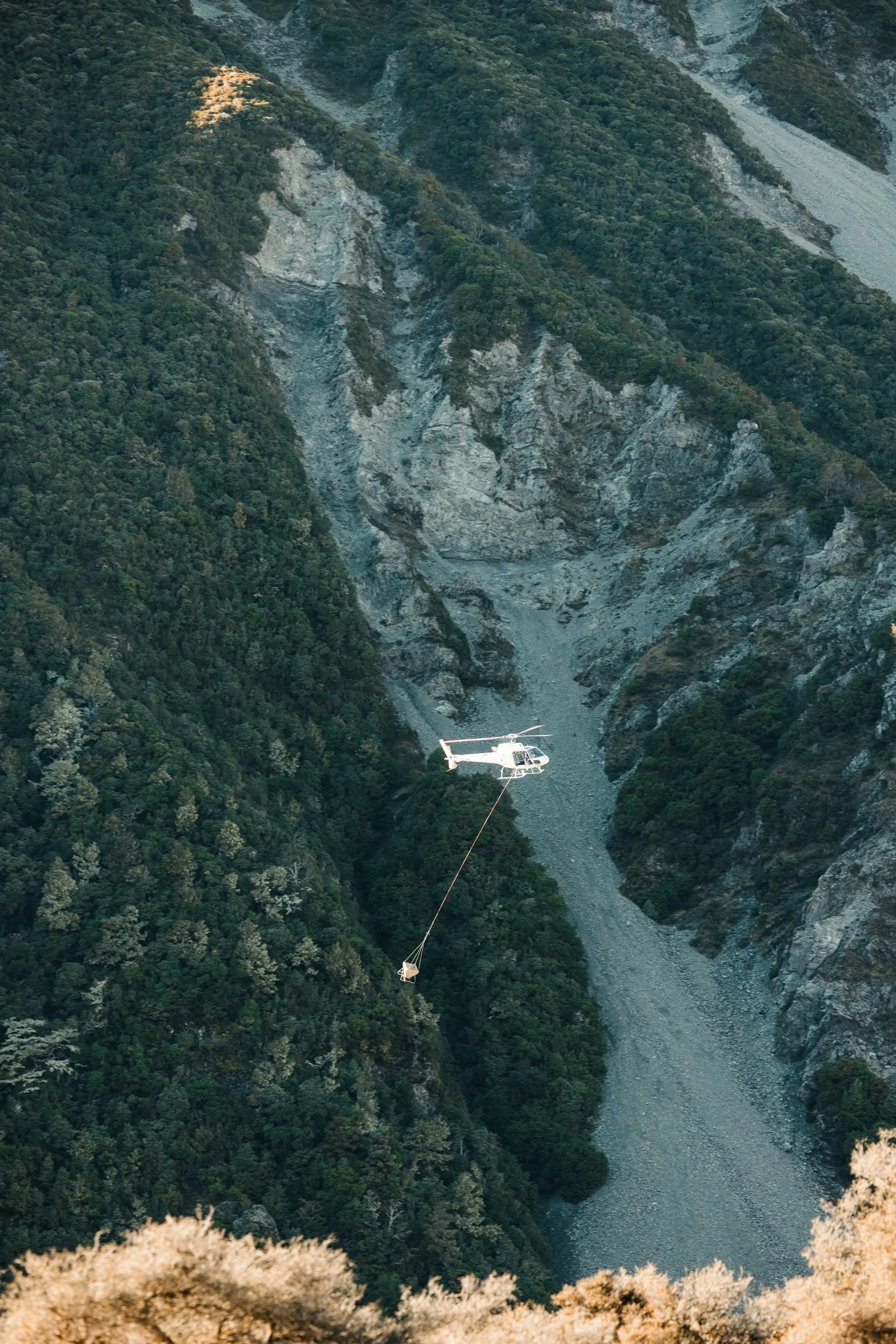
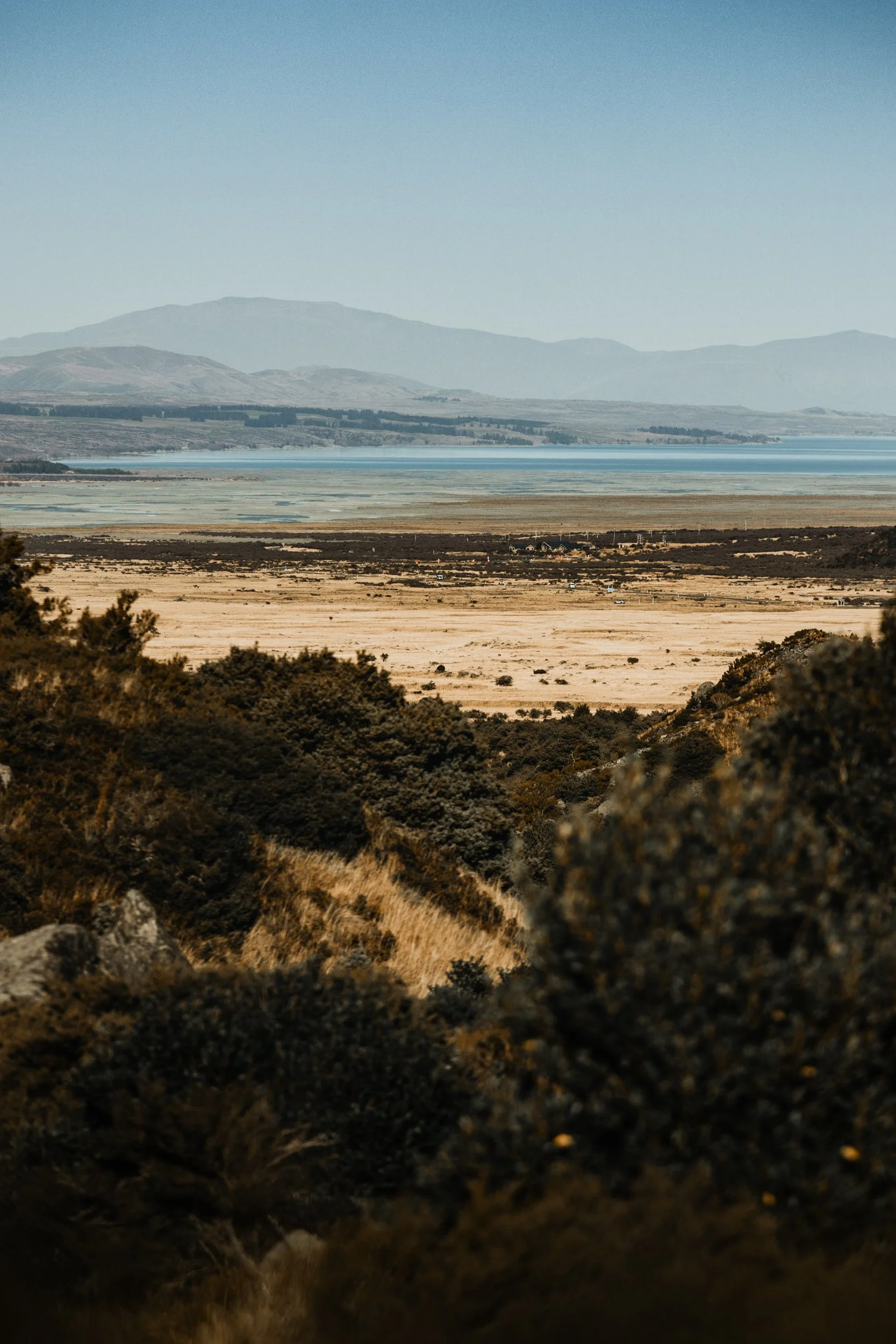
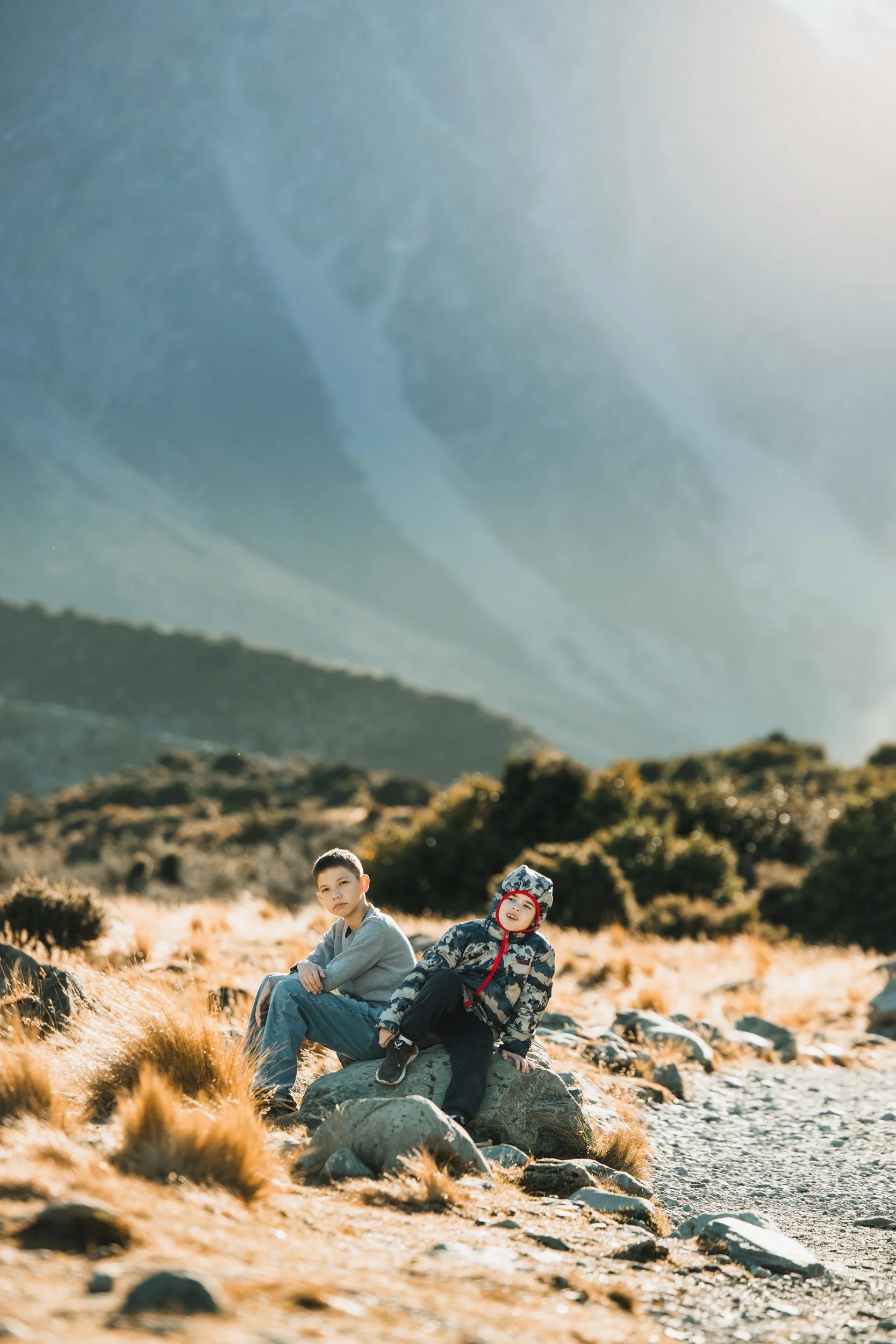
We hiked part of the Hooker Valley trail - it was partially closed. But the drive between Mt Cook and Twizel along Lake Pukaki offered several roadside stops worth capturing.
Peter’s Lookout
One of my favorite stops was Peter’s Lookout on the way back from Mount Cook.
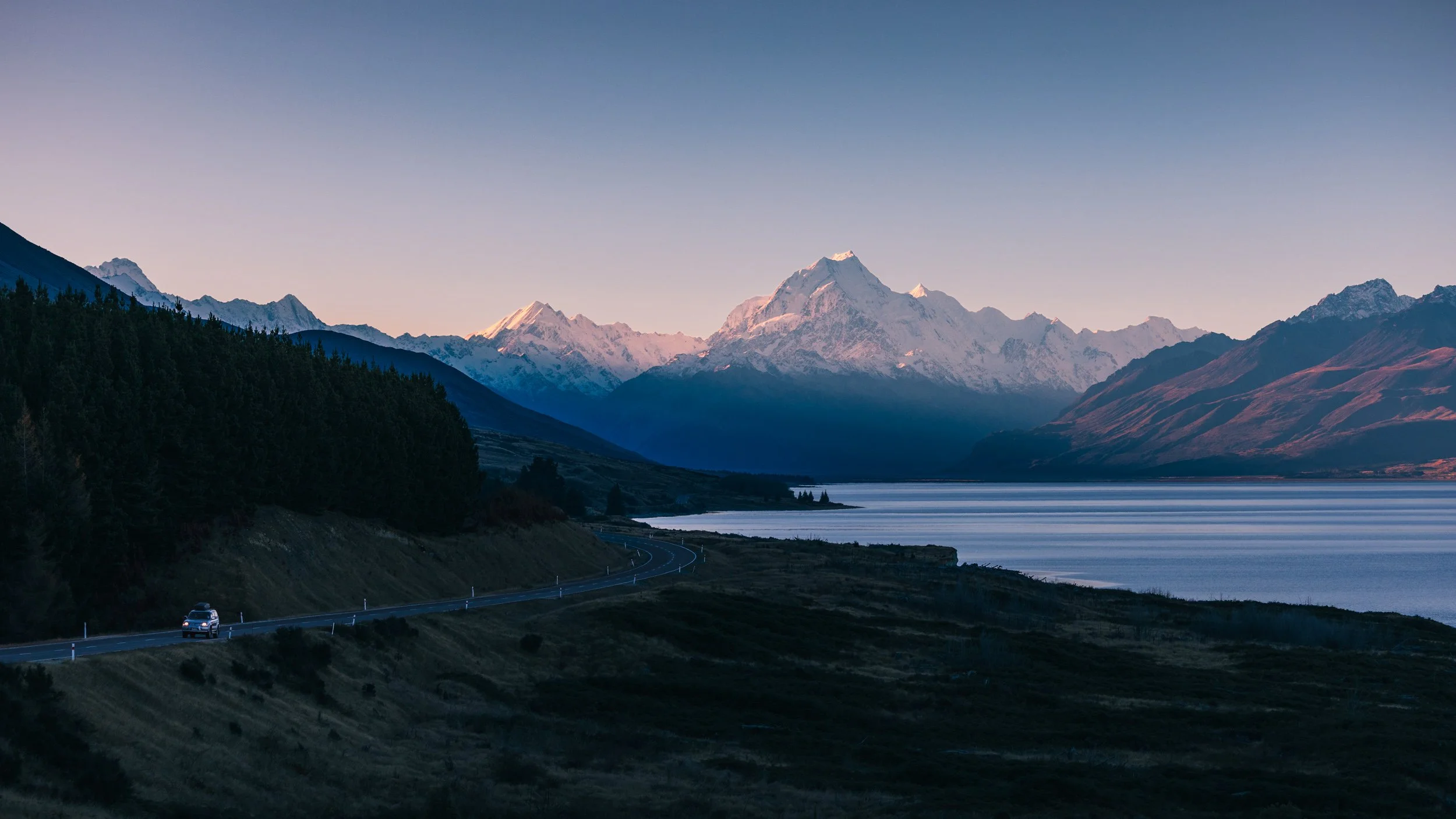
By then, the light had begun to change, illuminating the road, lake and mountains differently from what we had seen earlier in the day.
I walked around the viewpoints, exploring various angles to photograph this stunning view. The light over the peak was absolutely critical, so was the camper van driving through my frames.
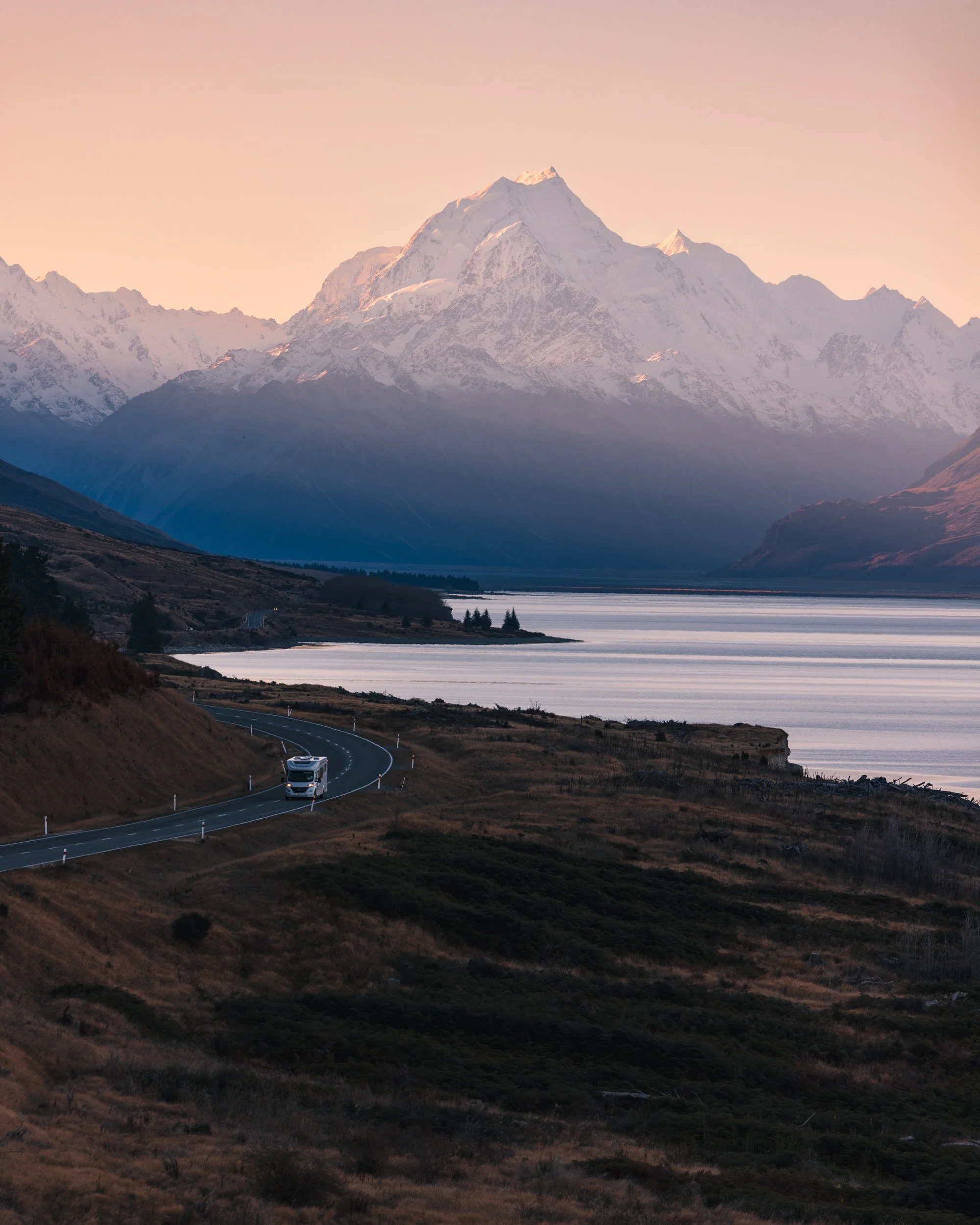
This became one of my favorite stops in the Mount Cook region. Just like That Wānaka Tree, Peter’s Lookout has probably been photographed millions of times - but that doesn’t mean you can’t create your own version of the scene. I love photographing iconic locations because simply being there at that particular moment already makes the experience personal. Every photograph is shaped by a unique combination of light, weather, timing, perspective, and our own encounter with the place.
Lake Alexandrina
From Twizel, we continued to Lake Tekapo. But our favorite encounter was the nearby Lake Alexandrina, a smaller and much quieter lake away from the busiest viewpoints.
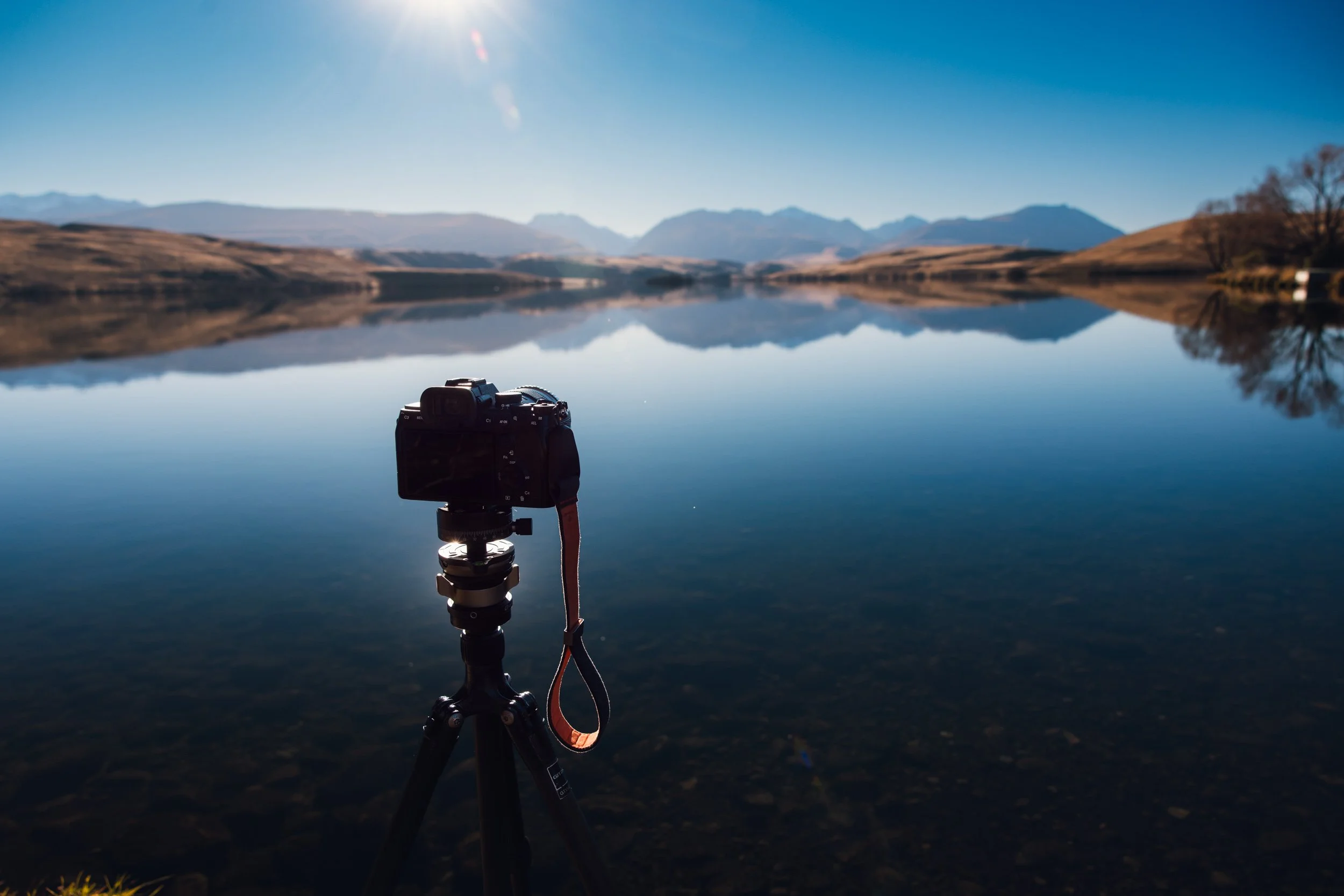
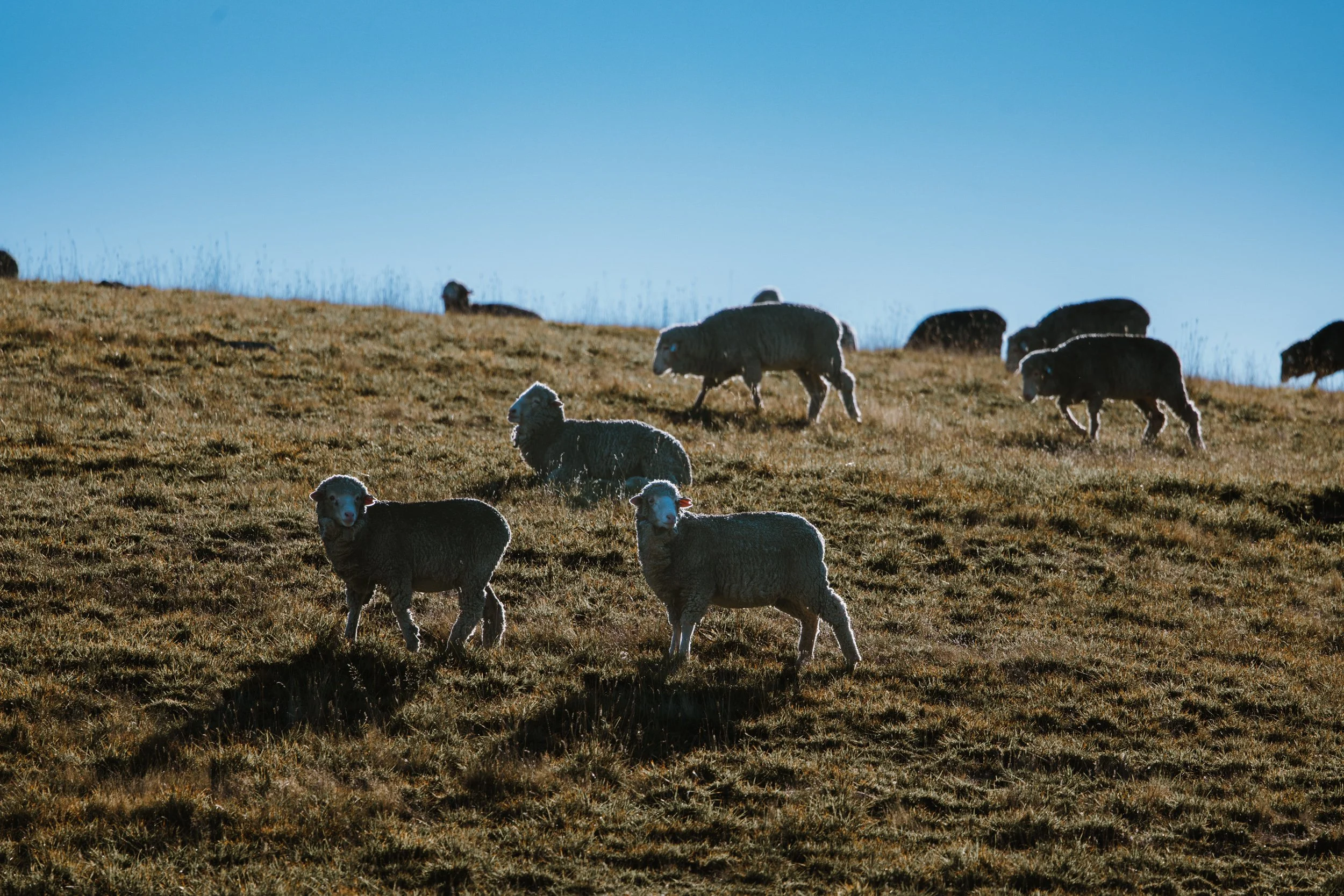
After photographing several iconic New Zealand locations, the stillness here felt refreshing. There were no famous compositions I felt obligated to create. We could simply walk, observe and photograph the landscape as we found it.
The quieter locations often give me more freedom to respond to the scene rather than comparing it with photographs I have already seen.
Lake Tekapo
Lake Tekapo welcomed us with some of the most beautiful sunset color of the entire trip.
At almost the same time, we learned that our home had been broken into back in the United States.
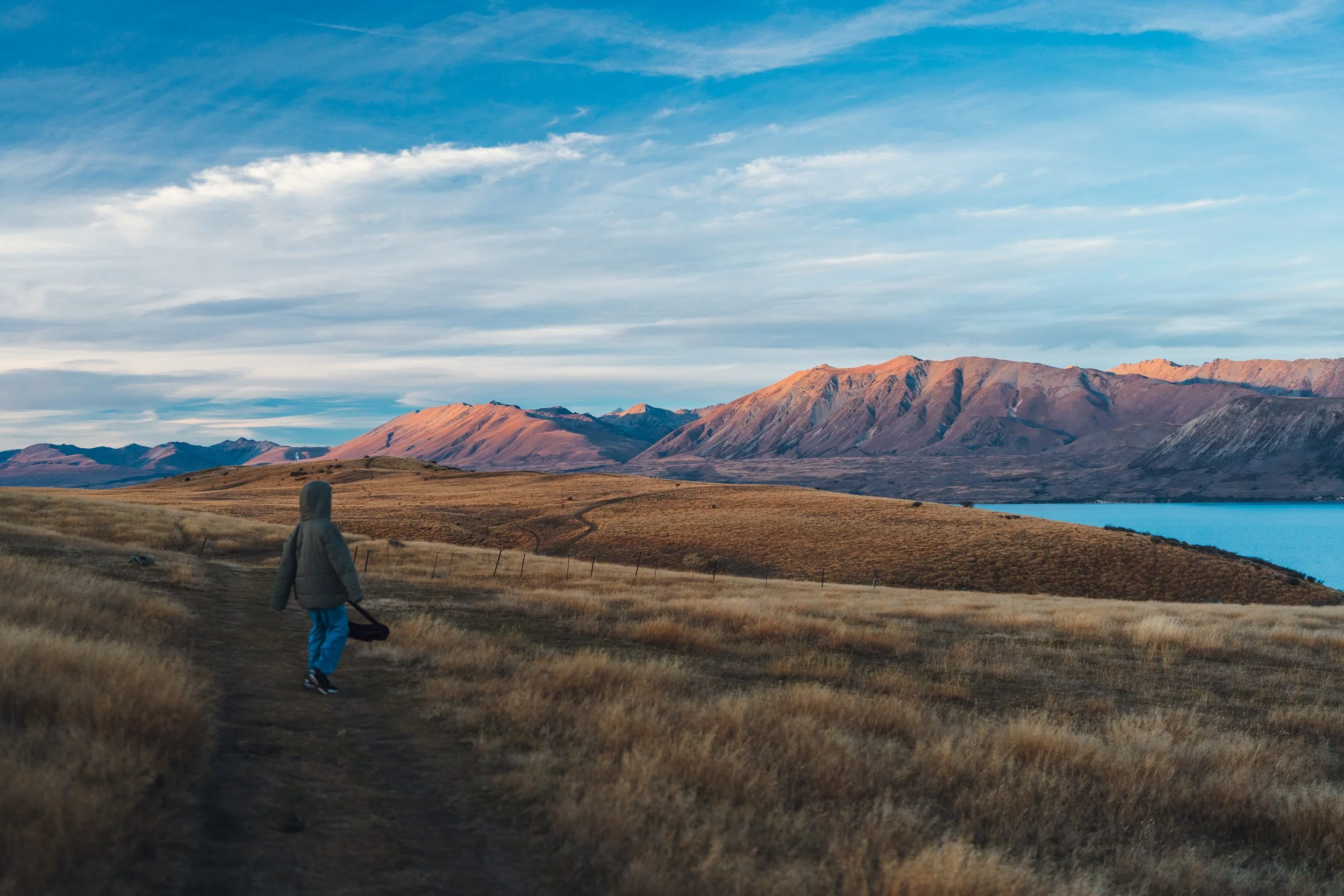
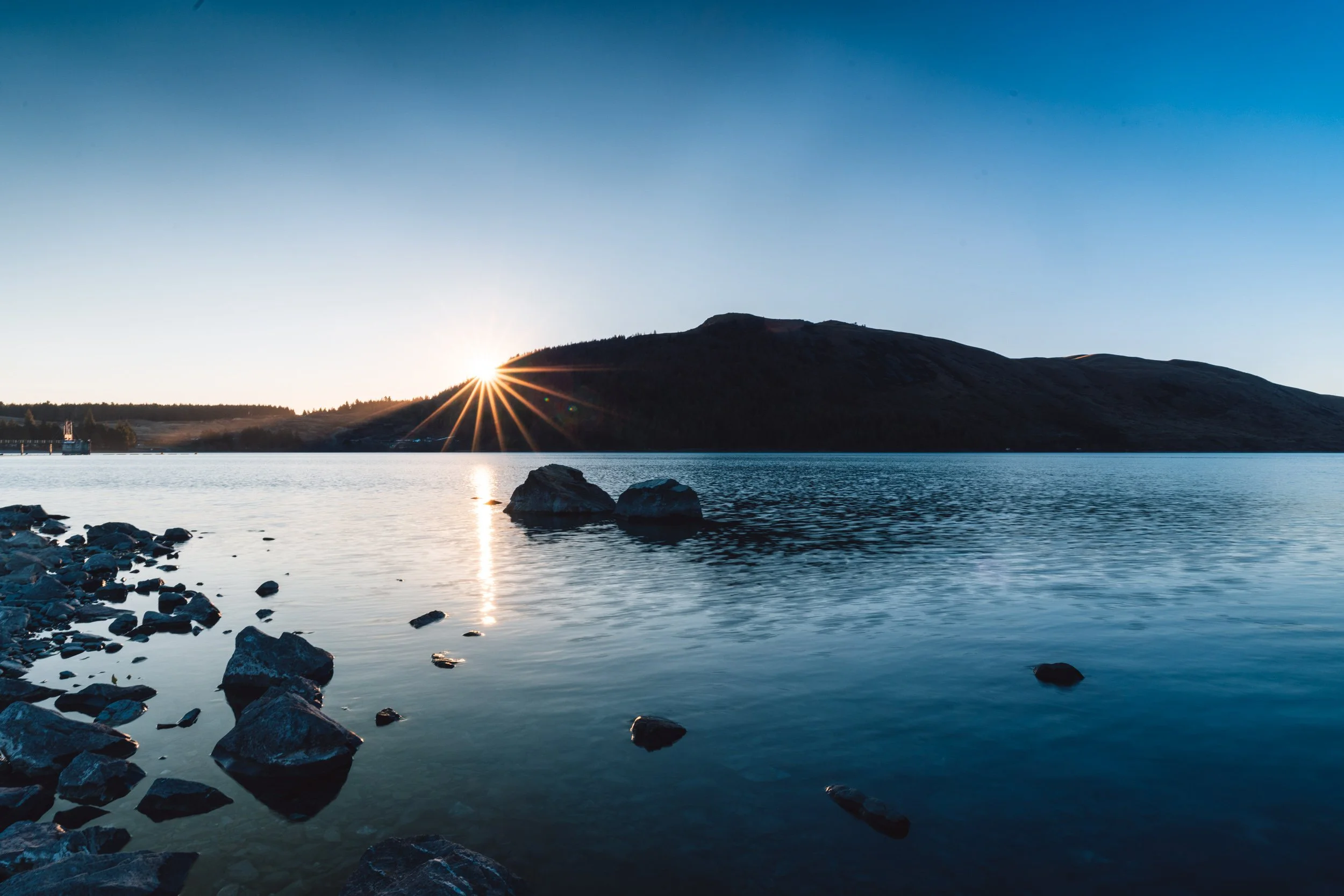
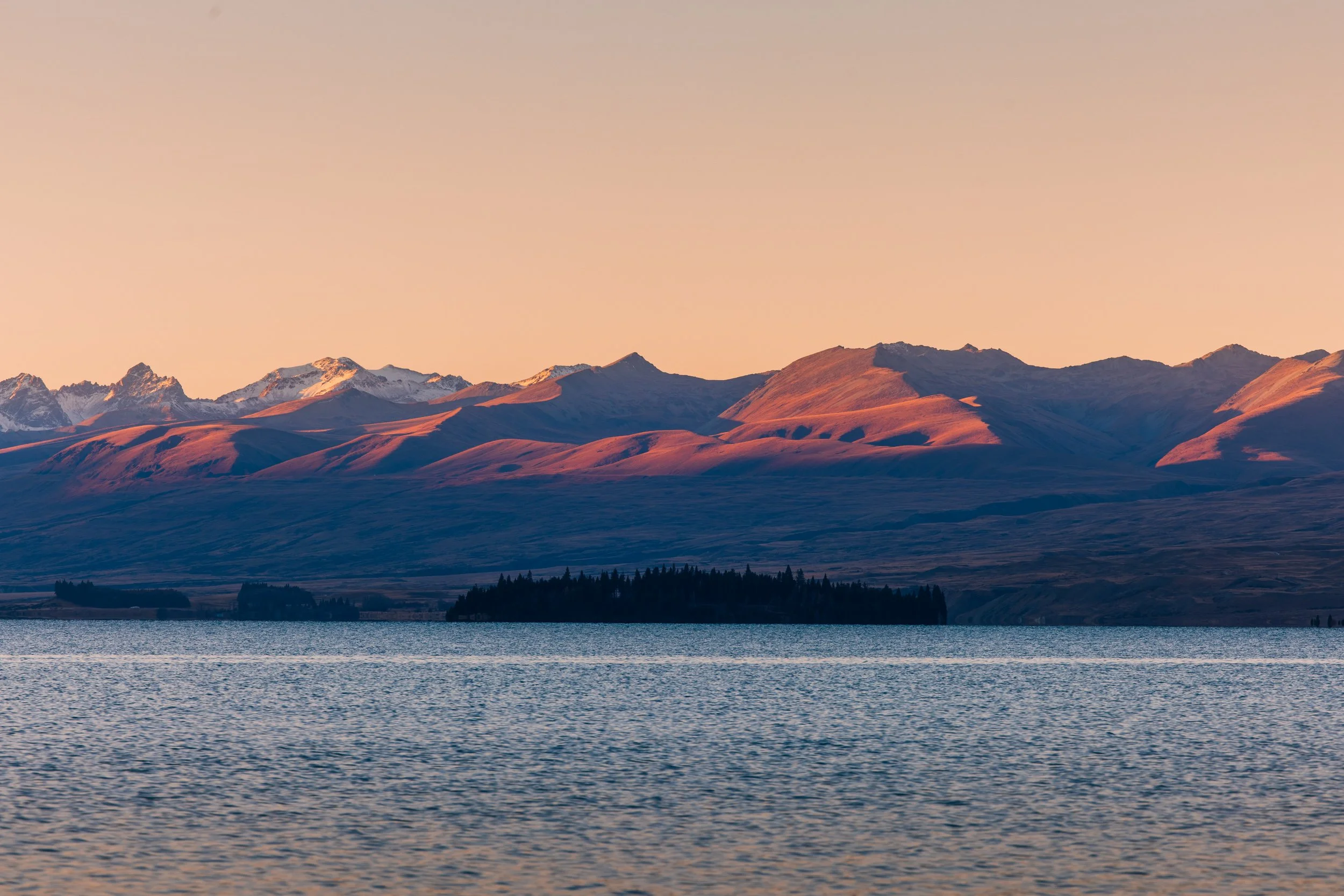
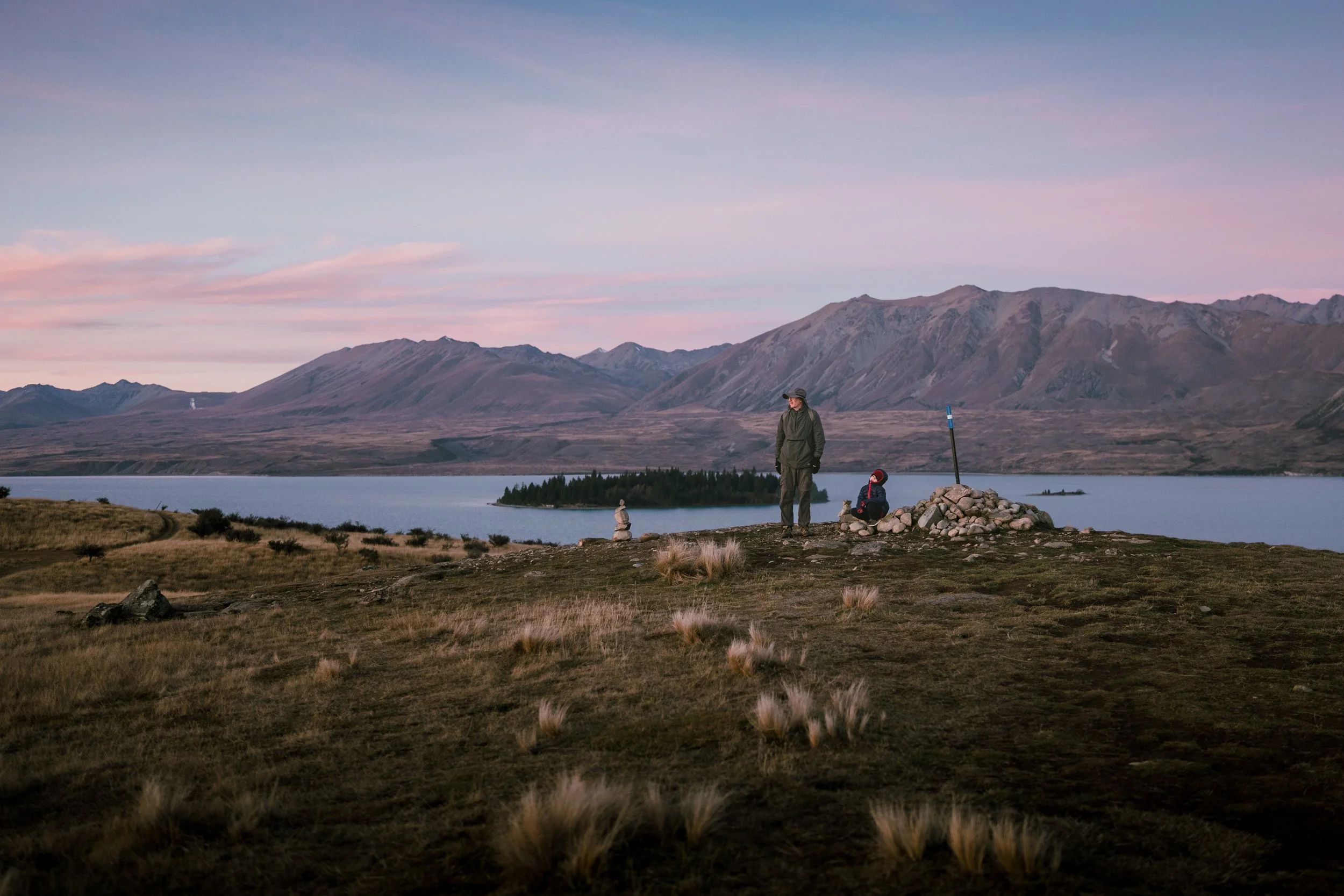
The days that followed became a blur of calls, messages and decisions from the other side of the world.
I normally process my travel photographs on the same day I take them, but it took me much longer to return to the images from Lake Tekapo. The experience had become connected to something we didn’t expect.
Eventually, I went through them again and rediscovered the beauty that had been unfolding around us that evening.
Sometimes photographs preserve more than the visible scene. They also hold the emotions and circumstances surrounding the moment they were made.
Church of the Good Shepherd
The Church of the Good Shepherd is one of the most recognizable landmarks in Lake Tekapo.
During our visit, part of the church was covered in scaffolding.
That was not the view I had imagined when planning to photograph the Milky Way here, but travel rarely presents a perfectly prepared scene.
I returned after dark and worked with the conditions rather than abandoning the idea completely.
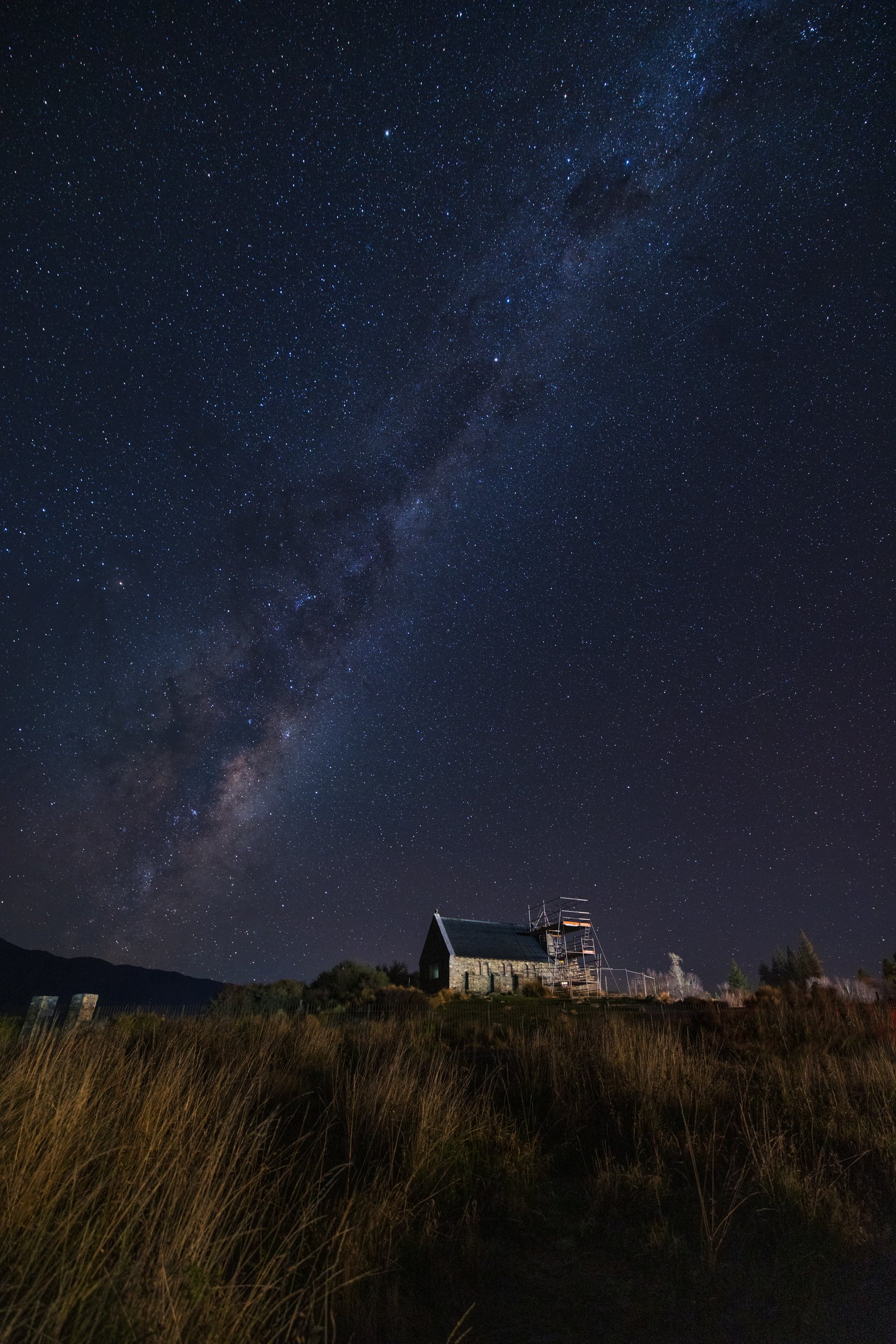
The scaffolding may not have belonged in the classic photograph, but it became part of our version of Lake Tekapo - the place as it actually looked when we were there.
I signed up a stargazing tour with my 11 yo one evening. Apart from the Southern Cross, South Celestial Pole, the Pointers, and some other stars we observed through telescopes, we also got a complimentary photo under the stars. Surprisingly, southern lights appeared in the same frame. If you ever travel to Lake Tekapo, we’d highly recommend booking a special evening with Chameleon Stargazing.
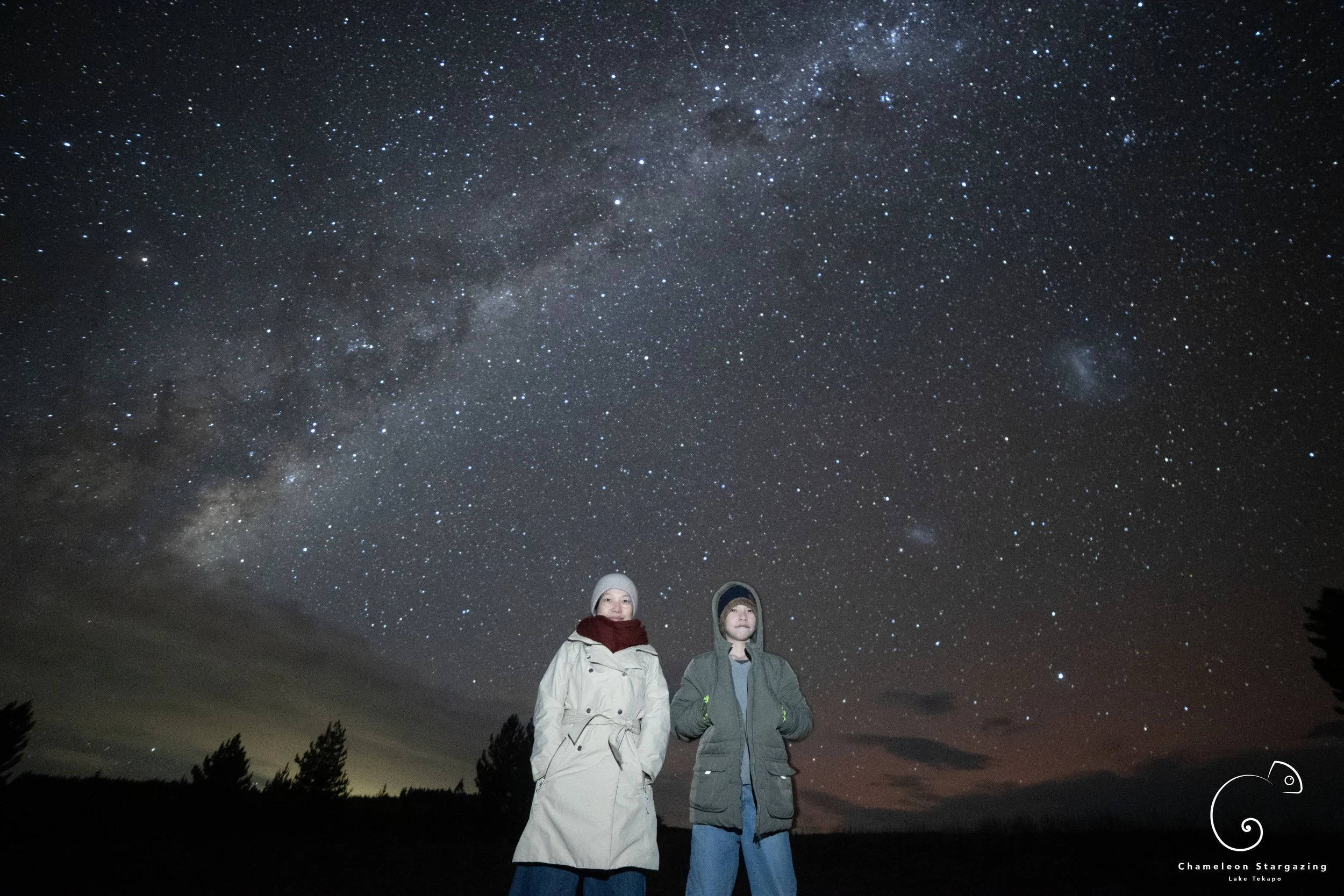
Complimentary photo from Chameleon Stargazing
Photographing the Trip We Actually Had
This section of our South Island road trip was built around ambitious photography plans: waterfalls, coastlines, sunrise, the Milky Way and the Southern Lights.
Some plans worked beautifully. Others were changed by rain, clouds, scaffolding or personal circumstances unfolding thousands of miles away.
Yet those imperfections did not make the journey less meaningful.
Nugget Point gave us one unforgettable sunrise. The Milky Way appeared above our Kaka Point accommodation. The Southern Lights showed themselves quietly over Twizel. The boys bounced on a trampoline beneath the mountains. And Lake Tekapo remained beautiful even during one of the most shocking moments of our trip.
Travel photography is not about documenting the journey exactly as it was imagined.
It is about noticing and preserving the journey that actually happened.
From Lake Tekapo, we continued to Christchurch, where I attempted a little street photography at the Lyttelton Farmers’ Market. We then made a six-hour round-trip drive to Kaikōura for one of the most extraordinary whale-watching experiences of our lives.
In case you are curious about the photography gear I’ve used for our New Zealand trip, and why I used them, check out my video.
You May Also Like
👉 Part 1 of our New Zealand South Island road trip - covering Arrowtown → Wānaka → Queenstown → Glenorchy → Te Anau → Milford Sound
👉 The final part of our New Zealand series will continue through Christchurch → Lyttelton → Kaikōura → Auckland → Waiheke Island and Rangitoto Island
Pin it 👇
You may also love…


The final part of our New Zealand journey covers Christchurch, Lyttelton Farmers’ Market, Kaikōura whale watching, Auckland, Waiheke Island, and Rangitoto Island.