
If You Get Only A Few Great Travel Shots By Luck. Do This.
Have you ever come back from a trip with hundreds - or even thousands - of photos, but only a few feel as special as the moments you experienced?
You were in incredible places.
The experience felt amazing.
But somehow, your photos don’t reflect that.
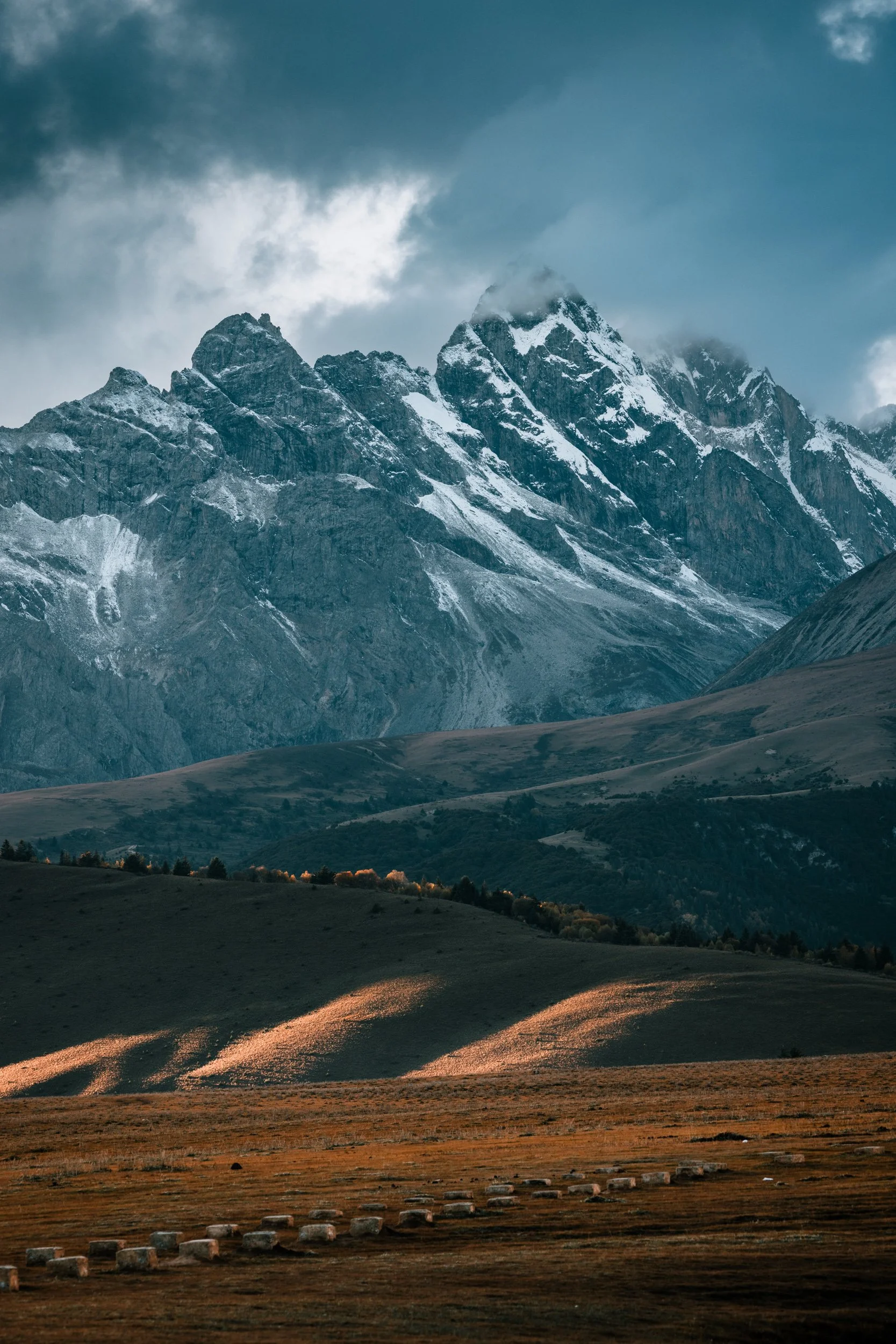
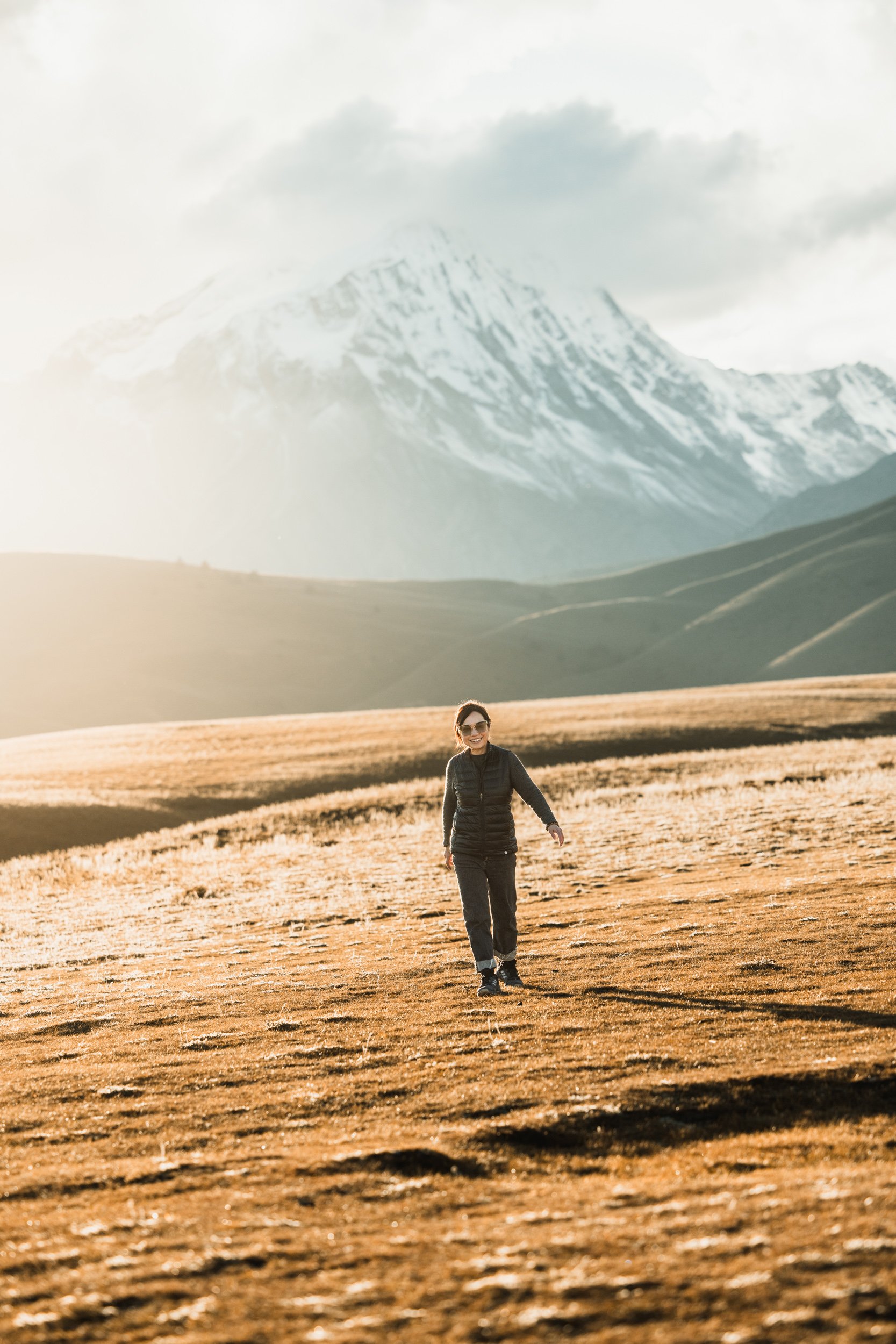
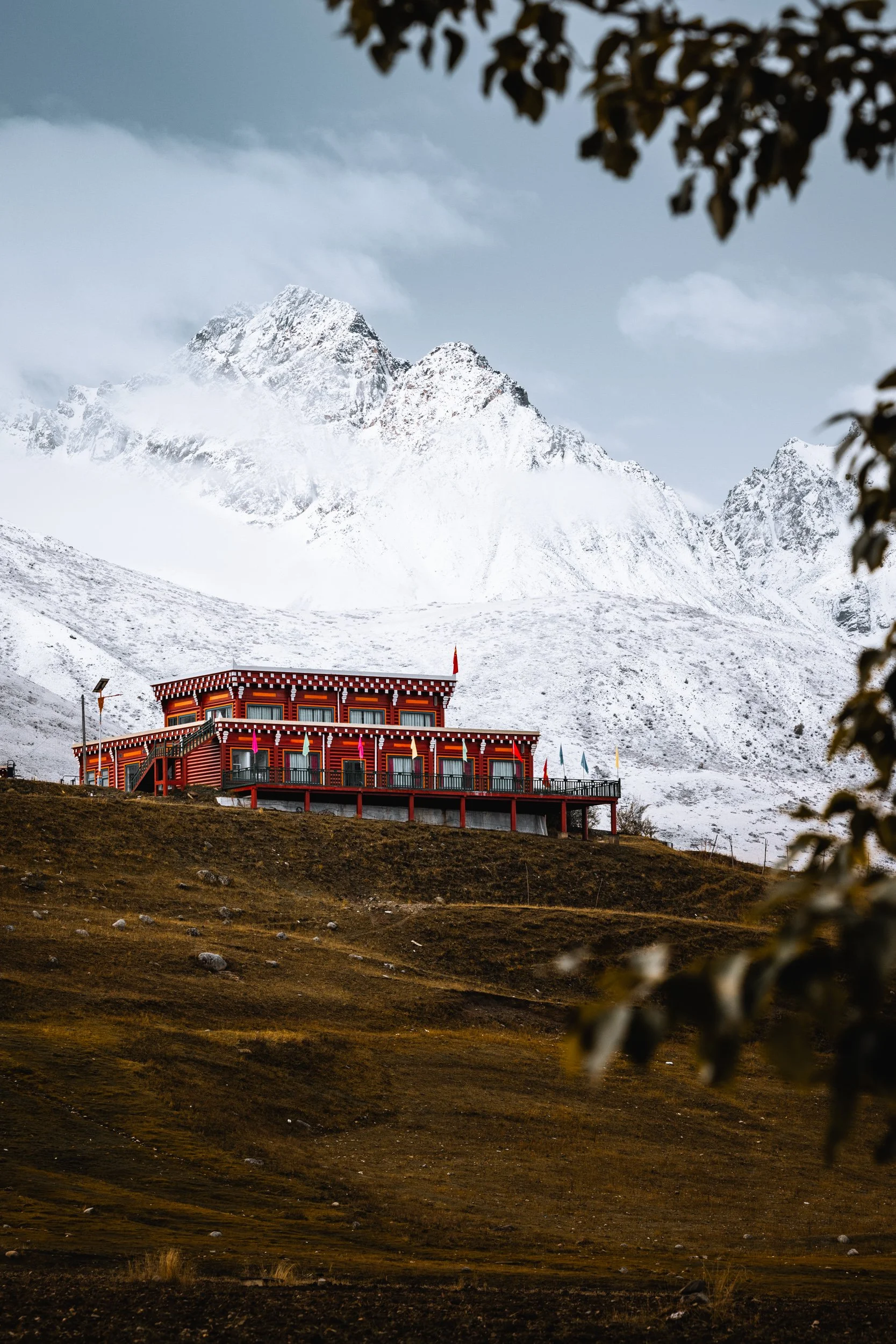
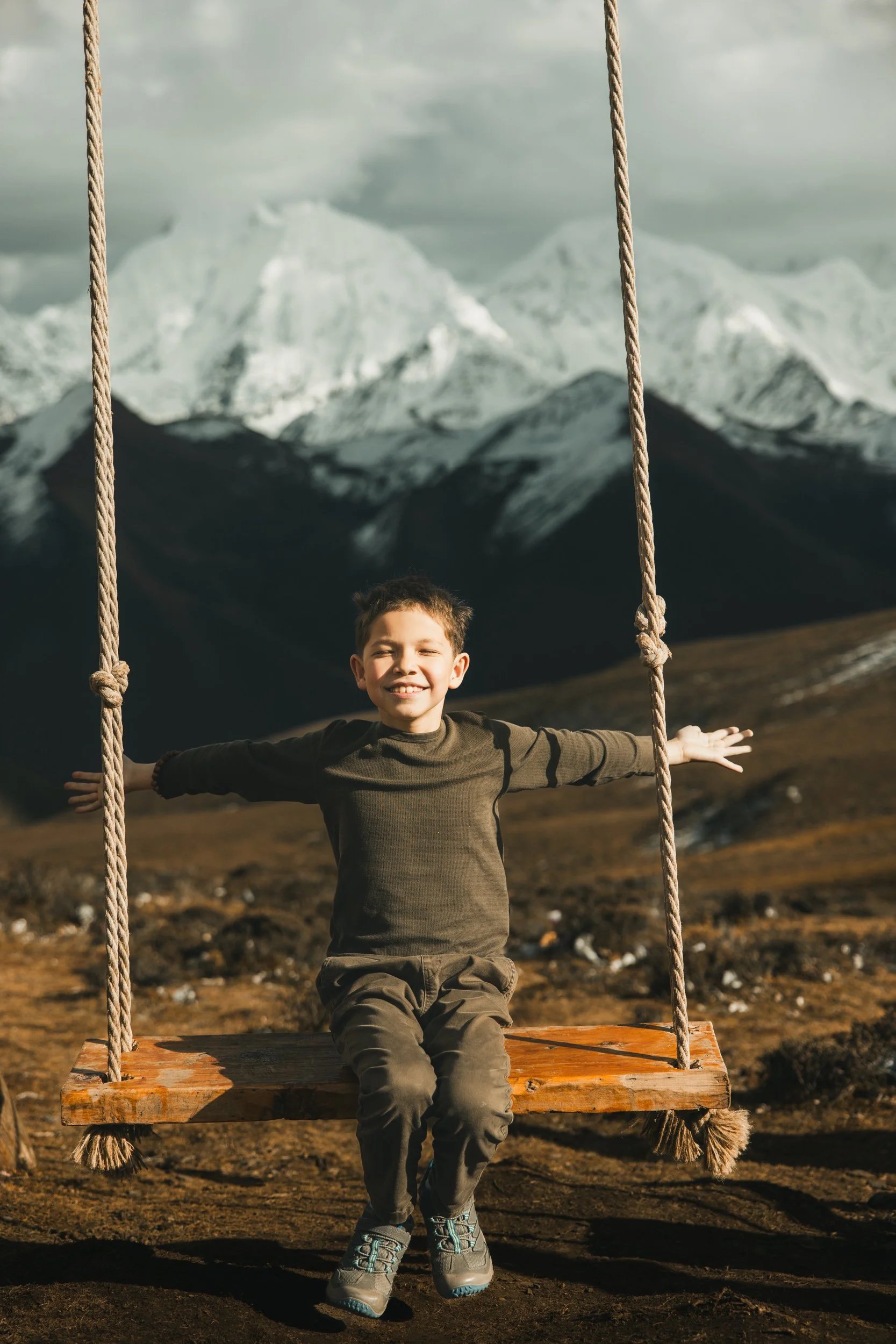
This doesn’t happen because of bad gear or lack of technical knowledge.
More often, it comes down to decisions - decisions made before and during your trip.
In this post, I’ll walk you through a few common mistakes and, more importantly, how you can approach your travel photography more intentionally to get results you’re truly proud of.
Mistake 1: You Didn’t Plan Your Itinerary Around Photography
Travel photography is different from everyday photography.
You’re often visiting places you may only see once in your lifetime, and the subjects you want to photograph aren’t something you can easily repeat.
So if photography matters to you, some level of planning becomes essential.
When I plan a trip, I’m not just planning where to go.
I’m planning what kind of photos are even possible - and based on that, what I should prioritize.
A simple way to approach this is to categorize your photo goals into three categories:
1. Most important (must-have)
These are your dream shots - subjects that require specific timing and location.

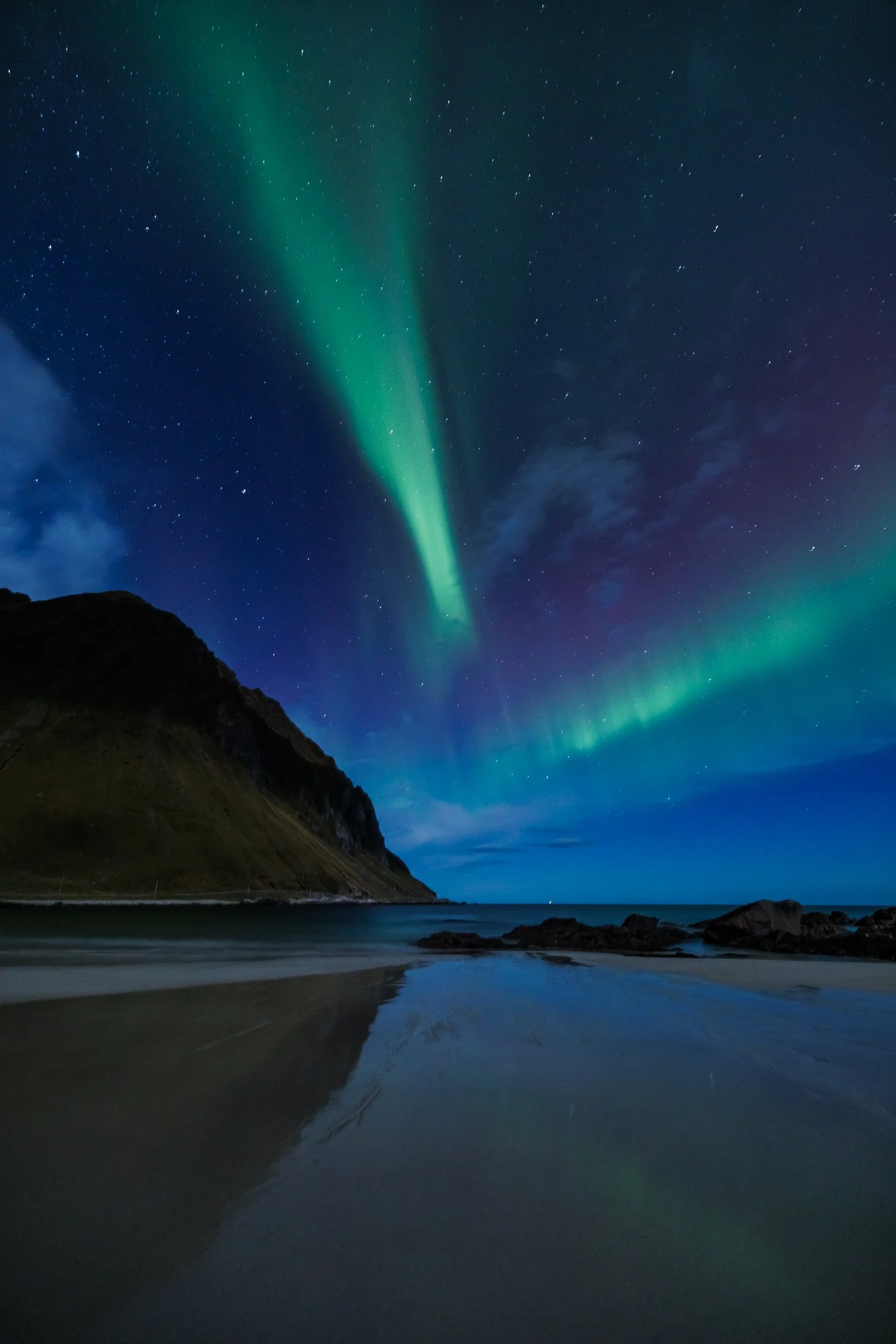
For example, on my upcoming New Zealand trip, one of my priorities is photographing southern lights. This requires:
being in the right part of the country
going during the right season
aligning with the right moon phase
That makes both timing and location non-negotiable.
Instead of leaving it to chance, I plan the route so I’ll be in places like Catlins Coast around the new moon, maximizing my chances of capturing it.
2. Nice to have
These are subjects you’d love to capture, but they’re not critical.
For example, I looked into fall colors in New Zealand. Through research, I found that peak color in places like Arrowtown happens earlier than when I’ll be there.

Bergen Fall Colors - click to read more about my Bergen trip and favorite photo spots
So I know:
fall colors may still appear
but they’re not reliable enough to prioritize over other goals
When there’s a conflict, I choose what gives me the highest probability of success.
3. Easy to Have
These are opportunities where location matters more than timing.
For example, whale watching in Kaikoura has a very high success rate. That means I can fit it into my schedule more flexibly.
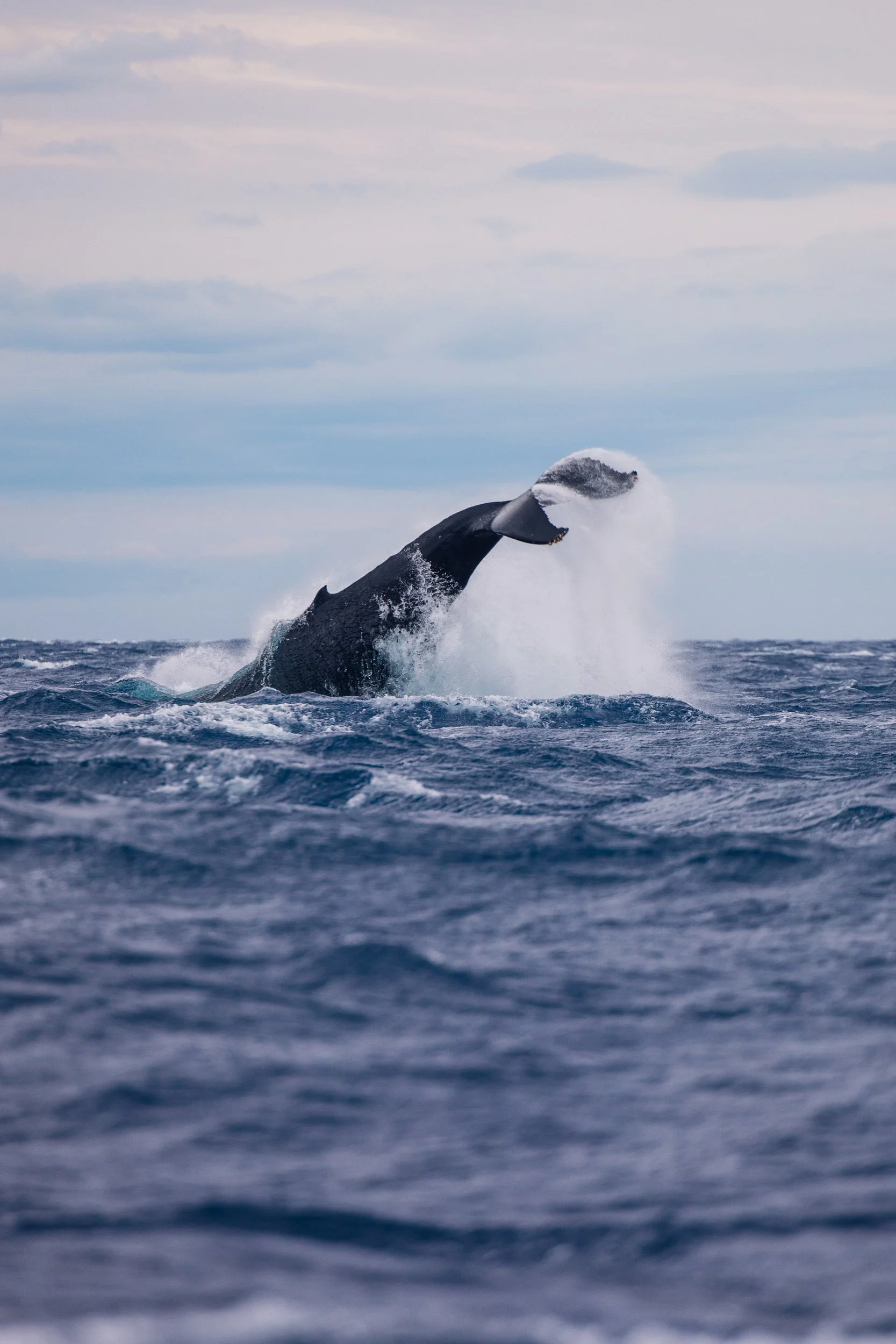
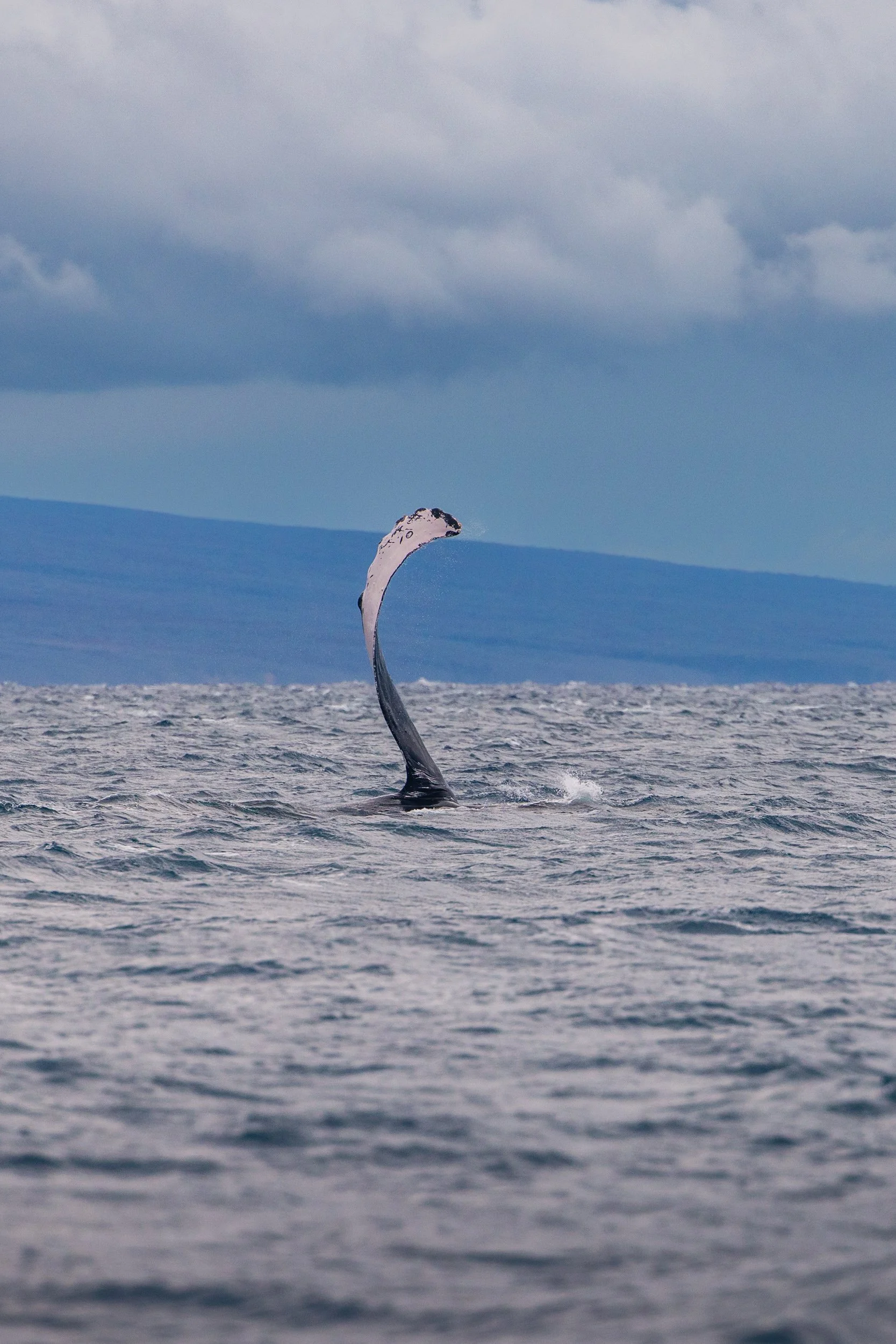
If you enjoy photographing a variety of subjects—people, places, and everyday moments - you can apply this same thinking to any trip.
You’re not just planning your itinerary. You’re planning your photo opportunities.
And once you do that, your chances of getting strong travel photos increase significantly - even before your trip begins.
Mistake 2: You’re Not Looking for Unique Shots
Even if you plan well and arrive at the right place at the right time, your photos can still feel disappointing.
Why? Because they look like everyone else’s.
1. Change Your Composition
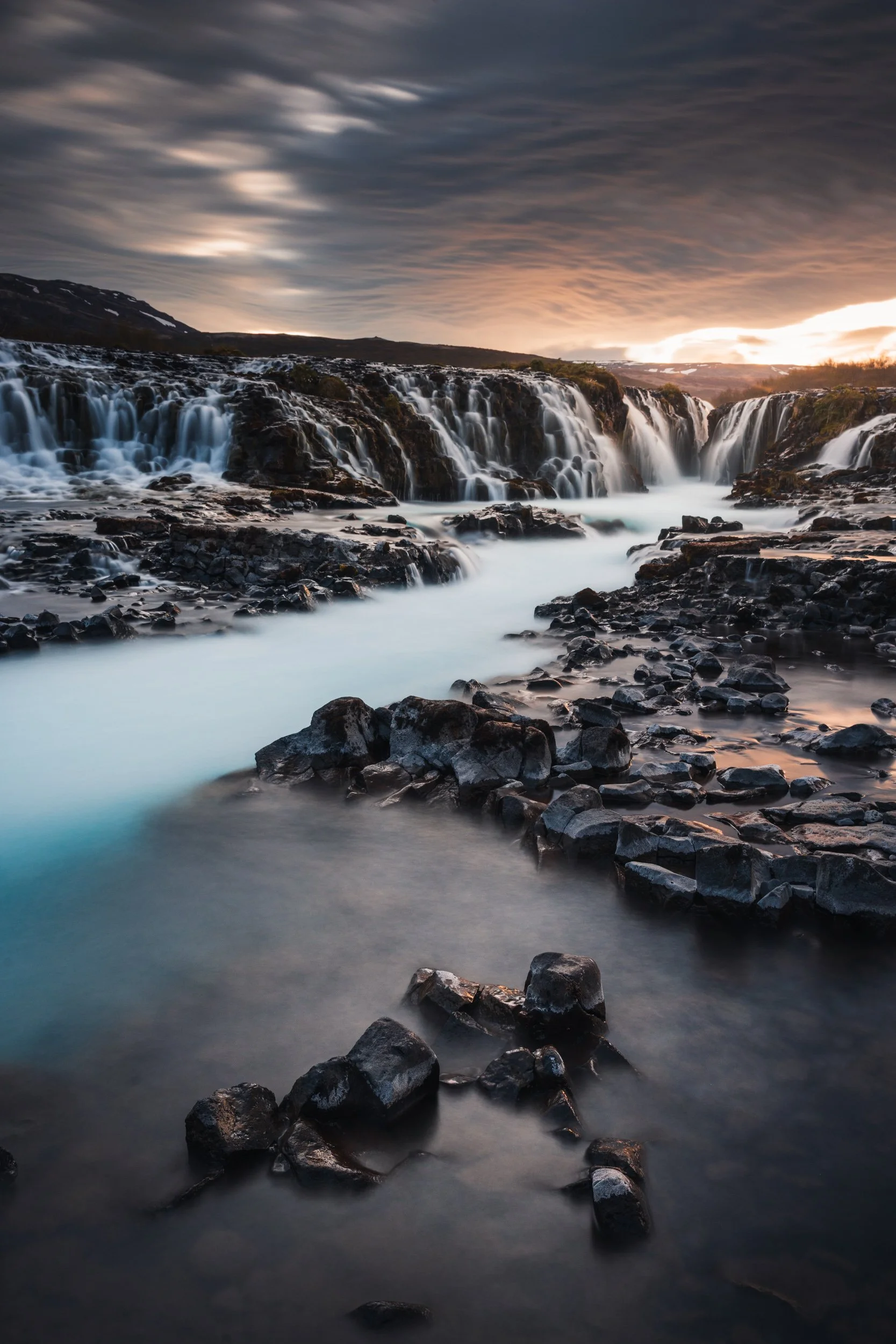
Let’s take Bruarfoss in Iceland as an example.
When I visited recently, there were people lined up on a bridge with tripods, all capturing the same composition. It’s a great view - but also a very common one.
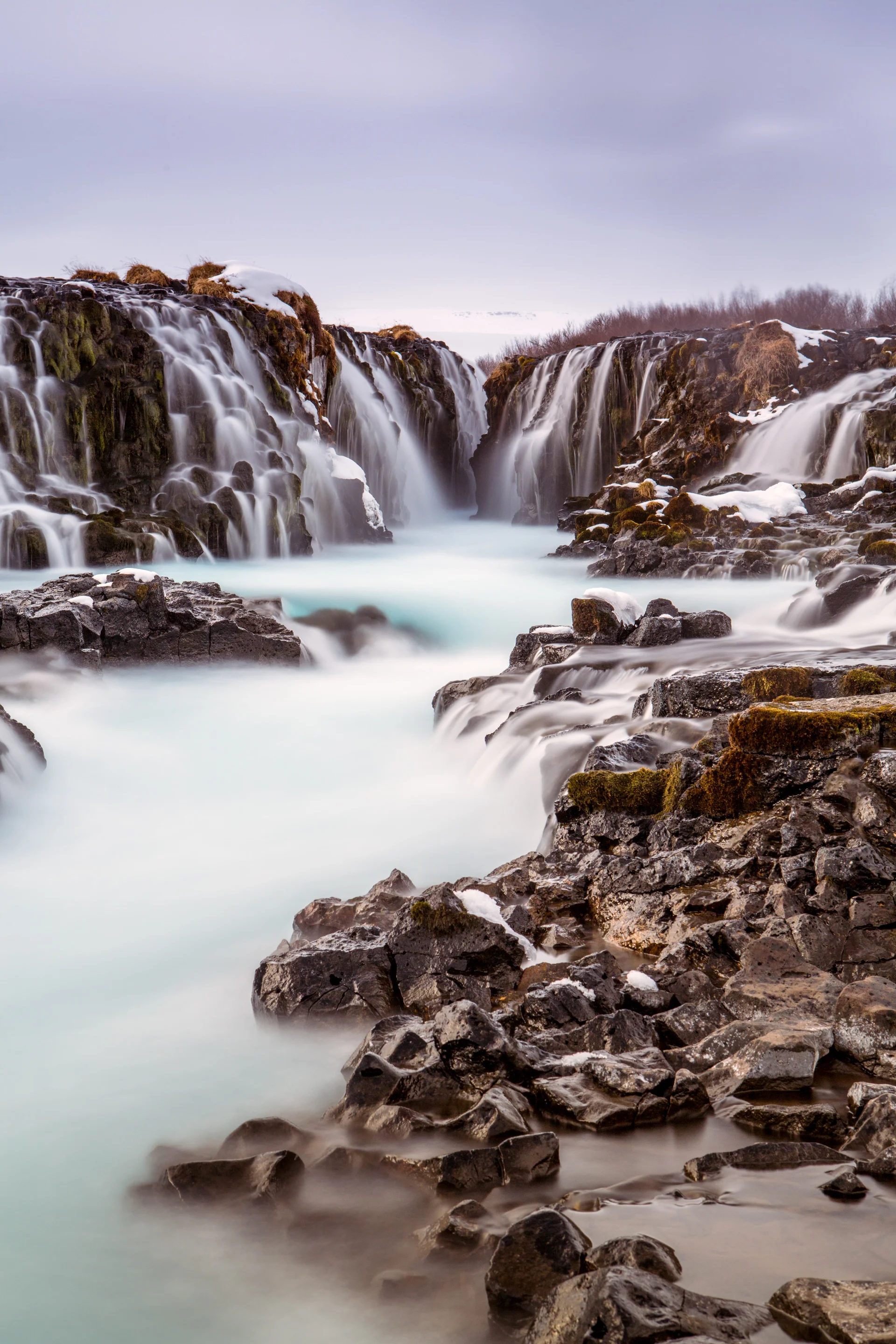
Bruarfoss, Iceland. Photographed in 2014
Instead of staying there, I moved closer to the waterfall and found a different angle.
That small decision created a completely different image.
Want to turn everyday scenes into compelling photos?
Download my FREE Fast-track Composition Challenge pdf guide and learn to see—and capture—beauty wherever you are.

2. Change Your Subject
On that same visit, the light wasn’t ideal. Even during golden hour, clouds blocked the sky, so the landscape lacked color and impact.
Instead of forcing the shot I had planned, I shifted my focus and photographed my kids, using the waterfall as a background.
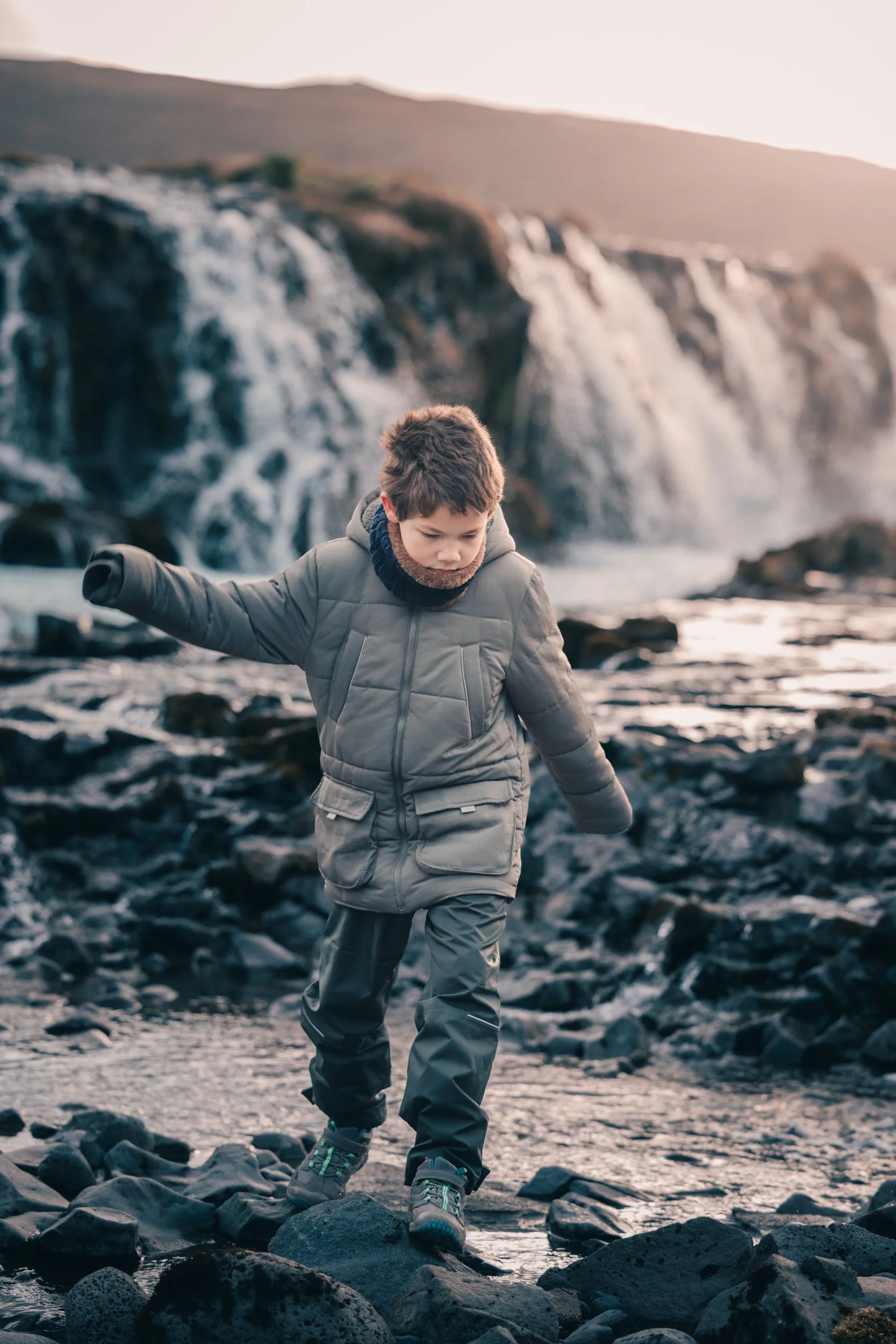
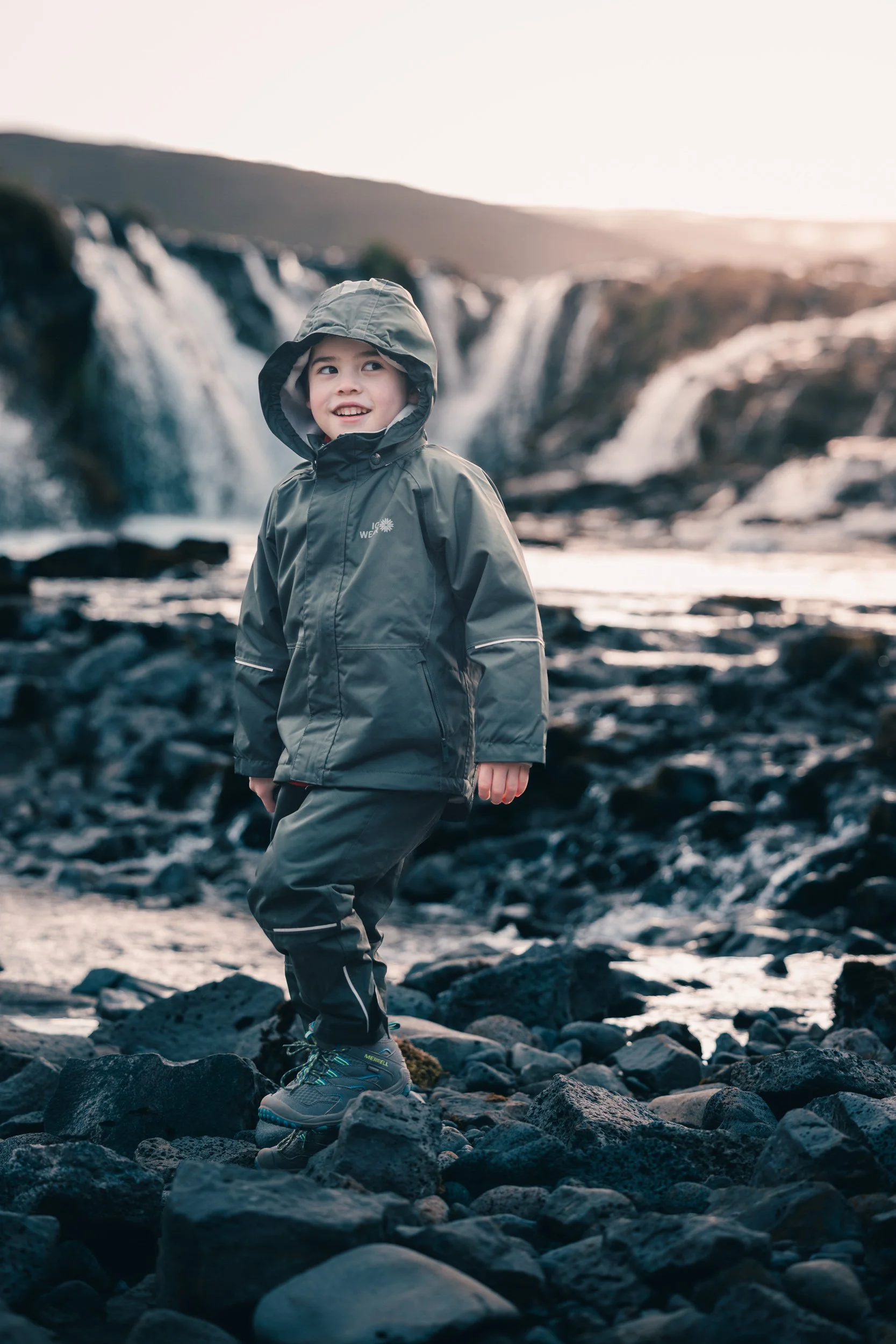
Those photos ended up being much more meaningful.
Sometimes people assume: landscape photos feel more “serious”, family or candid moments are just snapshots.
But over time, what matters most are the moments that carry meaning.
In summary, even with good planning, you still need to:
move beyond the obvious angle
and be willing to shift your subject
This not only avoids repetitive images but also helps you build a more complete visual story of your trip.
Mistake 3: Not Recognizing That Your Standard Is Evolving
Sometimes you feel disappointed with your photos - even ones you used to love.
That’s not a bad thing. In fact, it’s often a sign that you’ve improved. Your standard has changed.
How Your Definition of a “Good Photo” Evolves
When I was younger, a good photo might simply be a snapshot of myself at a landmark.
Later, I focused more on dramatic light - sunrise and sunset shots with strong colors.
When I became a parent, my definition changed again. It was no longer just about a person or a place, but the connection between the two.
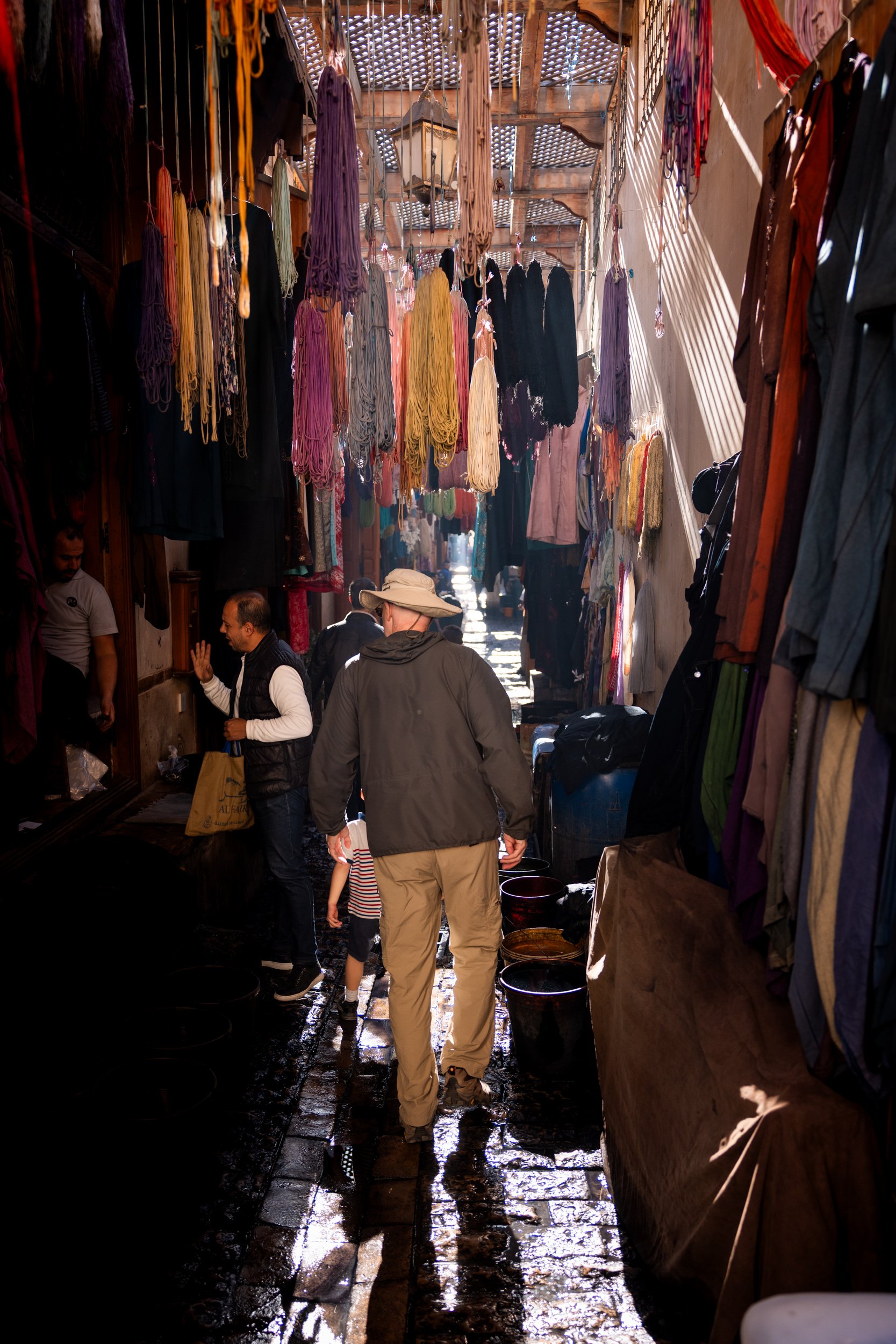
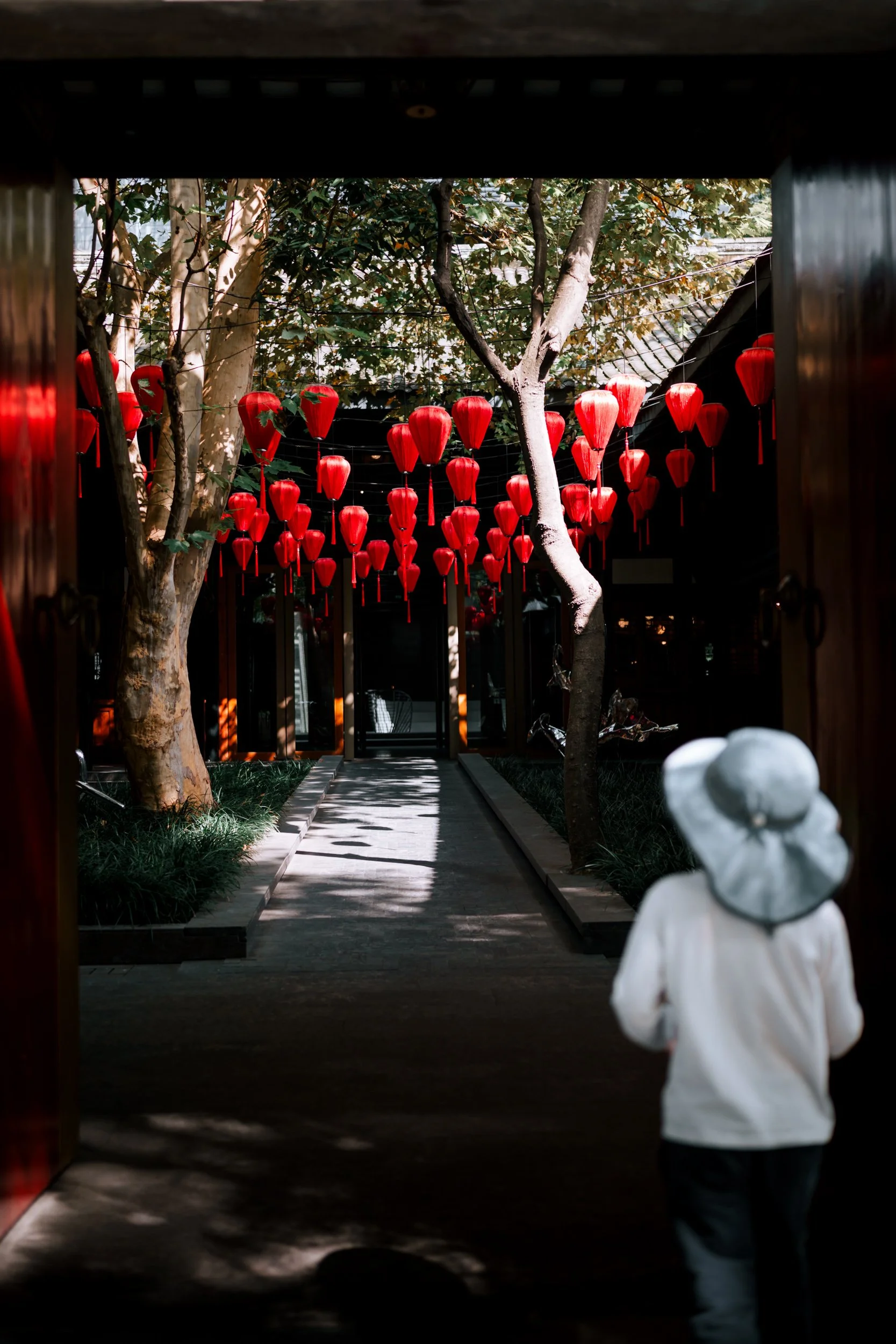
Not just a smile, but real, uninterrupted moments that feel alive.
Growth Comes From Awareness
If you look back at photos you once loved and now feel they are average, that’s not failure.
It means your eye has improved.
Even after more than 20 years of photography, I still revisit older work and see many images I wouldn’t consider strong today.
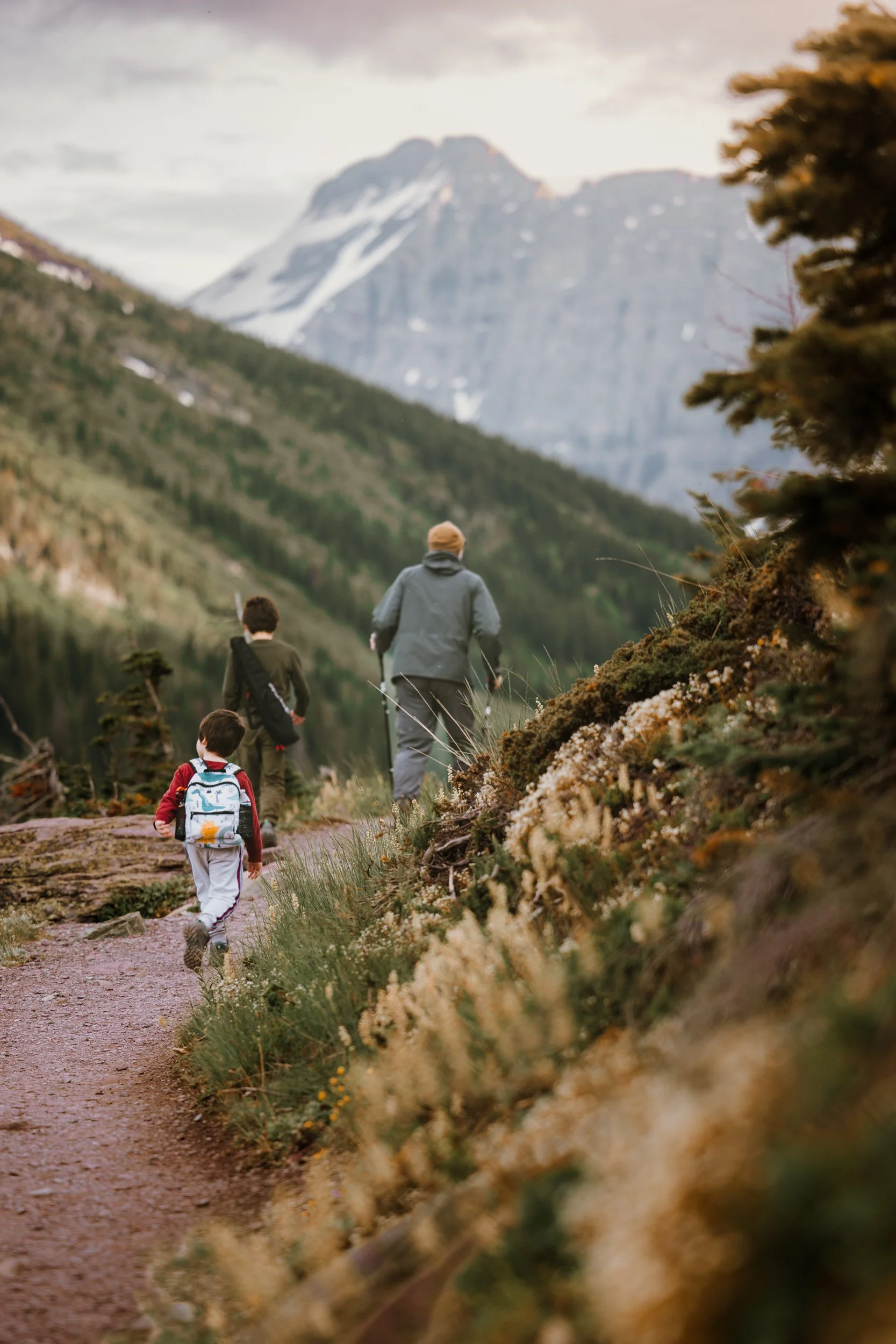
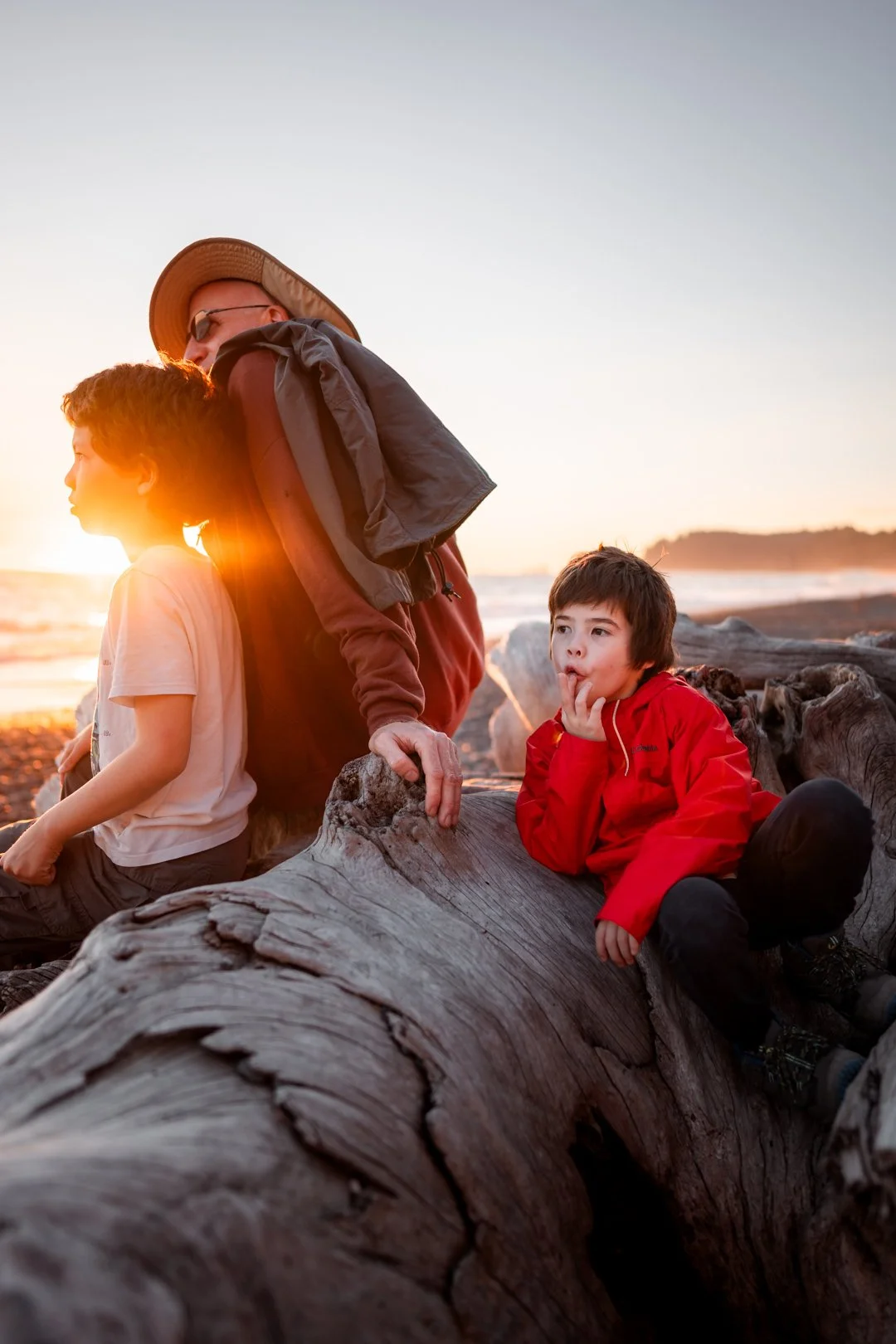
That simply means my standard is higher.
A Simple Exercise to Improve Faster
To turn that awareness into progress, try this:
Pick 3–5 of your favorite photos from the past 6 months and ask:
Was I there in the right season?
Was I there at the best time of day?
If I return, how would I plan differently?
Is there a better angle or subject that could tell a fuller story?
This connects directly back to everything we discussed:
planning with intention
making better decisions in the moment
Do this every few months, and you’ll start to see real improvement - not from gear upgrades, but from how you think and shoot.
Summary Thoughts
If your travel photos feel a bit disappointing, it’s rarely about your camera.
It comes down to:
how you plan
how you prioritize
how you adapt
and how you define what a meaningful photo is
Travel photography isn’t about getting every shot right.
It’s about increasing your chances of capturing the moments that truly matter.
If you want a more structured way to approach photography like this, you can explore my course Document Happiness, where I break down a simple, practical system to photograph real-life moments with clarity and confidence.
And if this post resonated with you, I’d love to hear:
Do you plan your photography ahead of a trip - or decide what to shoot on the spot?
Pin it 👇

You may also love…







Explore Seward and the Kenai Peninsula on the second half of our 9-day Alaska road trip in October. From breathtaking northern lights and glaciers in Kenai Fjords National Park to wildlife encounters and scenic coastal drives, discover our favorite photography spots, personal experiences, and travel tips.