
5-Day Maui Itinerary for Photographers (My Favorite Photo & Video Experiences)
Maui is often described as one of the most beautiful islands in Hawaii — but beauty alone doesn’t make a great photography experience.
On our recent 5-day trip to Maui, I focused less on covering every attraction and more on capturing a handful of meaningful moments — balancing still photography on my Canon R5 with cinematic travel footage filmed for my latest YouTube video.
If you’d like to see the full visual story, you can watch it here:
🎥 Insta360 Ace Pro 2 | Cinematic Travel Video Without a Gimbal?
This blog isn’t a complete Maui guide. We were there for less than a week, and I actually spent more time filming than photographing. Instead, these are my five favorite photo and video experiences — the places that stood out most creatively.
1. Haleakalā Sunrise Above the Clouds
There’s a reason photographers wake up at 3 a.m. for Haleakalā National Park.
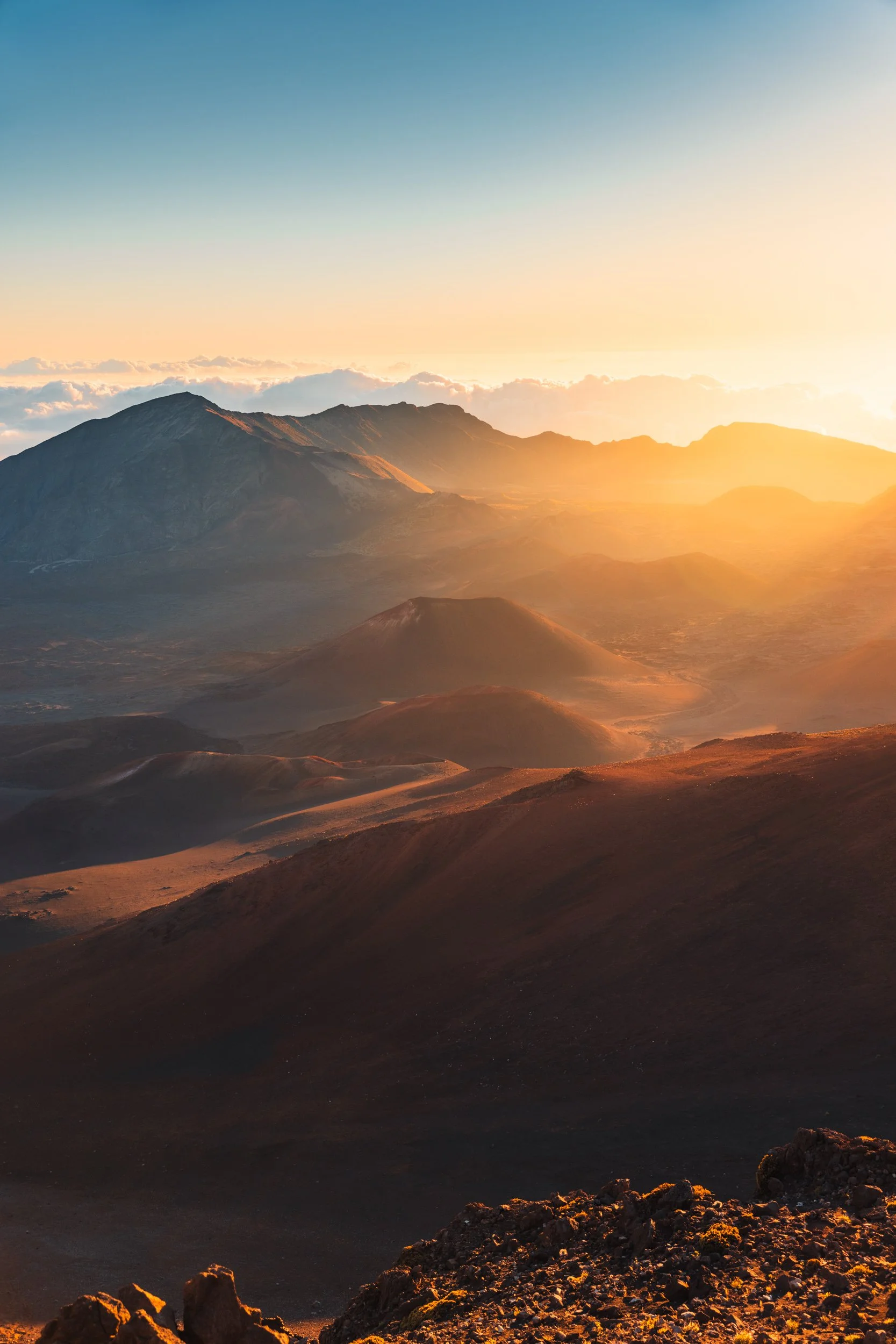
Sunrise at Haleakala National Park, ISO100, 45mm, f3.2, 1/640” handheld
We set out in darkness and arrived about 40 minutes before sunrise, only to find the summit parking already full. With two kids who had somehow left the house without shoes in the pre-dawn darkness, my husband stayed back with them in the car while I explored outside.
There are several vantage points for sunrise at Haleakalā, and each offers a slightly different perspective. The summit viewpoint fills quickly, especially during peak season.
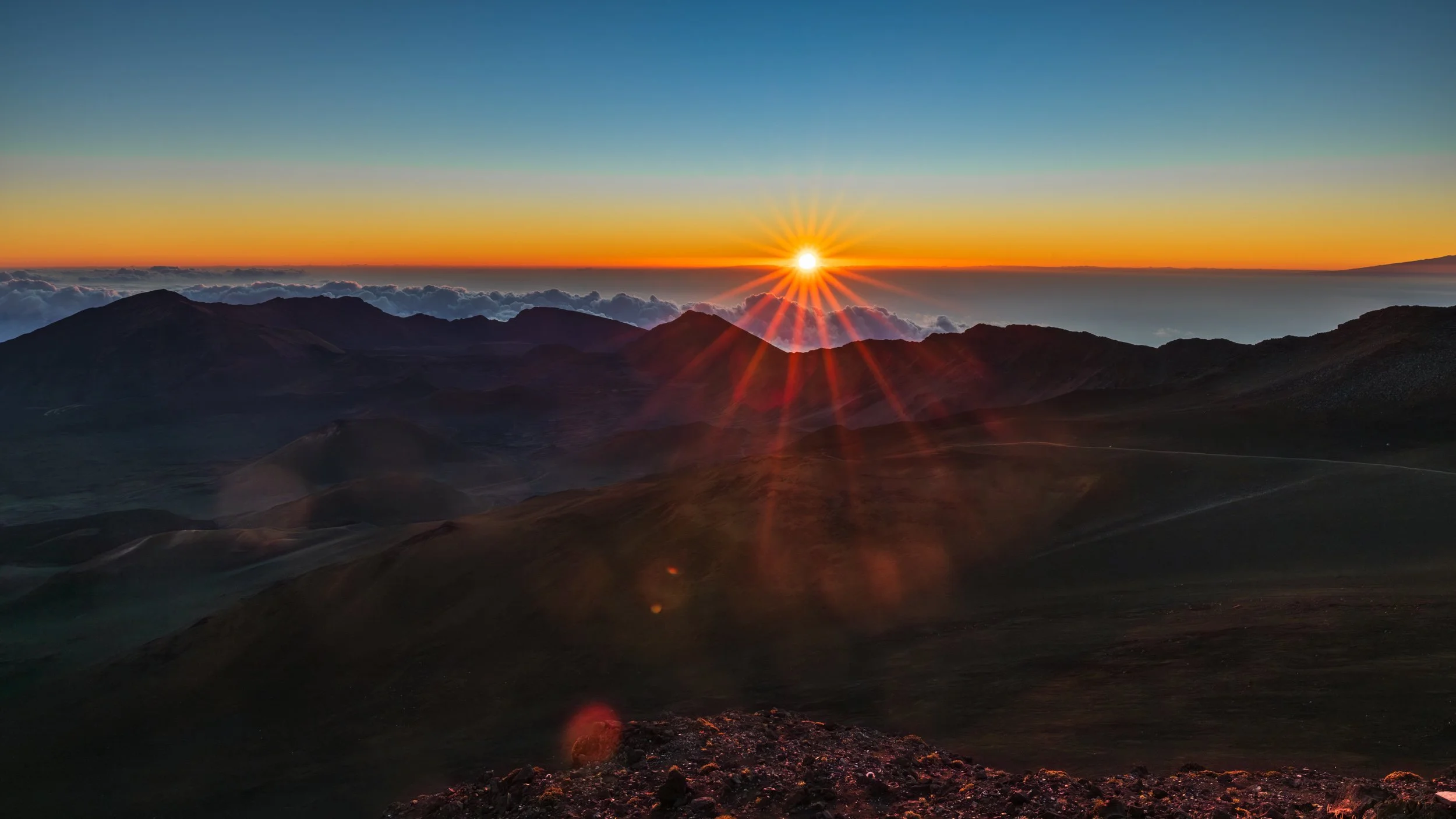
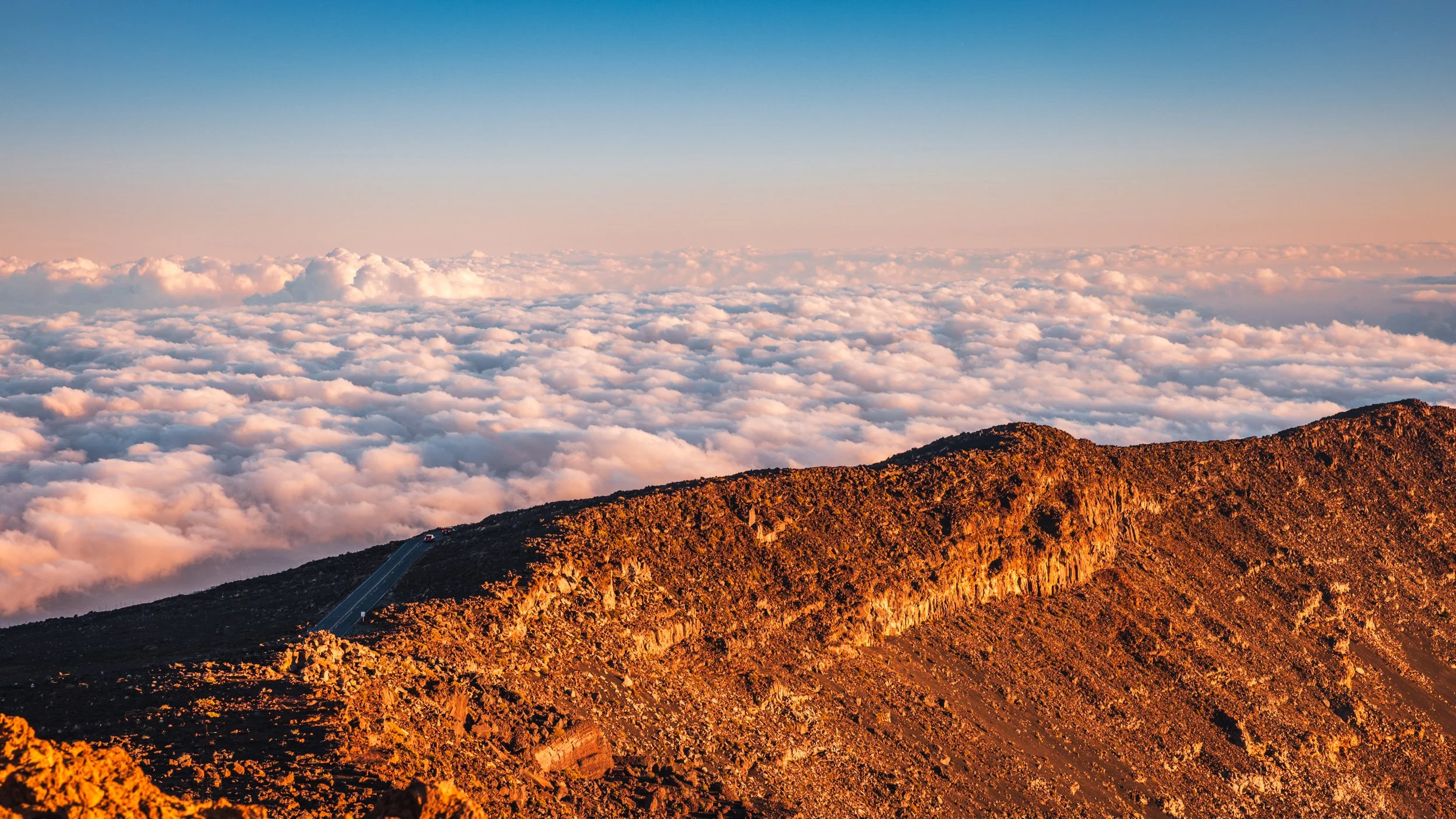
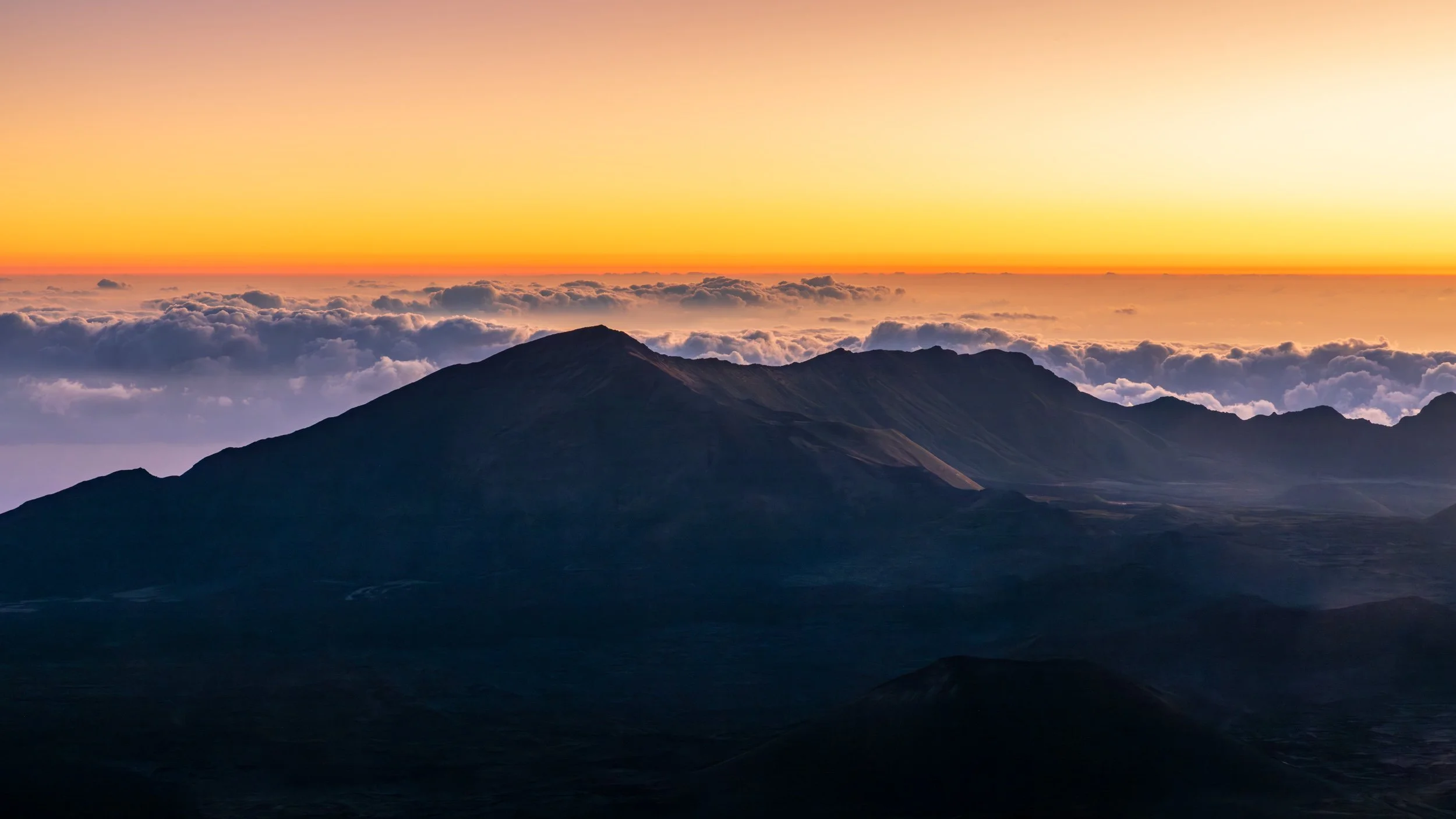
We parked at the larger Haleakalā Visitor Center lot and I made my way up to Pā Kaʻoao Lookout in near darkness — only the second person to arrive. There’s something grounding about hiking up a short volcanic trail before sunrise, setting up gear before the sun peeped through the horizon.
I placed my Canon R5 with the RF 24–70mm f/2.8 on a tripod for a timelapse sequence, anticipating dramatic cloud movement. Ironically, the clouds barely shifted that morning, and the entire sequence looked almost identical frame to frame — a reminder that even “epic” locations don’t guarantee dynamic conditions.
At the same time, I mounted the Insta360 Ace Pro 2 on a small mini tripod and recorded a 7.5-minute video clip, later condensed into a fast-paced sequence in the YouTube video above.
Temperatures were surprisingly cold, and timing matters. You need both parking lot reservation ($1 only but limited spots available from recreation.org website) and national park entrance pass (or annual pass) for sunrise entry.
Despite the harsh daylight Hawaii is known for, sunrise here offers one of the softest, most forgiving windows for landscape photography on the island.
2. Whale Watching — Timing Over Perfection
We had originally signed up for a snorkeling tour with Pride of Maui, along with a separate whale watching tour later that same day. But the weather had other plans. The water was too rough for snorkeling at Molokini Crater, so our snorkeling boat quietly transformed into an unexpected whale watching trip instead.
By the time our scheduled whale tour began, we had already seen whales multiple times — including our first sighting near Peʻahi (Jaws) on the first evening (more detail later).
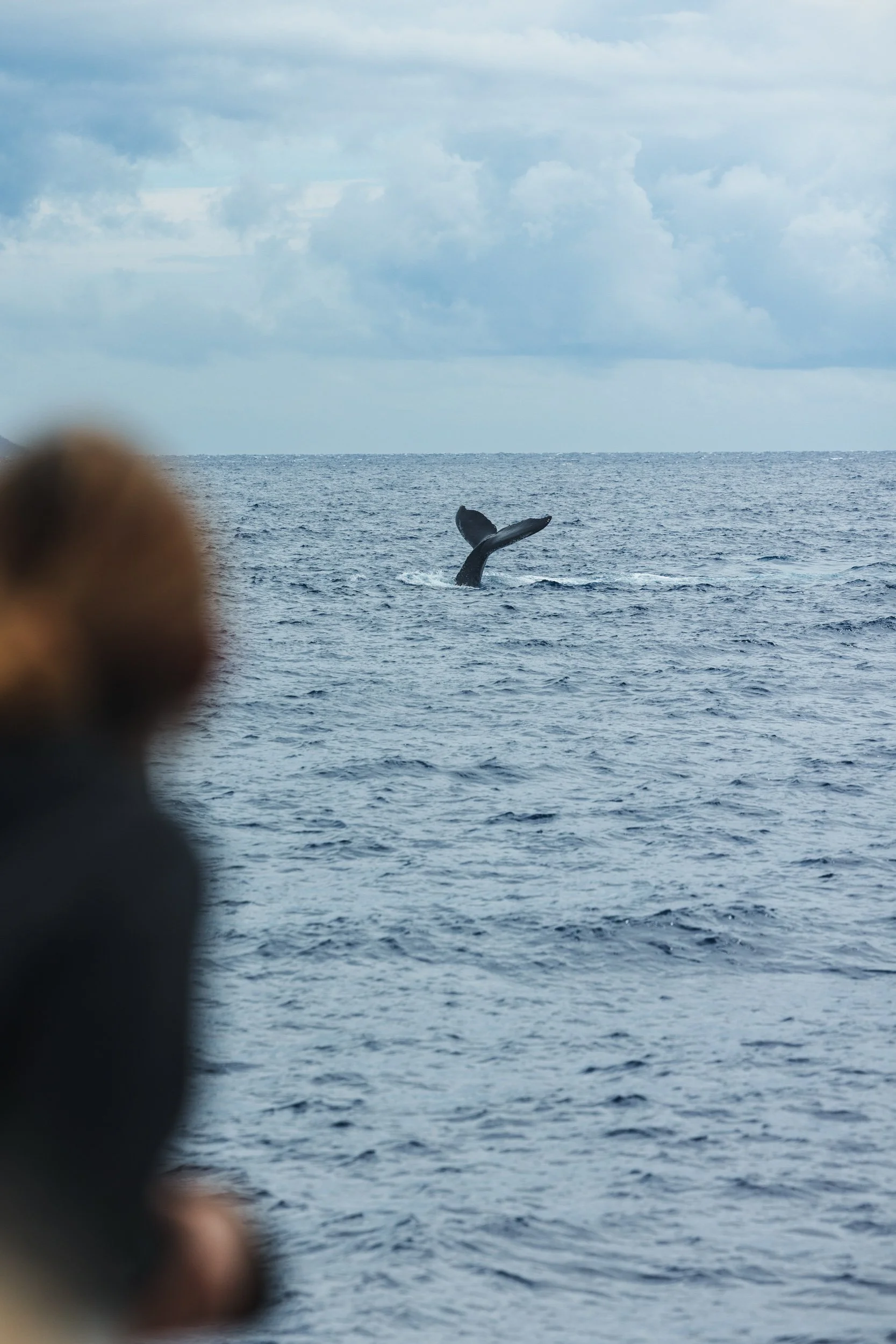
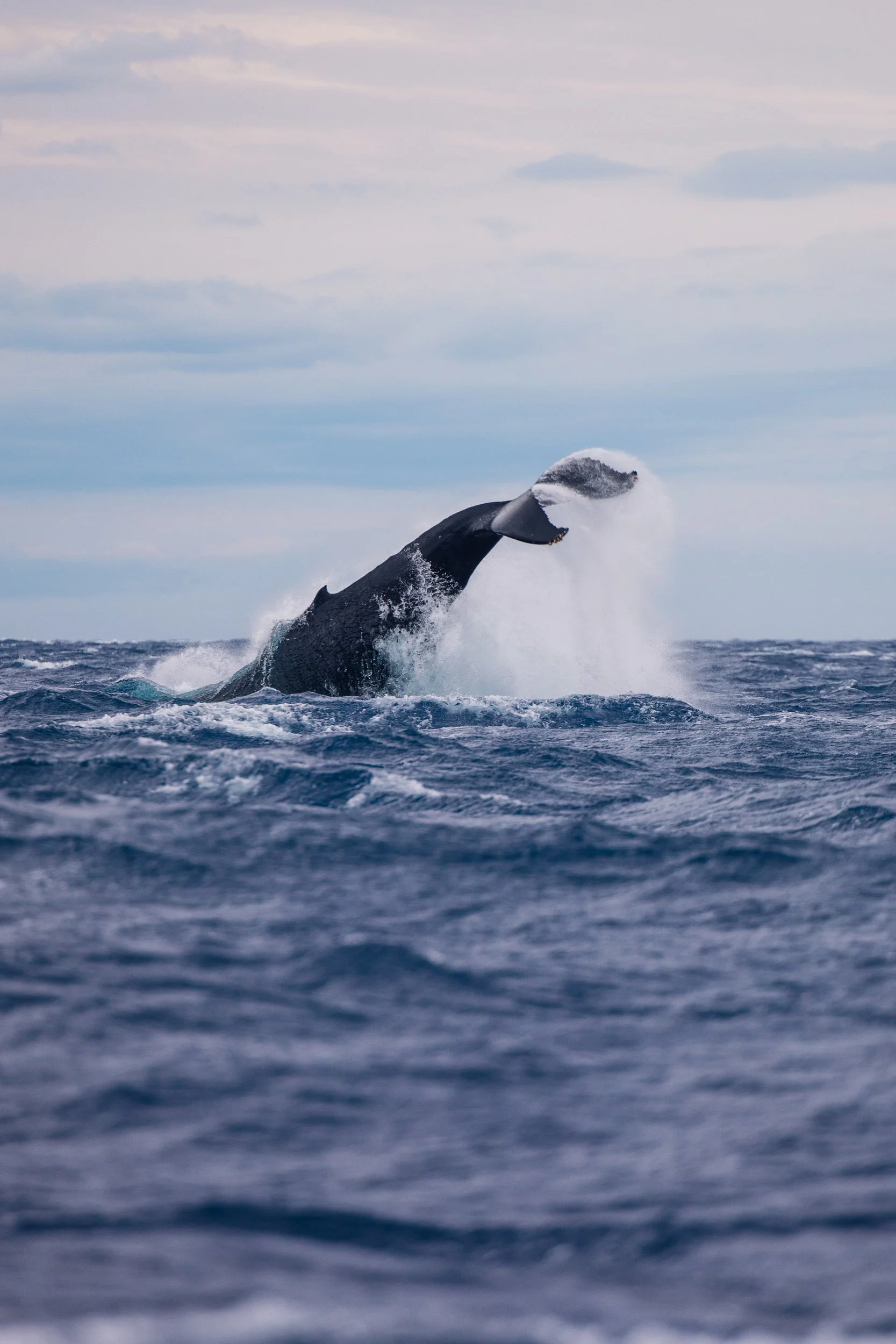
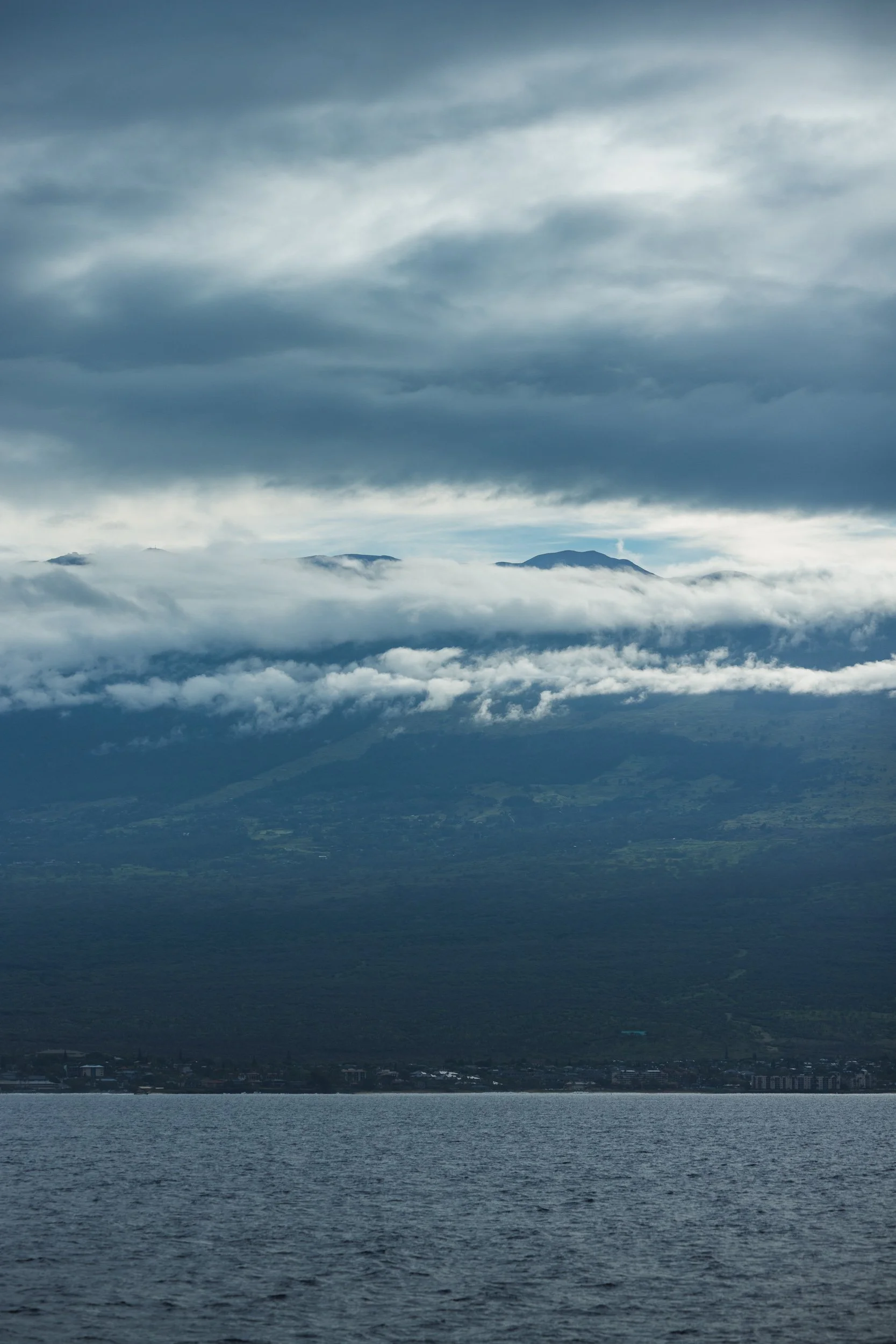
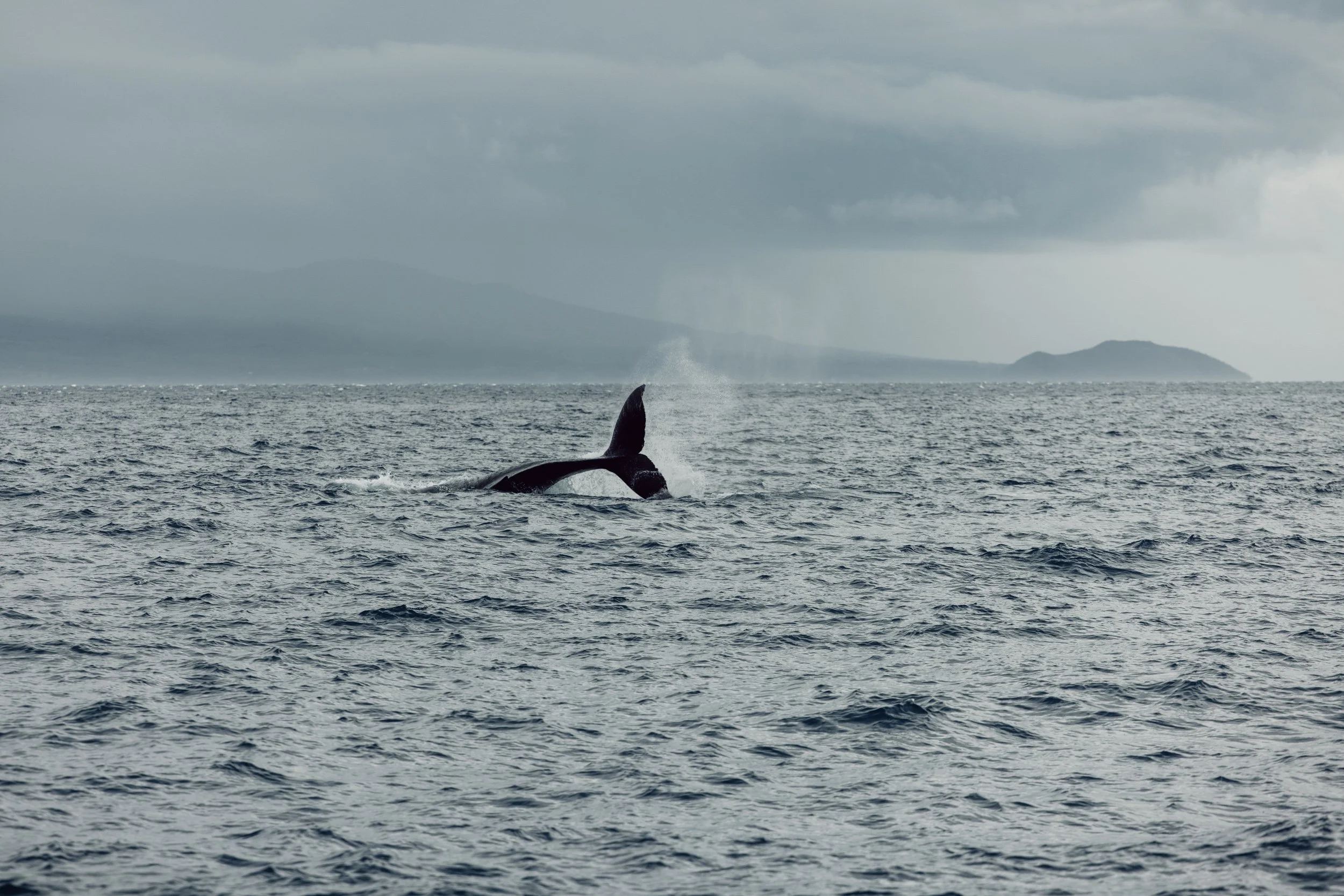
The ocean that day was choppy, with on and off rain drops, the waves crashed hard against the boat, sending heavy splashes across the deck. I wrapped my Canon R5 in a rain jacket from my PGYTECH 30L OnePro Ultralight backpack, trying to balance protection with readiness. I chose to sit in the middle of the boat instead of the front to avoid the worst of the spray — a decision that felt sensible at the time.
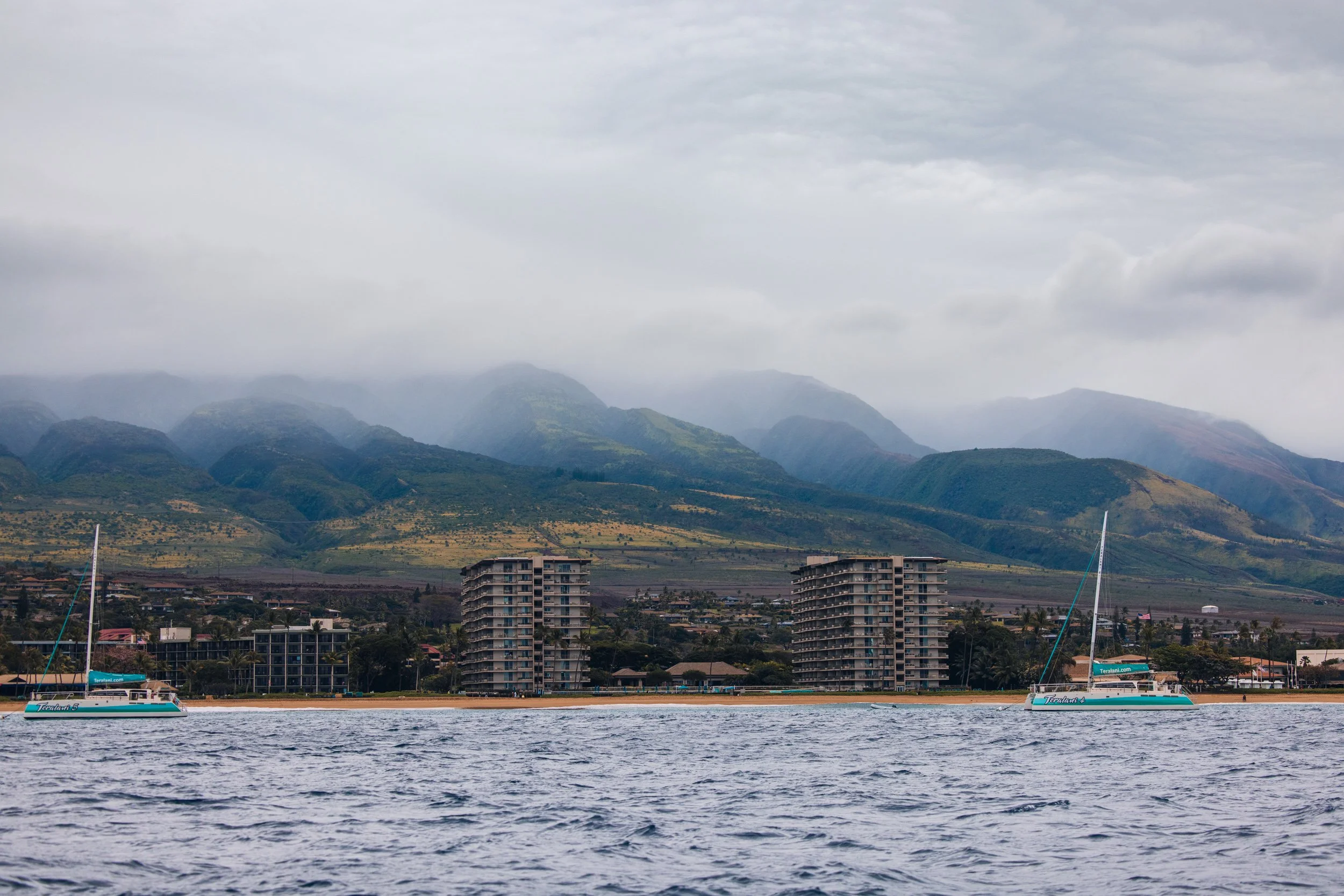
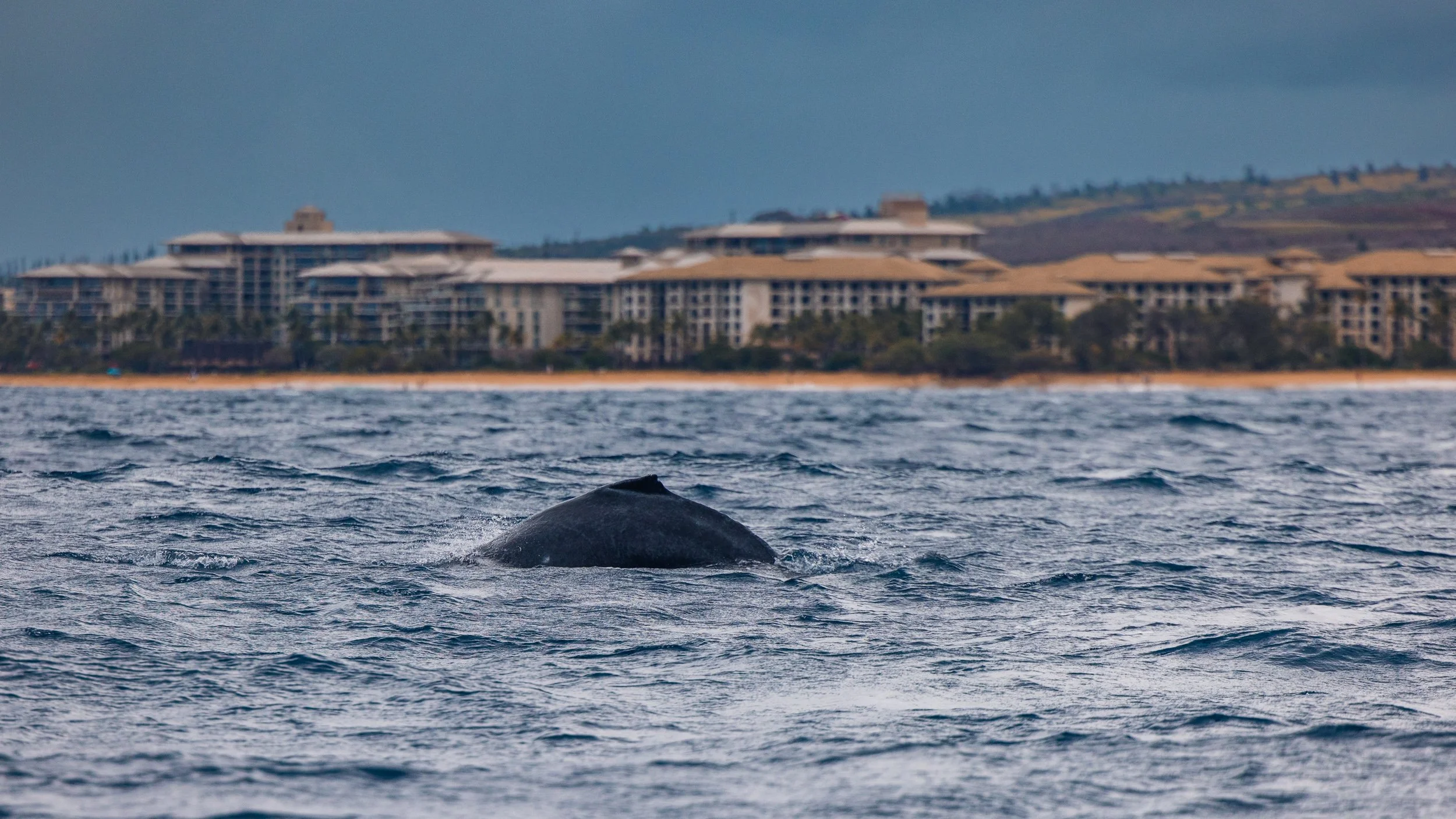
Then it happened. A mother humpback launched into the air in a dramatic breach — at 12 o’clock, where I wasn’t sitting. I saw it, but I didn’t capture it. It was the biggest photographic regret of this trip.
And maybe that’s part of the experience too. Not every moment is meant to be frozen. Some are simply reminders that the ocean, like travel, doesn’t perform on command. If anything, it gave me a reason to return one day.
🎯 Want to Improve Your Composition Faster?
If you enjoy photographing real-world travel moments like these but want to create stronger compositions with more clarity and confidence, I created a free Fast-Track Composition Challenge designed specifically for photographers who don’t have unlimited time.
It’s practical, focused, and built for busy creators.

3. Makena Cove Sunset — Quiet Drama
After our early Haleakalā sunrise, we returned to the house for a short rest before heading back out in the late afternoon. While my older son went snorkeling with friends, my husband and I stayed near Makena Beach with our younger son. It was the first time in a long while that I put on a swimsuit — even after months of living in Hawaii — due to lingering skin and eye issues that had shaped much of the previous year.
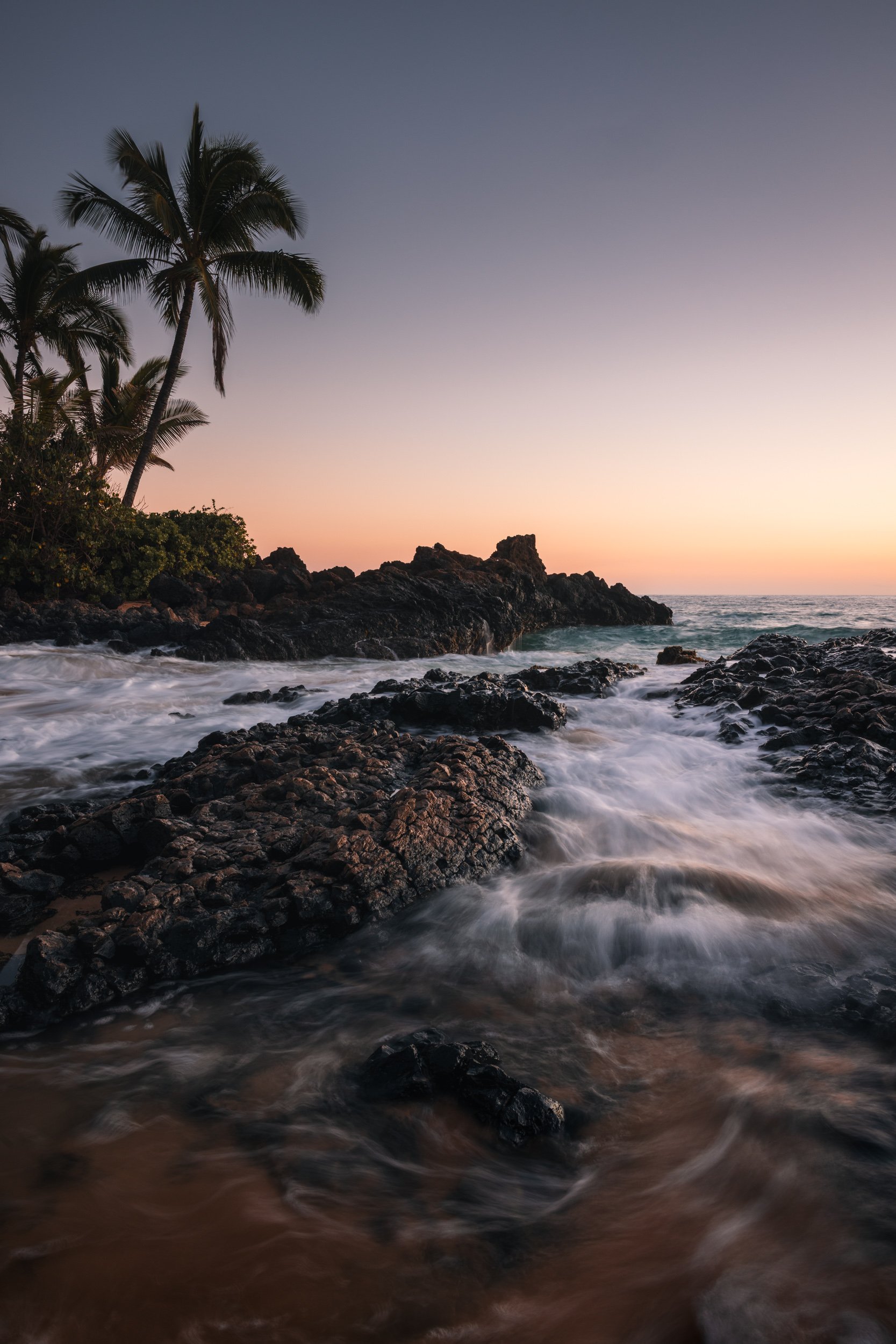
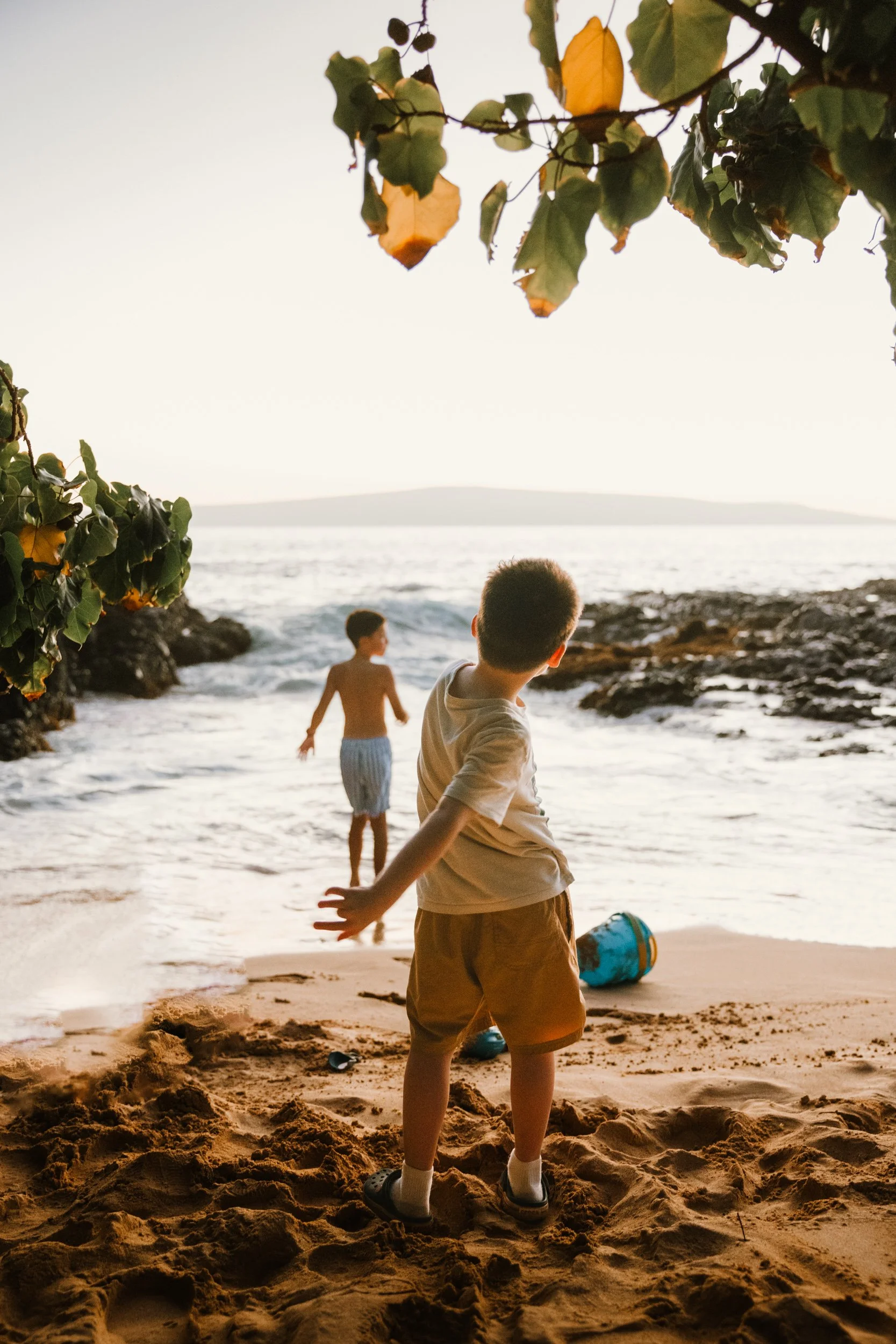
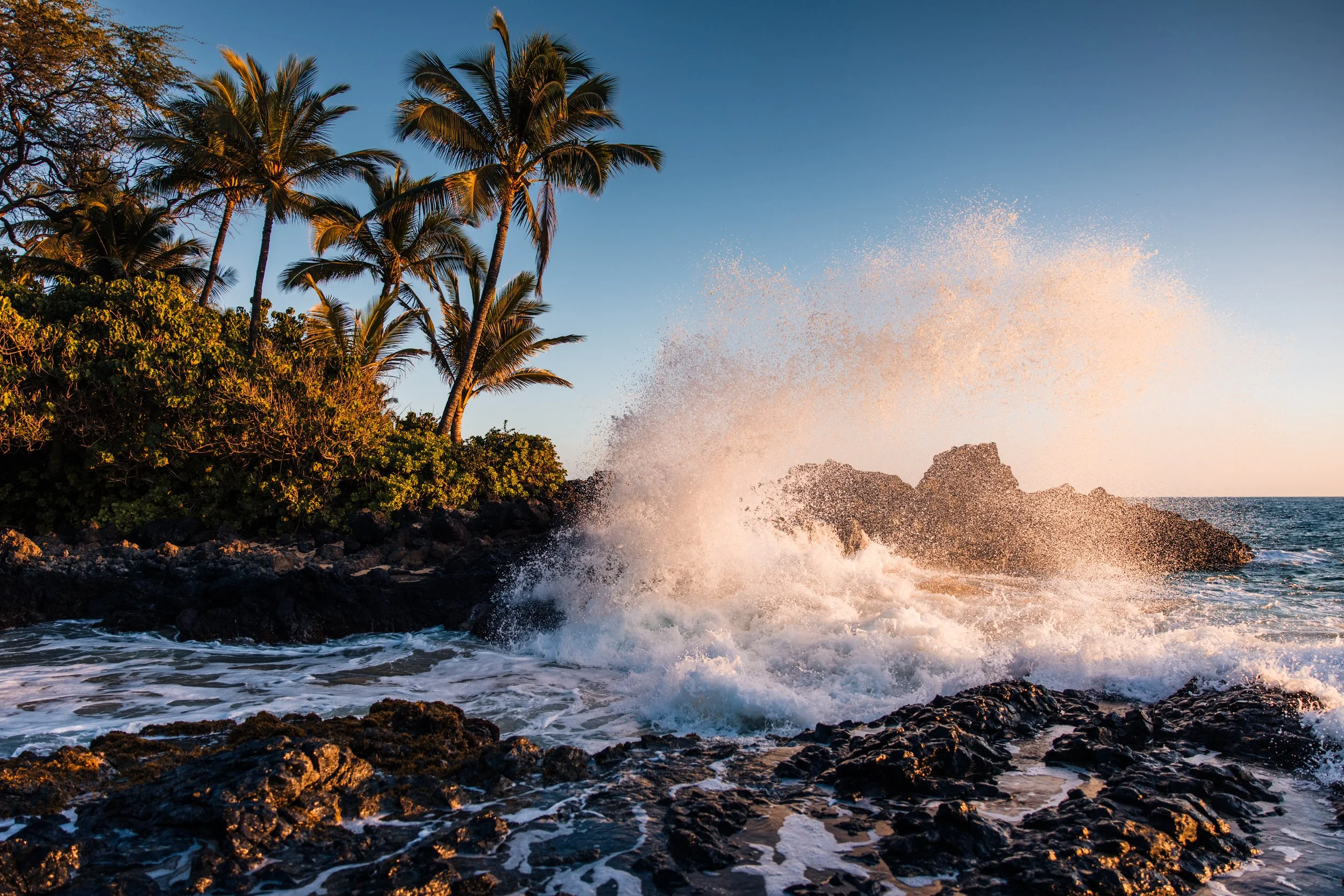
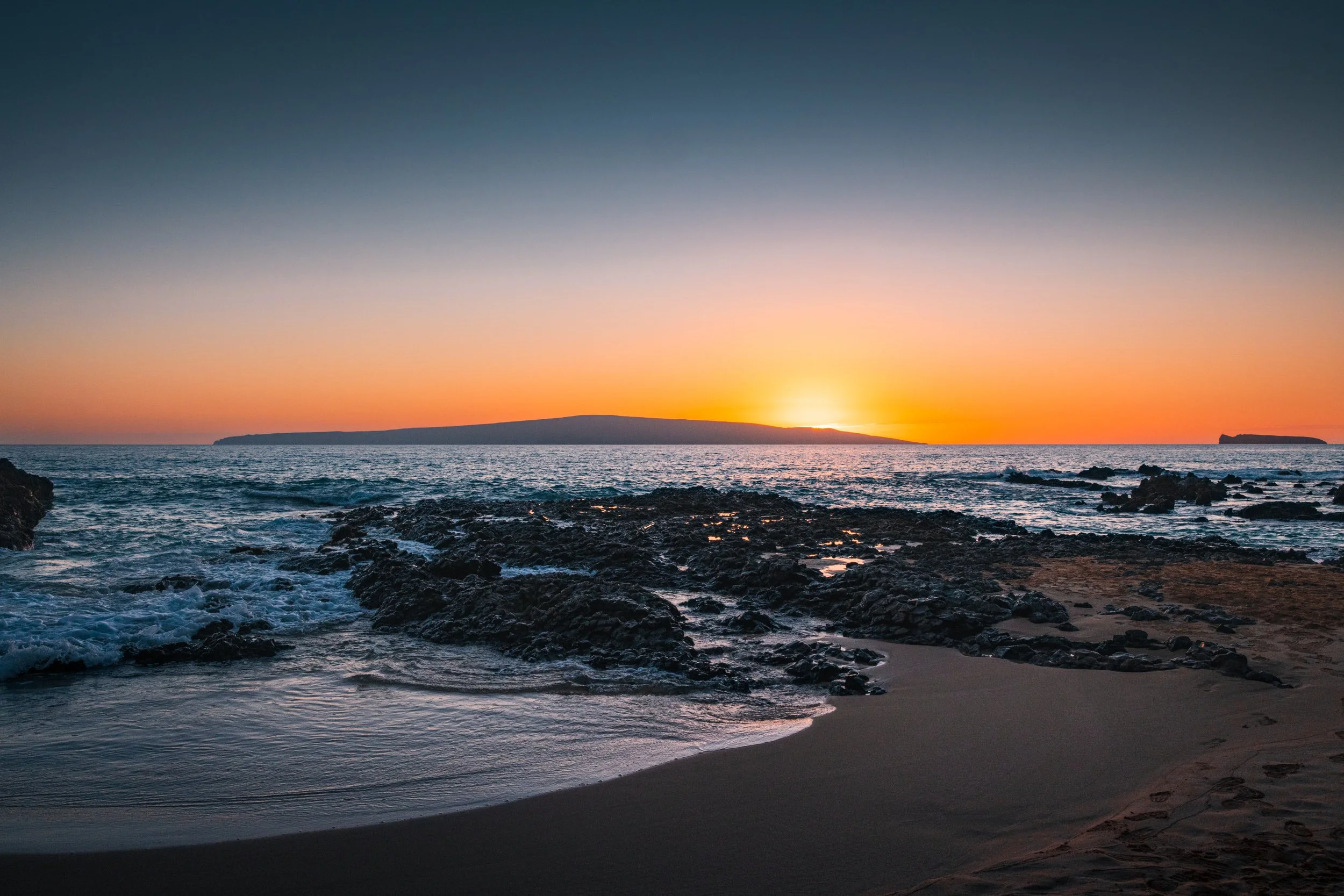
We chose nearby Makena Cove as our meeting point for sunset, and it didn’t disappoint. A few families with young children lingered near the shoreline, and a photographer was capturing family portraits against the lava rocks. The colors deepened gradually, turning the sky into layered pinks and oranges as waves splashed against the dark stone.
Makena Cove feels intimate rather than grand. The curved shoreline and textured lava rock naturally frame the scene, making it less about finding a composition and more about noticing how light moves across it. That evening felt less like chasing a photograph and more like quietly returning — to the water, to the rhythm of the island, and to a sense of ease I hadn’t felt in some time.
4. Road To Hana — Candid Over Checklist
We began the Road to Hana early, around 7 a.m.—much later than our Haleakalā start, but still with the intention of giving the entire day to this iconic drive. Like many visitors, we had mapped out a loose plan, including a 1 p.m. reservation at Waiʻānapanapa Black Sand Beach, hoping to move steadily through the north side before reaching the midpoint.
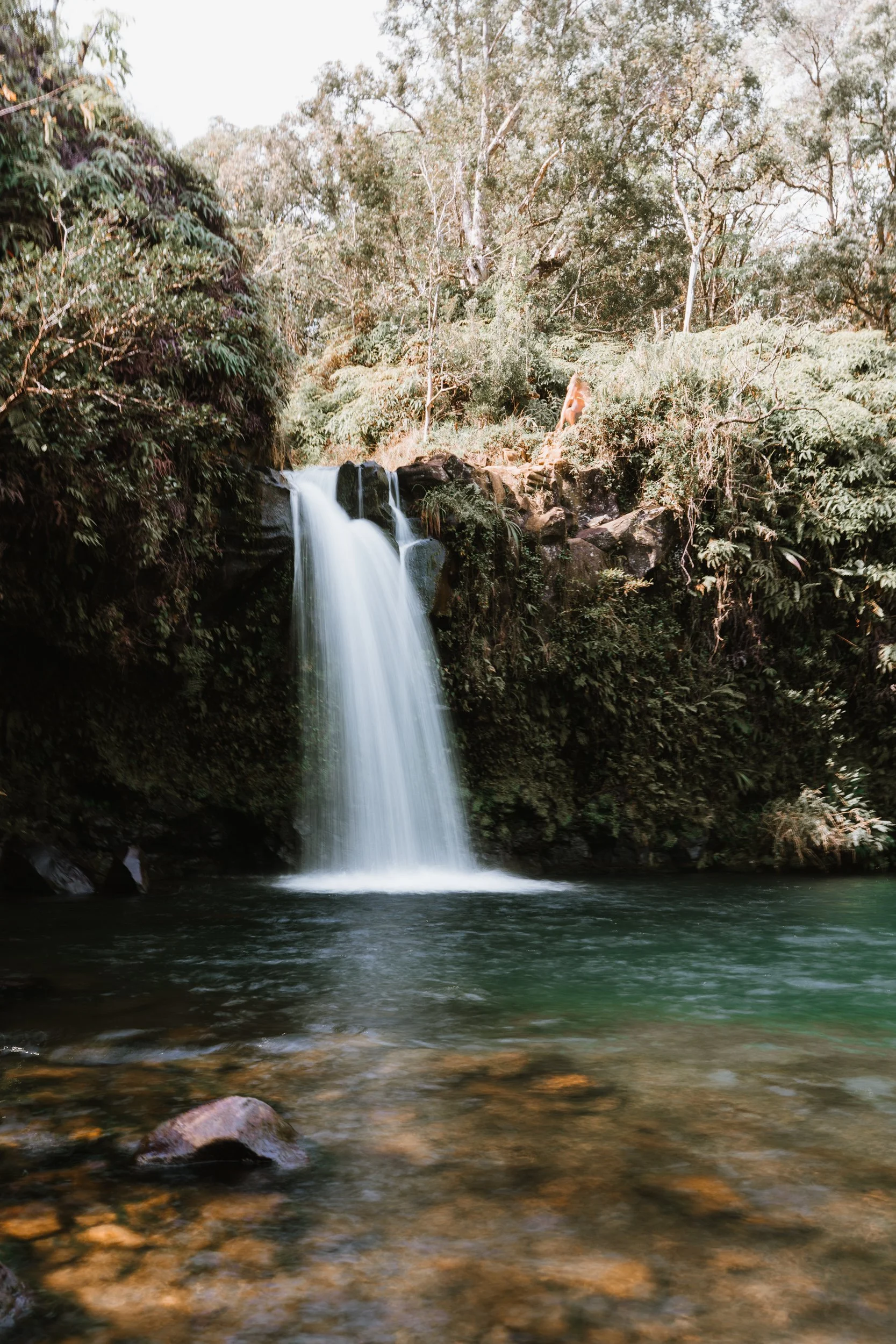
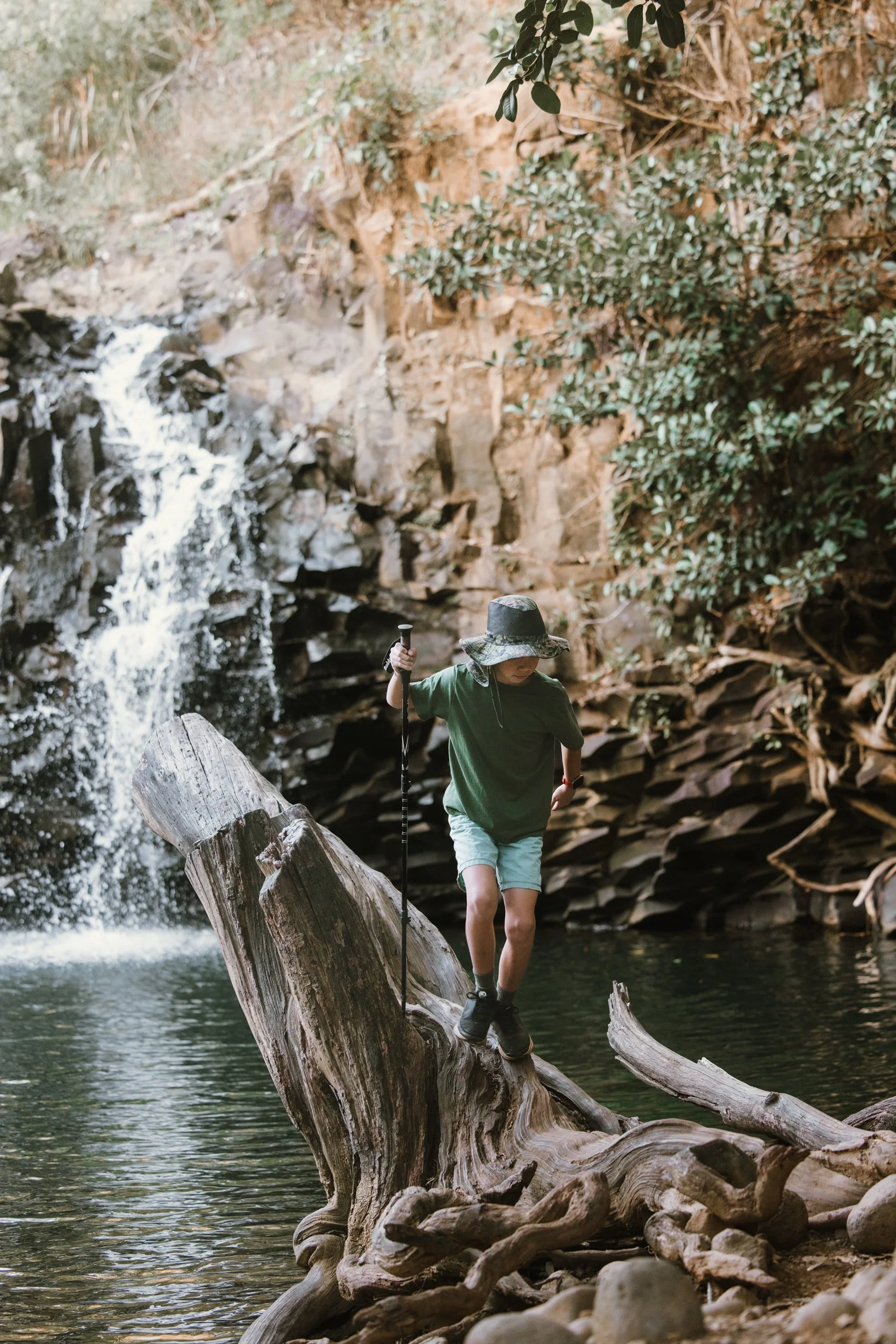
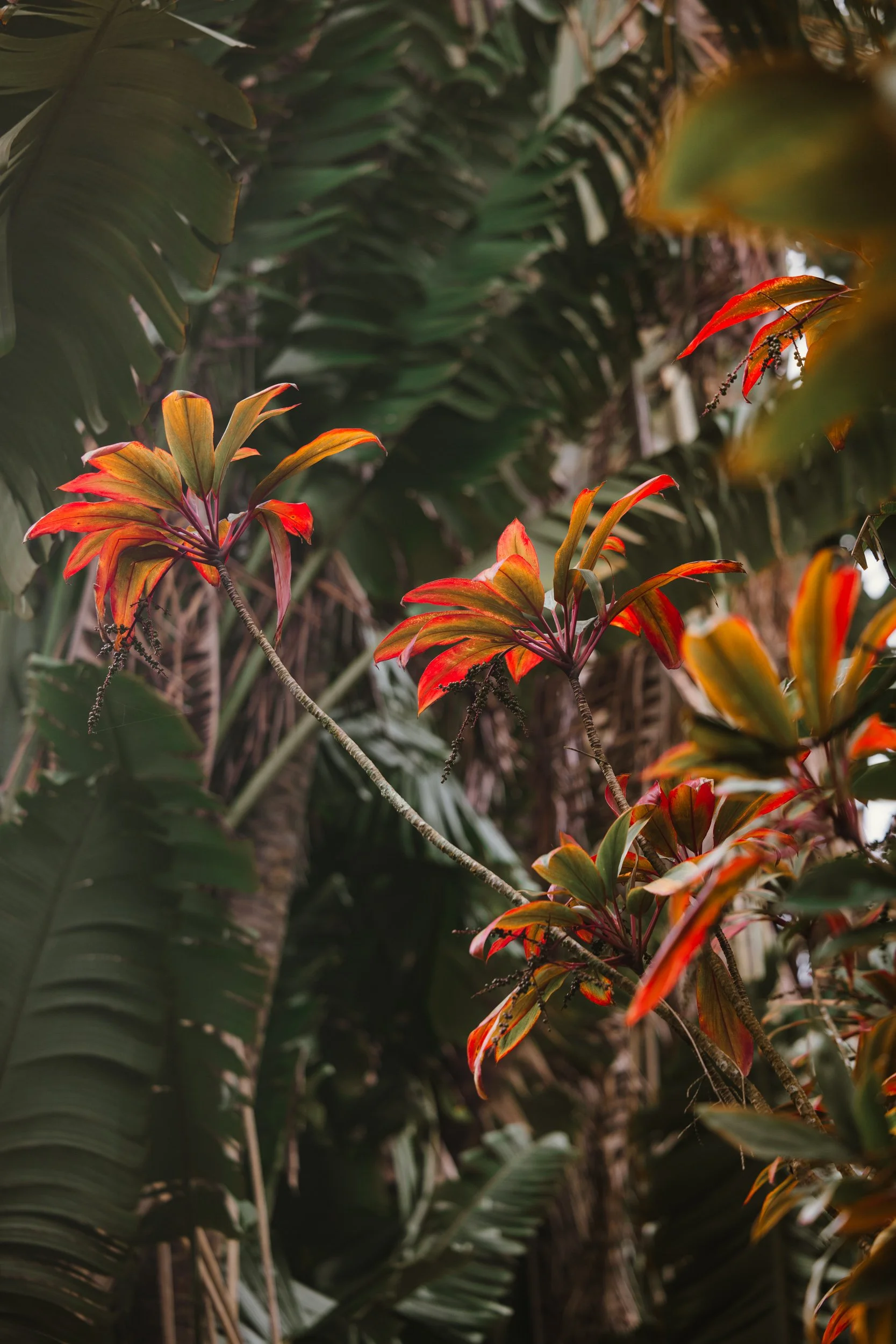
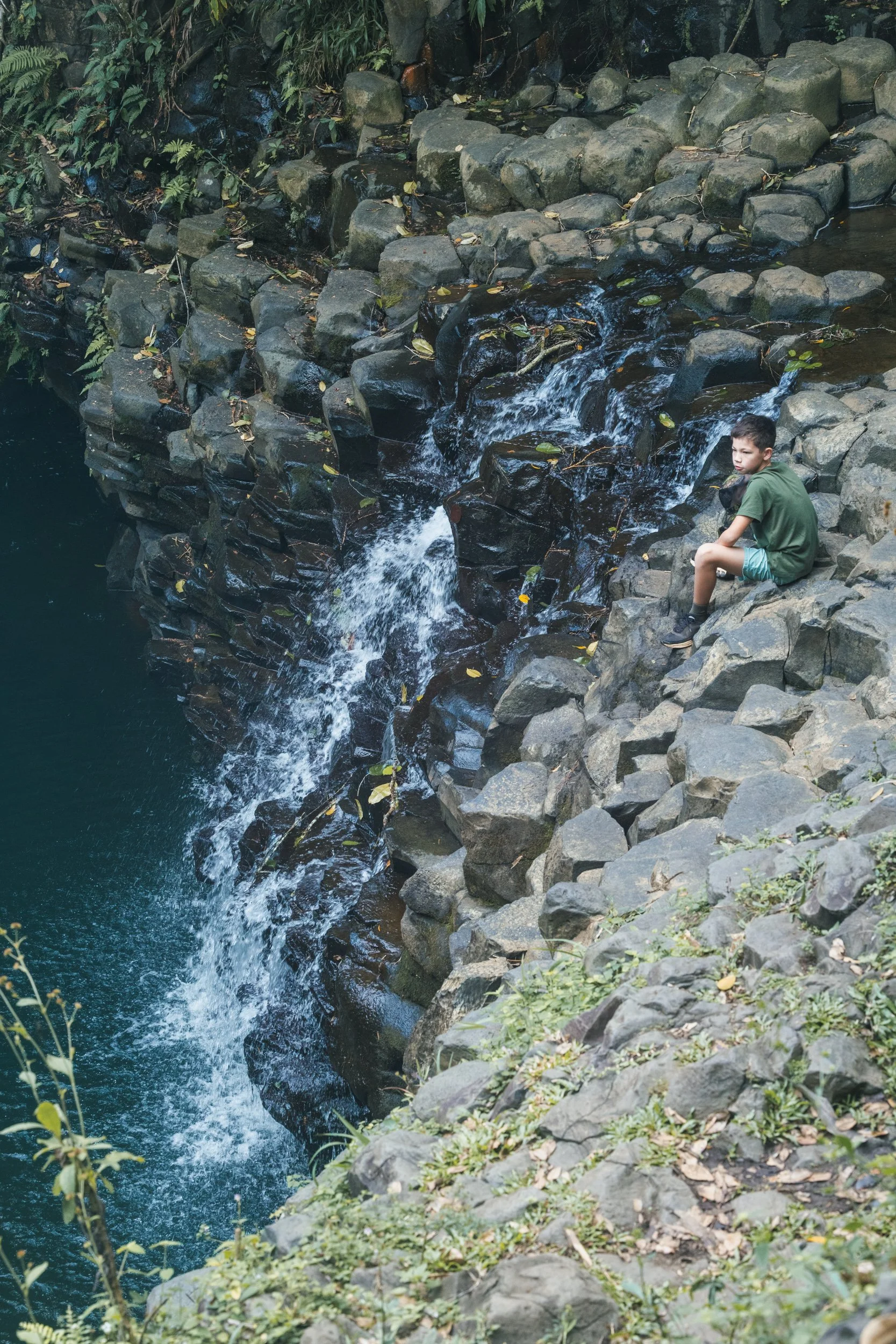
Our first stop at Twin Falls immediately reshaped that plan. A sudden tropical shower greeted us, and we ended up trekking sections of the trail barefoot, laughing more than strategizing. What was meant to be a brief stop stretched longer than expected, and before we realized it, the day had shifted. The Road to Hana has a way of doing that — slowing you down whether you intend it to or not.
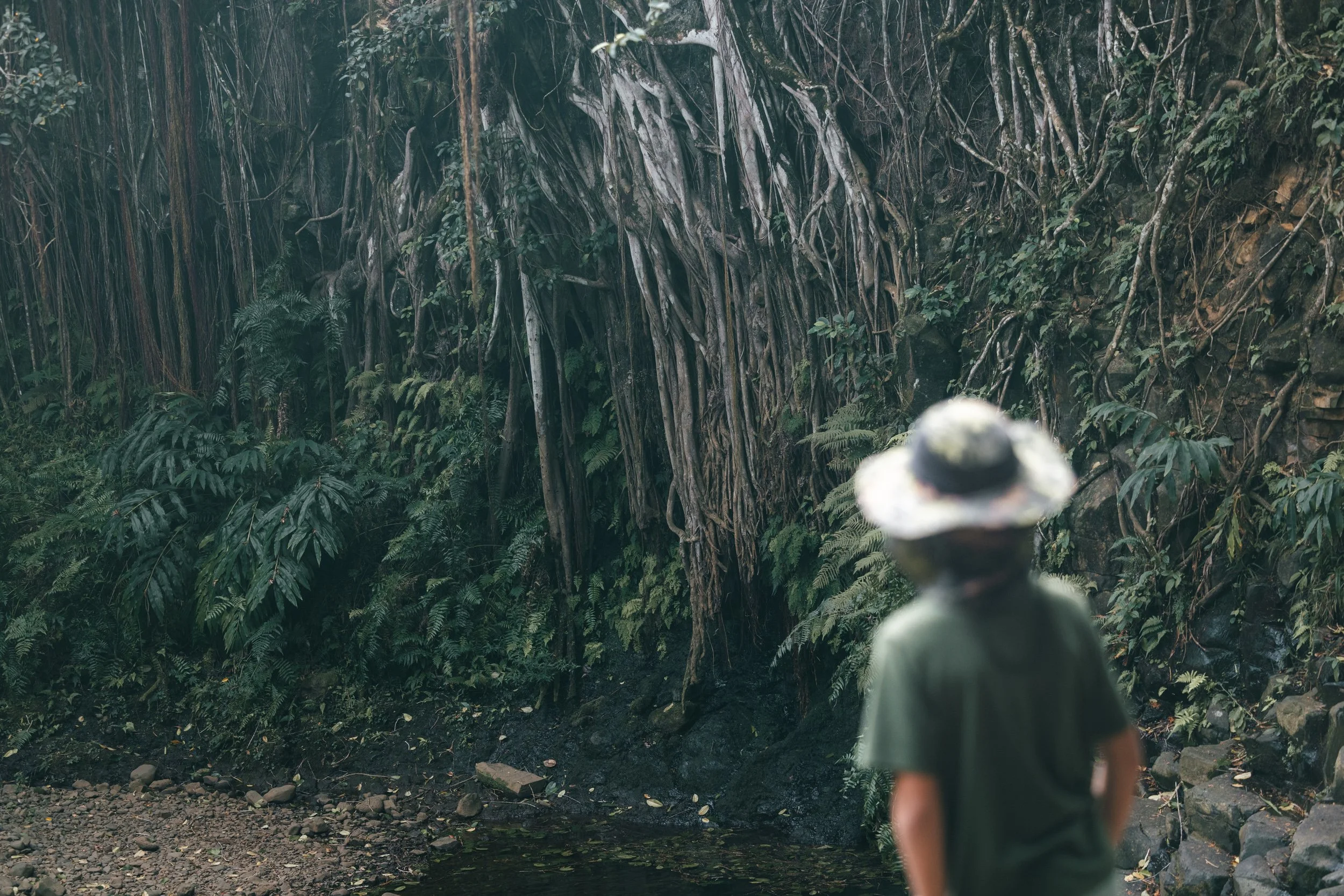
With a fixed time for Waiʻānapanapa, we had to make decisions. We didn’t have enough hours to continue all the way to the southern end and still loop back comfortably before dark. Nor did we want to split the route and risk driving the winding roads after sunset. So we skipped more stops than we visited — choosing depth over coverage — but still enjoyed multiple waterfalls and scenic pullouts along the way.
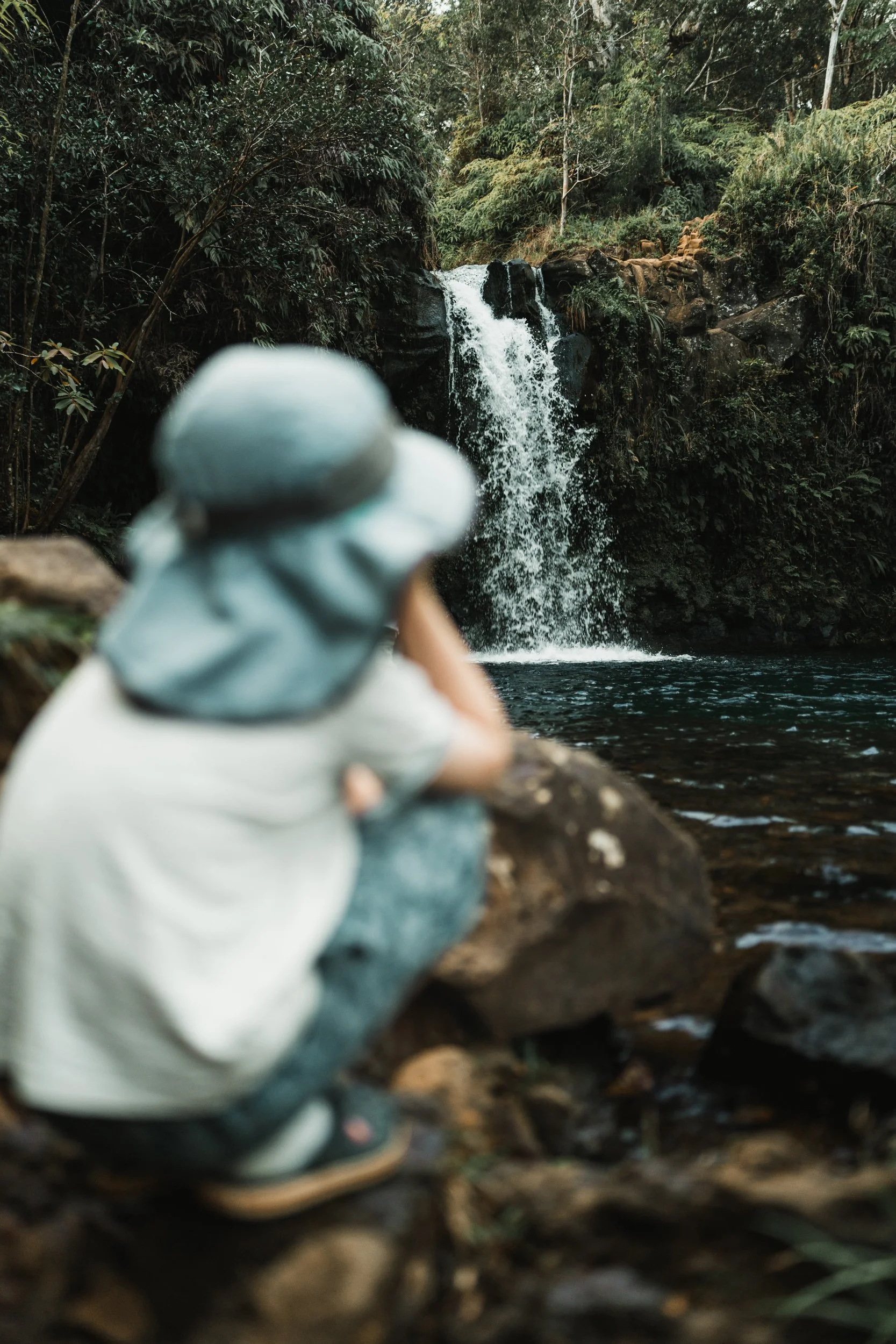
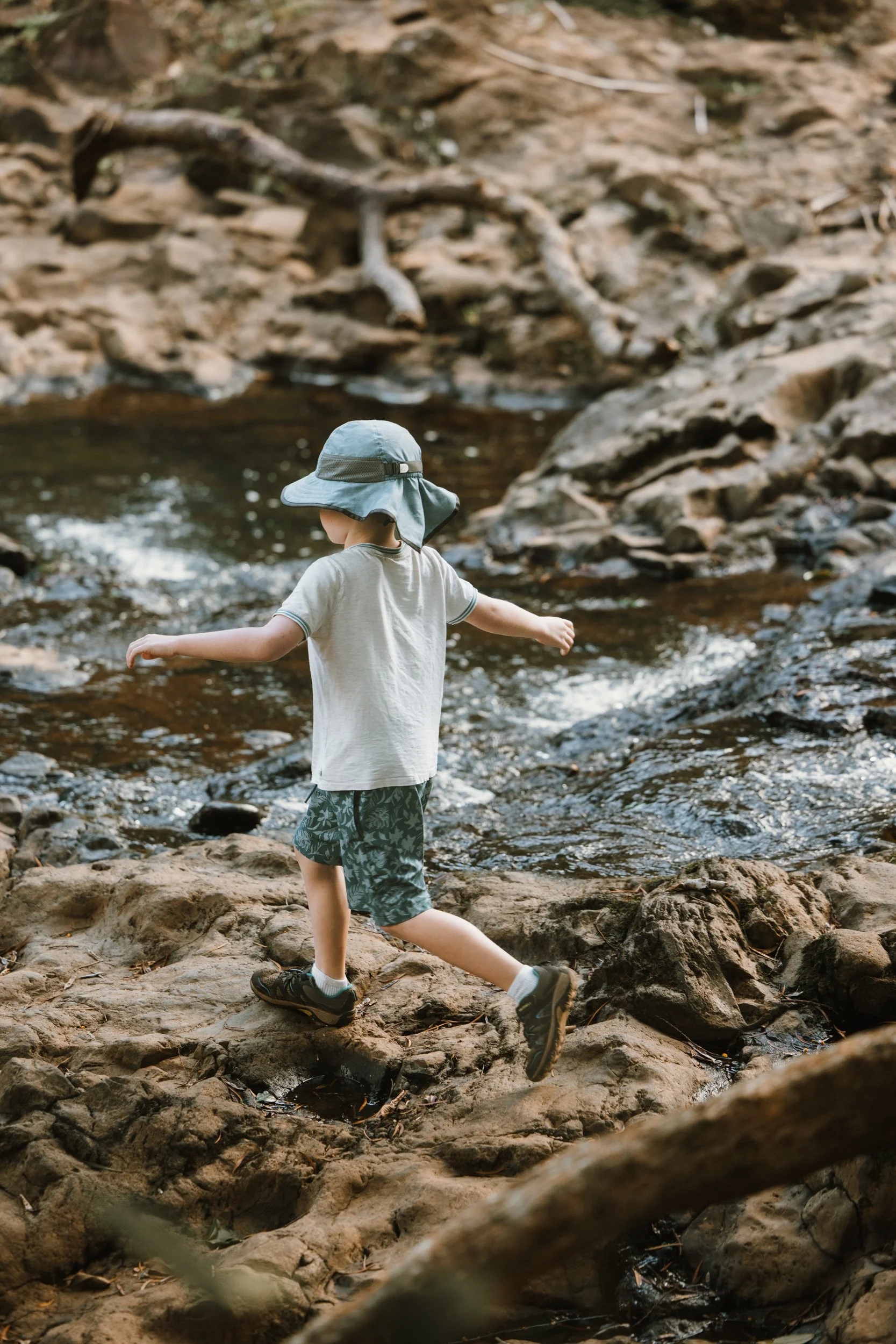
The furthest point we reached was the Pipiwai Trail, which, to our surprise, is part of Haleakalā National Park. Standing among bamboo groves and hearing distant waterfalls, it felt worlds away from the summit we had visited just the day earlier.
We briefly drove through the town of Hana, explored some food trucks, all agreeing that this road deserves a slower return — perhaps one day staying overnight, allowing the journey to unfold without watching the clock.
The Road to Hana is less about completing a route and more about accepting its rhythm. And this time, its rhythm asked us to leave something for the future.
5. Waiʻānapanapa Black Sand Beach — Texture & Contrast
Our 1 p.m. reservation at Waiʻānapanapa Black Sand Beach shaped much of our Road to Hana timing. By the time we arrived, the midday light was strong, but this is one place where harsh sun doesn’t diminish the scene. The contrast between jet-black sand, volcanic rock, and brilliant turquoise water holds its own under almost any condition.
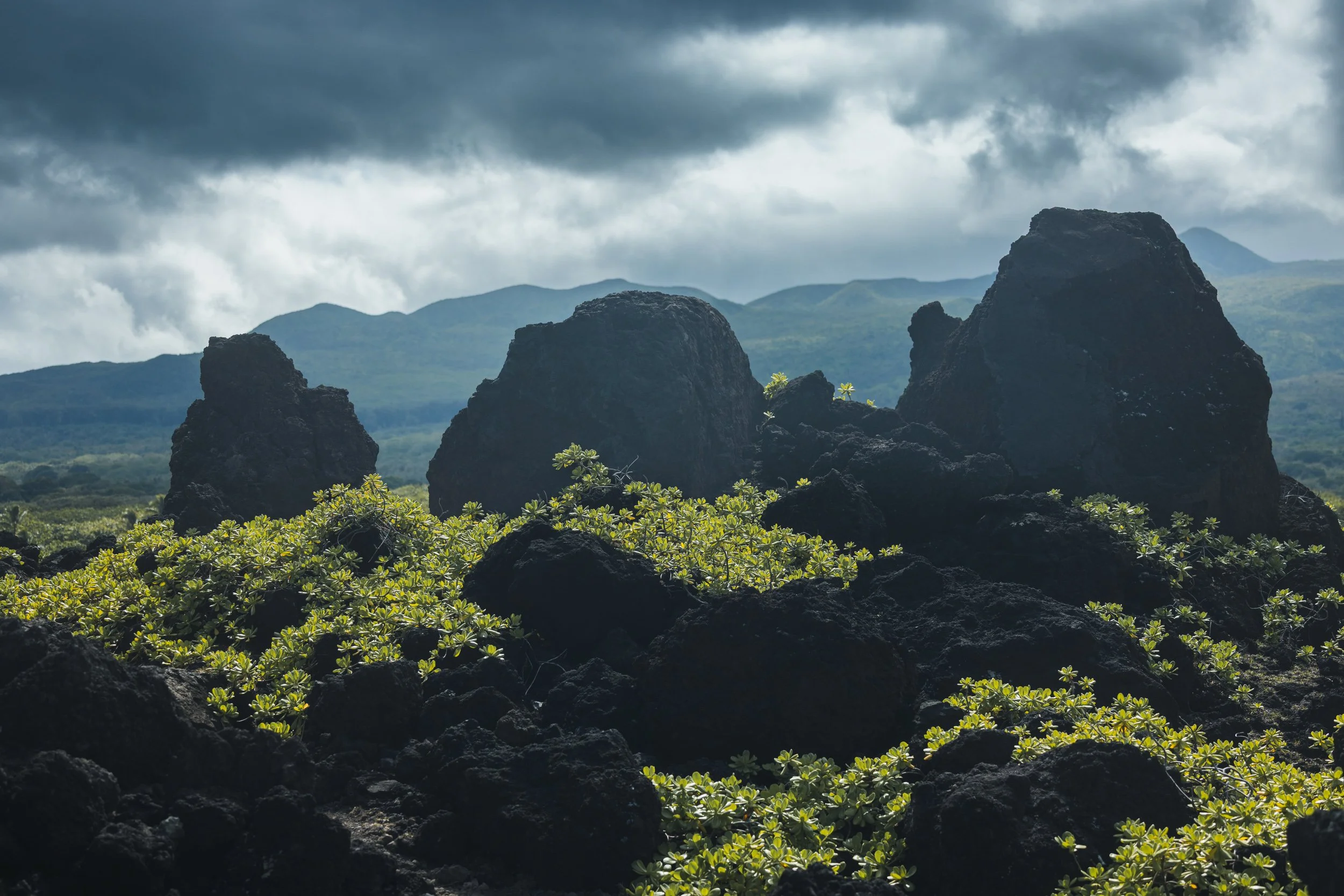
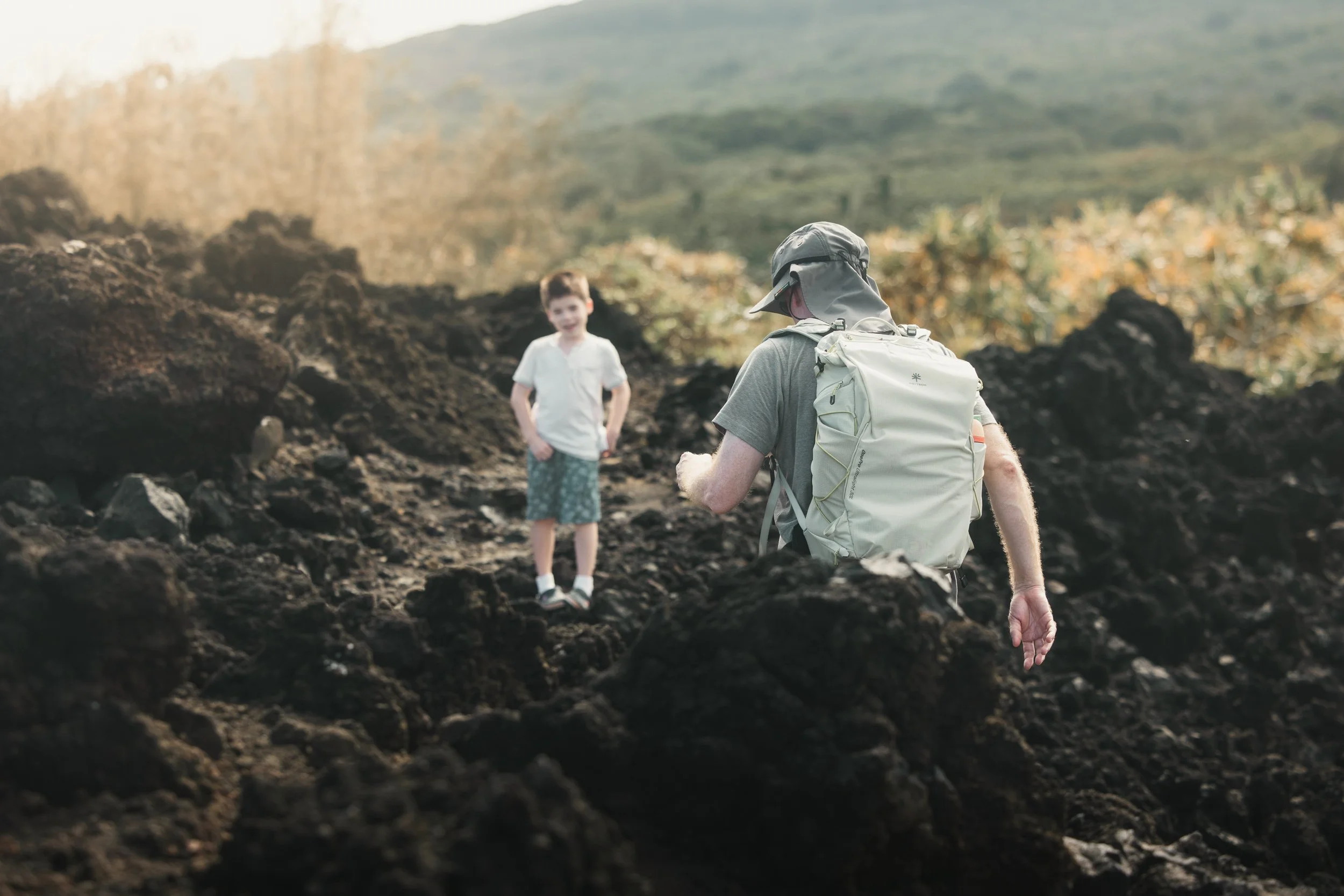
Instead of lingering only at the main overlook near the trailhead—where tour groups gathered—we ventured farther along the coastal trails. We hiked across rugged lava formations, following paths carved by time and salt. At one point, my boys discovered a small inlet where ocean waves rushed between the rocks before splashing upward and spilling back down like a miniature waterfall (this is my favorite part of the video above). We stood there for a while, simply watching the rhythm repeat itself.
Later, we hiked down to a quieter stretch of black sand beach, away from the densest crowds. There, we unexpectedly witnessed a young couple’s proposal. Their friends documented the moment with smartphones, laughter echoing against the cliffs. I was the only one nearby holding a serious camera, yet I chose to step aside and let them remain fully inside their moment. Perhaps next time I would offer to capture it for them—something I often do during our own family travels, preserving meaningful memories not just as images, but as reminders of the life we are fortunate to live.
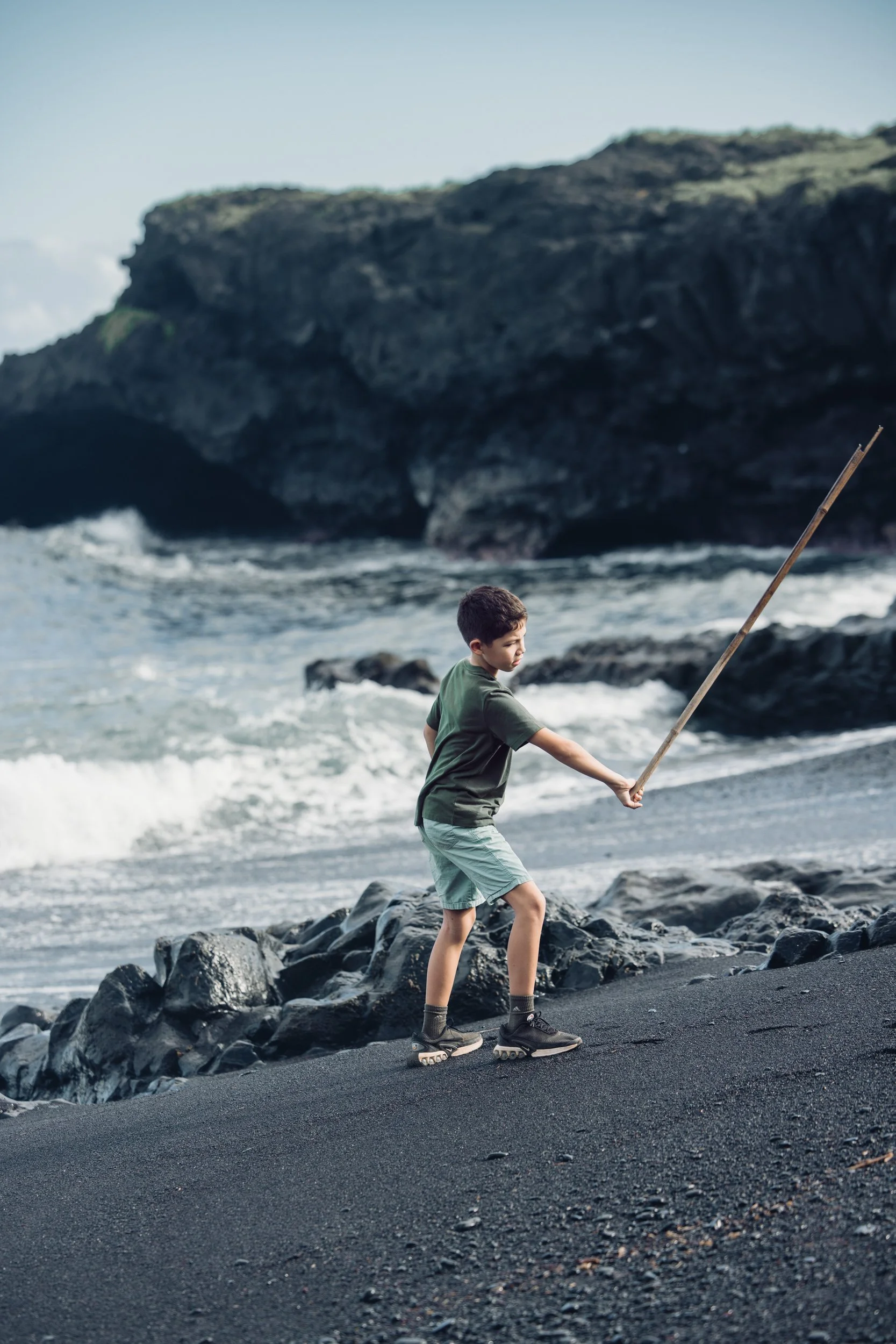
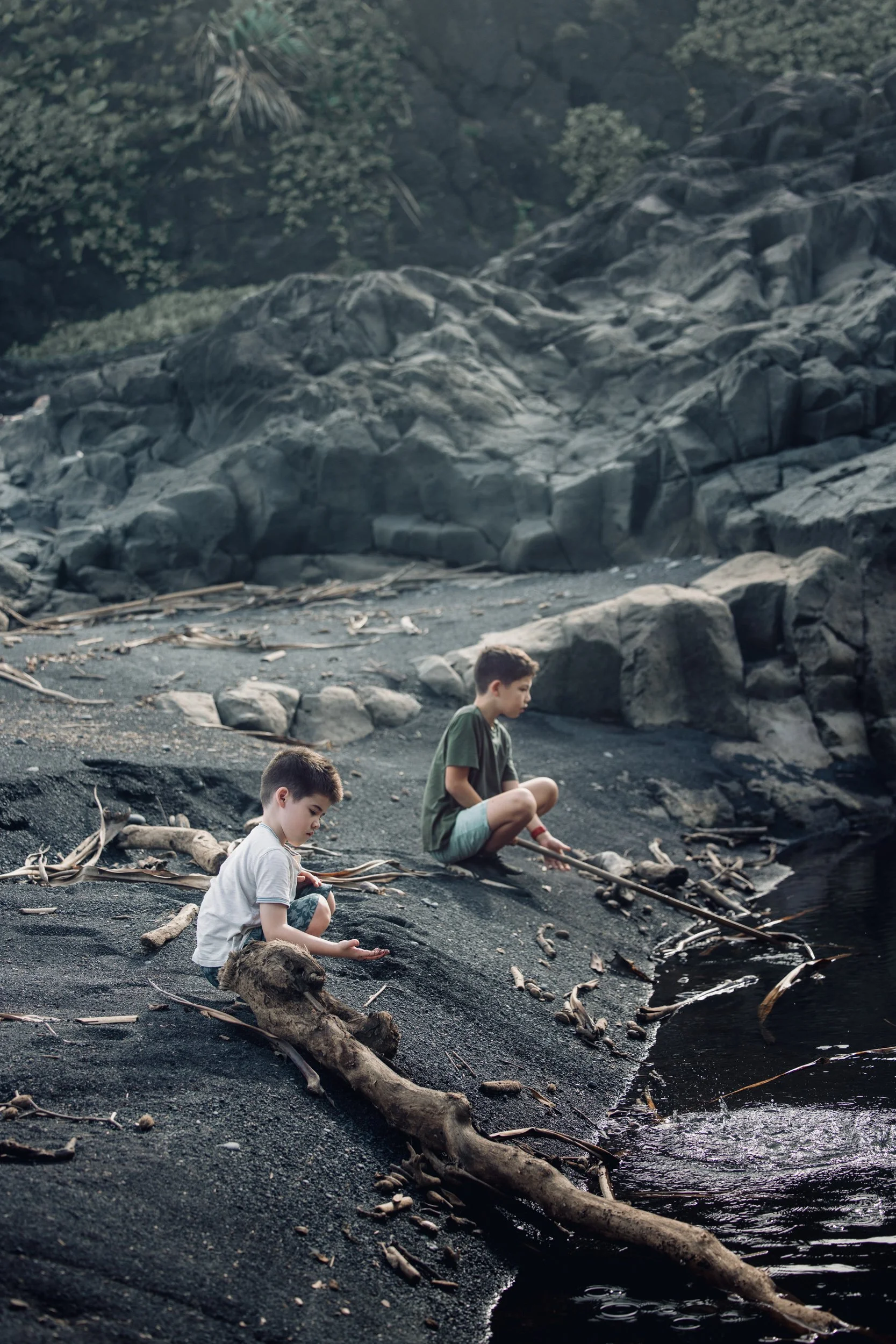
Waiʻānapanapa isn’t just visually striking. It’s a place where texture, contrast, and human stories quietly intersect—where black sand and bright water meet, and where fleeting moments unfold whether we photograph them or not.
Bonus: Sunset Waves Near JAWS
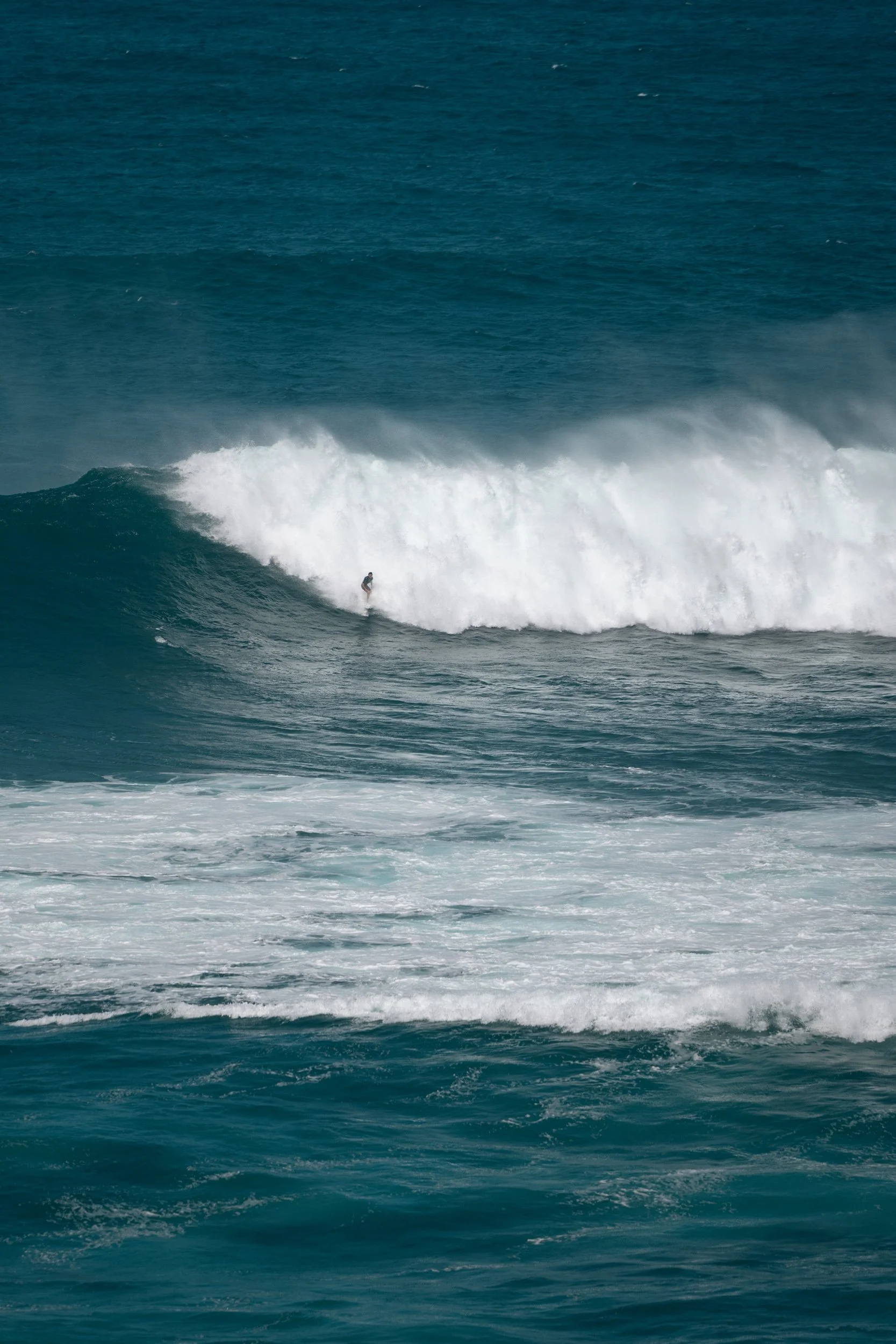
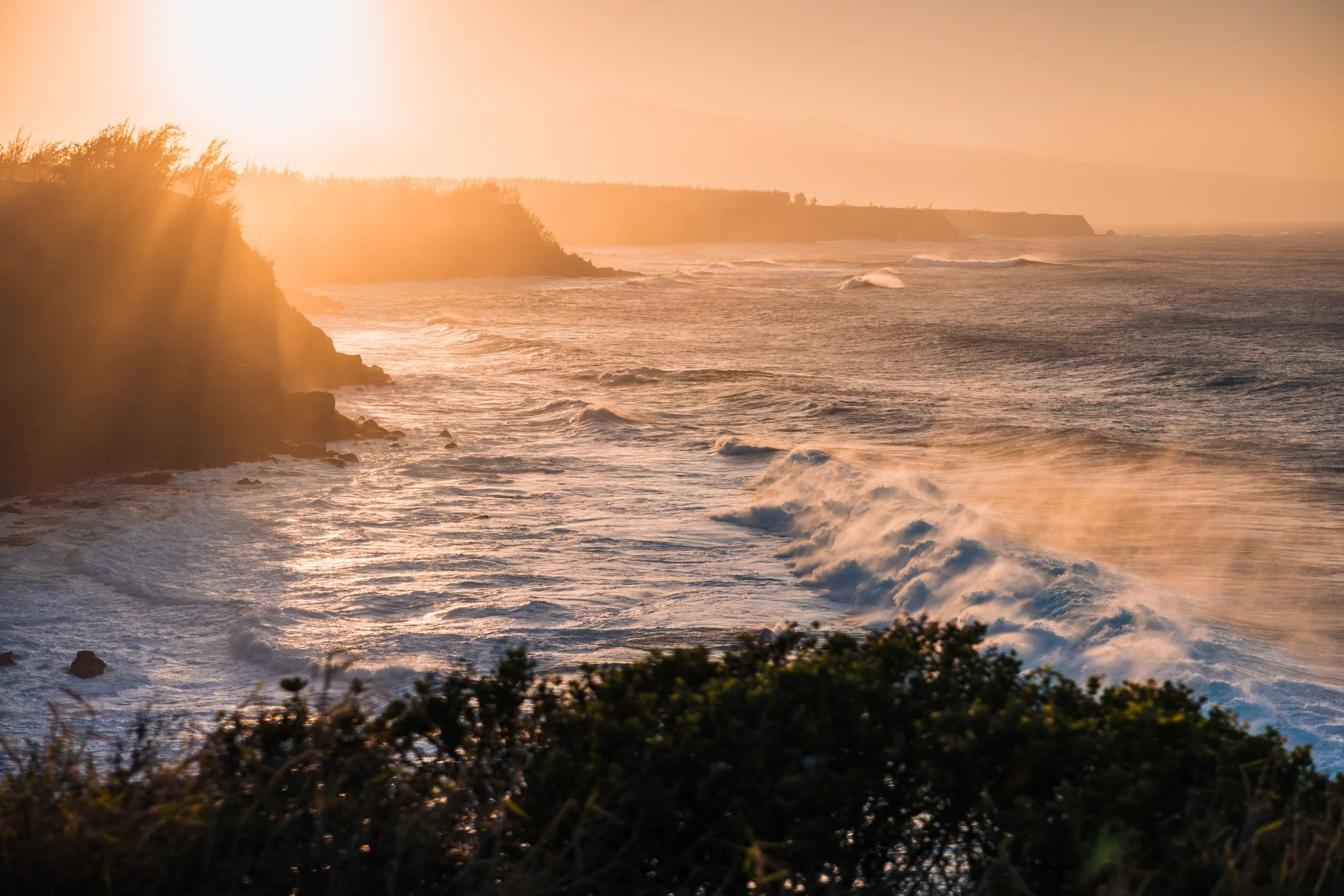
Peʻahi (JAWS) is Maui’s legendary big-wave break, where powerful swells crash against rugged cliffs and the scale of the ocean feels both humbling and unforgettable.
We followed our local host’s recommendation for an afternoon hike the day we arrived, as the waves were forecasted to reach 20–30 feet. Parts of the trail were muddy and slippery, and we only spotted one surfer — clearly a professional — navigating the powerful sets. We hiked down all the way to beach level, where we found ourselves completely alone, the scale of the ocean far more impressive up close than from the cliffs above.
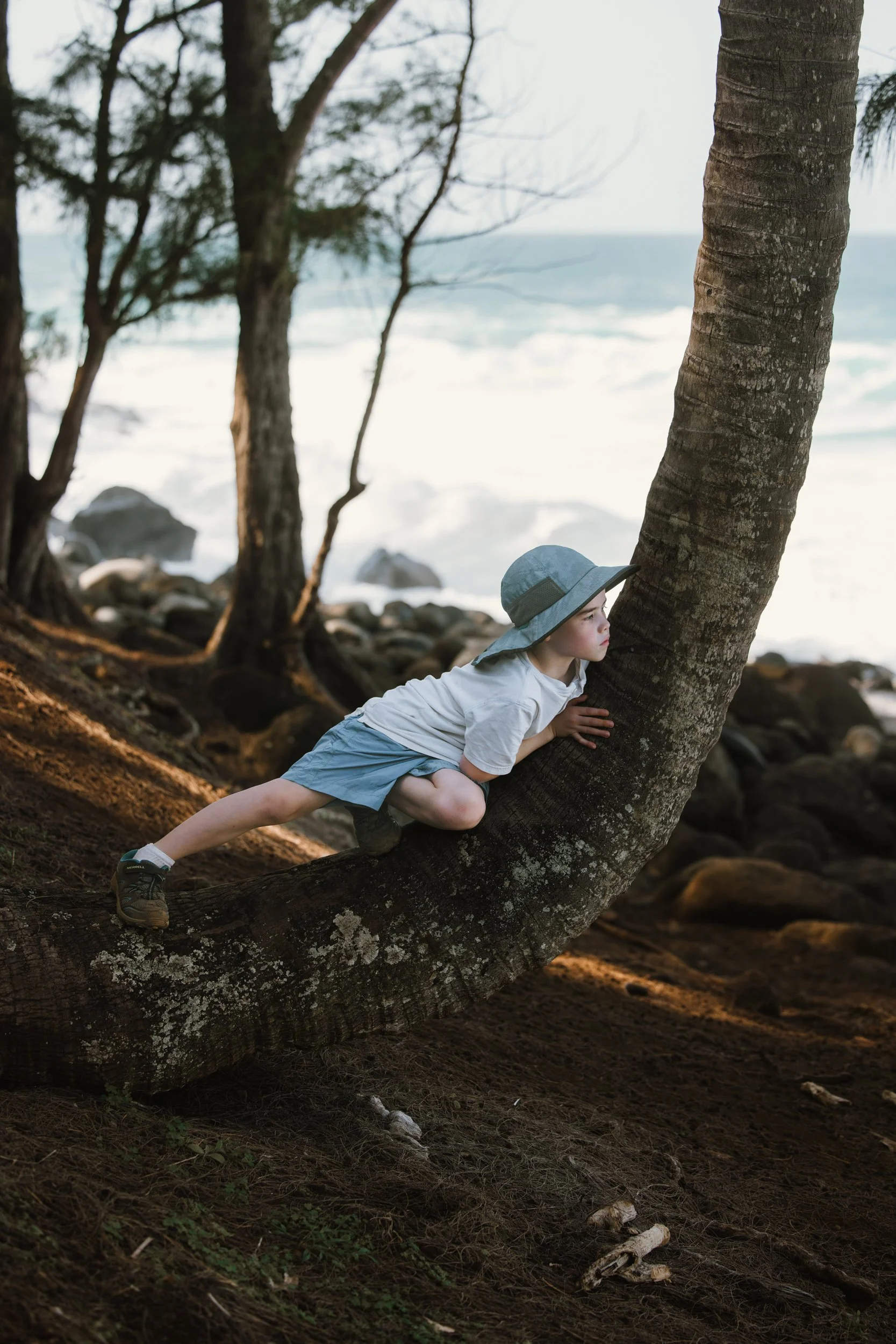
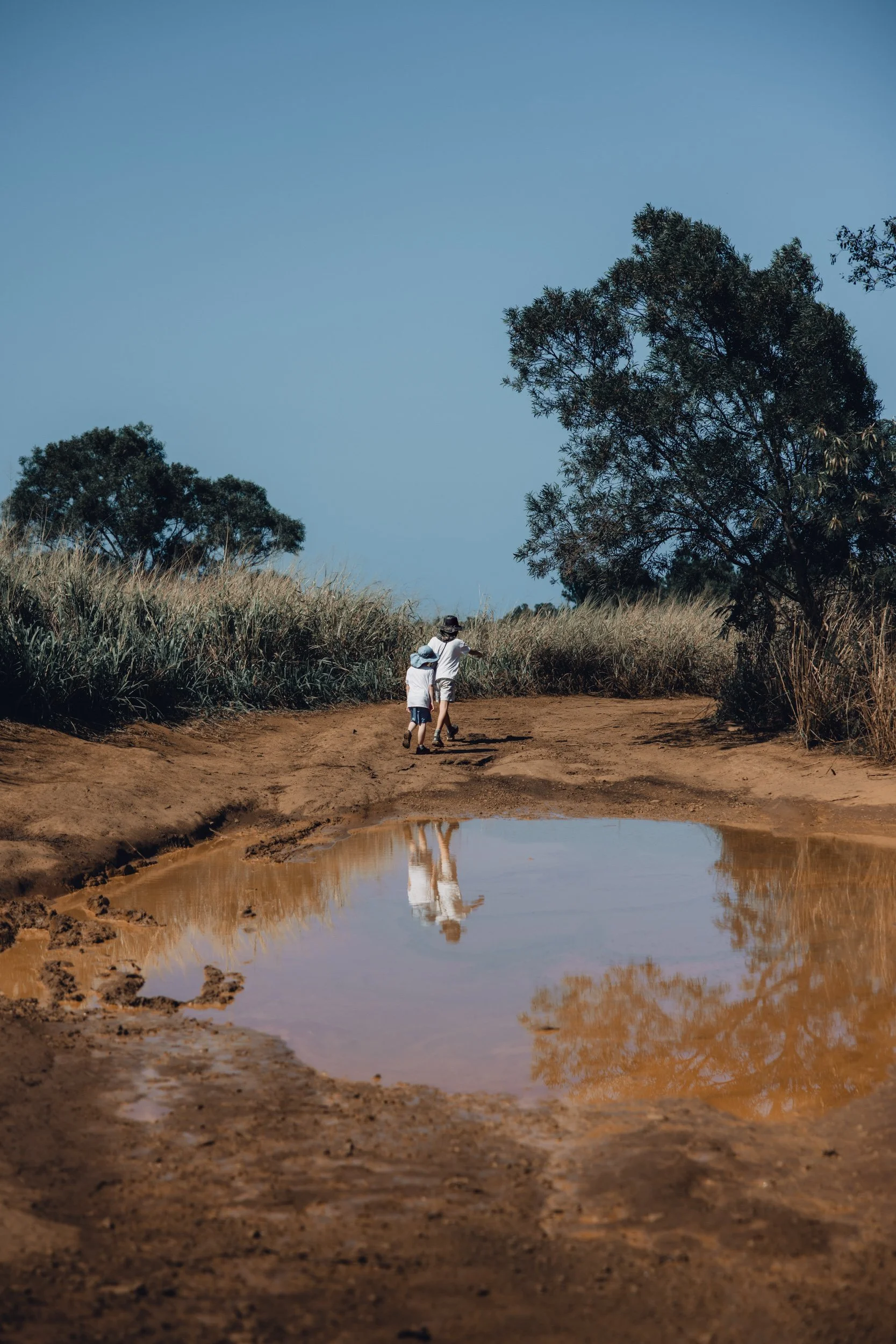
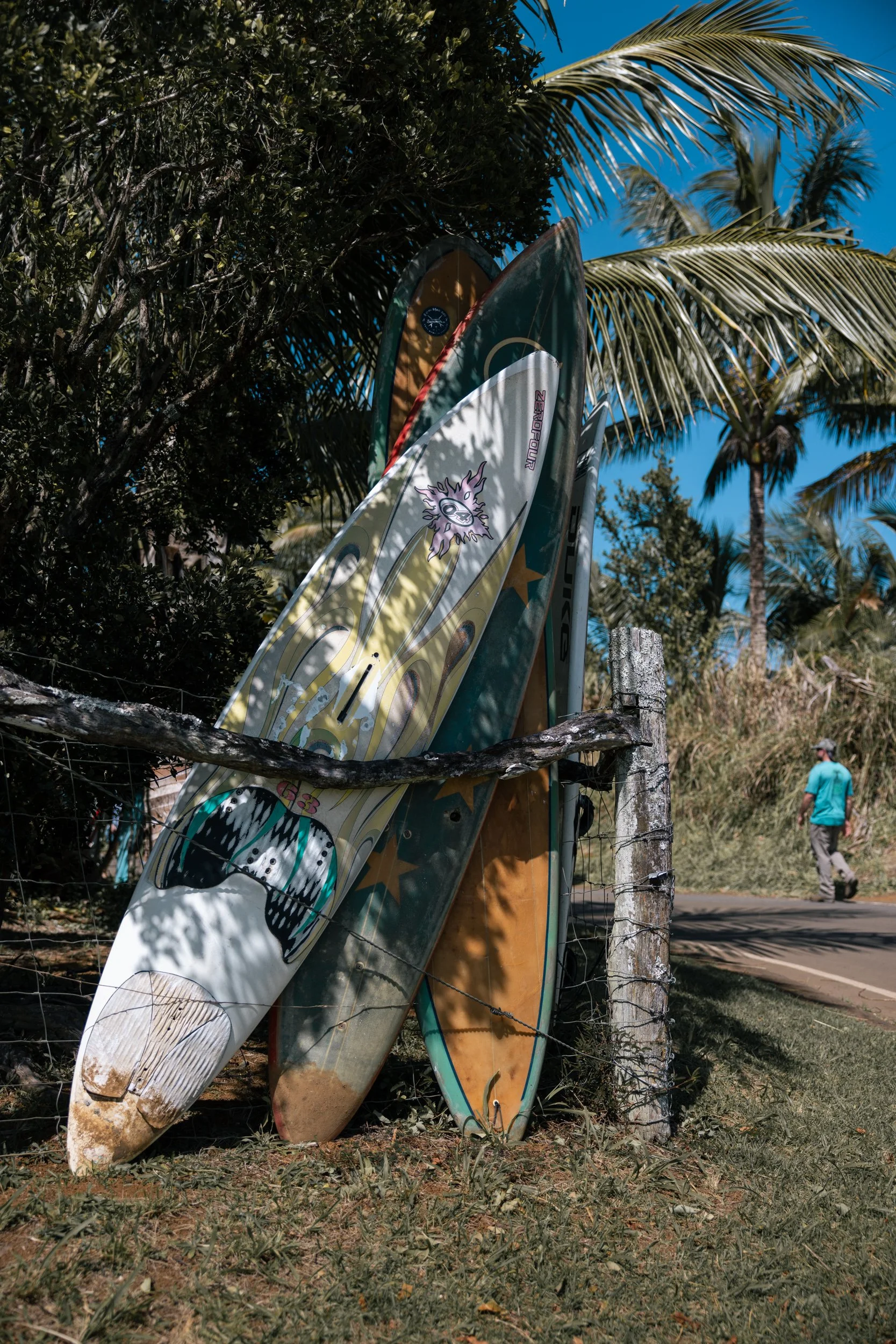
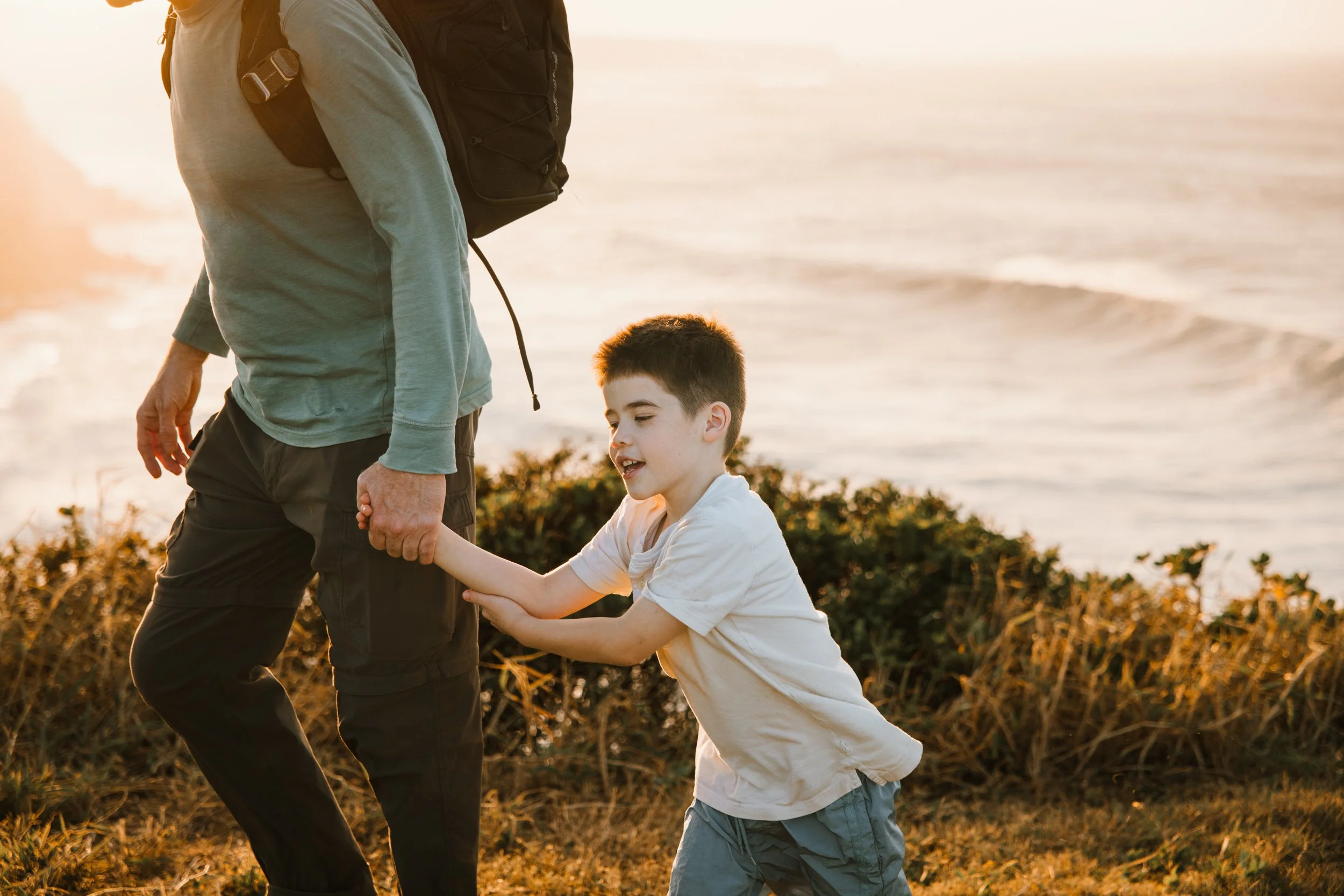
Later that evening, we explored another local path that cut through farmland and led to a cliffside sunset view. As the sky softened, we caught our first whale sighting of the trip — a humpback mom and baby surfacing playfully offshore. It was one of those unexpected Maui moments that quietly stays with you long after the waves settle.
Final Thoughts
This wasn’t a comprehensive Maui itinerary — and it wasn’t meant to be.
In five days, we experienced only a fraction of what Maui offers. But by focusing on a few meaningful locations and being intentional with light and timing, the trip felt creatively rich without being rushed.
For serious mirrorless photographers, Maui rewards early mornings, late evenings, and restraint more than speed. Whether you prioritize still photography, cinematic travel video, or both, the island offers remarkable diversity within short distances.
And sometimes, that’s all you need.
Pin it 👇
You may also love…


Explore Alaska in October with our 9-day family road trip through Talkeetna, Denali National Park, and Hatcher Pass. Discover Scenic photography stops, wildlife encounters, fall colors, and snowy mountain landscapes, along with personal stories and practical travel tips.