
8 Less Crowded Photo Spots To Capture Natural Beauty On Oahu, Hawaii
When we talk about photography in Hawaii, Oahu often gets overlooked in favor of Maui or Kauai, dismissed as “too urban” because of Honolulu. But that contrast—city and coastline, forest and freeway, quiet corners just minutes from busy roads — is exactly what makes Oahu compelling for travel photography. Its diversity allows you to move between dramatically different environments in a single day, often without driving far, making it one of the most versatile islands for photographers willing to look beyond first impressions.
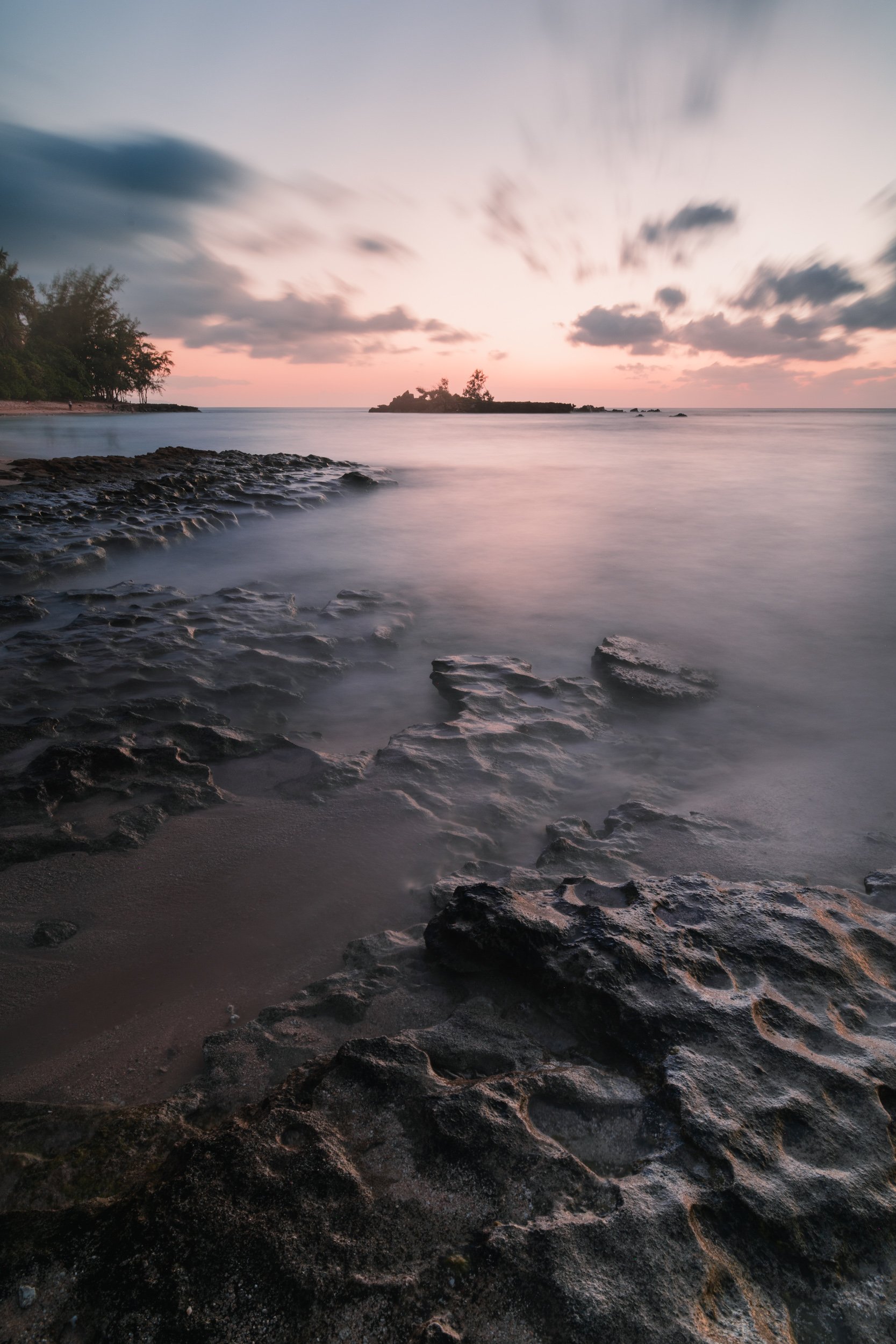
Sunset at Kawela Beach
This list of less crowded photo spots on Oahu comes from lived experience, not quick checklists. After spending nearly eight months in Hawaii in 2025 — most of that time on Oahu — and circling the island countless times on road trips, I’ve come to see it very differently than most visitors. The locations below focus on natural landscapes and quieter outdoor settings rather than urban photo spots places where photographers can work with light, space, and atmosphere without heavy crowds, and where the island reveals itself most clearly over time.
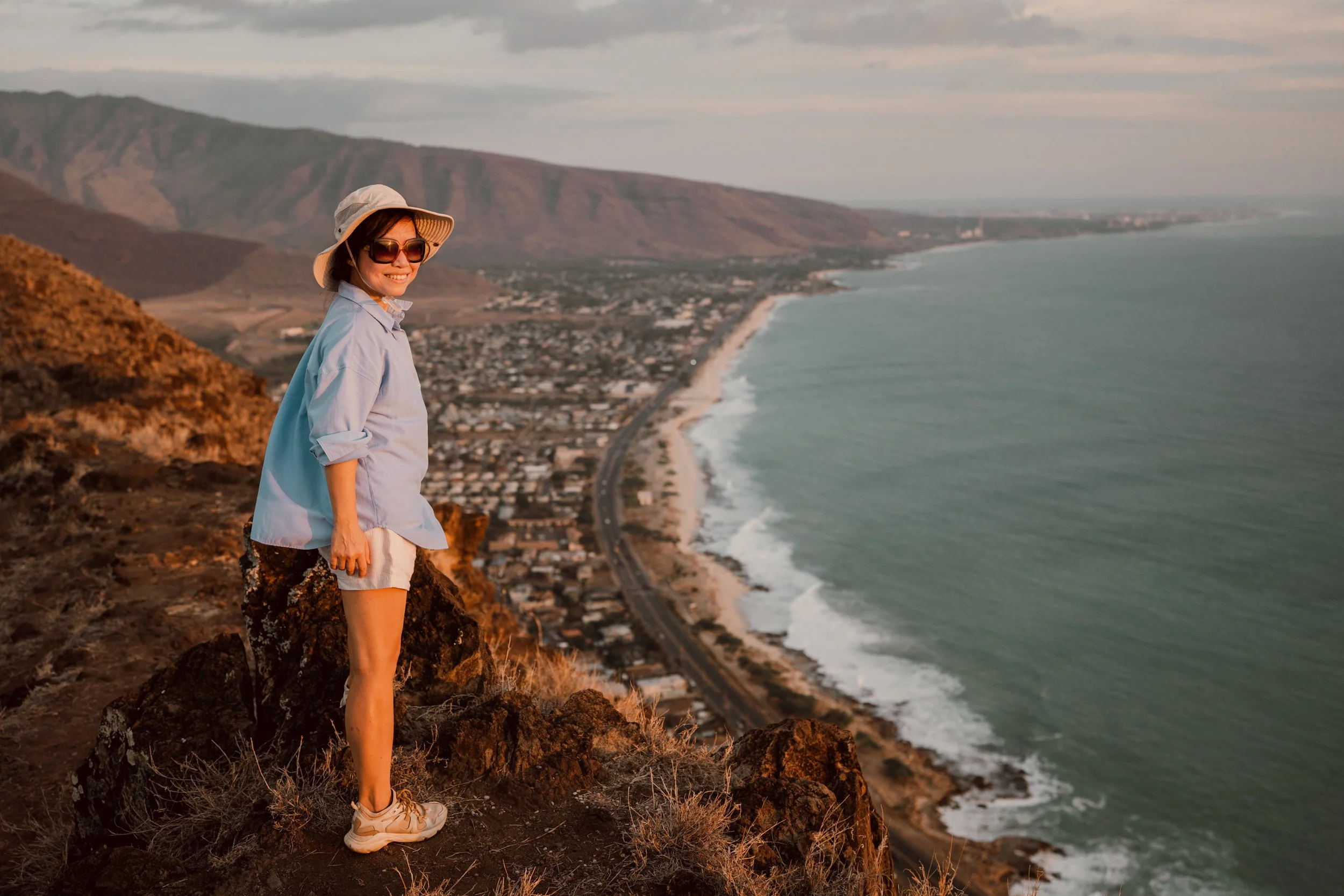
View from Pink Pillbox
1. Ka’ena Point State Park (Lighthouse)
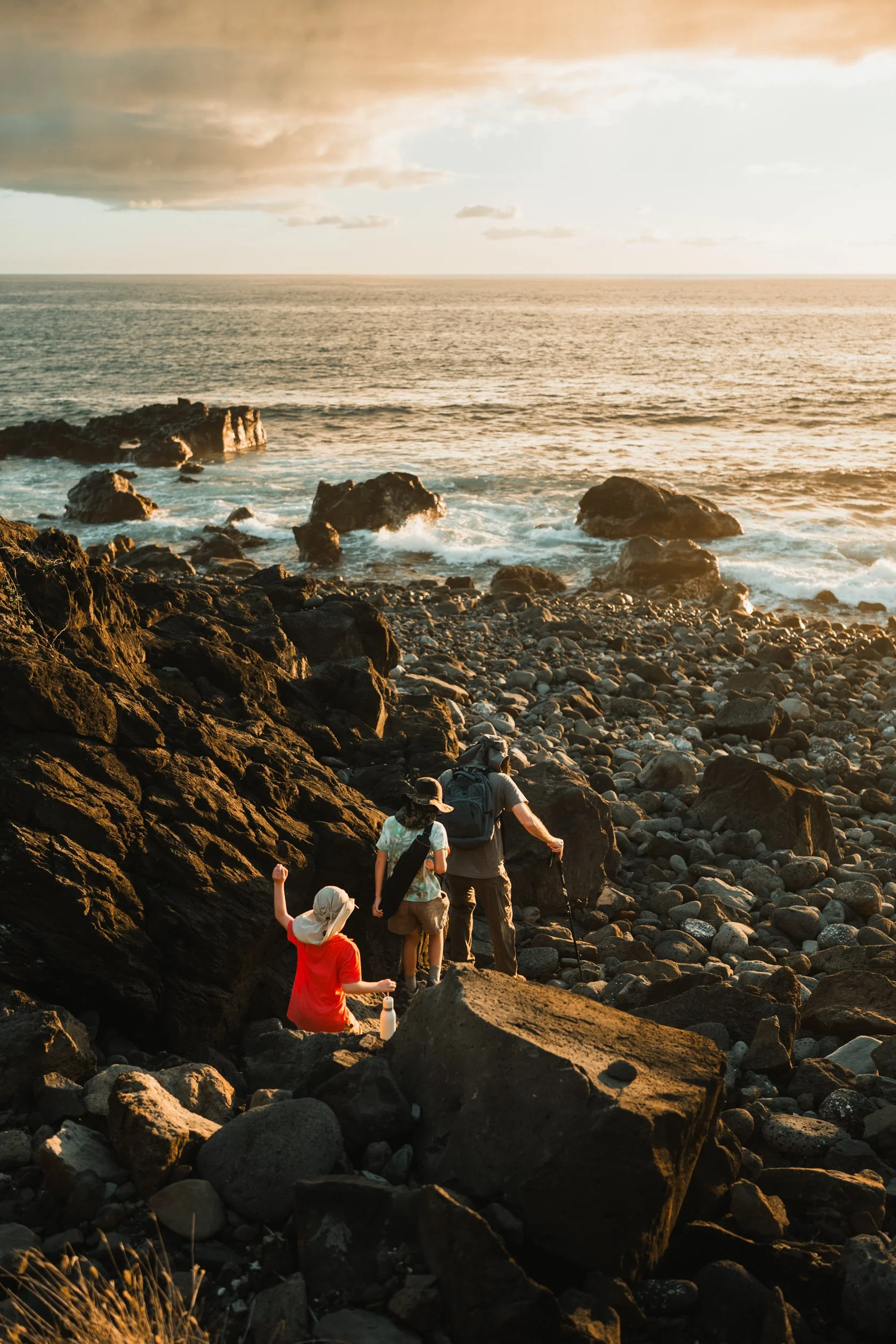
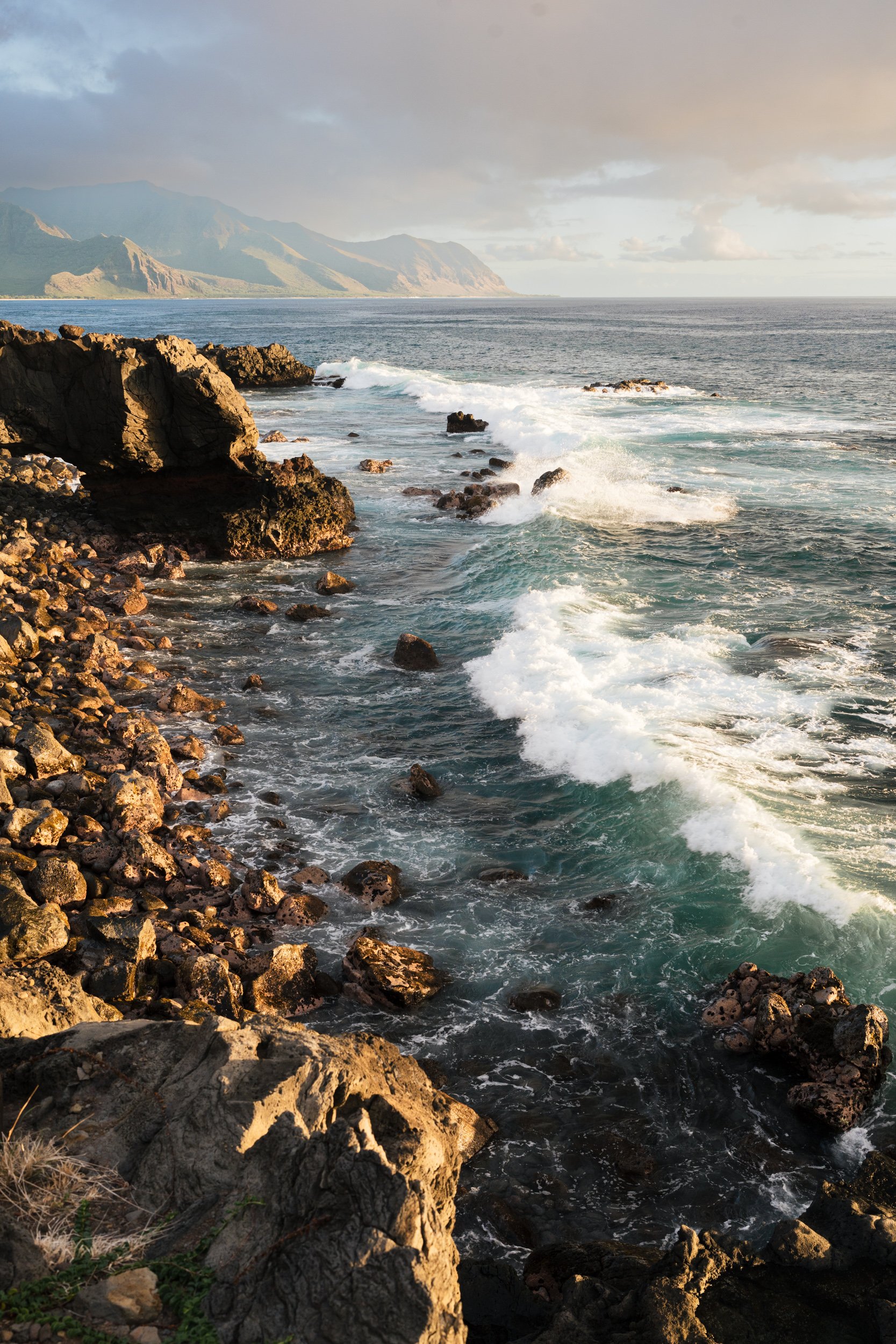
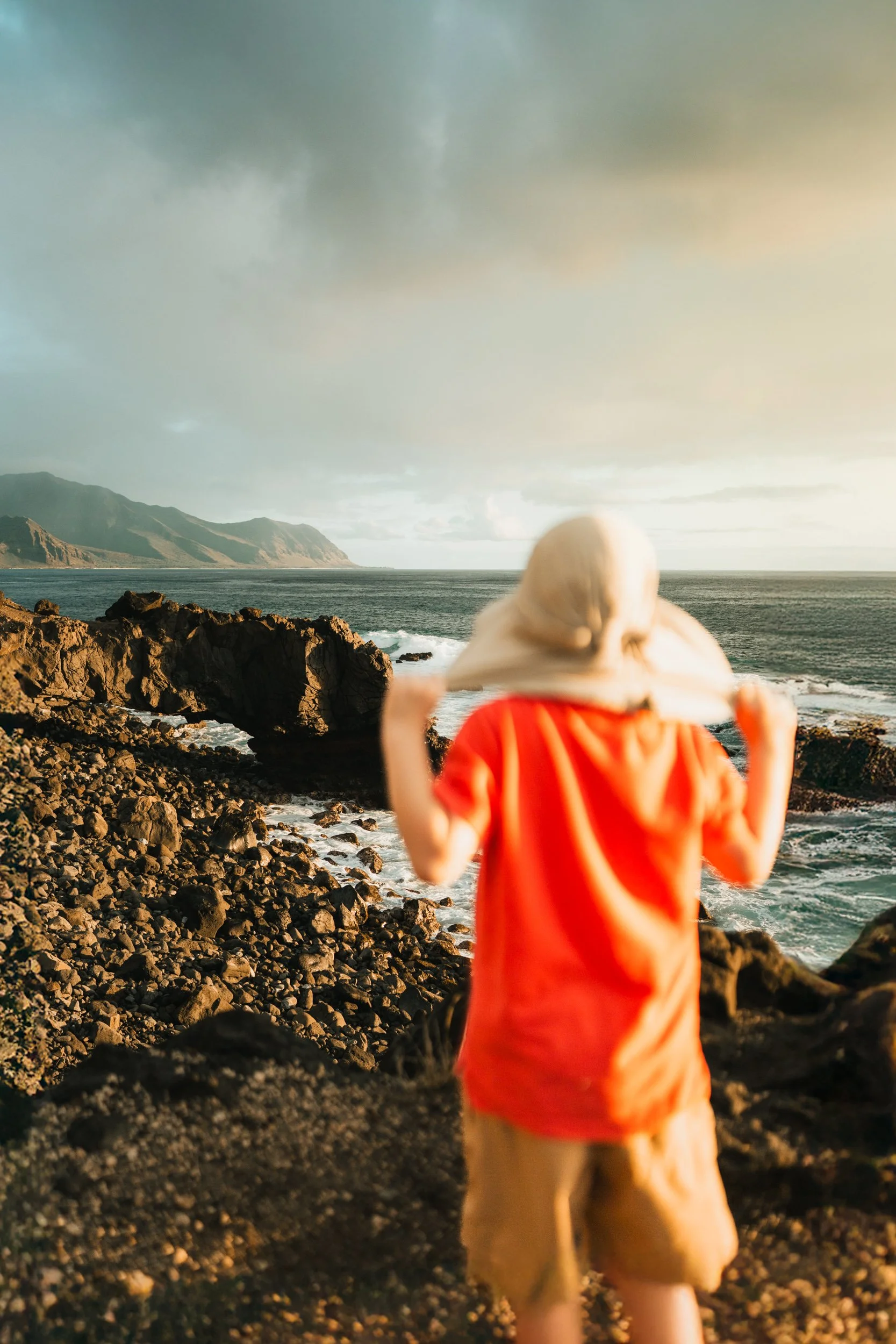
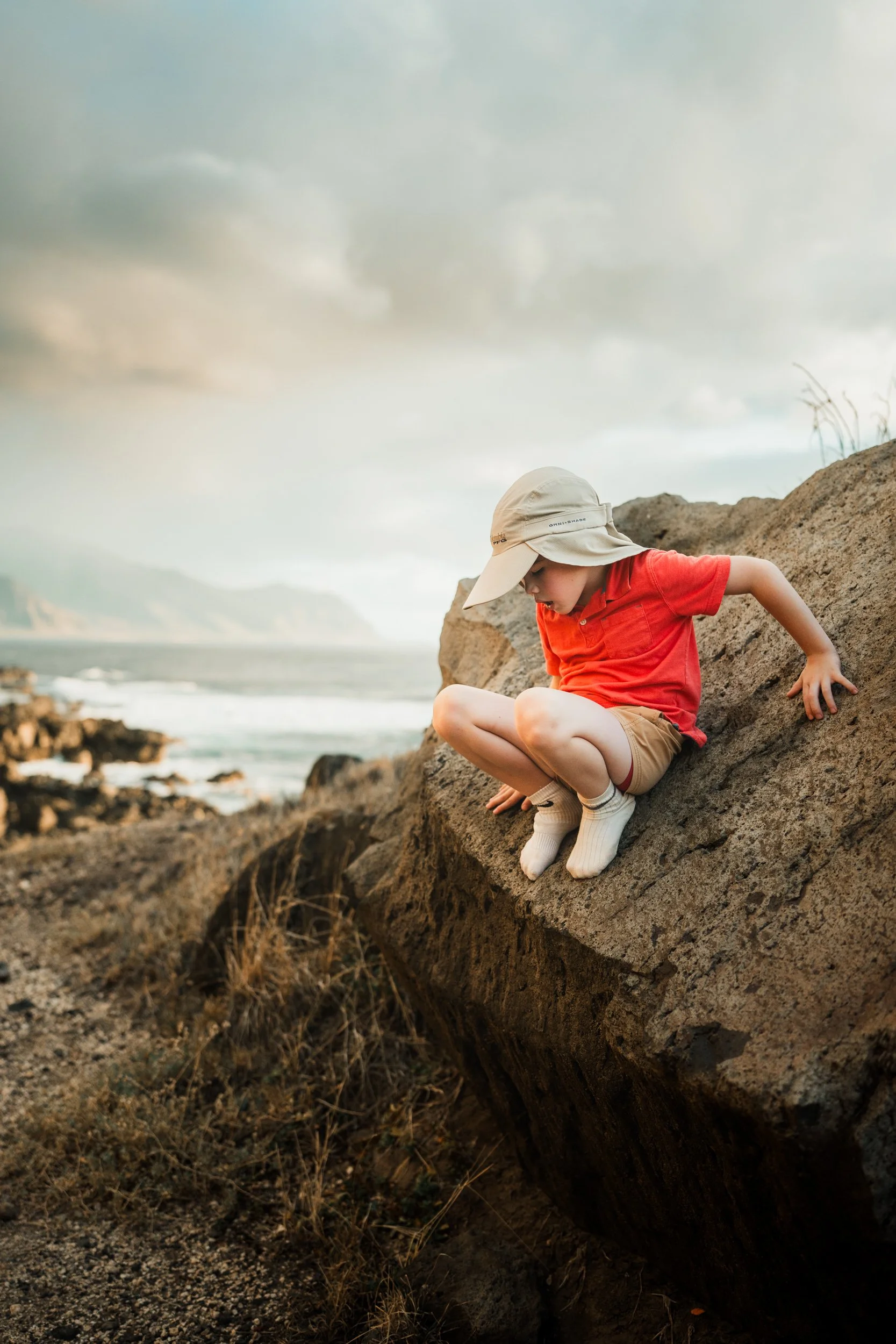
Ka’ena Point remains my favorite place to photograph on Oahu—not because it’s easy, but because it rewards patience and timing. I’ve mentioned it in my past blog: Oahu Beyond Waikiki (part 1) and Oahu Beyond Waikiki (part 2).
The hike to the lighthouse is a 5-mile out-and-back trail, with two route options: the western side, which is rocky and rugged, and the northern side, which is flatter and sandy. Both offer sweeping coastal views, but the experience feels very different depending on which direction you choose.
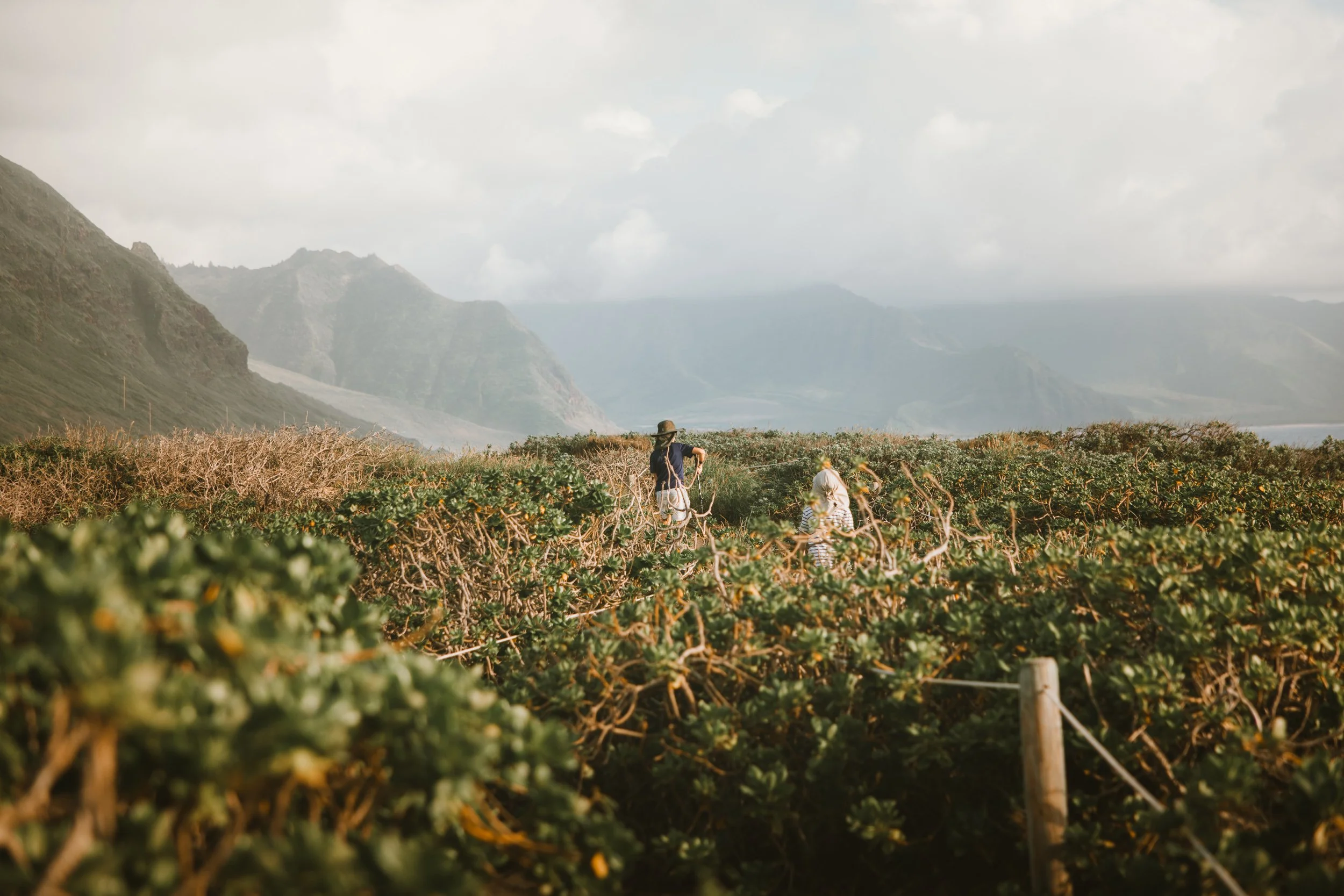
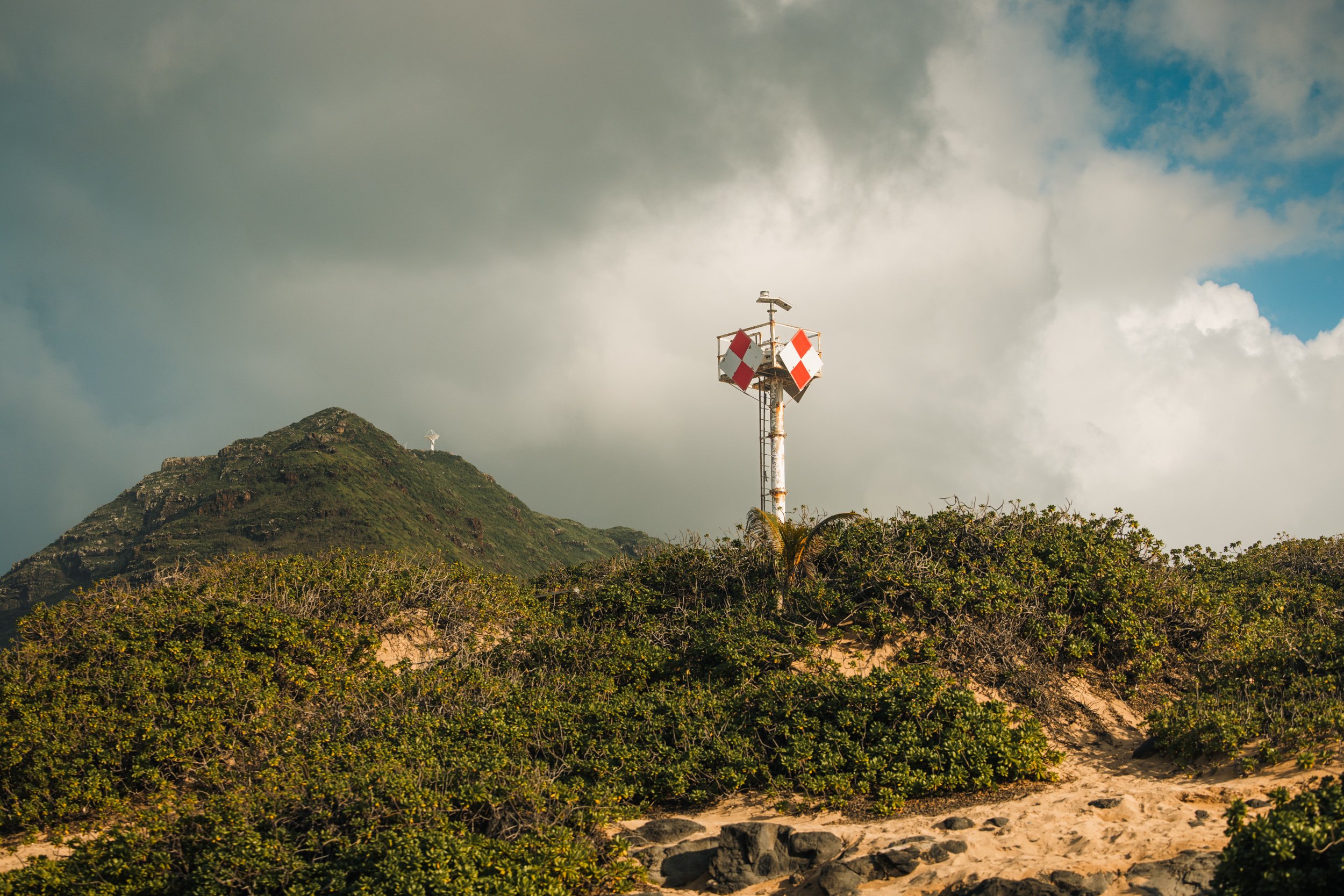
The trail closes at 7pm, which makes late fall and winter months (November–January) surprisingly ideal despite shorter days. Starting around 3pm allows enough time to hike out and back within roughly three hours, capturing golden hour and even a bit of blue hour on the return without walking entirely in the dark.
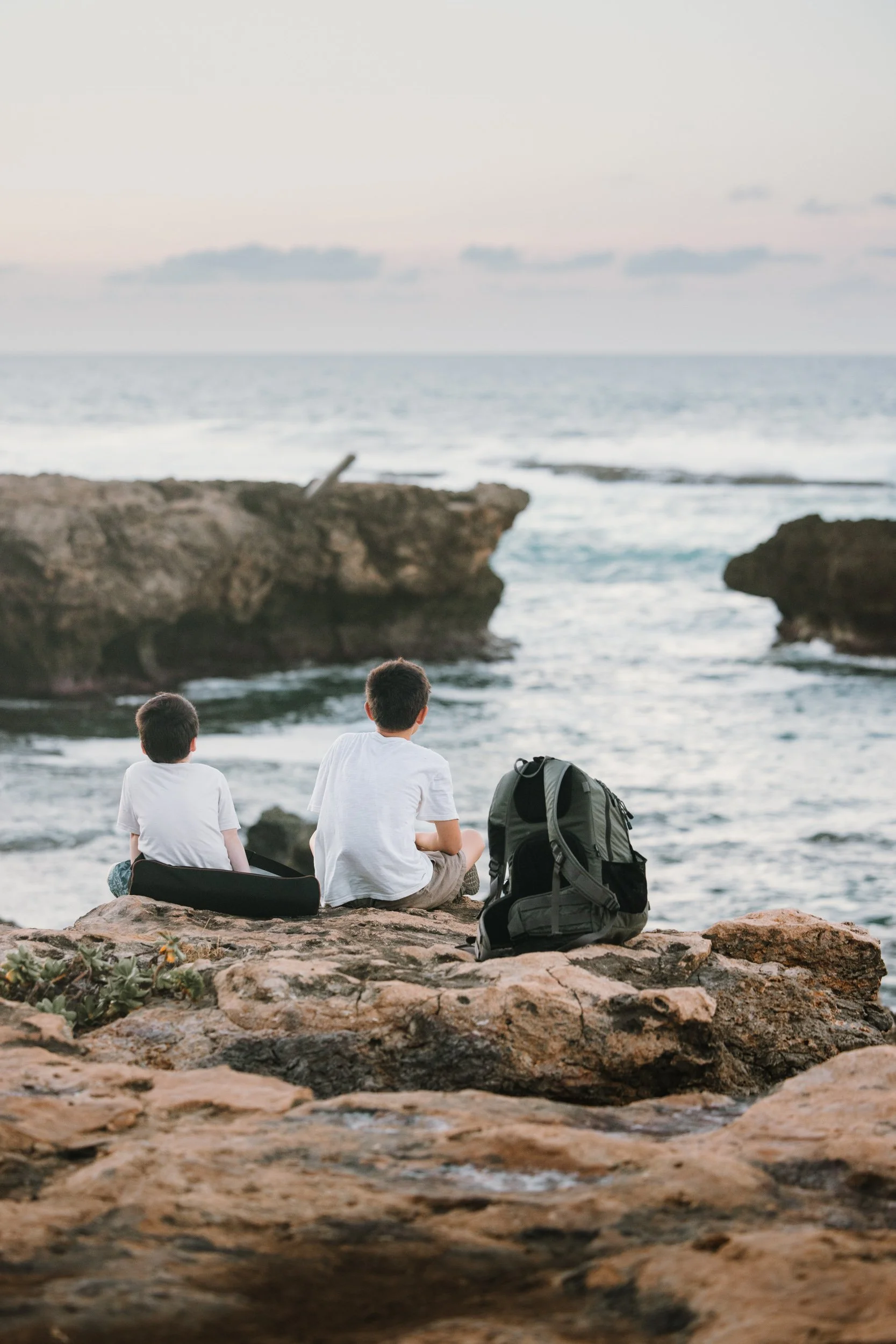
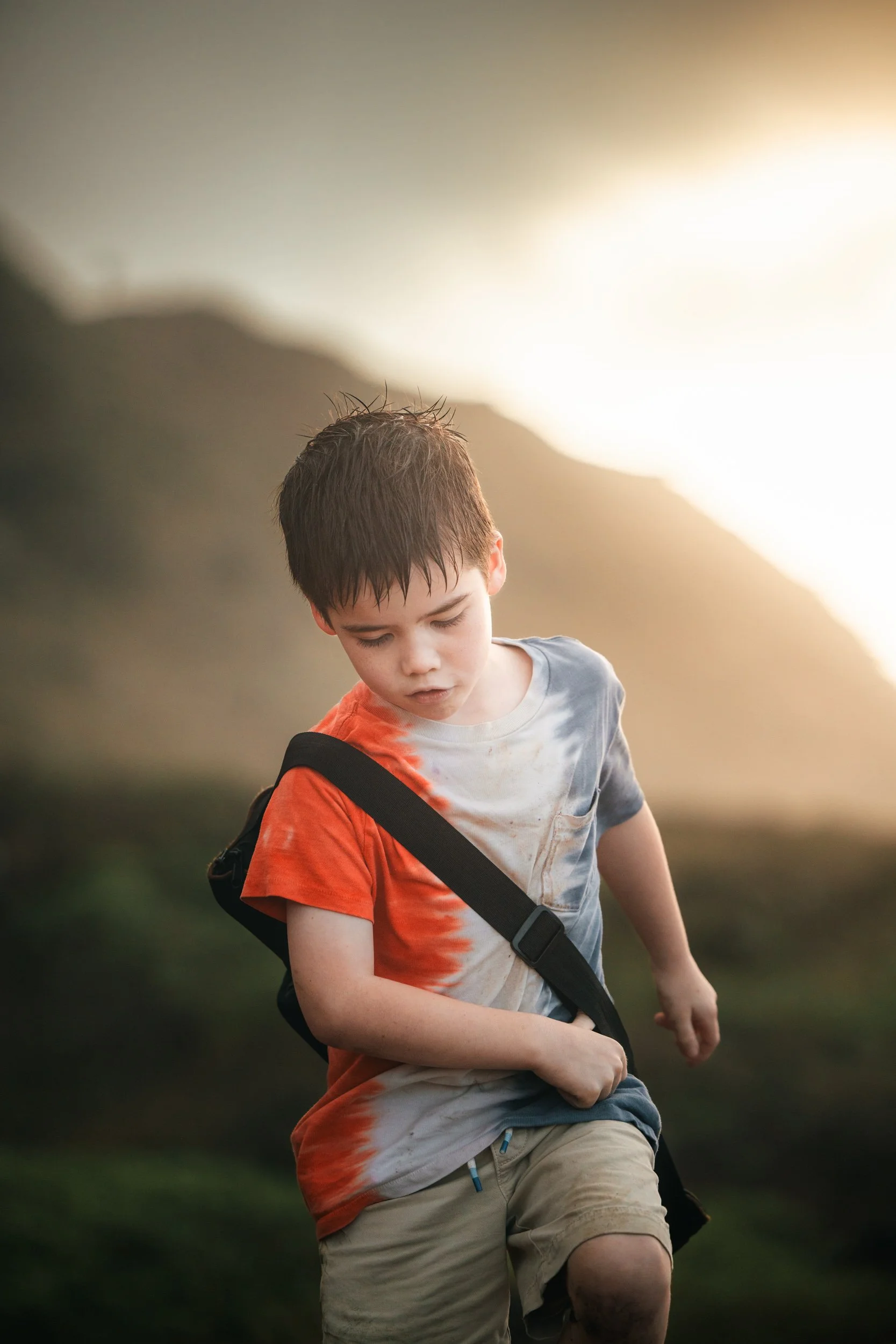
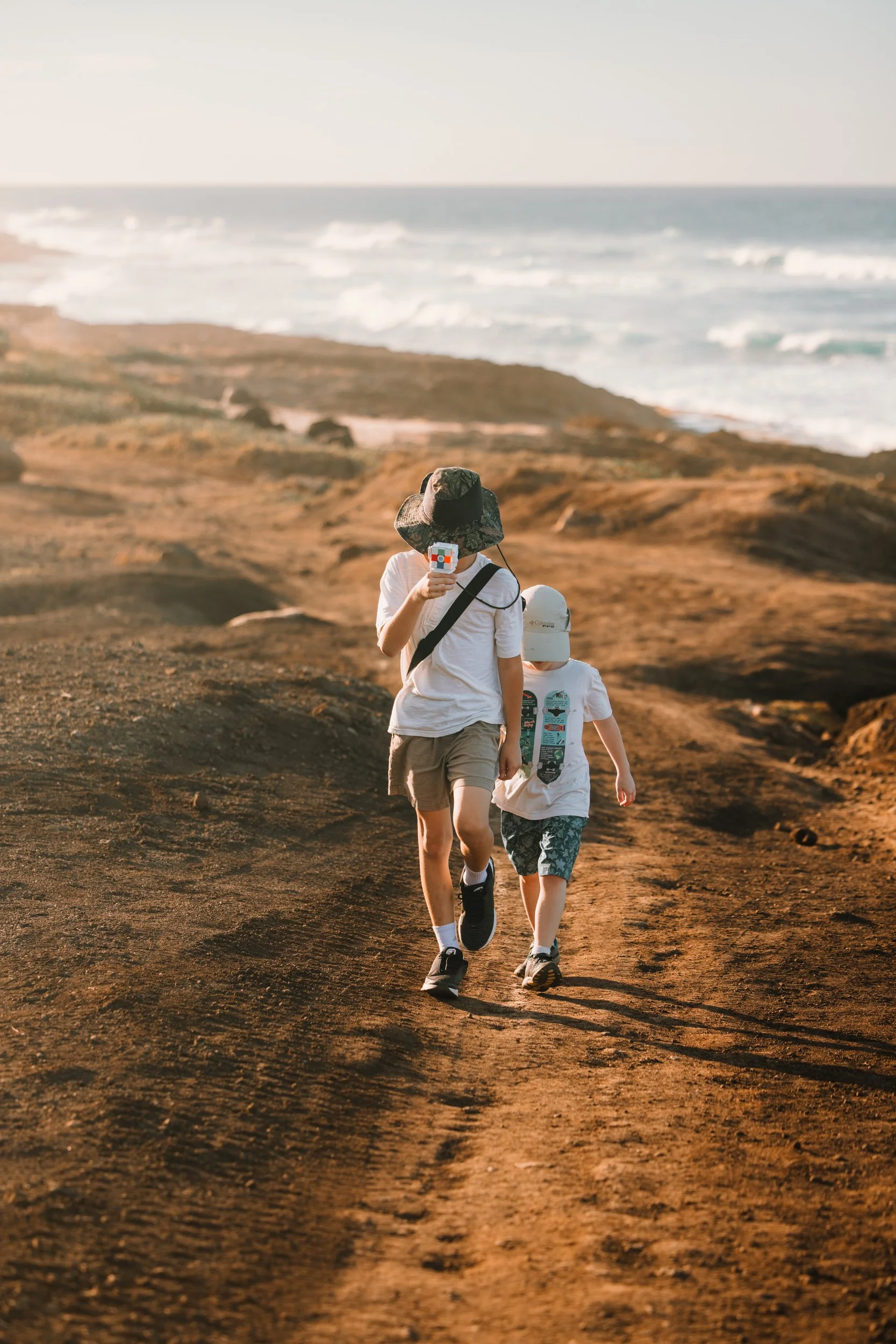
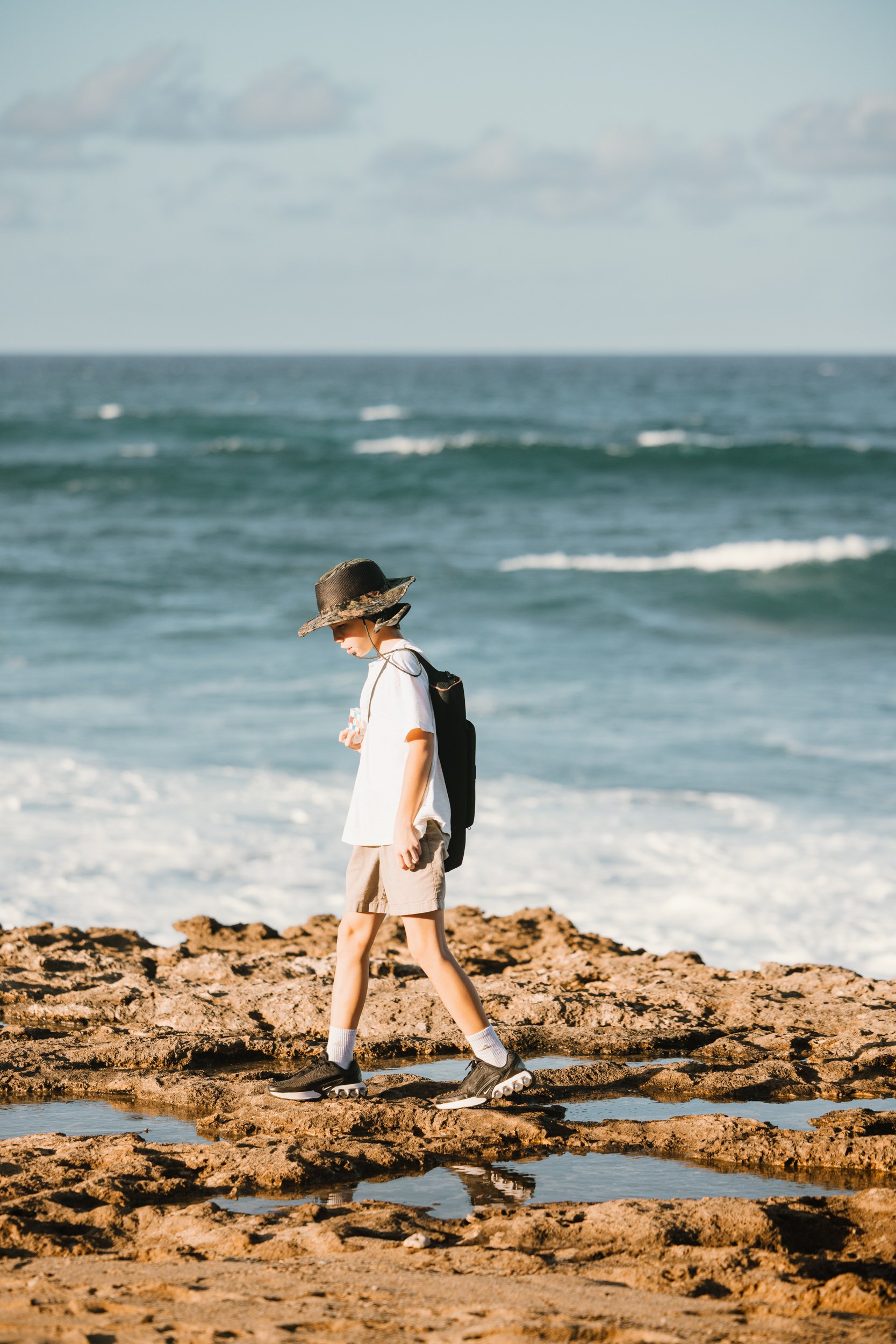
Winter brings cooler temperatures but also rain, puddles, and occasional storms—we’ve turned back more than once. Sunrise is possible if you’re staying on the North Shore and don’t mind starting in the dark, but sunset remains the most forgiving and rewarding option.
2. Papa’iloa Beach
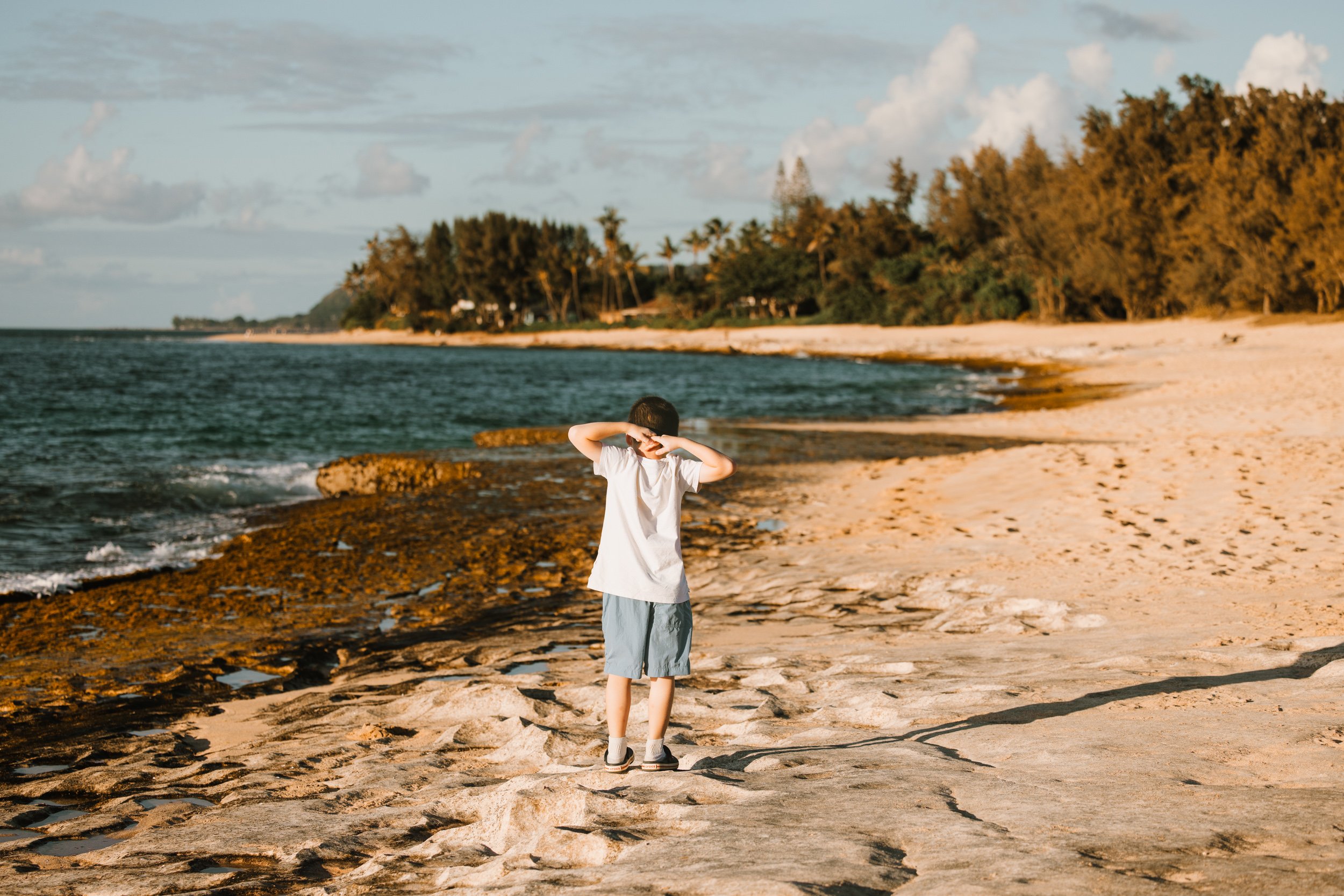
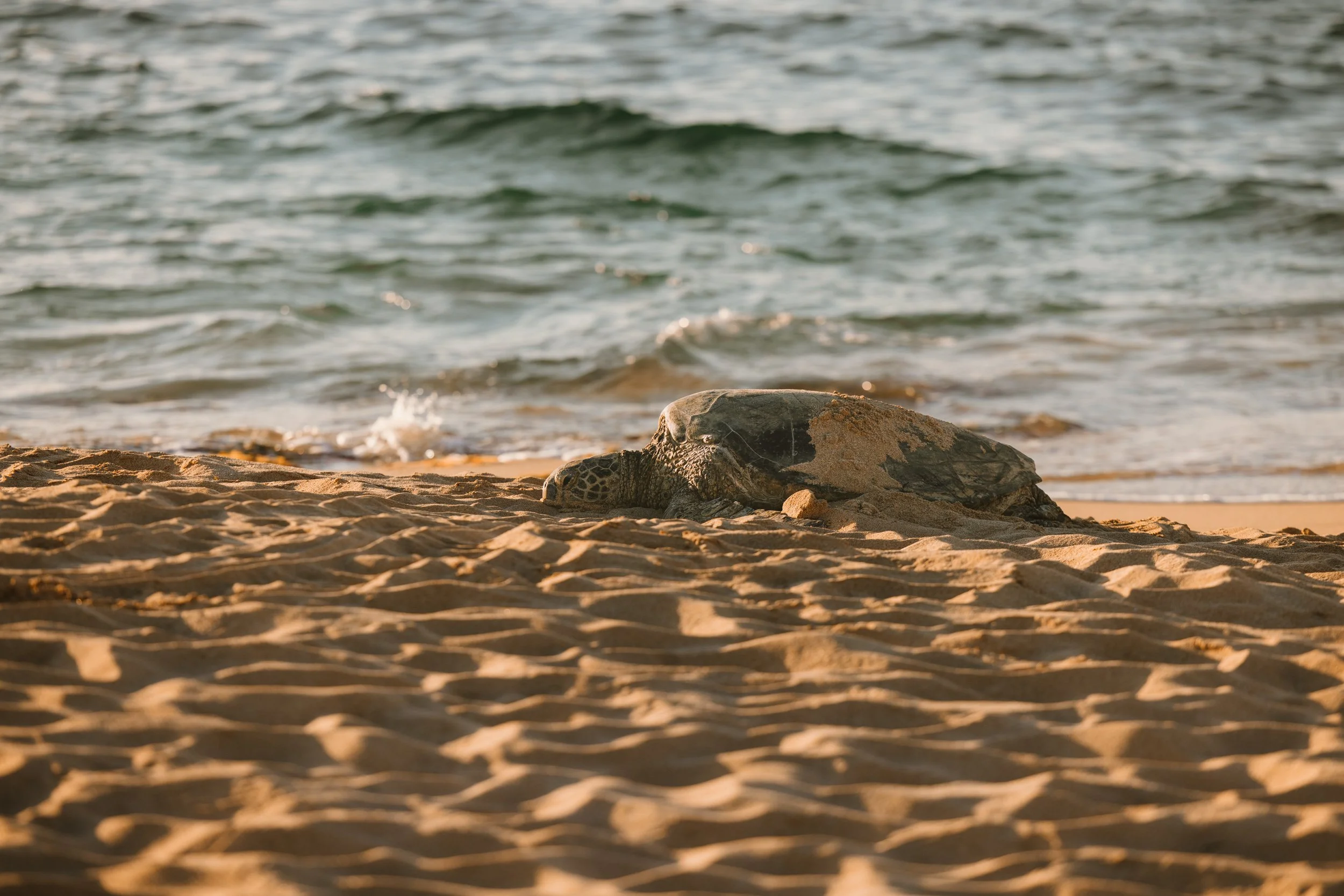
Tucked beside the famously crowded turtle beach at Laniakea, Papaʻiloa Beach feels like its quieter sibling. Accessed through a residential neighborhood, it offers the same North Shore beauty—reef textures, turquoise water, and frequent turtle sightings—without the constant stream of visitors and roadside congestion.
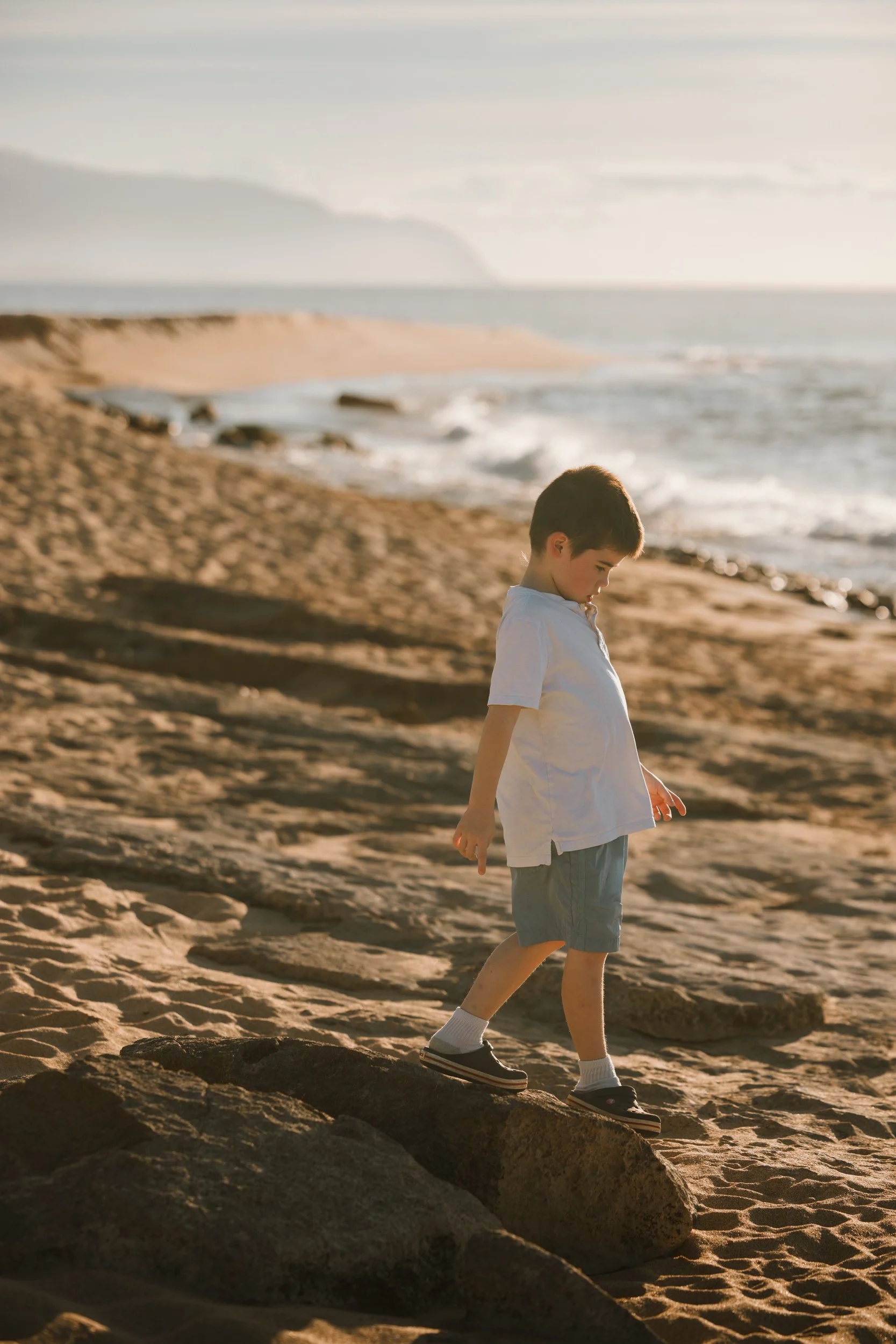
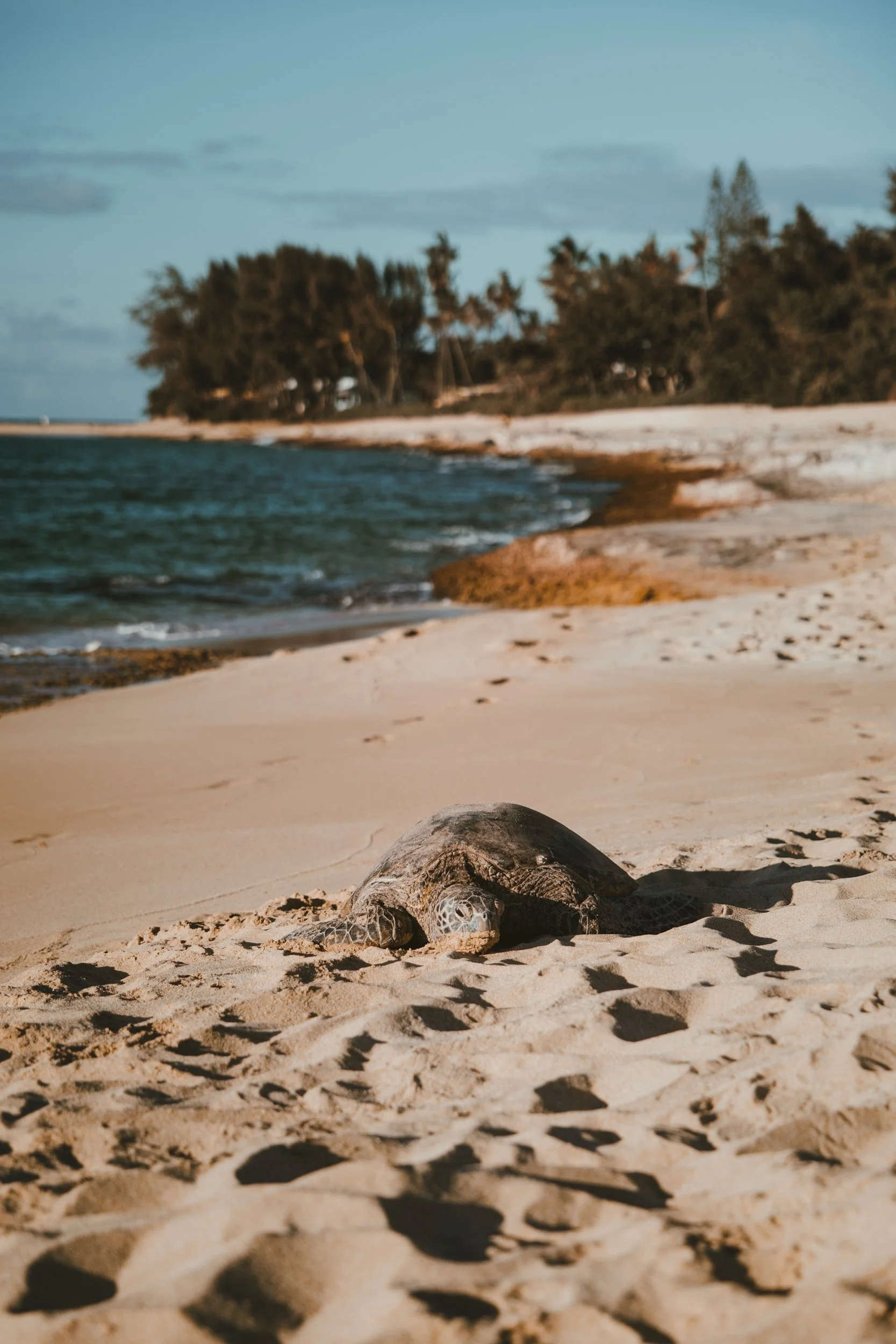
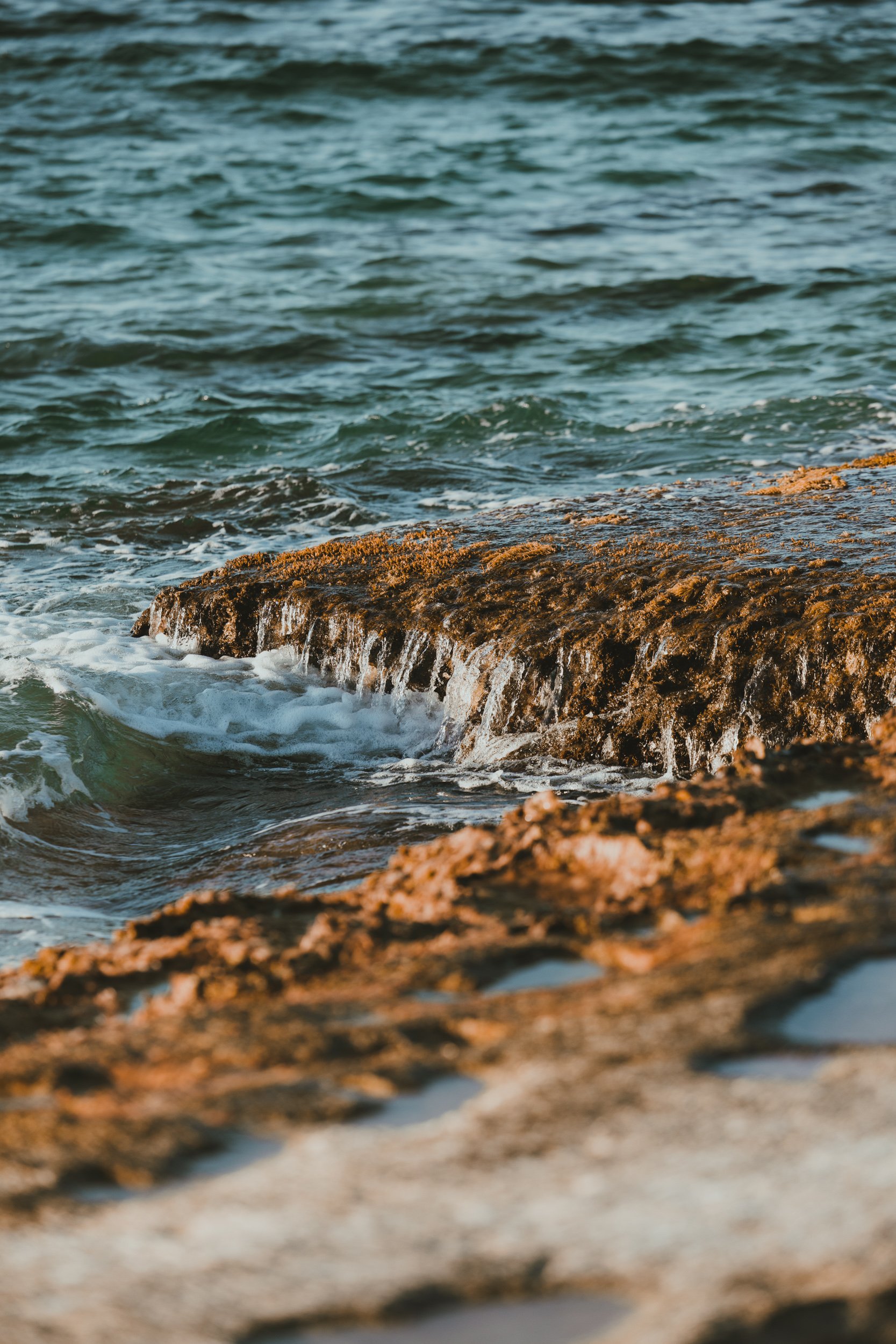
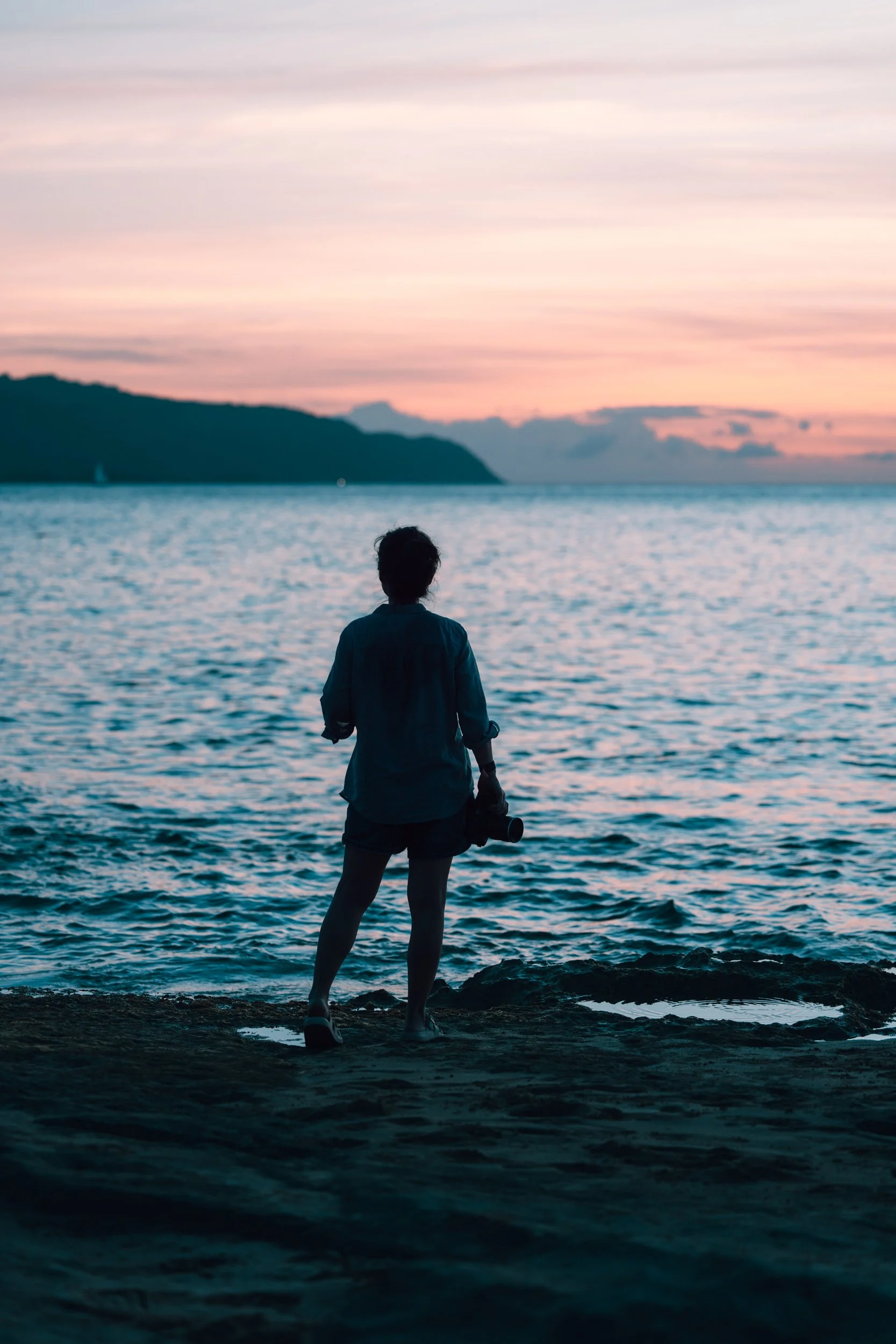
Parking is tucked in a residential neighborhood, limited but calmer than the many other north-shore beaches along a busy road. The beach is more spacious, and it’s easier to slow down and observe. For photographers, this often means better opportunities to photograph wild Hawaiian sea turtles responsibly from a distance, as well as cleaner compositions without people blocking or stepping into the frame every few seconds.
3. Pink Pillbox Trail (Maili Pillbox)
Pink Pillbox offers one of the most expansive coastal views on Oahu, looking down from high above the west side of the island. While it’s not exactly underrated, it’s still far less crowded than the Lanikai Pillbox on the east side, which draws significantly more visitors due to its location and popularity on social media.
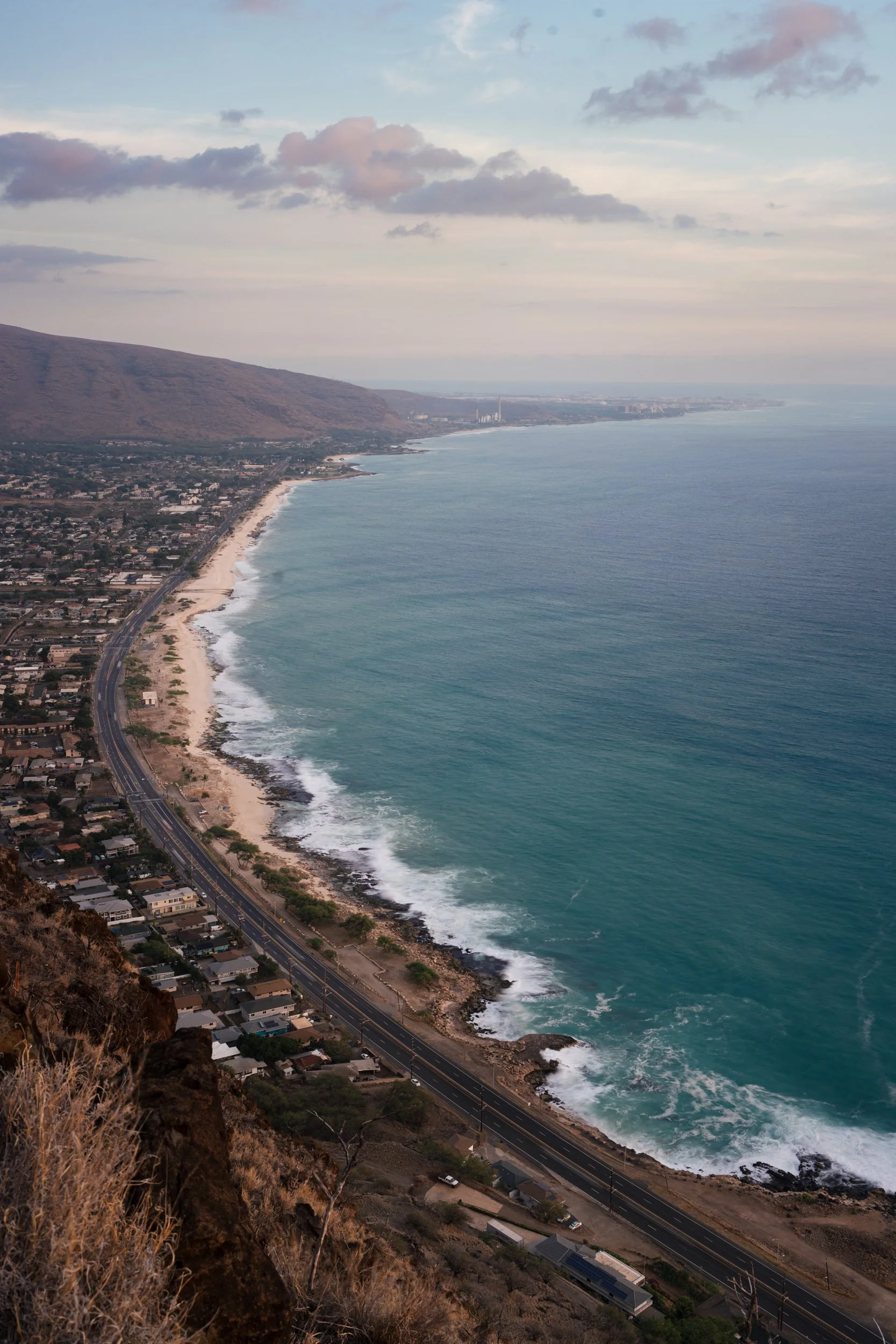
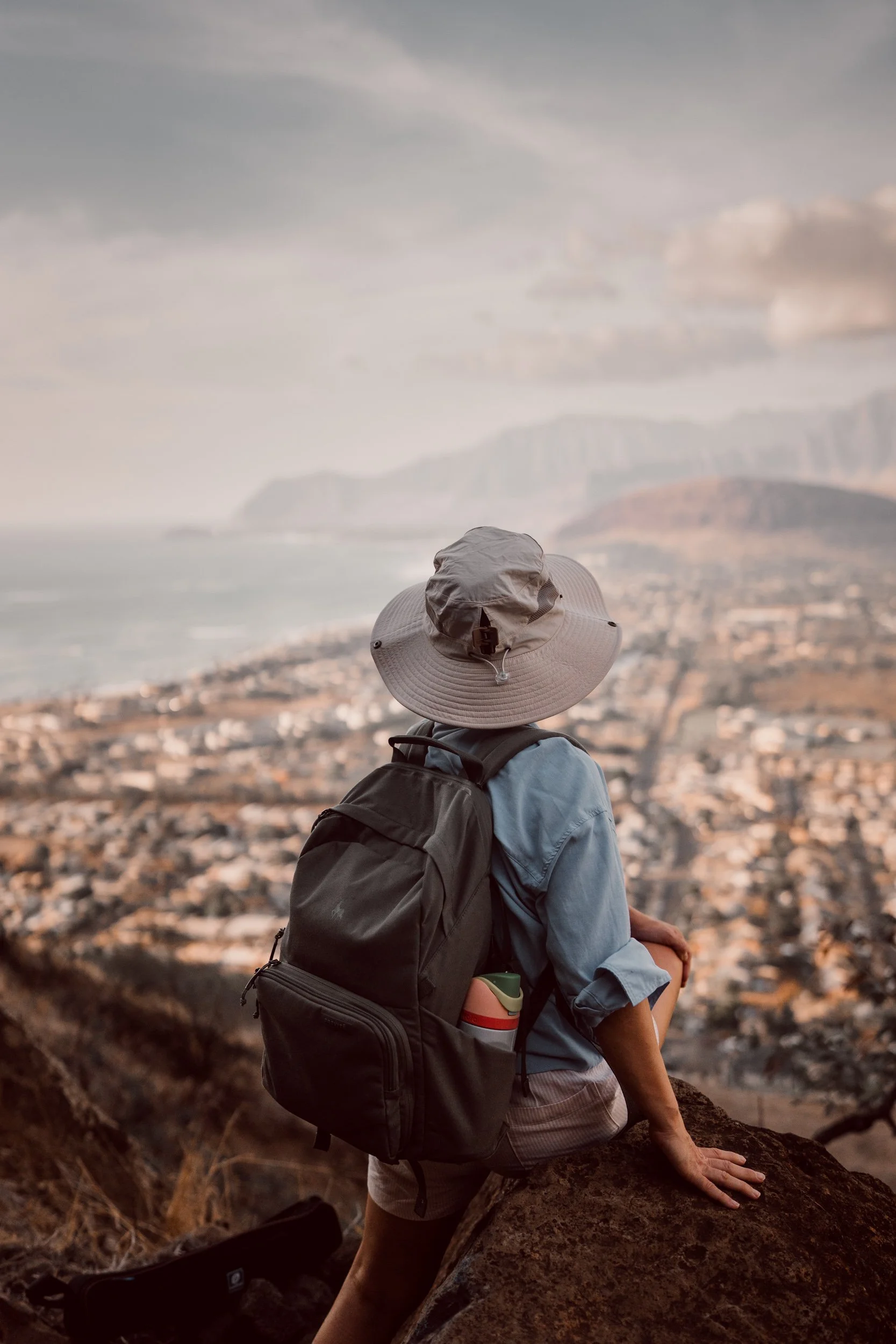
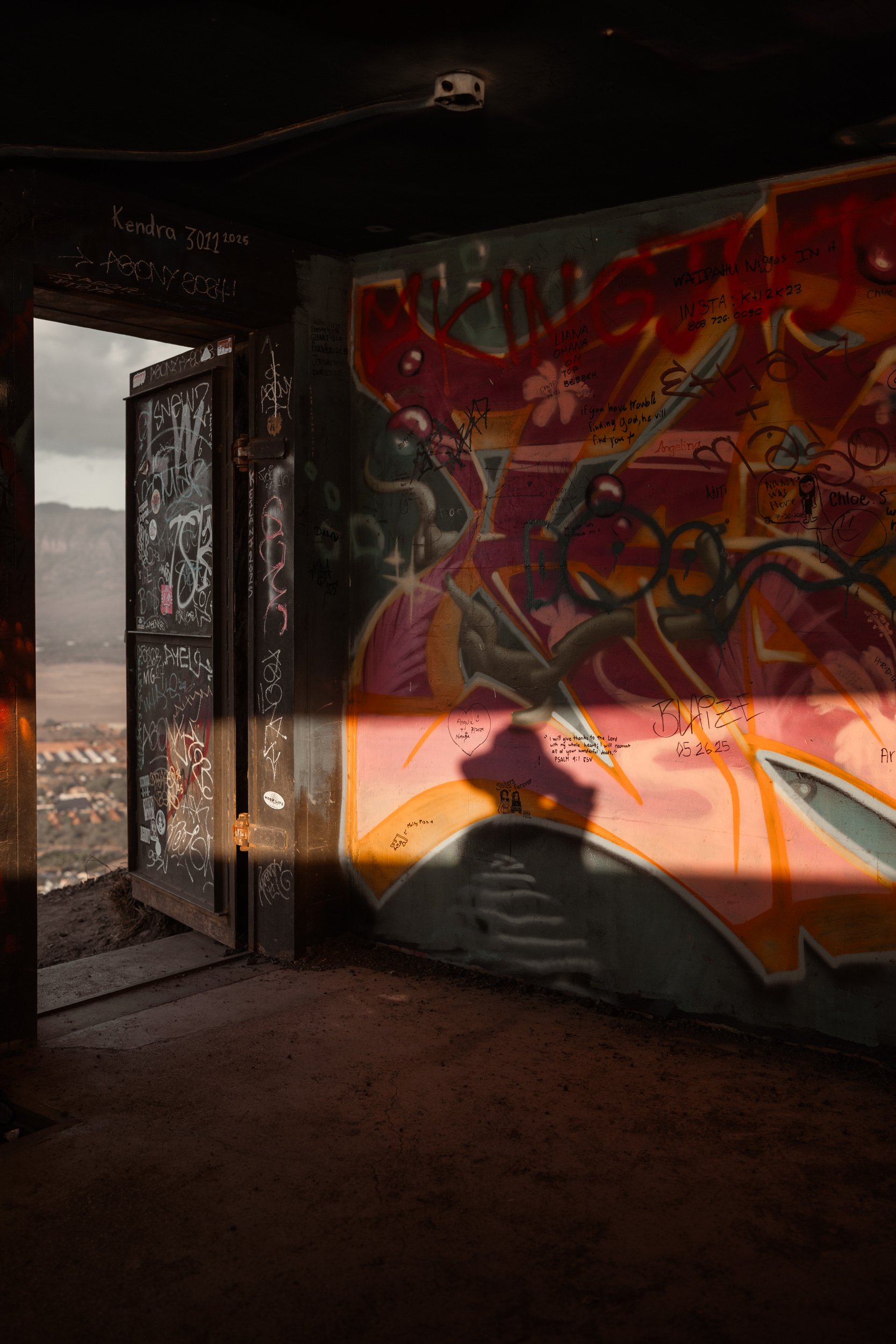
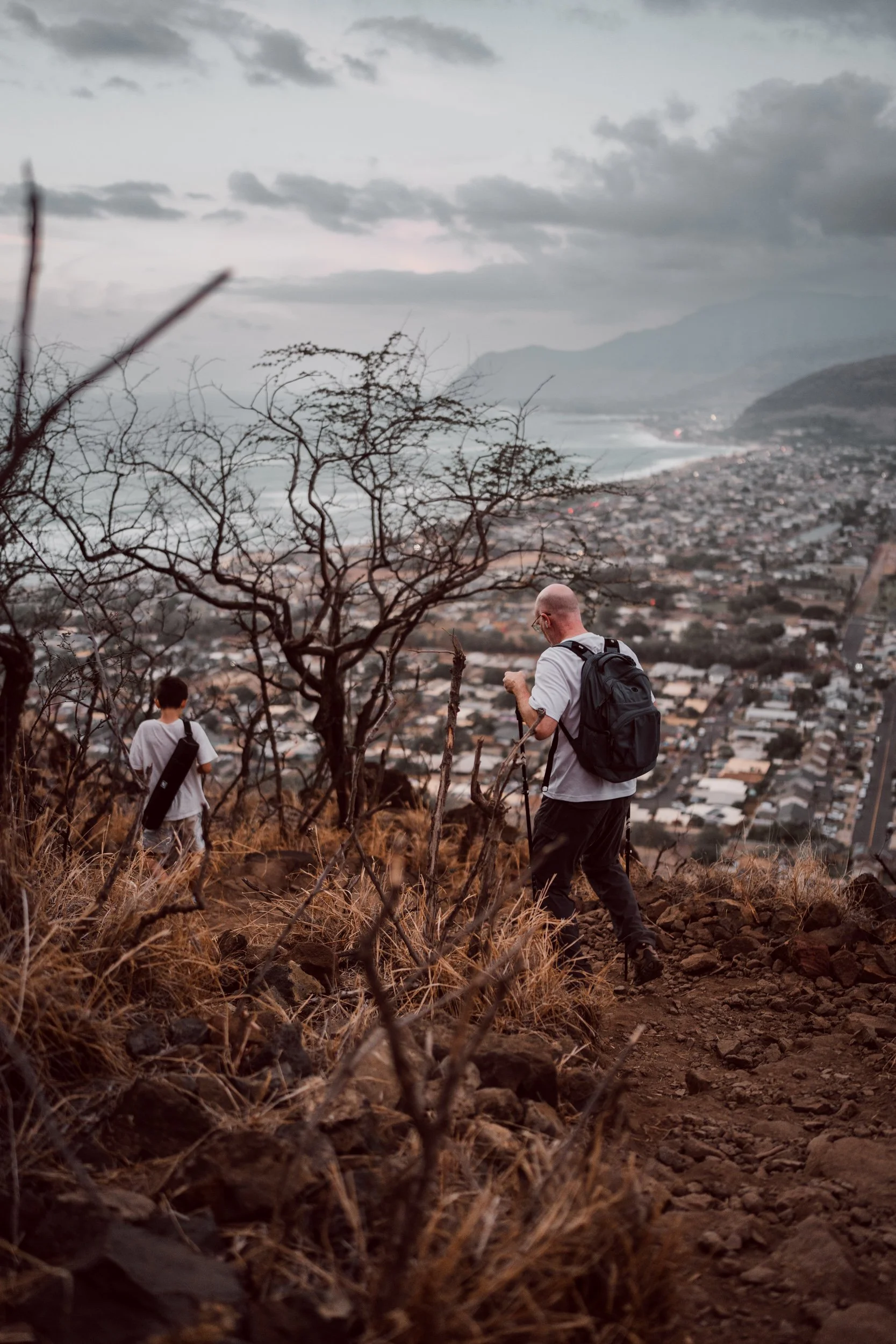
This is not a relaxed hike—especially in afternoon heat—but sunset is where it truly shines. From the top, the coastline stretches endlessly, and the elevation makes it easier to work with layered compositions as the light softens. Starting late in the day helps avoid crowds and harsh midday sun.
4. Pounders Beach
Pounders Beach stands out for its dramatic backdrop. Mountains rise sharply behind the shoreline, with trees and bushes naturally framing the scene, making it especially well suited for environmental portraits.
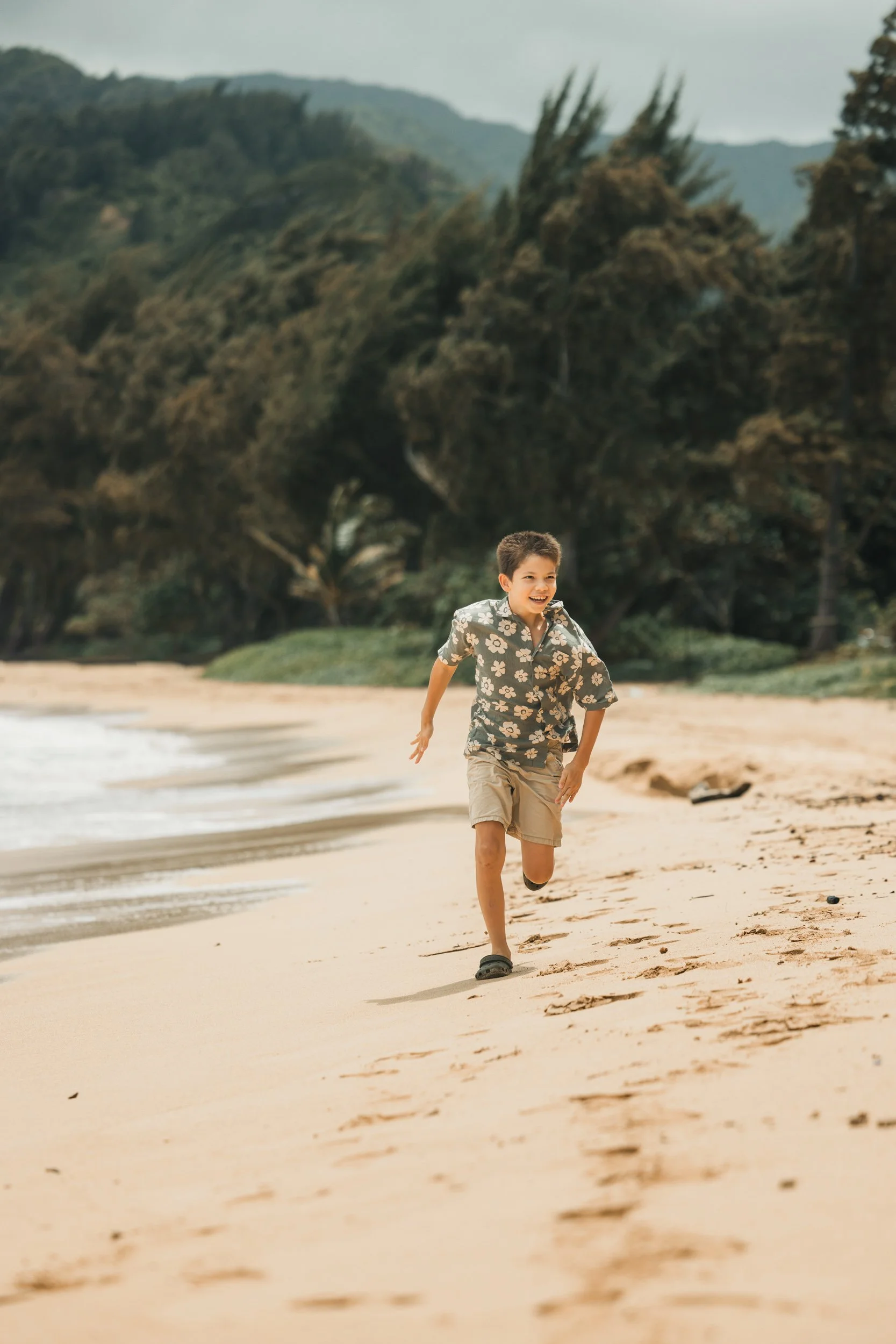
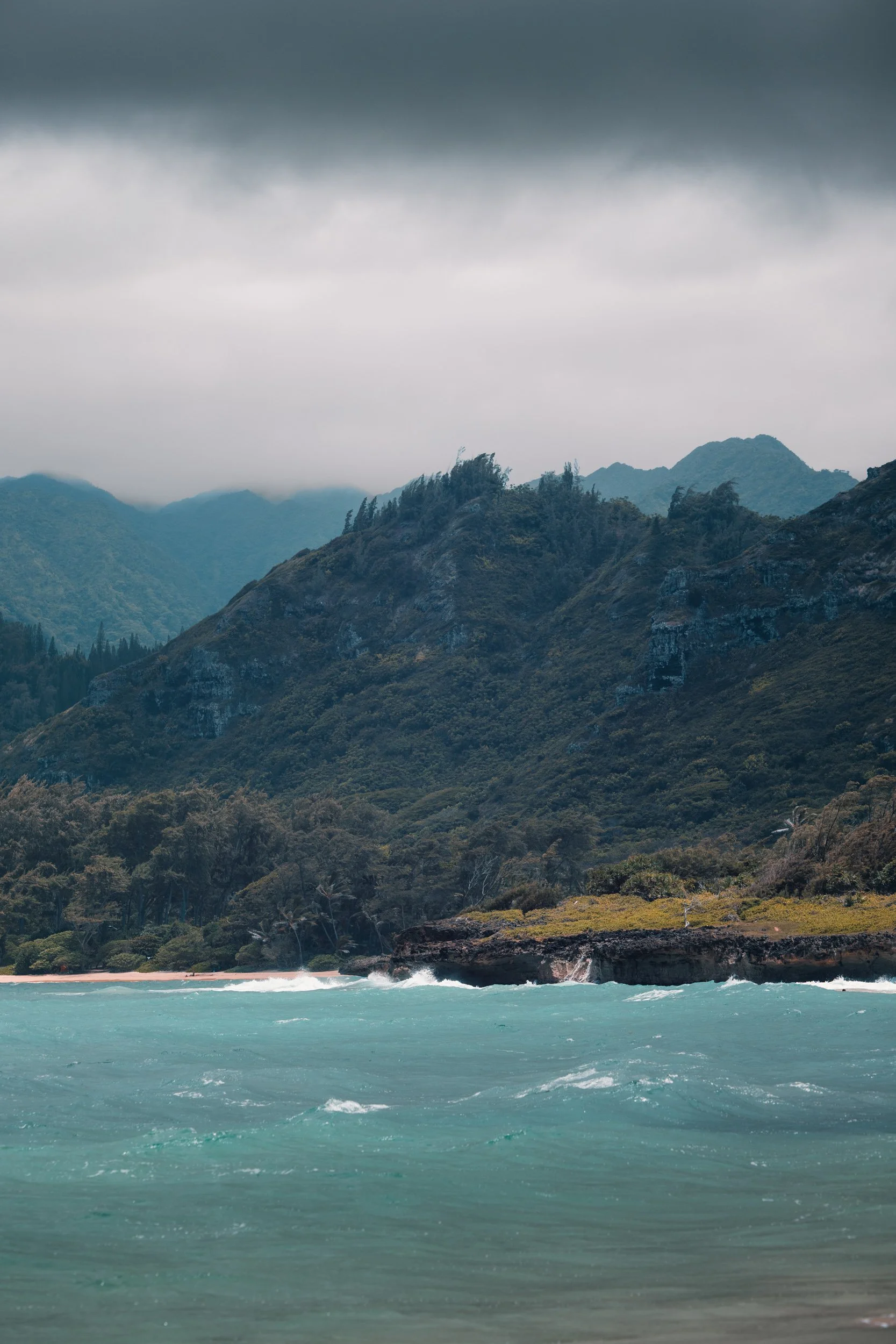
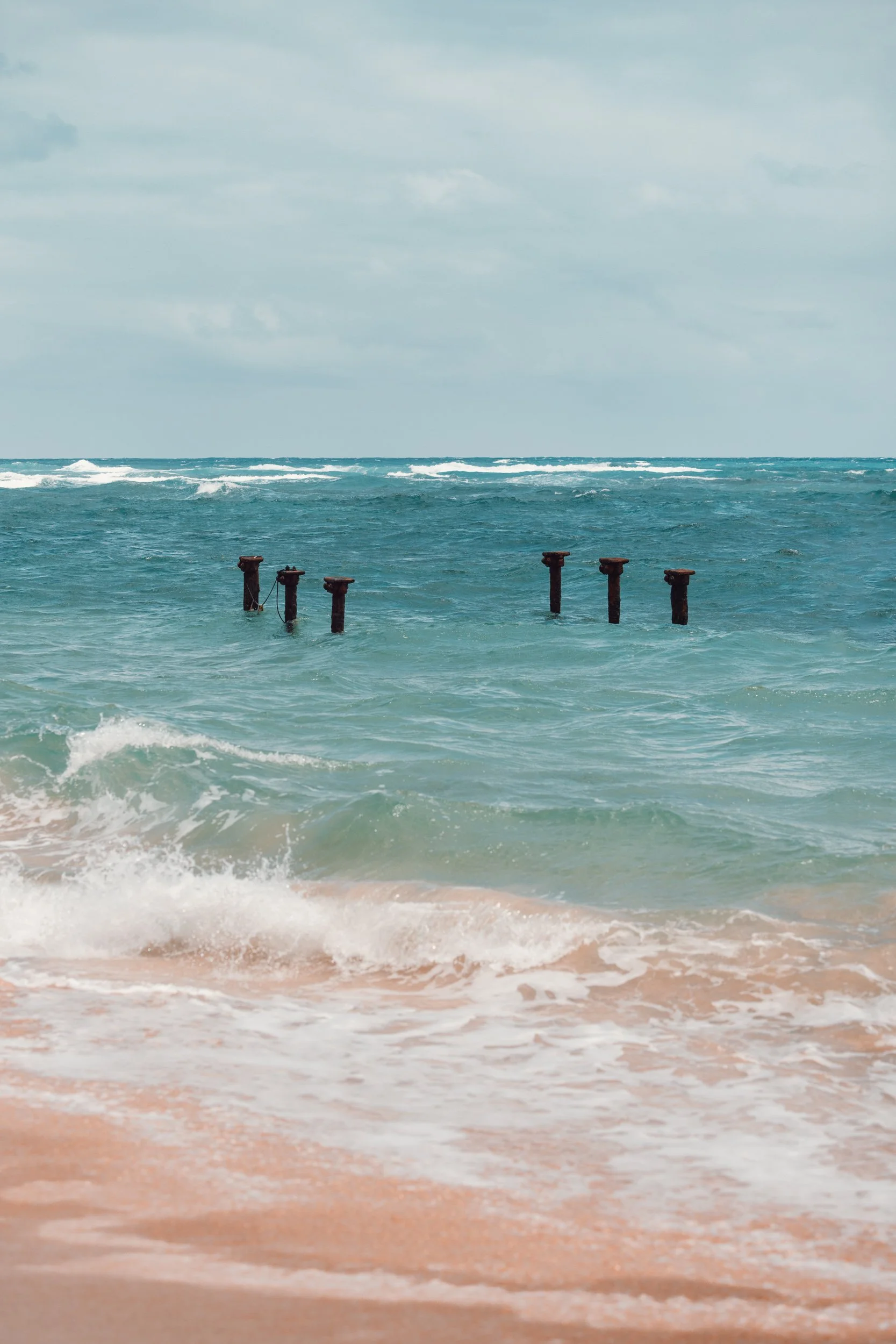
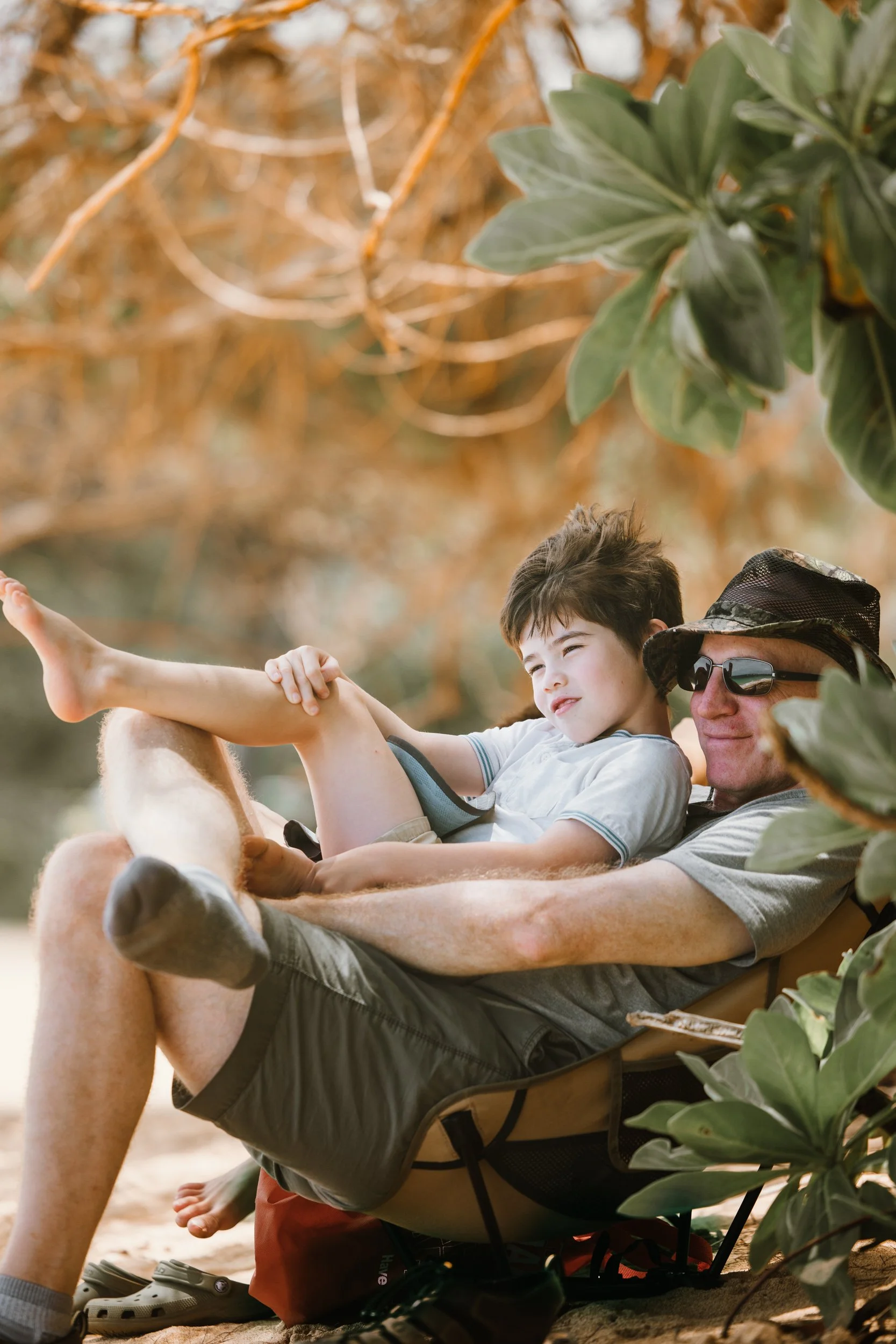
It’s often breezier and more powerful than calmer swimming beaches, but that energy translates beautifully in photos. Because it’s less frequented than many North Shore beaches, you’ll often find long stretches of sand where you can shoot uninterrupted, especially outside peak hours.
Do you want to turn everyday scenes into compelling photos?
Download this fast-track composition guide and learn to see—and capture—beauty wherever you are.

5. Kahana Bay Beach Park
Kahana Bay feels wide open and cinematic, with steep green cliffs wrapping around the bay. Like Pounders, it works exceptionally well for portraits, especially when you want subjects to feel grounded within the landscape rather than isolated from it.
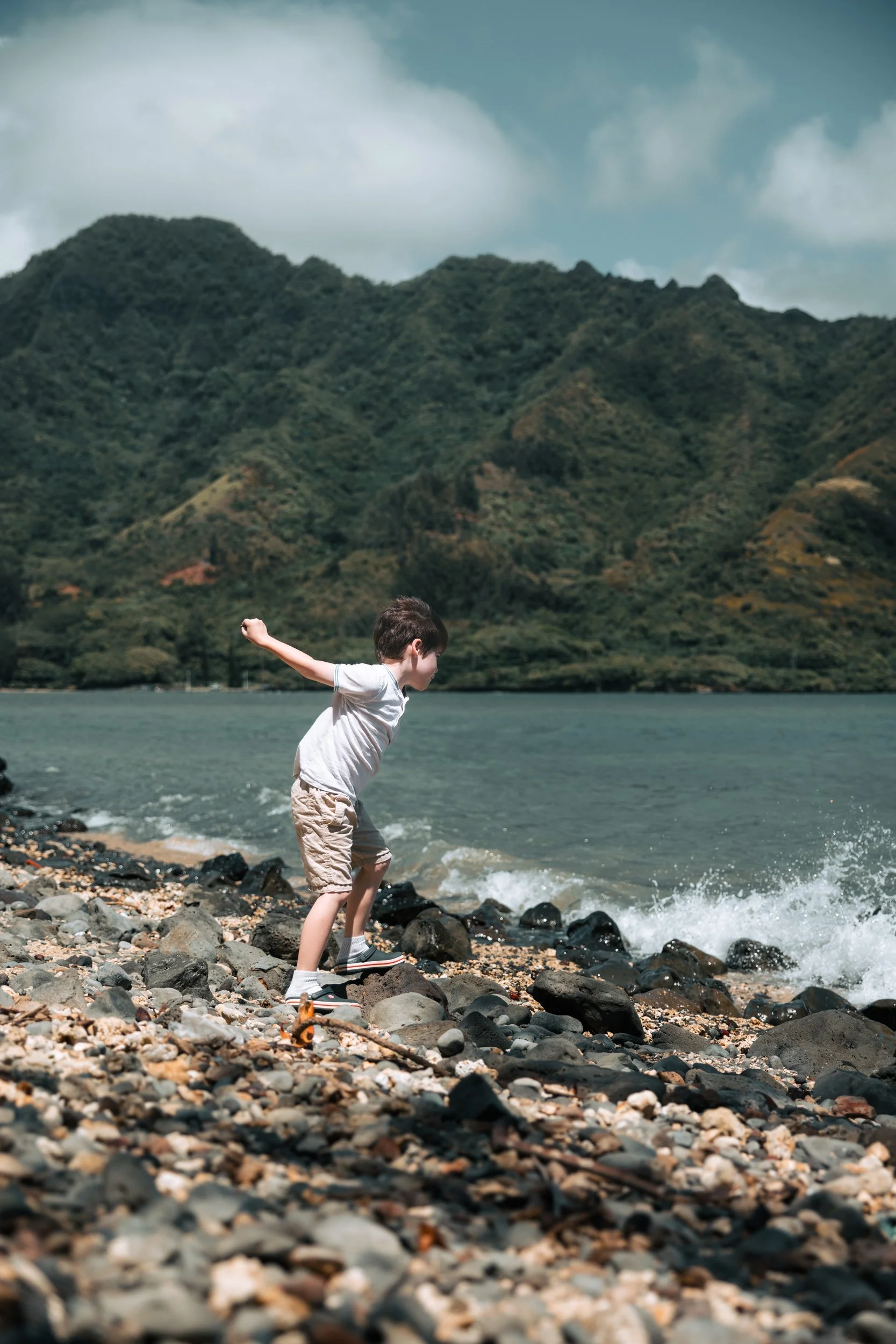
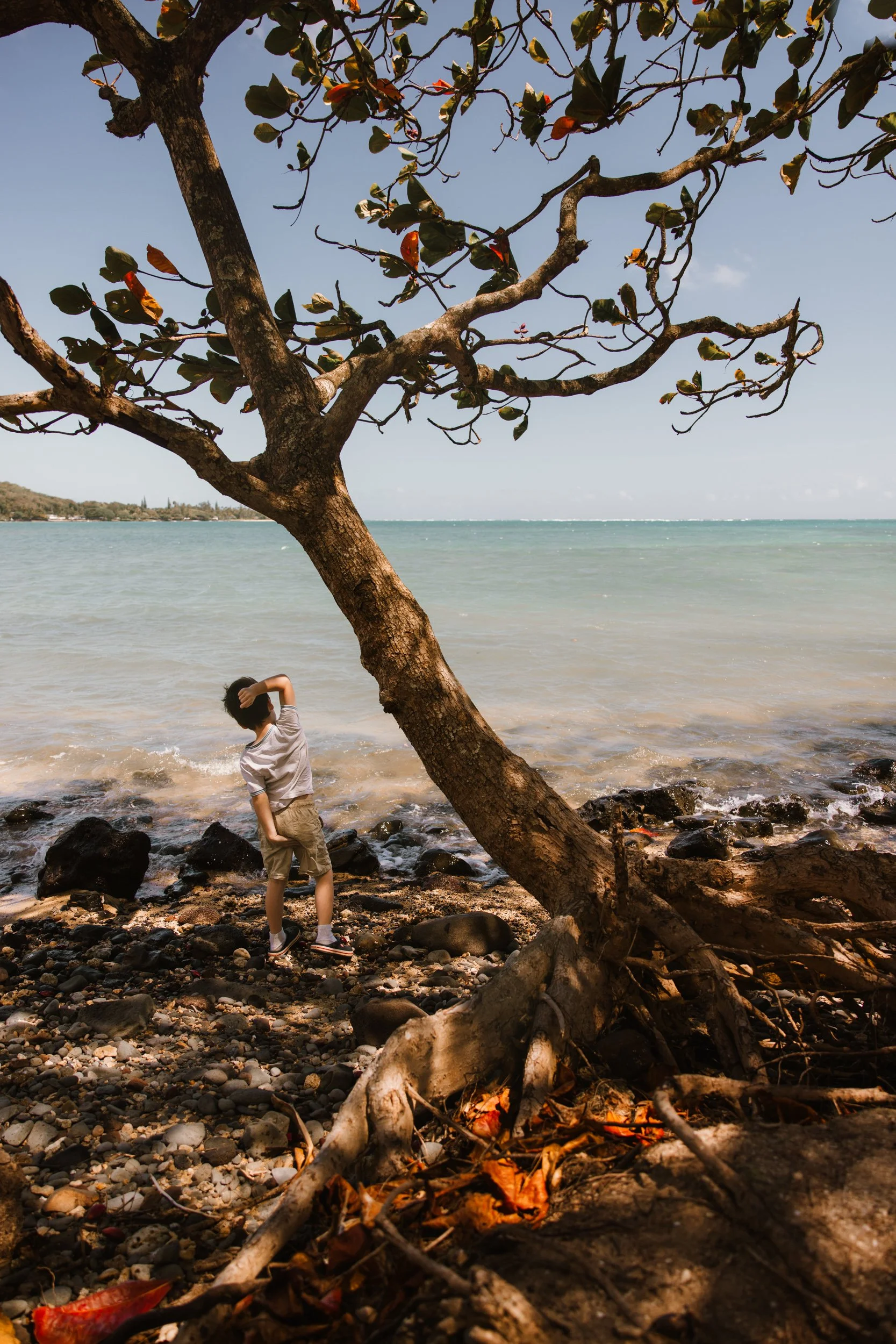
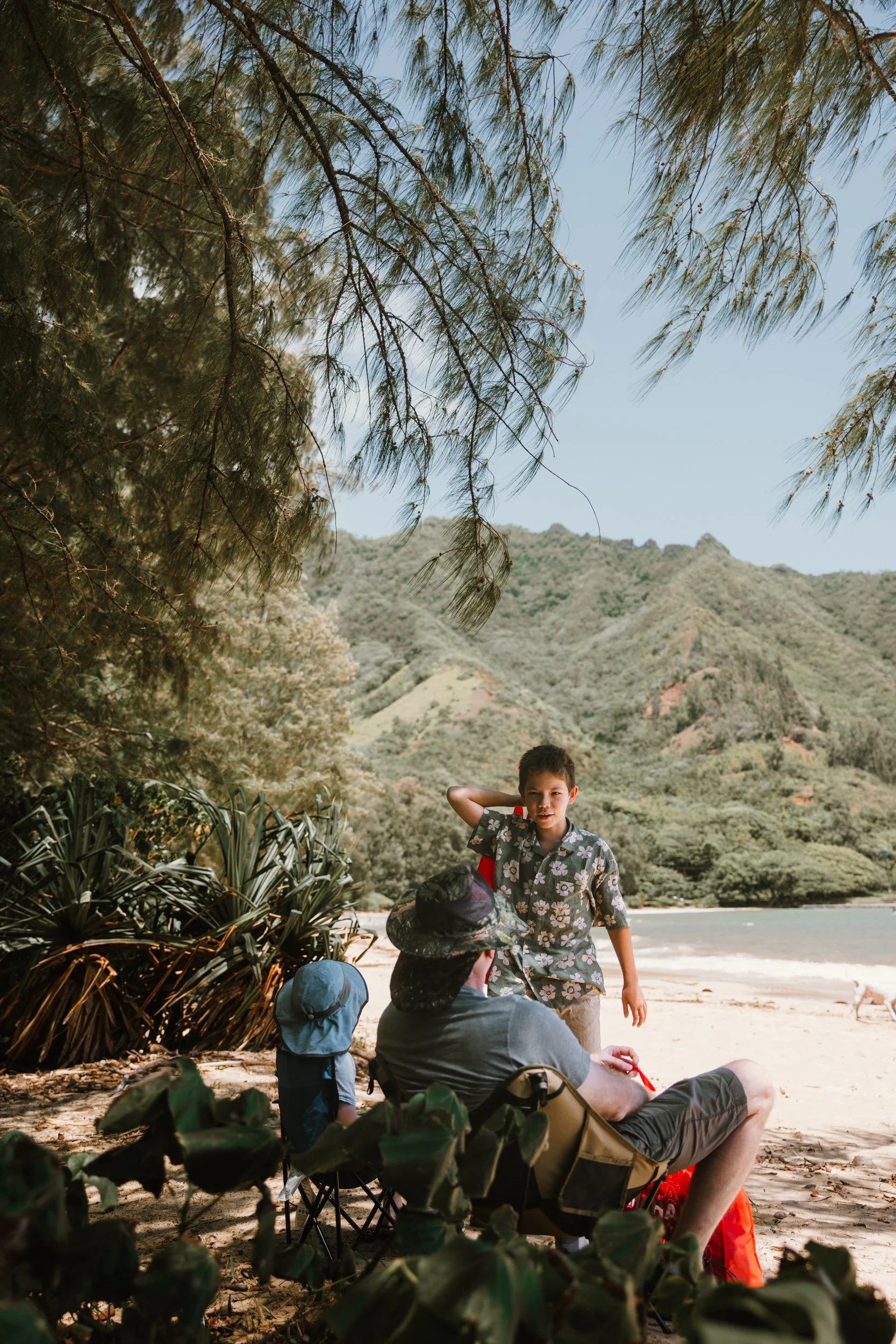
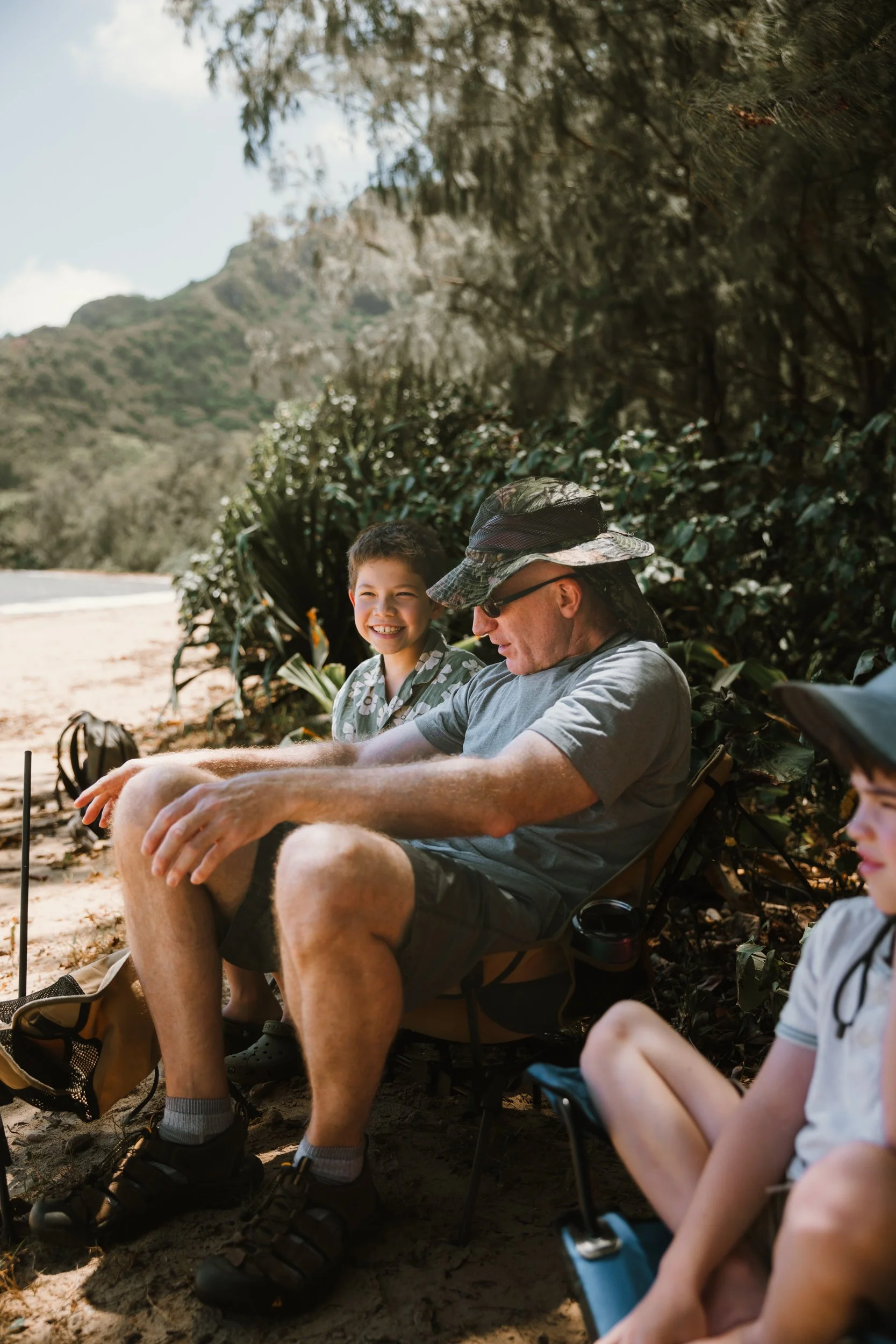
Light changes quickly here as clouds roll over the mountains, creating subtle mood shifts within minutes. It’s a place where patience pays off—not by waiting all day, but by staying present long enough to recognize when the scene comes together.
6. Aiea Loop Trail
Aiea Loop is a shaded 5-mile forest trail that offers a completely different photographic experience from Oahu’s beaches. The hike itself is calm and non-touristy, with filtered light and dense greenery that feels refreshing after days on the coast.
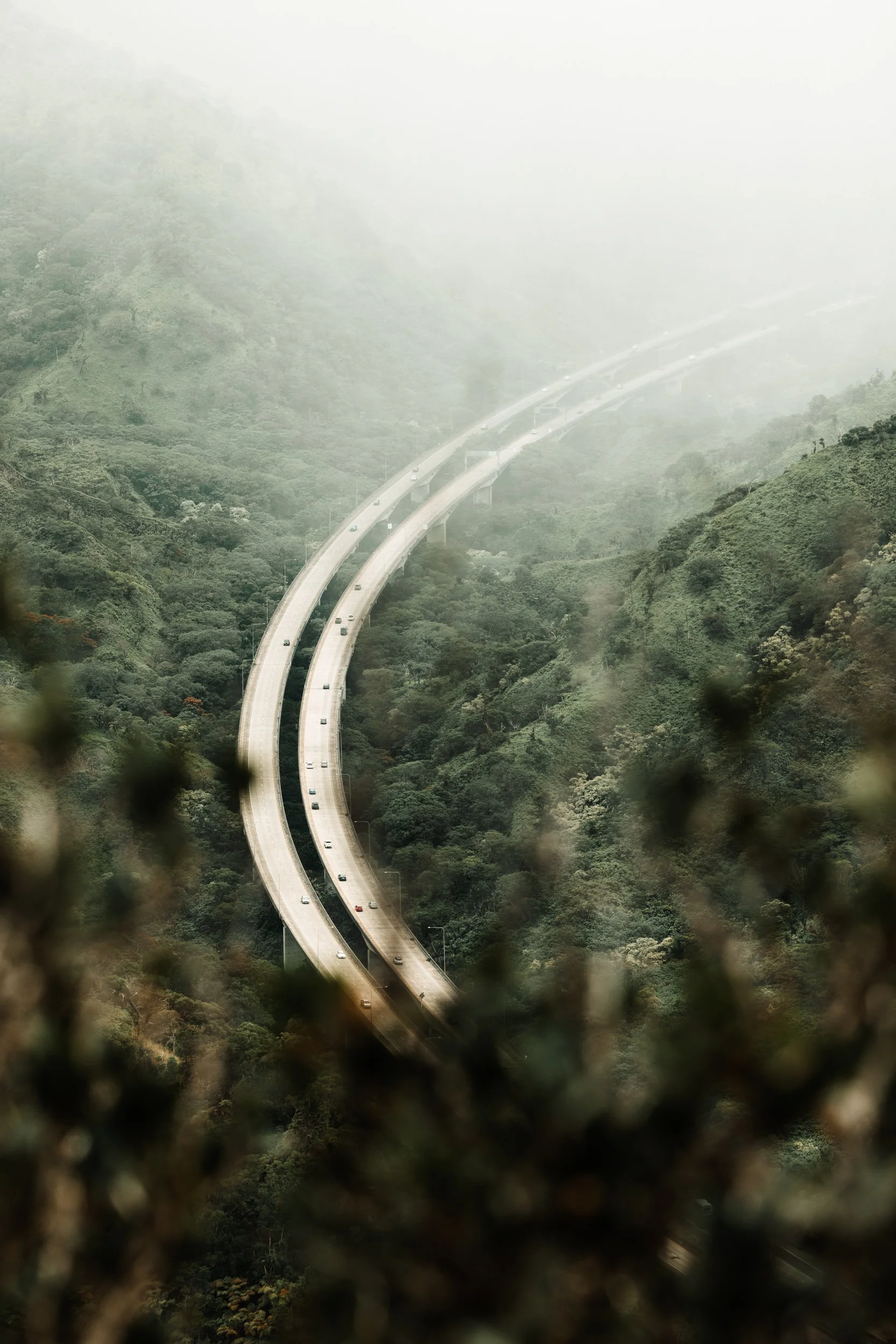
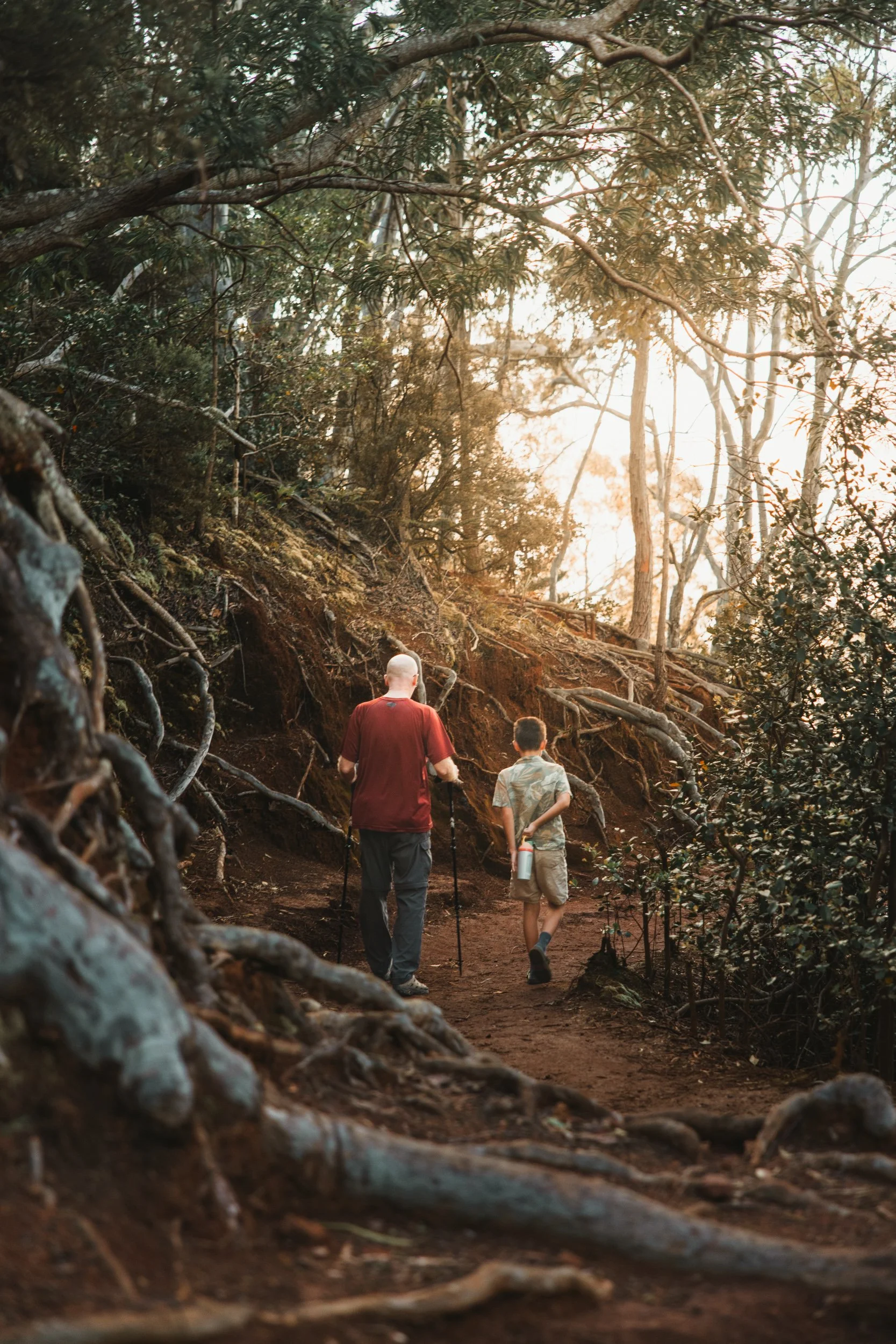
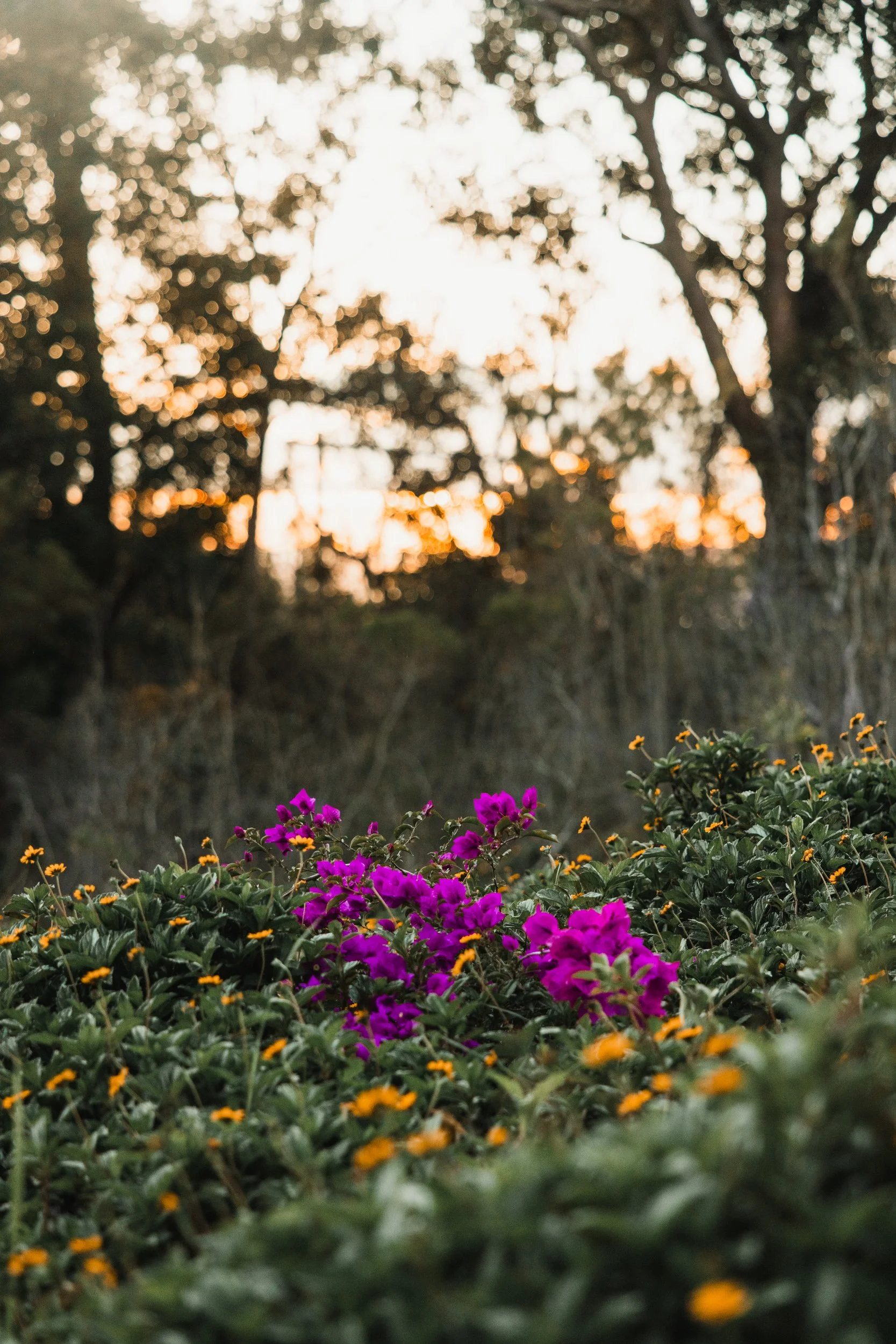
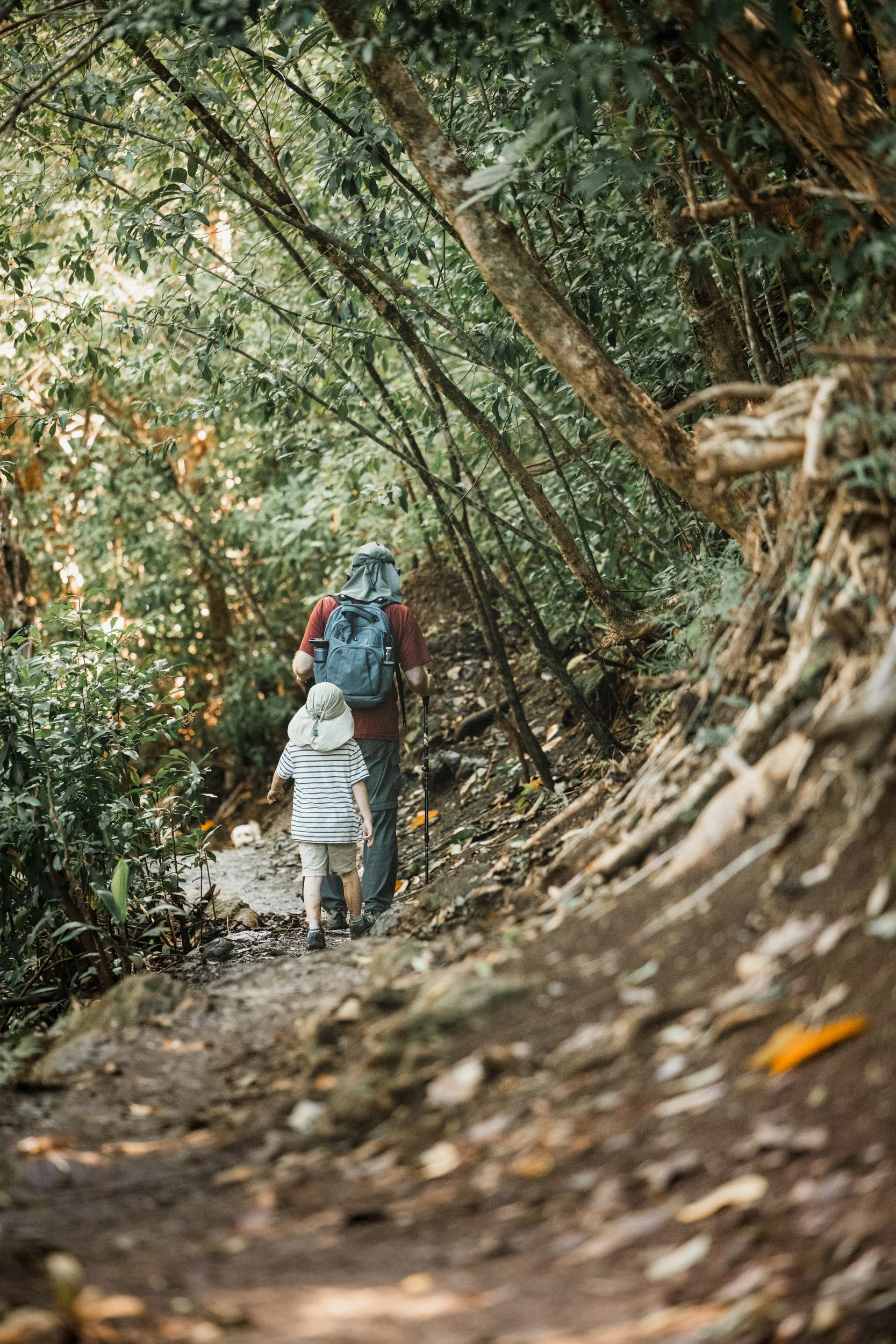
The biggest reward comes unexpectedly: elevated views of the H-3 Interstate cutting through the mountains below. From above, the highway becomes a compositional element rather than a distraction—an opportunity to practice framing, leading lines, and scale within a natural setting.
I’ve shared more detail about this hiking trail in another blog post: Travel Photography Lesson From A Muddy Fall On Aiea Loop in Hawaii. If you want to explore off the beaten path away from the popular touristic hot spots, this will be a great option.
7. Bellows Field Beach Park
Bellows Field Beach Park (mentioned in Oahu Beyond Waikiki (part 2) - 7 Scenic Spots You Don't Want To Miss) is our most visited beach on the island, and one we never get tired of. When it’s open (weekends and Friday afternoons), it offers expansive views, vibrant turquoise water, and offshore islands that anchor the horizon beautifully.


Compared to nearby Kailua Beach (mentioned in Oahu Beyond Waikiki (part 1) - 8 Photo Spots From Known To Hidden Gem), Bellows feels calmer and less chaotic, with more space to move and observe. The light here is consistently pleasing, making it a place that rewards repeat visits rather than one-time checklists.
8. Kawela Bay
Kawela Bay is a gentle, quiet place to end the day. Sheltered and often calm, it’s especially lovely for sunset, when the light softens and reflections linger longer than expected.

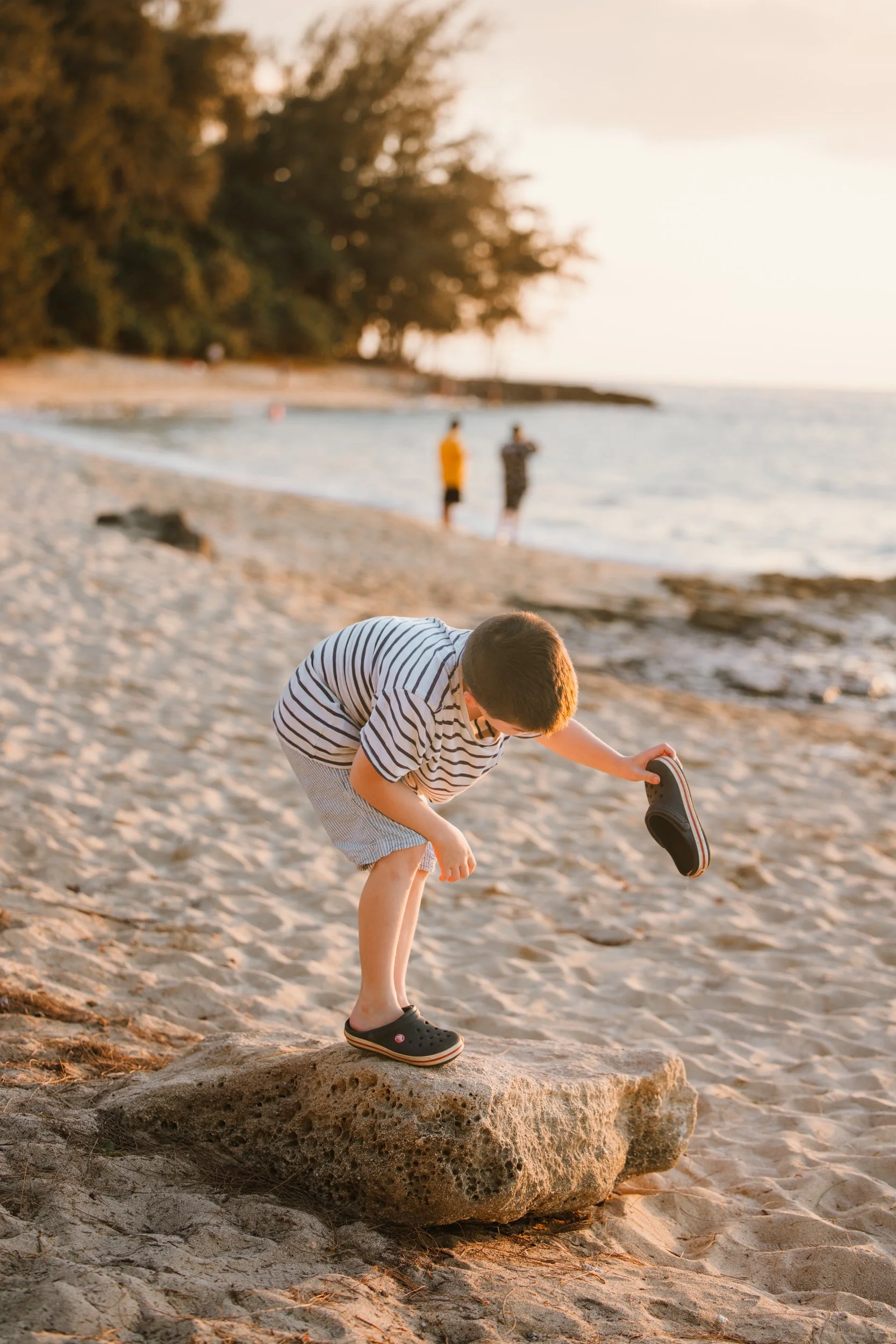
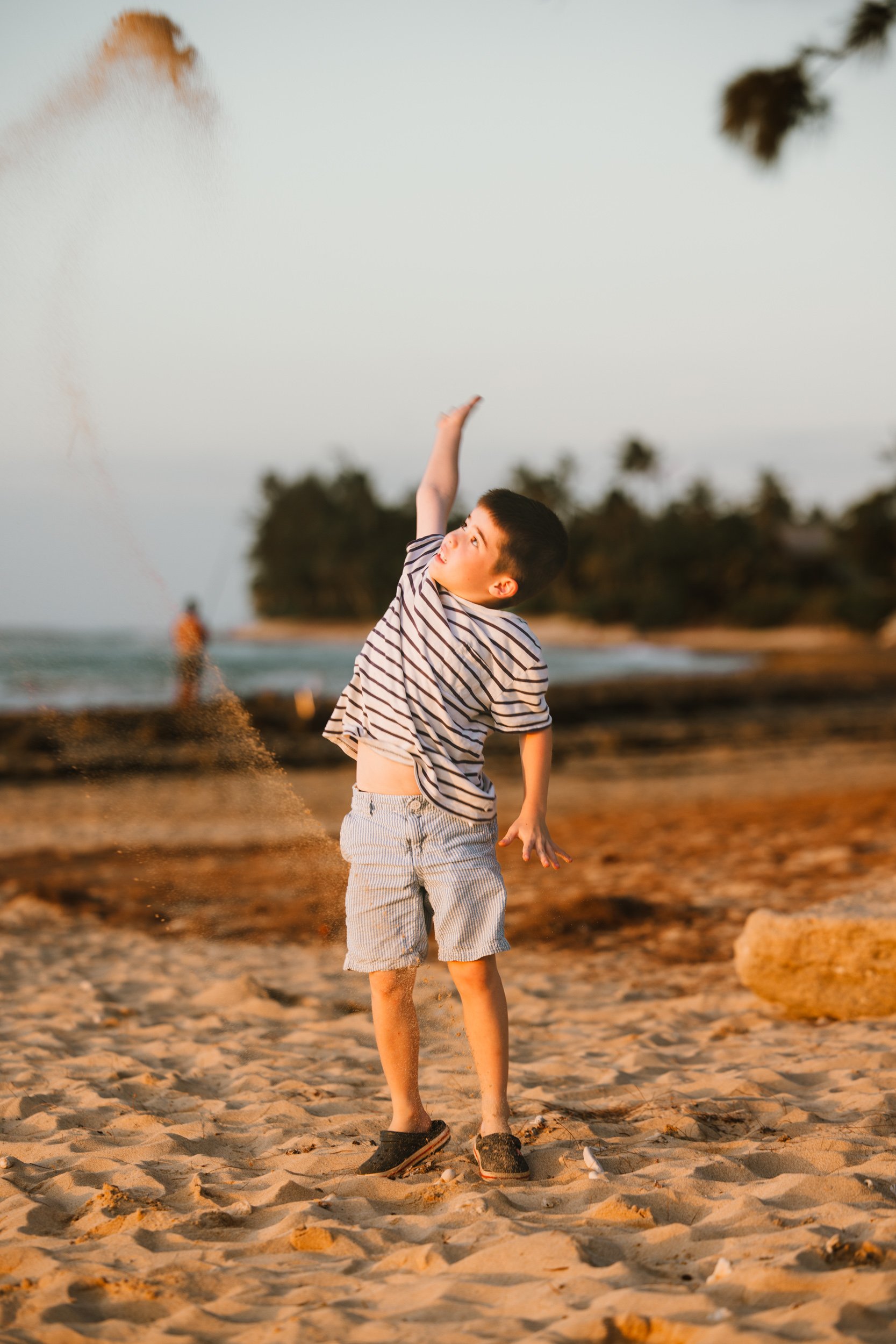
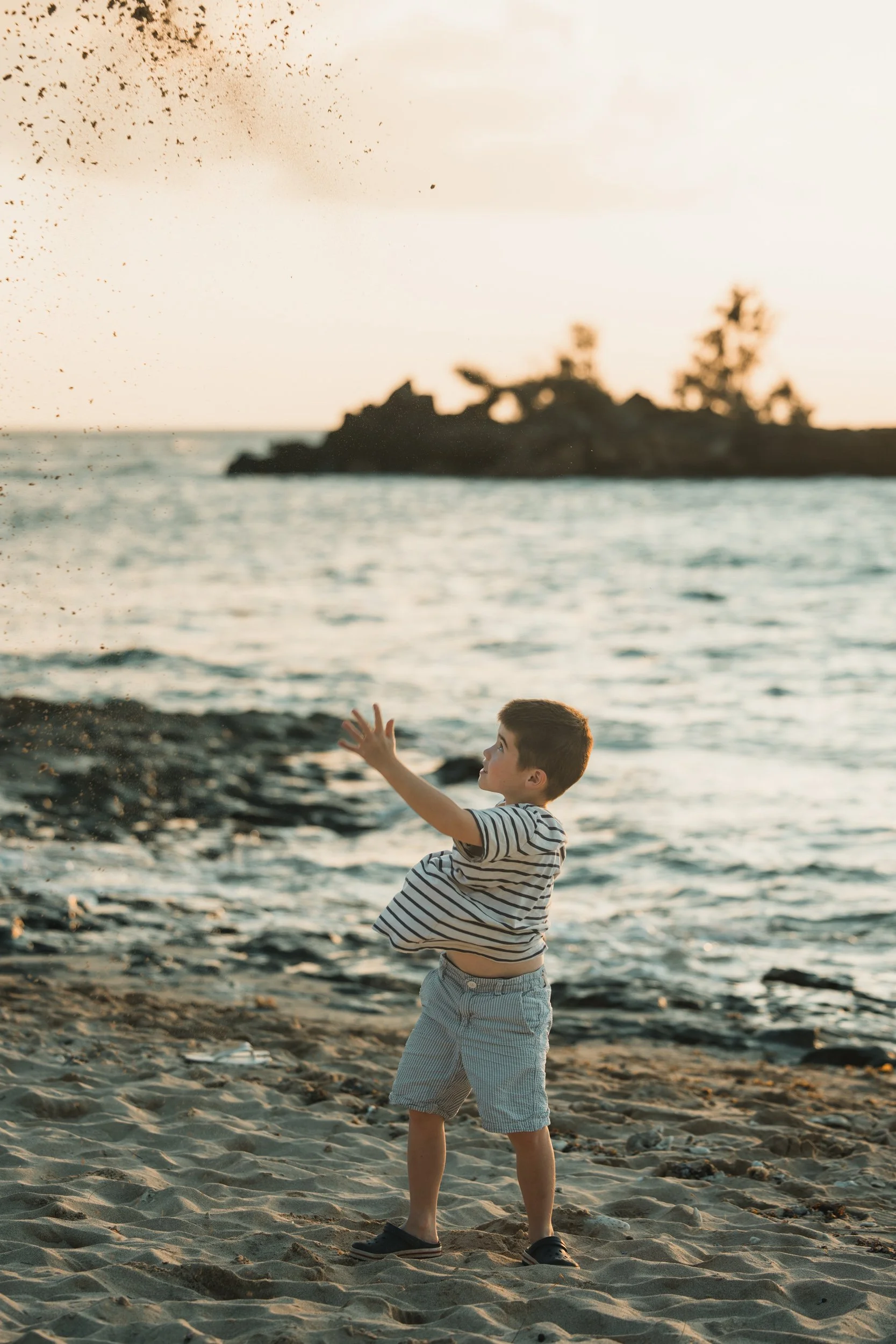
It’s not dramatic in the way other beaches are—but that simplicity is exactly what makes it special. A great reminder that not every photograph needs to be grand to be meaningful.
Choosing quieter places doesn’t mean avoiding Oahu’s popular landmarks altogether. Many well-known locations offer memorable experiences—especially for families or first-time visitors—even if they’re not where I’d return repeatedly to photograph.
For me, the above eight places reflect how I like to experience the island: returning at different times of day or season, observing how light shifts across familiar scenes, and allowing space for moments to unfold naturally.
Oahu doesn’t need to be dramatic to be beautiful. Often, its magic lives in the in-between—where fewer people linger, and where the island reveals itself slowly.
If you’re willing to explore with patience and intention, Oahu has far more to offer than its reputation suggests.
Pin it 👇
You may also love…



Explore Alaska in October with our 9-day family road trip through Talkeetna, Denali National Park, and Hatcher Pass. Discover Scenic photography stops, wildlife encounters, fall colors, and snowy mountain landscapes, along with personal stories and practical travel tips.