
Look For These 5 Storytelling Shots. Every Scene Has Them!
Do you have a camera sitting at home because you feel there's nothing special to photograph?
And when you finally get the chance - maybe for a trip or a special experience - you're excited to bring it, but quickly feel overwhelmed. Where do you point the camera? What do you actually photograph? You come away with a few lucky shots, and the rest? Forgettable.
Today I'll share five storytelling elements you can look for in any scene - so you always know what to photograph, whether you're documenting everyday life or traveling halfway around the world.
Stay till the end for a bonus tip - one small shift that will instantly make your photos feel more immersive.
If we haven't met, hi, I'm Belinda. I've been photographing for over 20 years, from film to DSLR to mirrorless, documenting travel across six continents so far - solo and with family.
Recently, we did two weekend hikes at Koko Head, Hawaii. Different lens, different light, different photos - but both featuring the same five storytelling elements. Let me show you how they work.
Gear Context
Koko Head is the kind of hike where you do not want to carry all your gear. One camera, one lens maximum.
The trail is made of over one thousand old railroad ties - straight up, no shade. Even if you're fit, the Hawaii heat and humidity make it physically demanding. But once you get to the top, you're rewarded with incredible views of the island and the coastline.
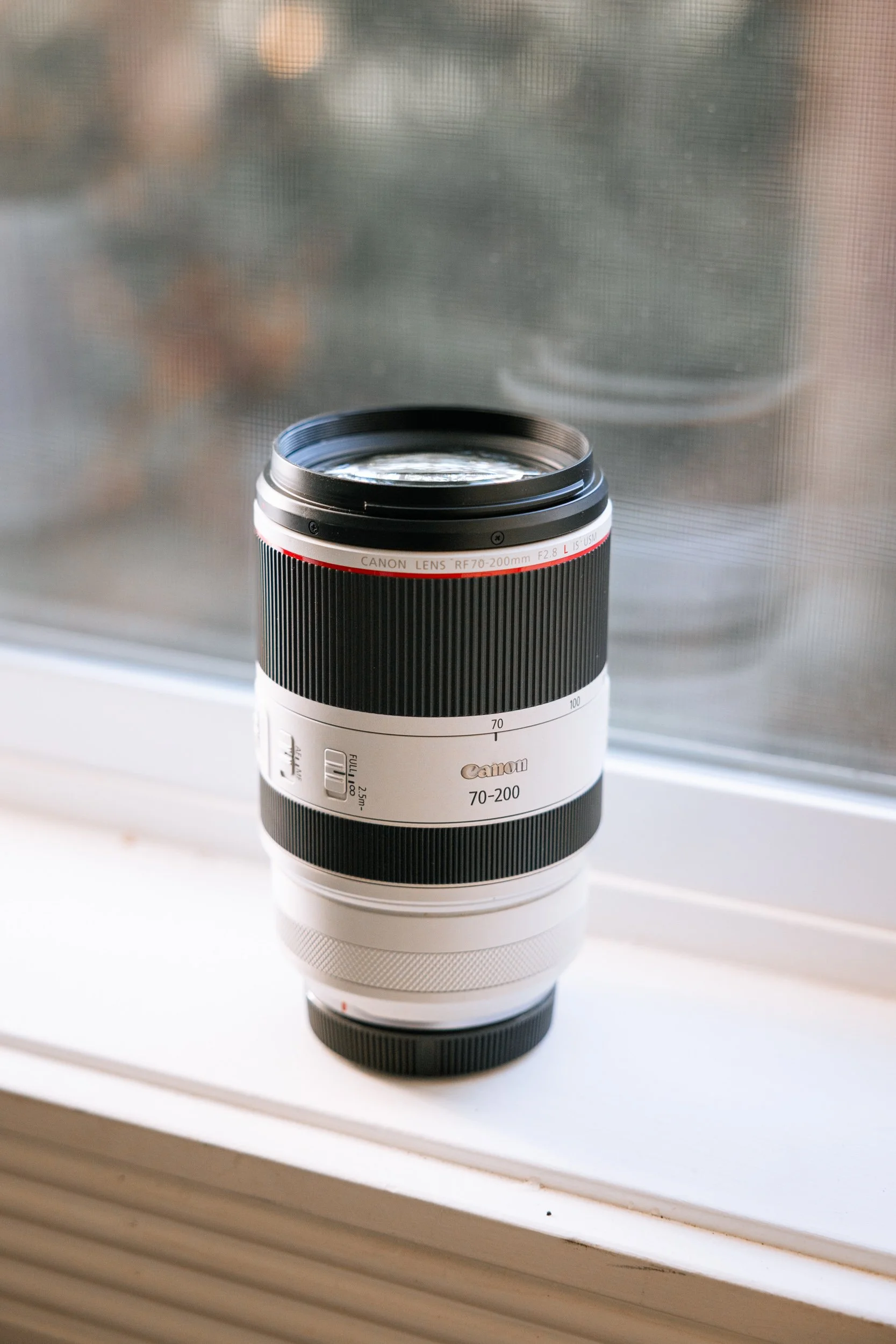
The first hike was overcast. With a dull, flat sky, I wasn't counting on wide landscape shots, so I brought only my 70–200mm telephoto - great for portrait and outdoor scenes. I've covered this lens in a past video, see link in the description.
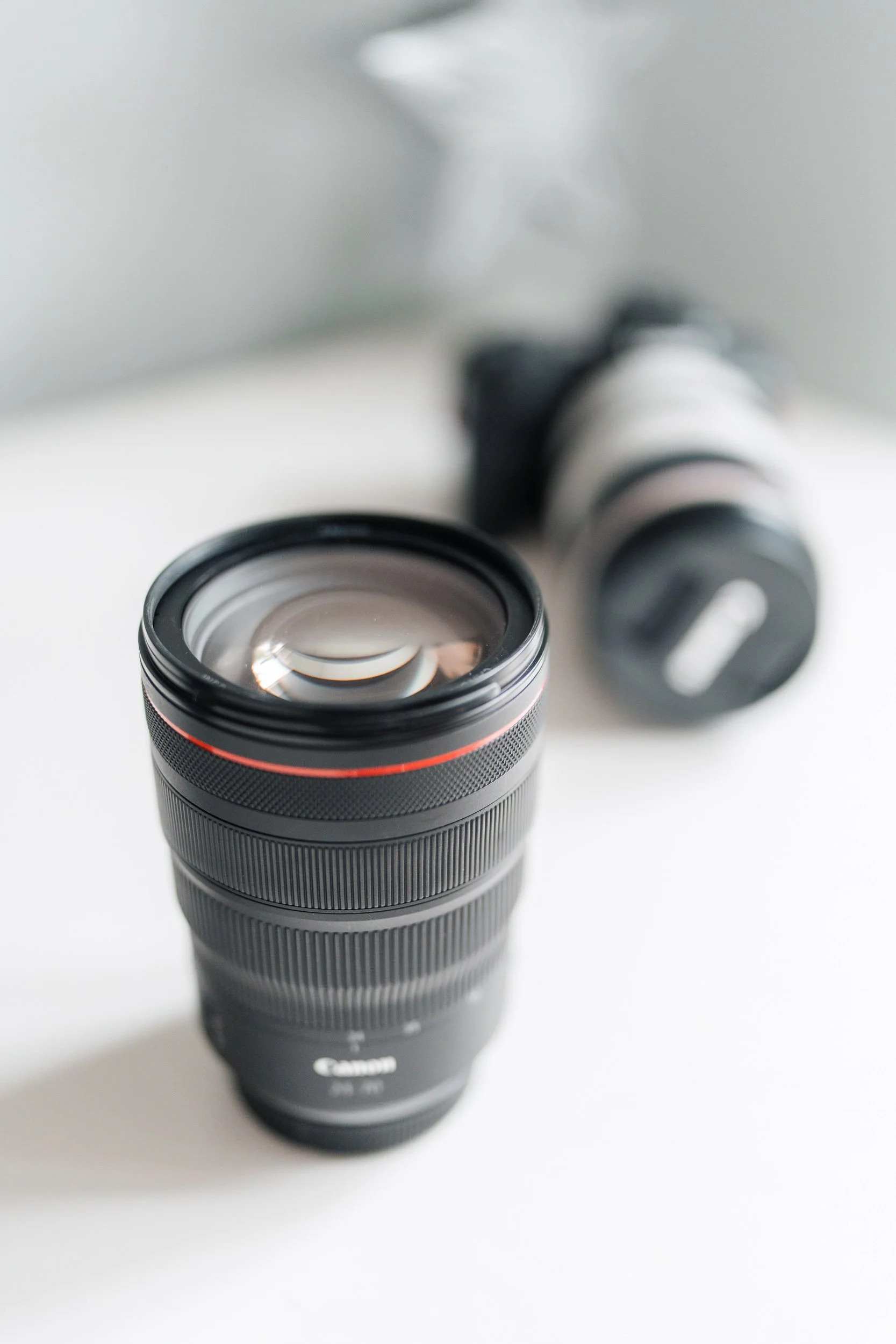
I timed the second hike for golden hour sunset and brought only the 24–70mm instead - it’s the most versatile lens for covering a wide range of subjects in one outing. I mentioned this in another past video, see link below.
You may shoot with completely different lenses - and that's perfectly fine. What I want to show you is how I captured all five storytelling elements in the same place with two very different lenses. You can do the same with whatever you're shooting with.
1. The Place
The first storytelling element is the place itself.
Not just pretty scenery - but what makes this environment special? What makes it unlike anywhere else?
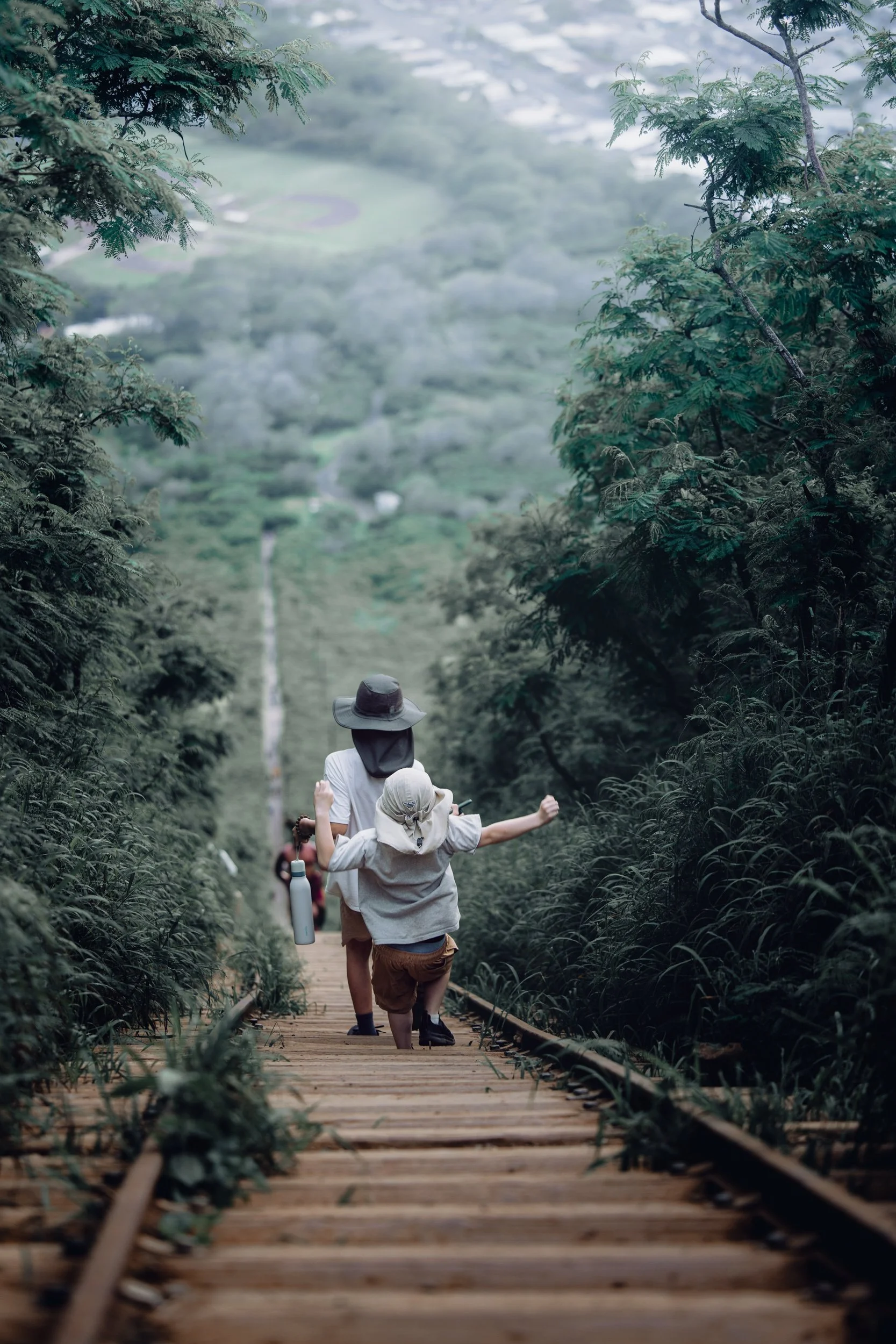
For Koko Head, the answer was those railway tracks.
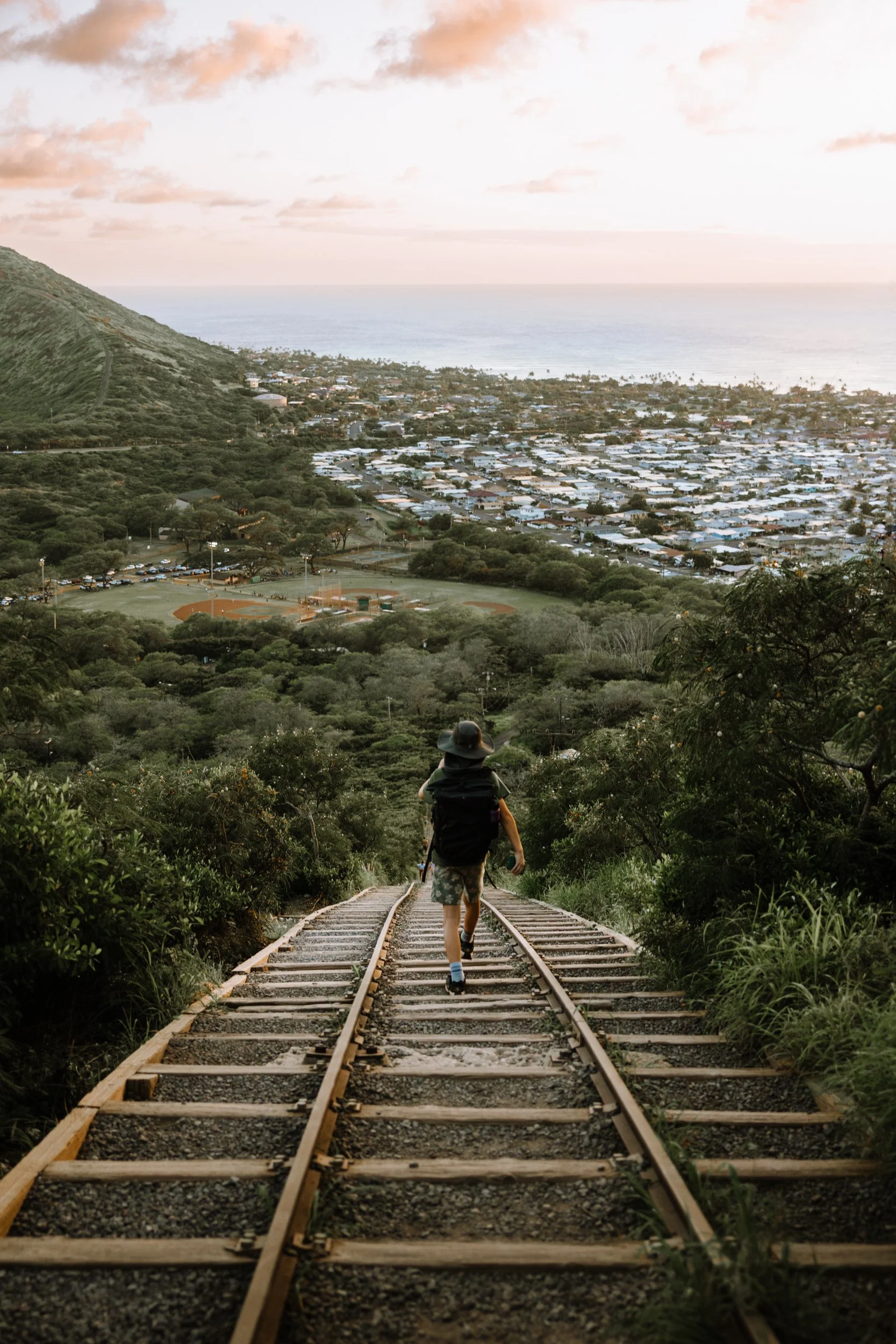
The steepness. The endless stairs. The physical intensity written into every step.
Before you've taken a single step yourself, that image already tells the story - this place is going to challenge you.
Now side by side, you can see slight difference of the same scene at the bottom of the trail. But the purpose is the same.
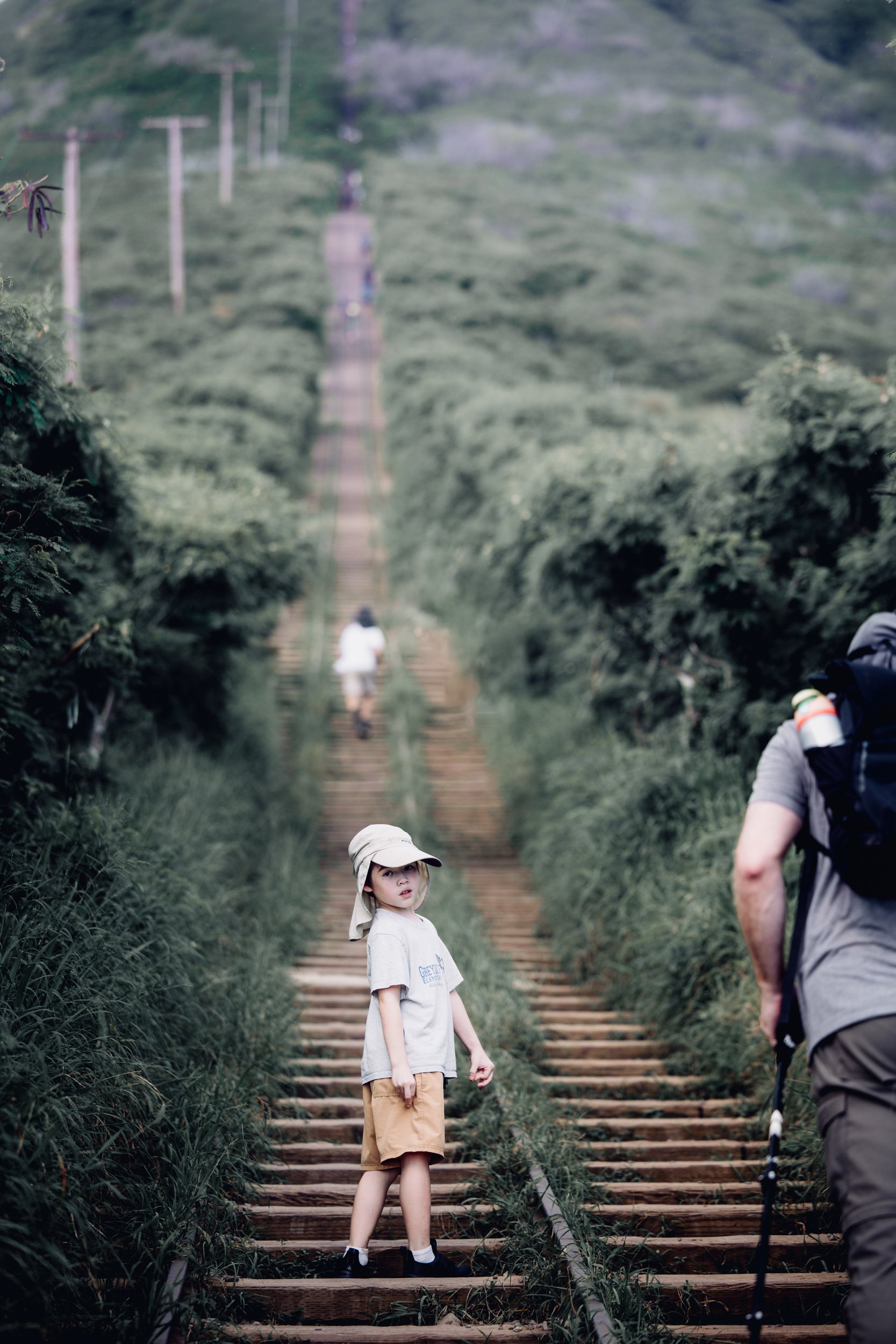
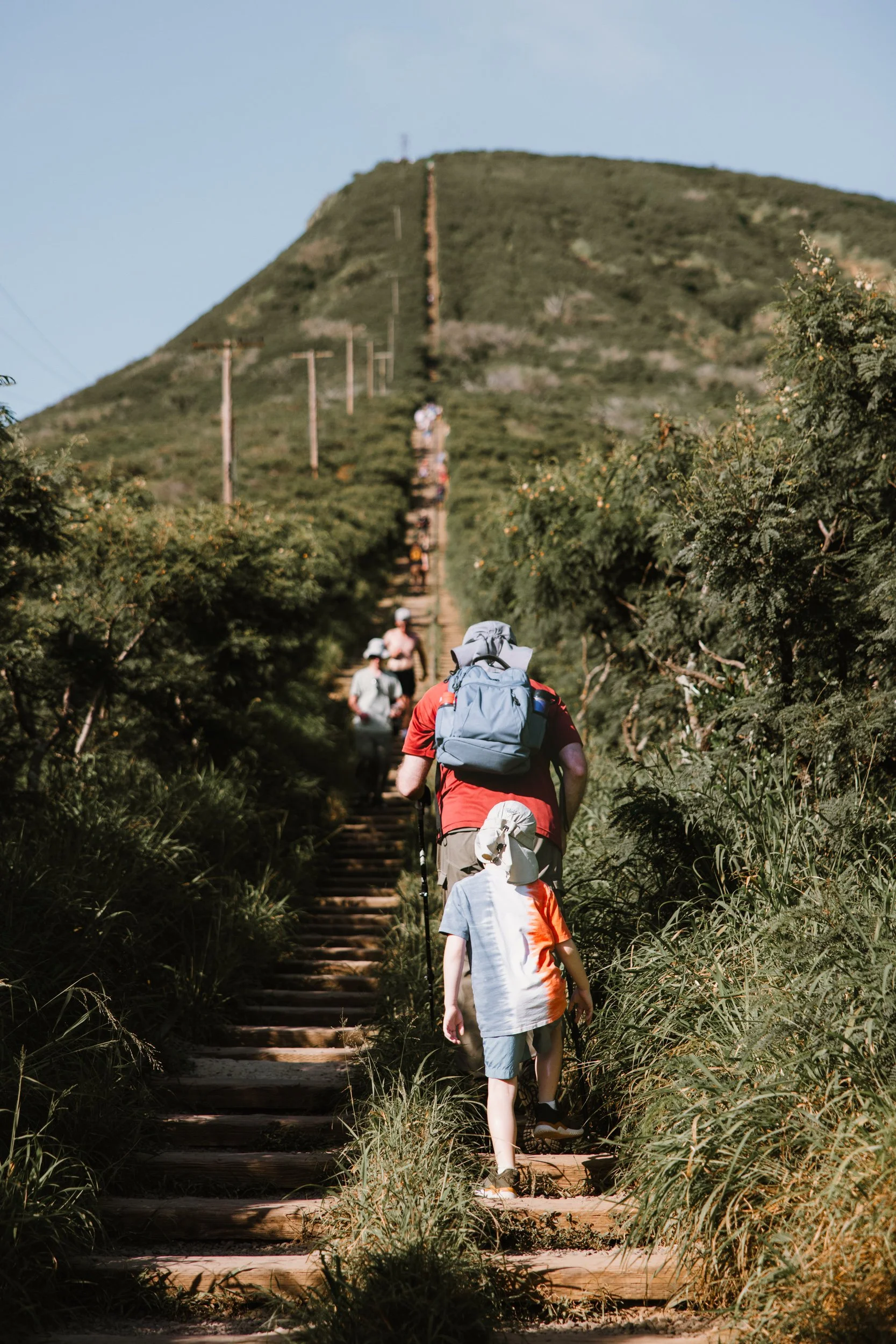
The opening shots are rarely the strongest — they're establishing shots. Here's where the place really opens up.
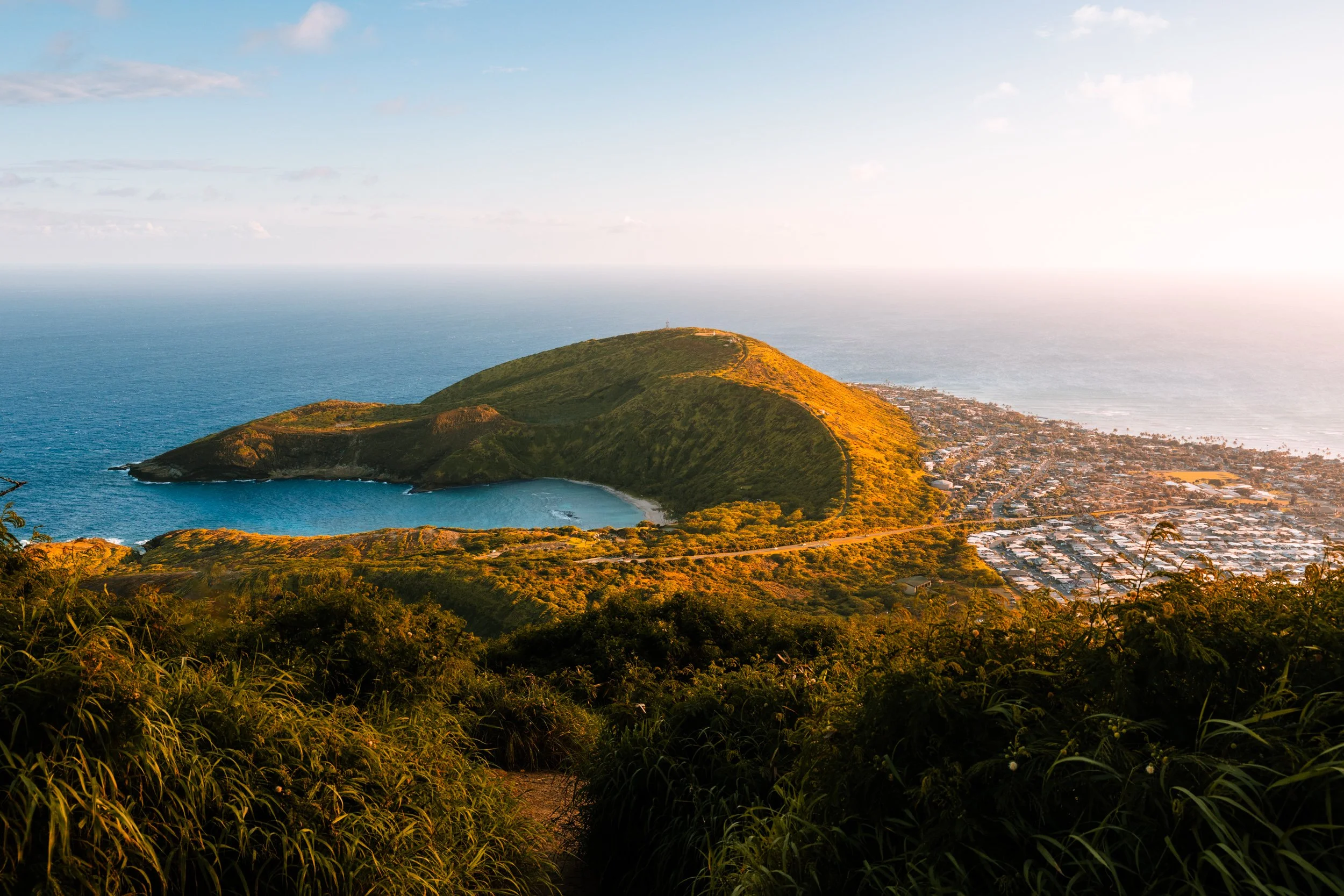
The nearby Hanauma Bay is one of the most iconic coastal views in Hawaiʻi, famous for its volcanic crescent shape, turquoise water, and world-renowned snorkeling.
And Koko Head gives you the sweeping view of the entire crater and ocean that you simply can't get from anywhere else.
On the first hike, the 70–200mm focal length meant I could only capture part of that scene. On the second, the wider lens finally let me show the full picture.

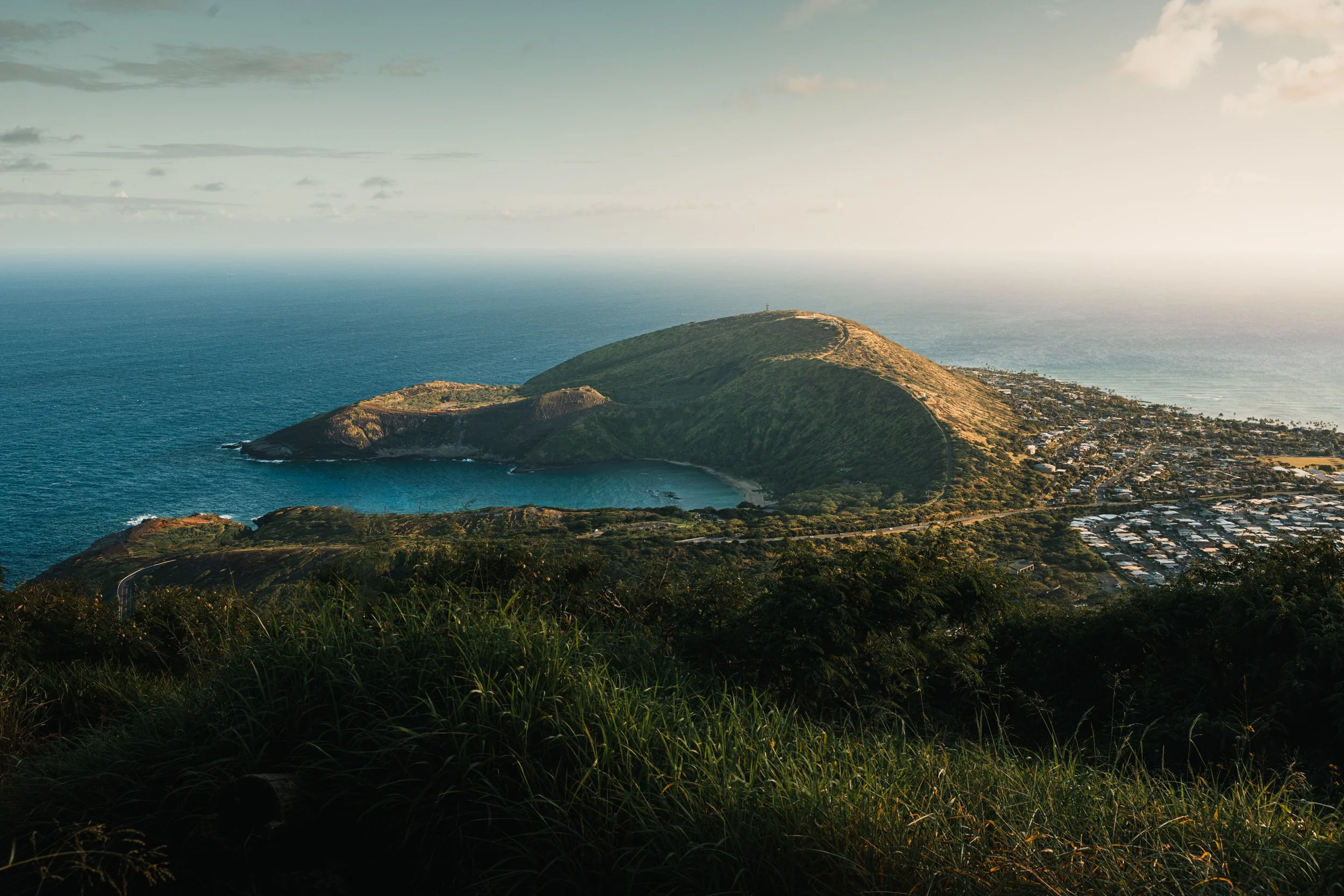
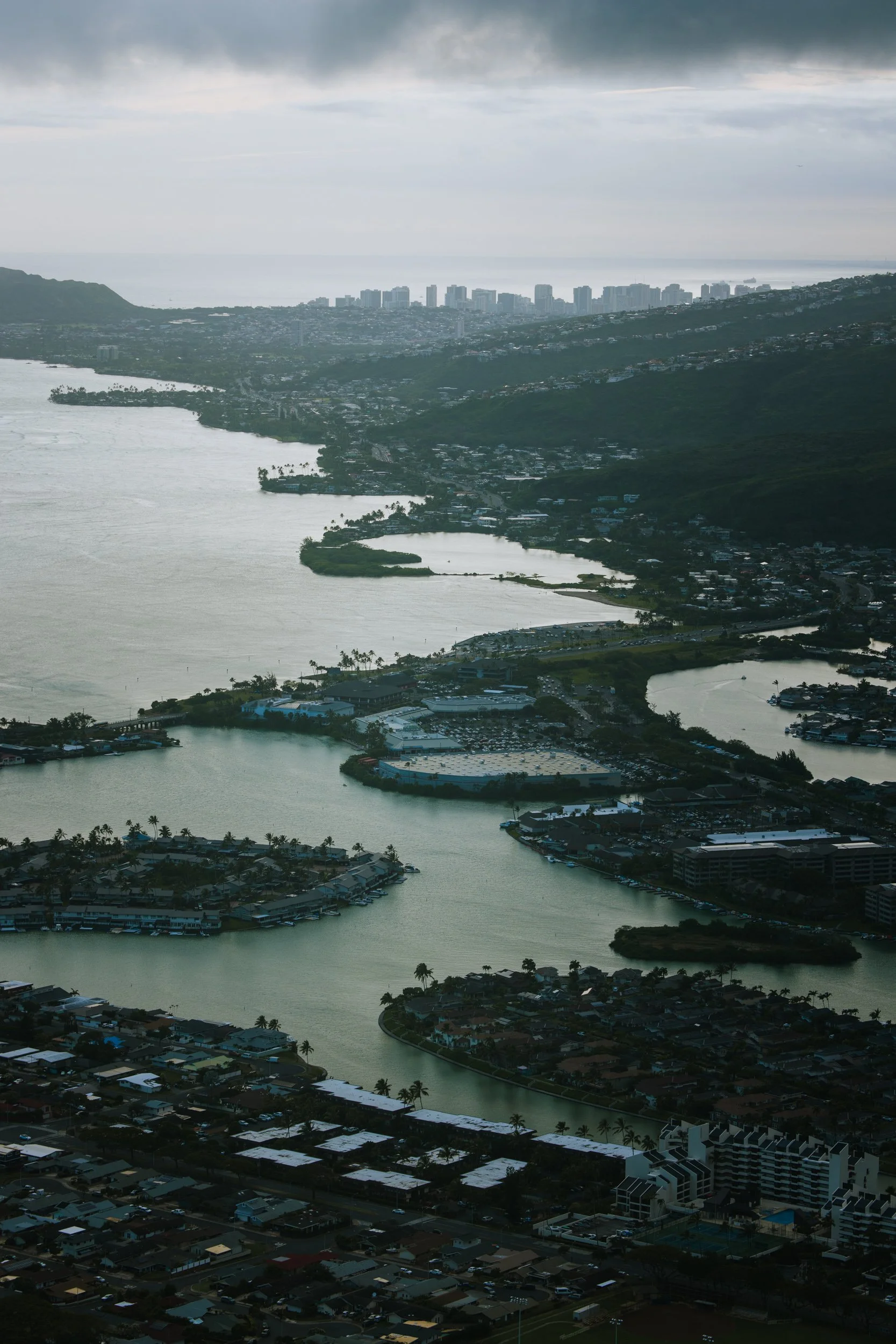
But the telephoto wasn't a limitation — it was a different kind of storytelling. What I couldn't capture wide, I found up close: the villages on the hillside, the neighborhoods by the water. Details that are just as specific to this place as the sweeping panorama. (See Unique Details section below)
Some scenes need a wider perspective. Others reward a closer look. The lens doesn't determine the story — your attention does. As long as you're paying attention, there's always something worth finding.
2. The Experience
Second element: the experience — what is actually happening here, and what does it feel like to do it?
I'm not looking for posed moments. I'm looking for authentic ones. The kind that make someone who wasn't there feel like they were.
On this hike, it means the heat, the exhaustion, the pauses, the accomplishment.
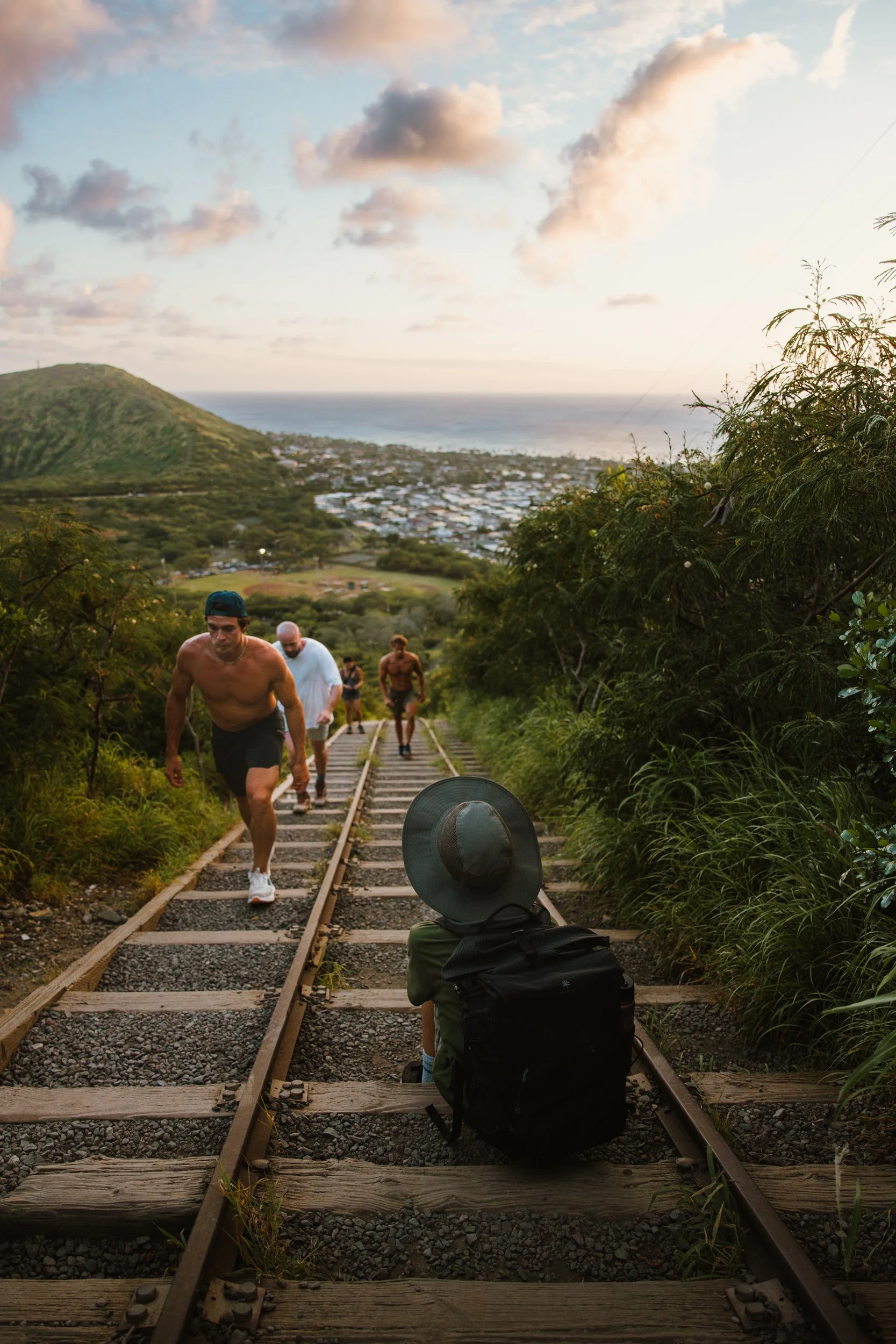
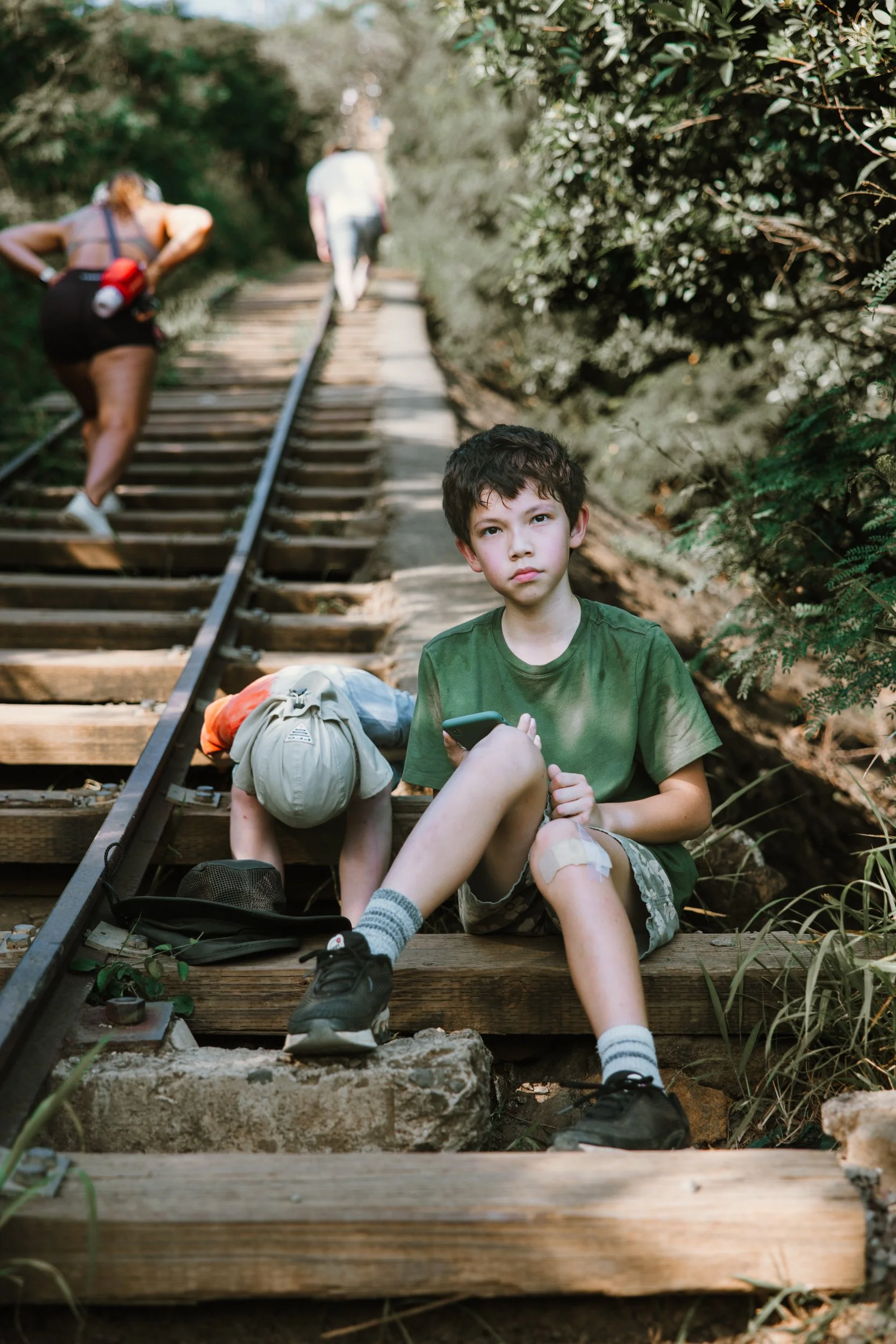
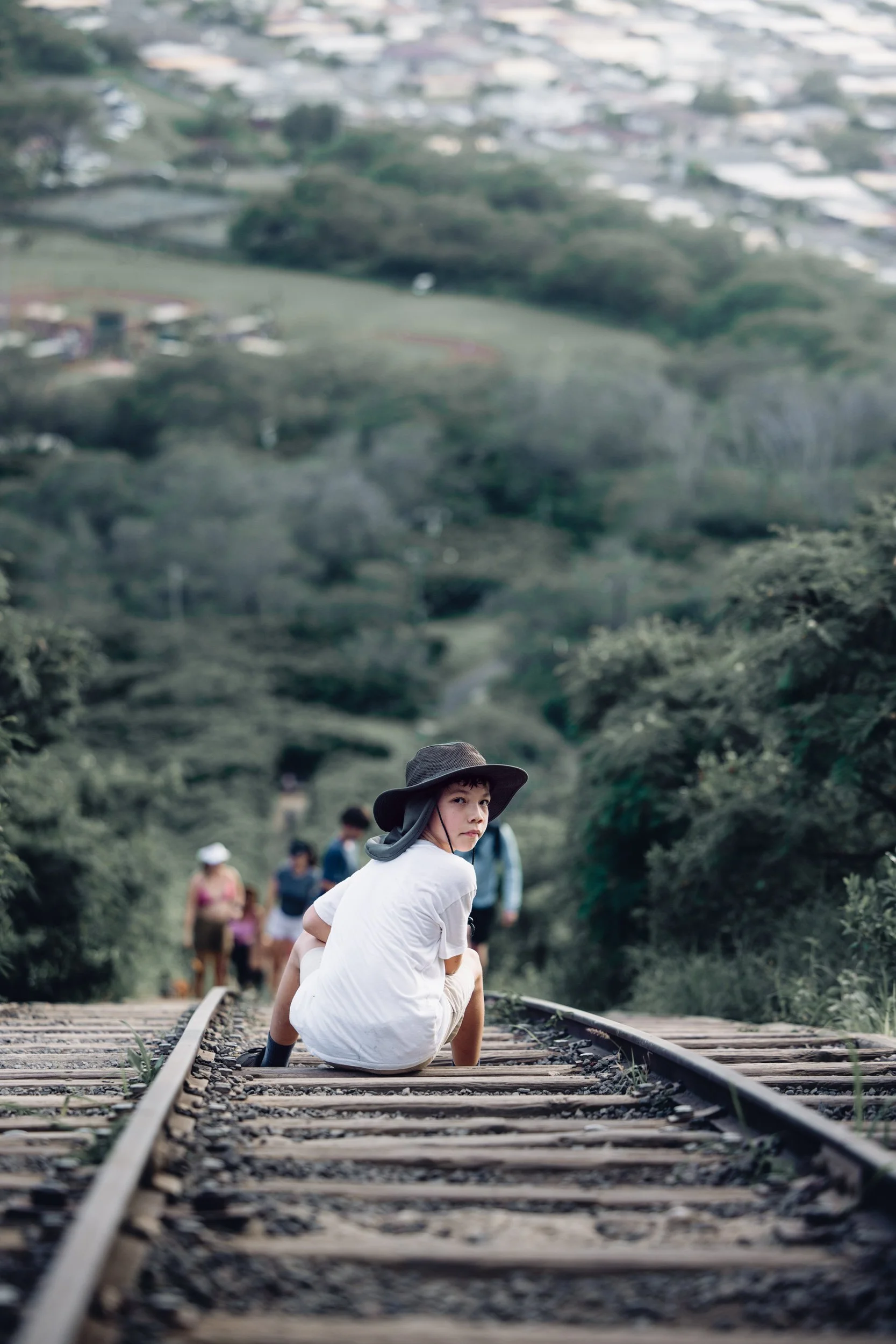
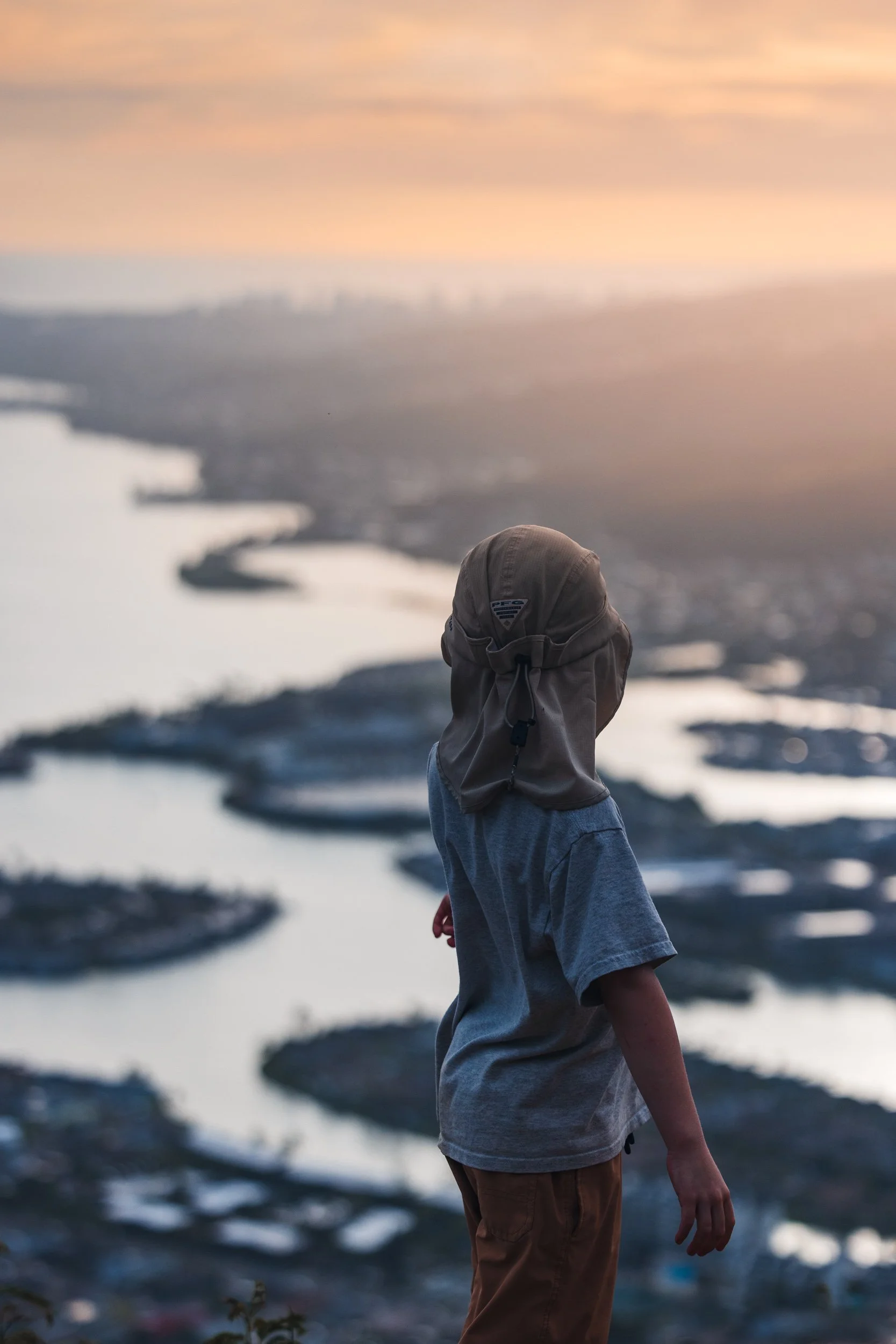
Nobody is performing for the camera. The moment is just happening — and that's exactly what makes it feel real.
The experience doesn't have to be limited to you or the people you know.
I kept encountering the same people on the trail — clearly hiking up and down repeatedly as a workout. That became part of the story. So I photographed them.
On the second hike, I noticed people sitting at the top, quietly waiting for the sunset. After a climb like this, what better reward? To me, that was its own unique experience — and worth photographing.
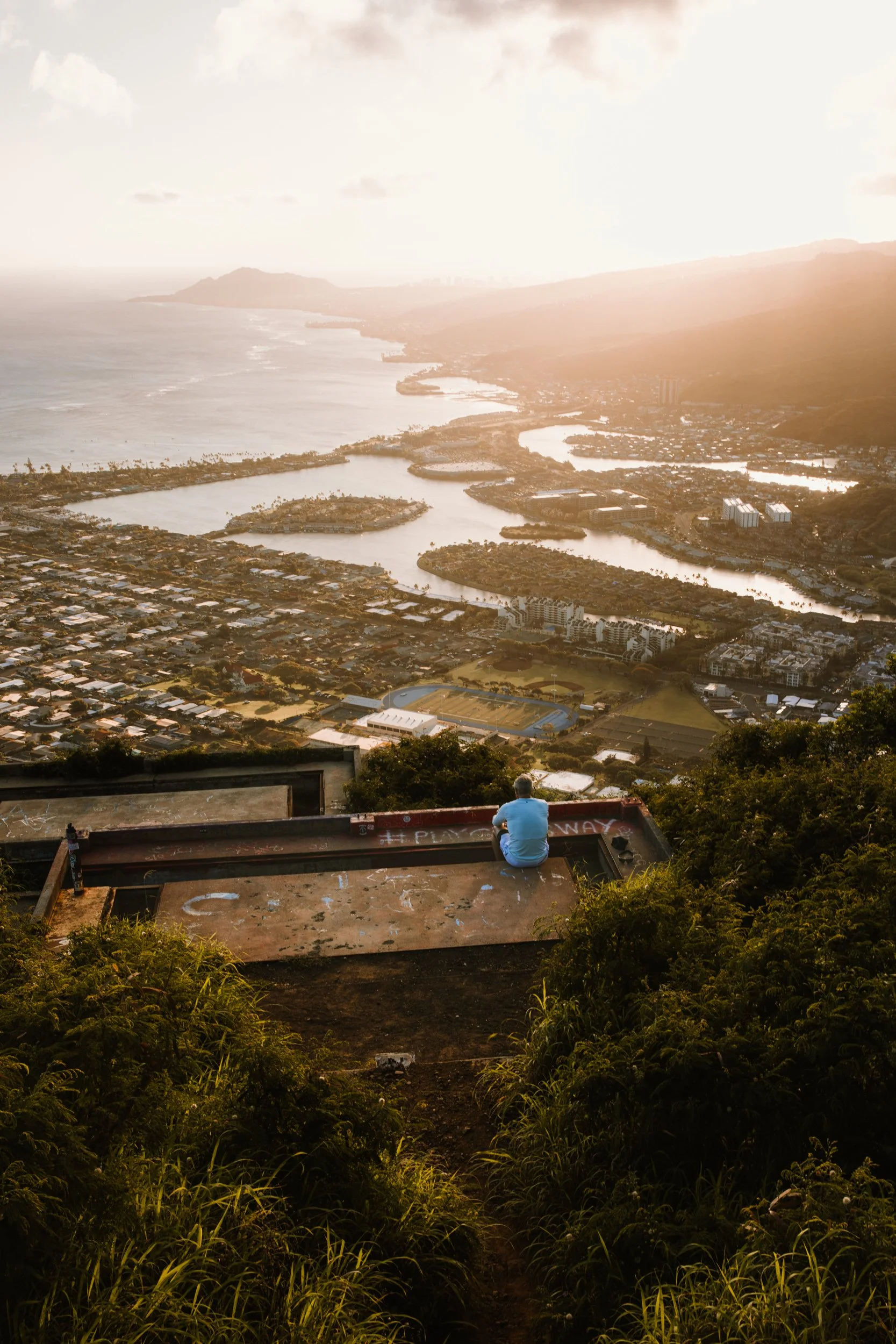
The experience element is about documenting what's happening around you: the action, the movement, the moments that feel alive, rather than a posed selfie or group portrait smiling at the camera.
This applies to culture, adventure, travel, and everyday moments, whether you're photographing in nature or in an urban environment. Once you start observing instead of just focusing on the obvious landmark or viewpoint, you'll find stories everywhere, and capture experiences that are uniquely yours.
3. Emotion and Connection
Another element I constantly look for is emotion and connection - how are people connecting to each other, or to the environment around them?
This isn't about facial expressions. It's about relationship - the unspoken connection between people, or between a person and a place.
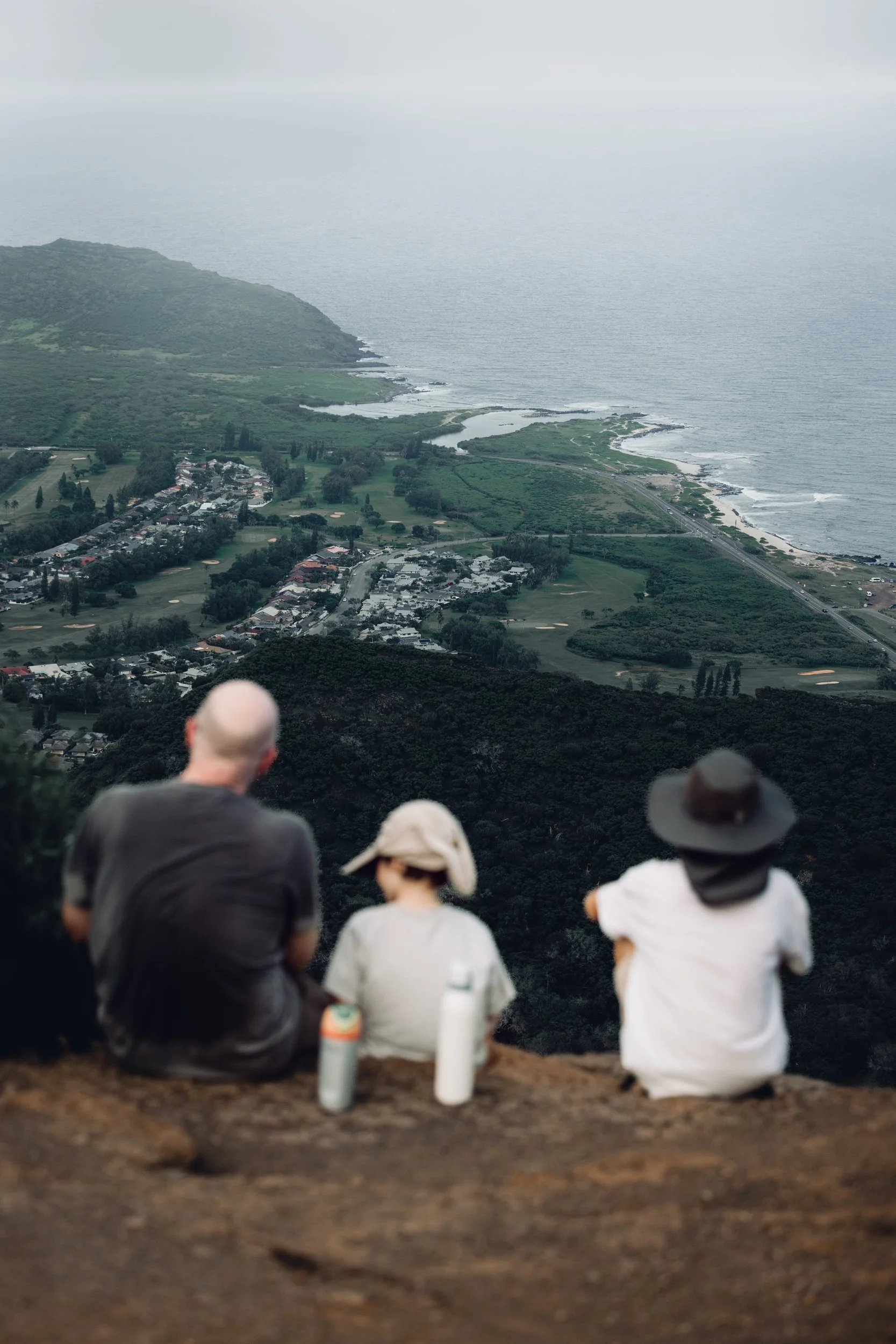
Take the image below from the first hike - my family resting at the summit. The water bottles, the sweat on their backs - to me, that's more telling than a smile at the camera.
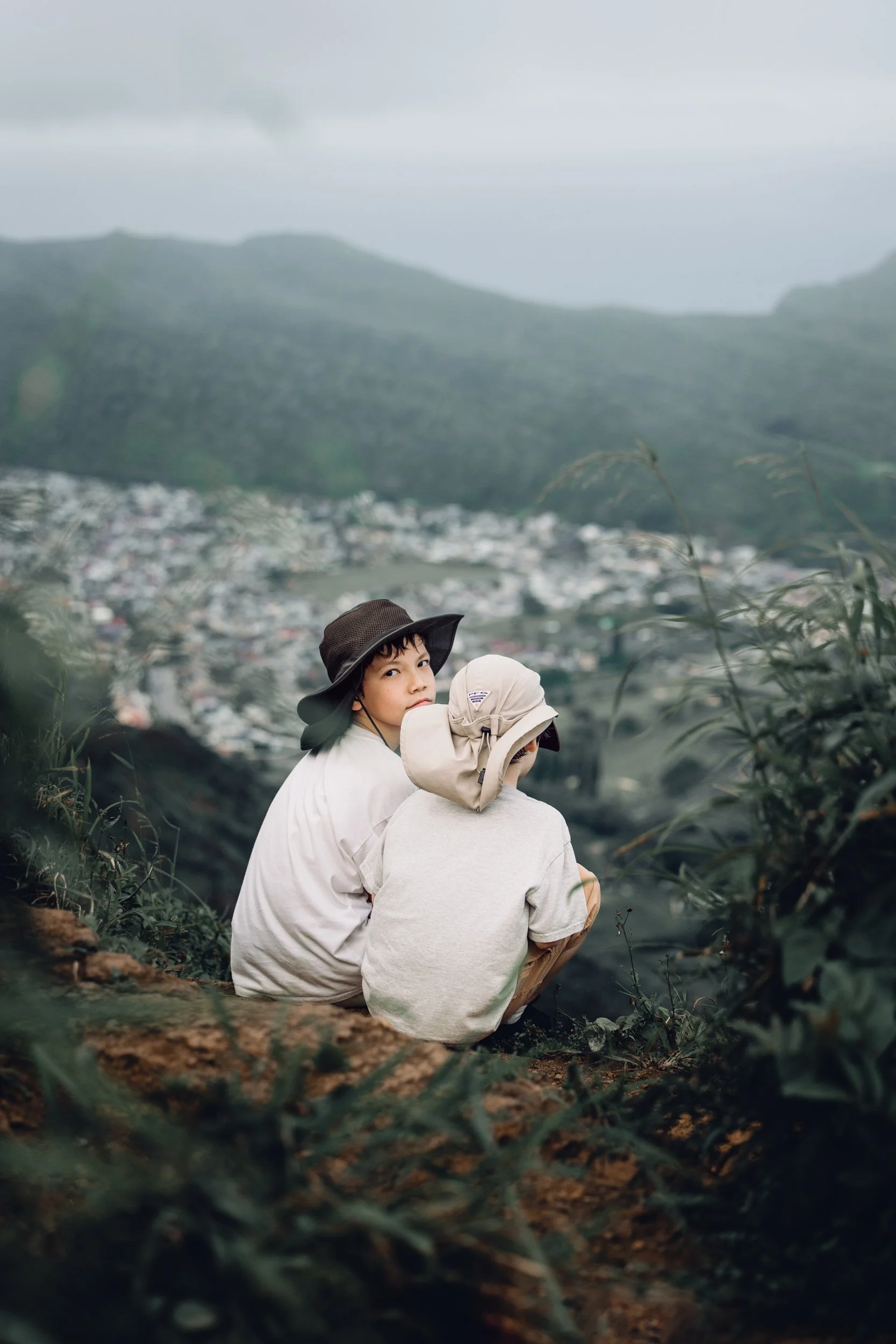
And this one below - my kids sitting together near the top, tired and quiet. Sweaty hair, tired faces, a hat caught in the wind. Looking at this, I can still feel the breeze, and my own exhaustion and enjoyment of standing there.
Compare that to this photo my son took of me (below) - nice enough, great view, smiling at the camera. The kind of shot many people come home with.
I'm not saying it's wrong. But over time, it's the more authentic moments that tend to mean more.
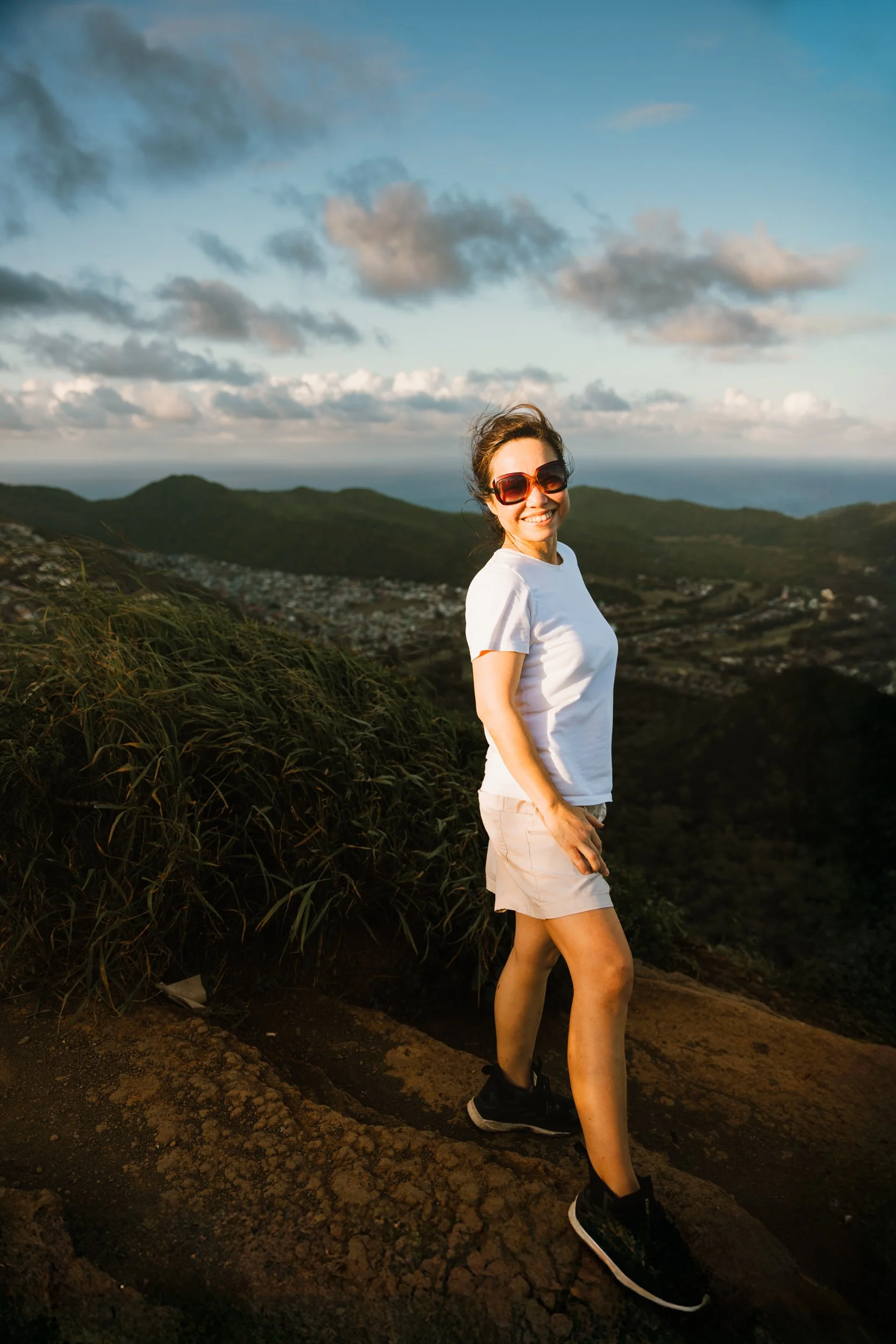
Emotion and connection goes far beyond a nice smile or a posed portrait. It's about documenting something that is uniquely yours - the feeling of a moment that no one else experienced exactly the way you did.
This is exactly the kind of thinking I teach inside my Document Happiness photography course.
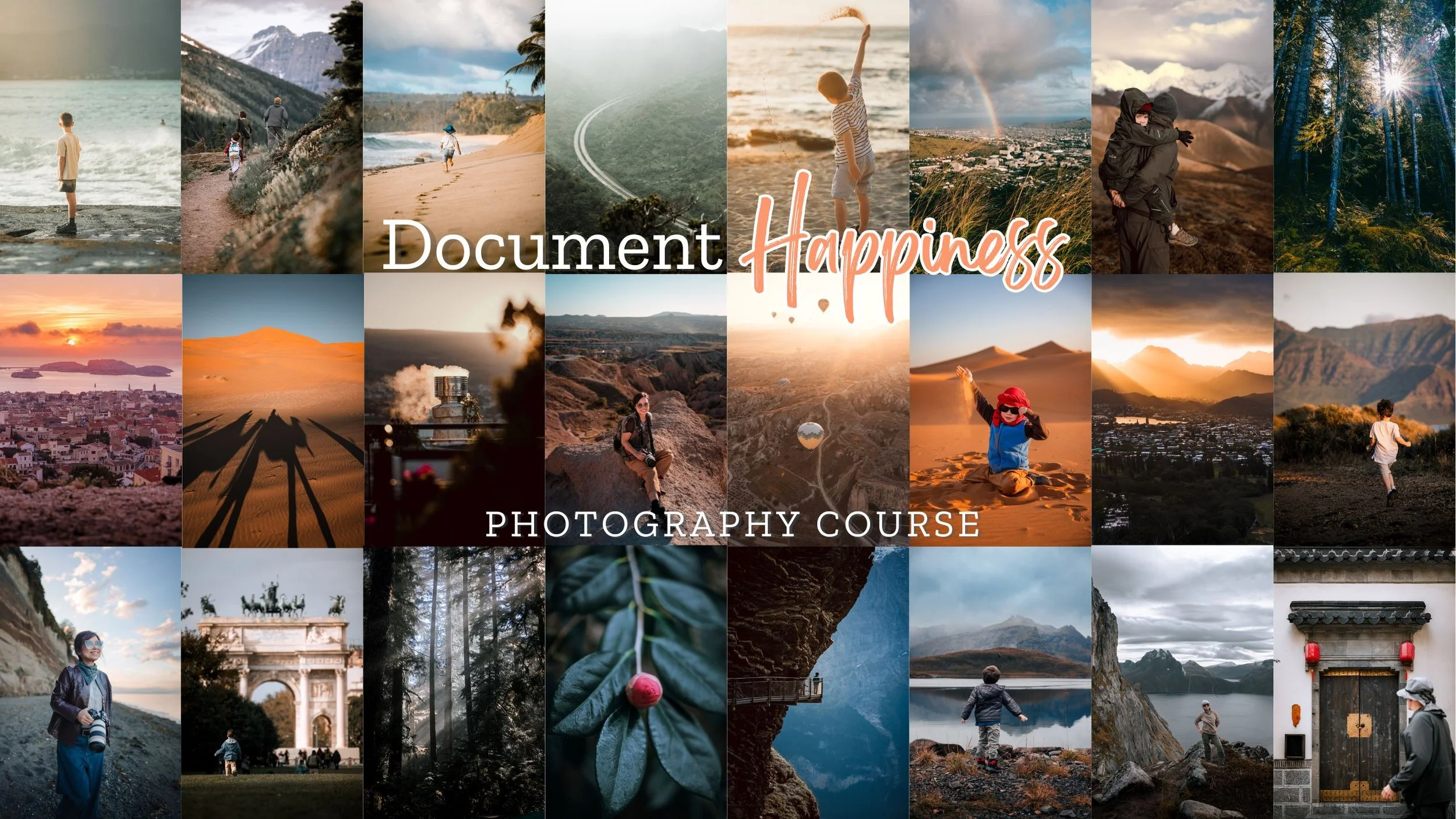
It's a practical, real-world method built around the logic behind every photography decision - how to work with different types of natural light, how to operate your camera efficiently in the field, how to approach focus, composition, and post processing with clarity and confidence to create strong storytelling photos.
Everything is backed by real photo examples, not abstract theory or rigid rules. It's a simple yet systematic framework you can apply to people, culture, nature, and adventure - whether you photograph travel or everyday life.
Unique Details
Another element I always look for is details.
Details reveal the depth of your observation. They tell you this isn't just any trail, any street, any scene - it's this one, with its own character and story.
Sometimes it's the smaller details that make a place - or a moment - truly memorable.
Details don't require a macro lens or a closeup. As I showed in the place element earlier, a telephoto can compress a distant scene and reveal details that way - like the villages on the hillside.
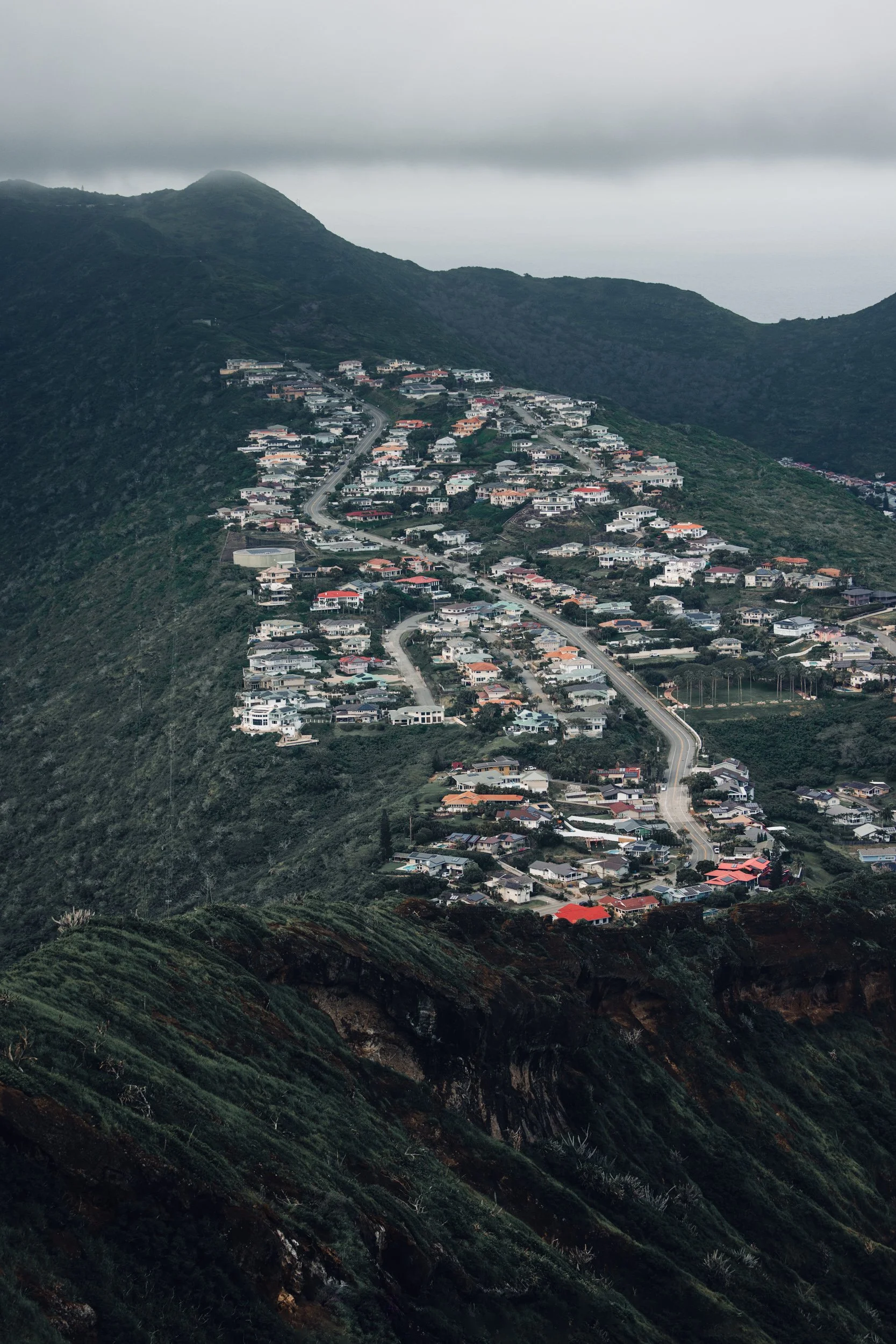
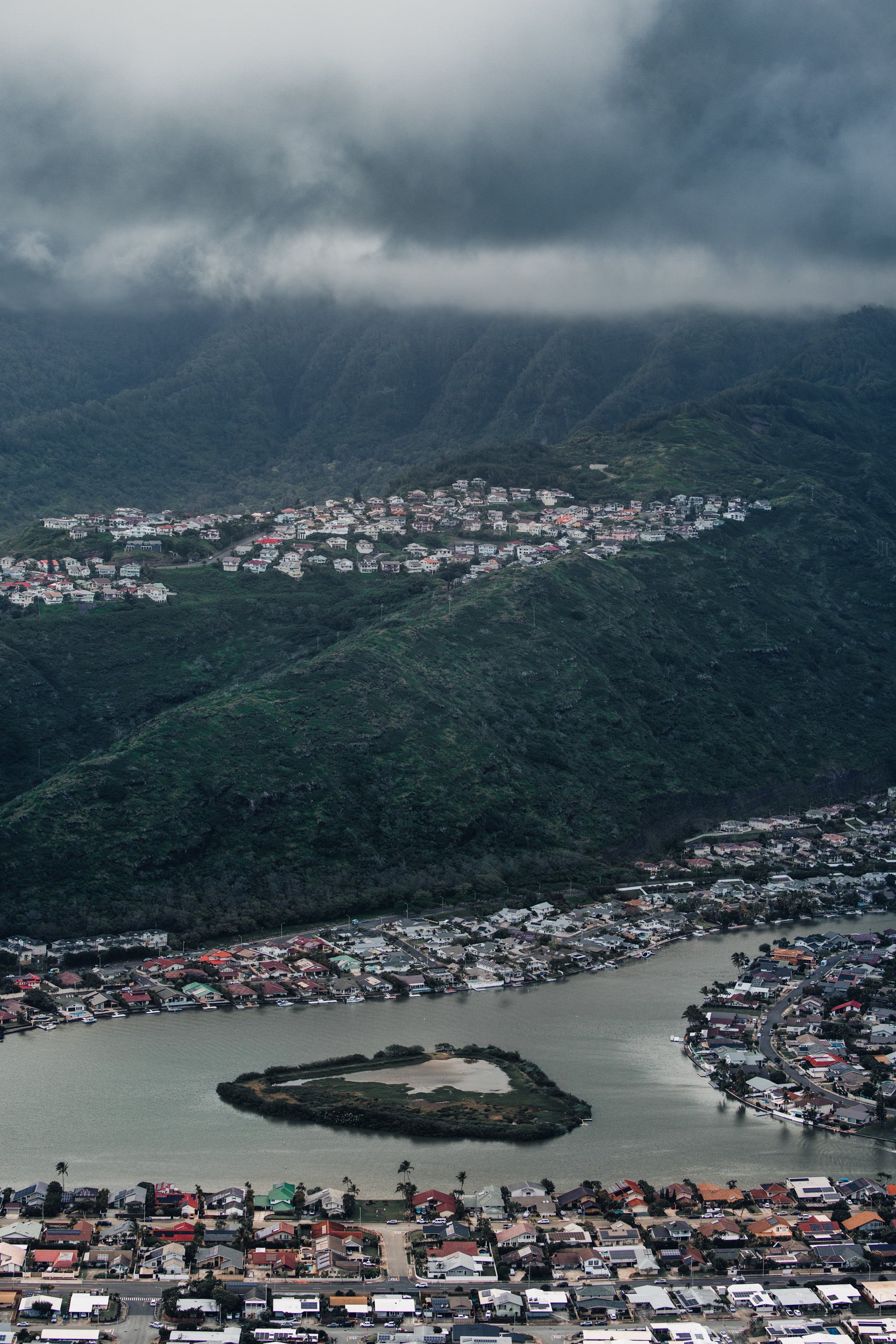
But details can be found at any focal length. Take the following wide shot (24mm) of the old rusty machinery at the top of the trail. It immediately tells you this place has a history. Something used to operate here. This was once a working military railway. That one detail adds more identity to the location than another shot of the Honolulu skyline - the photo everyone else takes from the top.
But if I had only photographed the machinery alone, it would look like anyone else's shot.
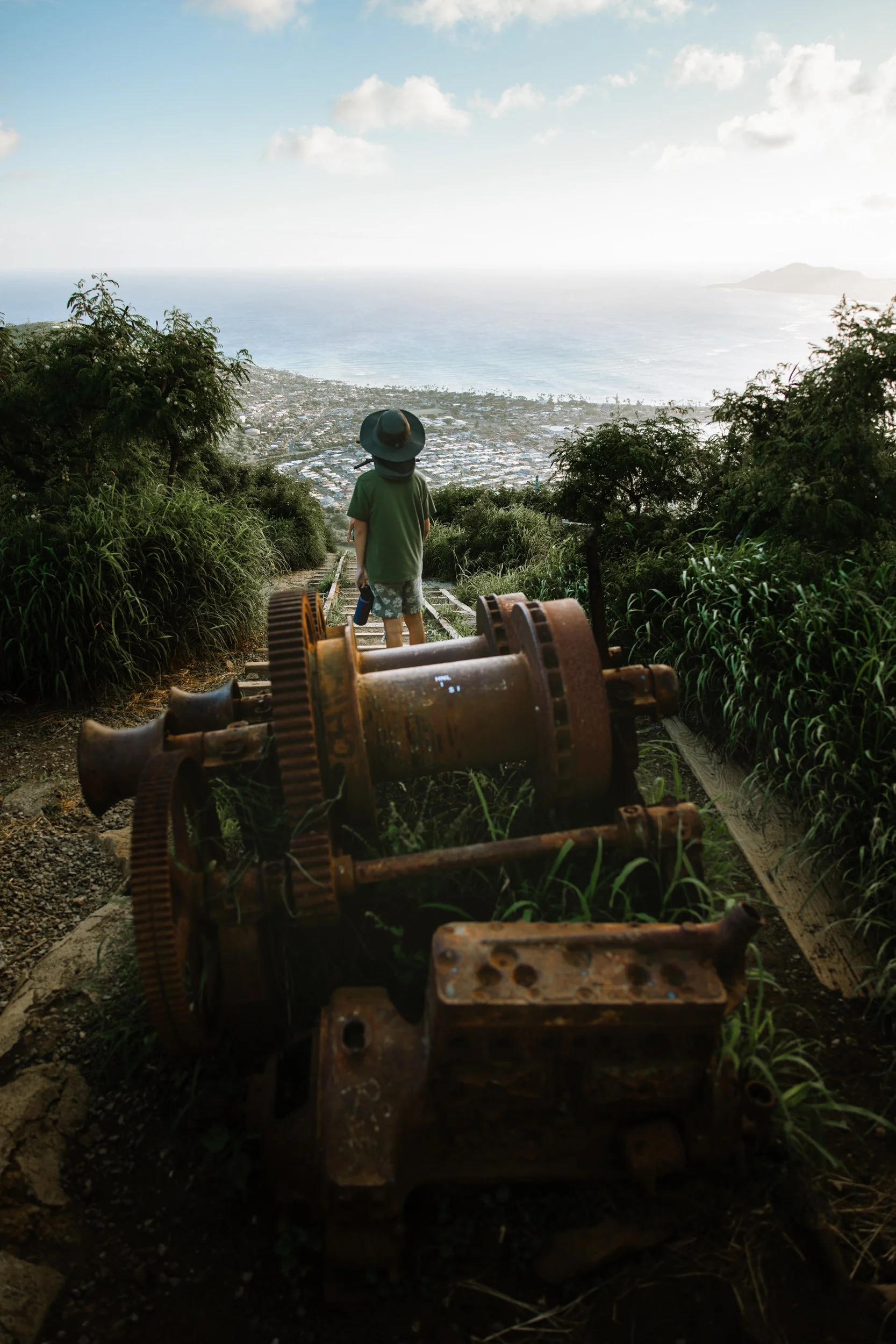
With my son standing beside it - a young boy next to something weathered and industrial - the photo suddenly carries more. It shows scale. But it also quietly reveals something deeper: the contrast between past and present, between history and the future standing right next to it.
That's the difference between noticing a detail and knowing what to do with it.
The Feeling
The fifth element is the one that ties everything together: the feeling.
Not what does this place look like. What does it feel like to be here?
Light and color shape feeling more than anything else. See the difference between my two sets of photos.
The first hike felt quiet, a little moody - overcast sky, soft light, muted colors. My edit followed naturally: desaturated tones, restrained contrast. My philosophy is to work with what the scene gives you, not fight against it.
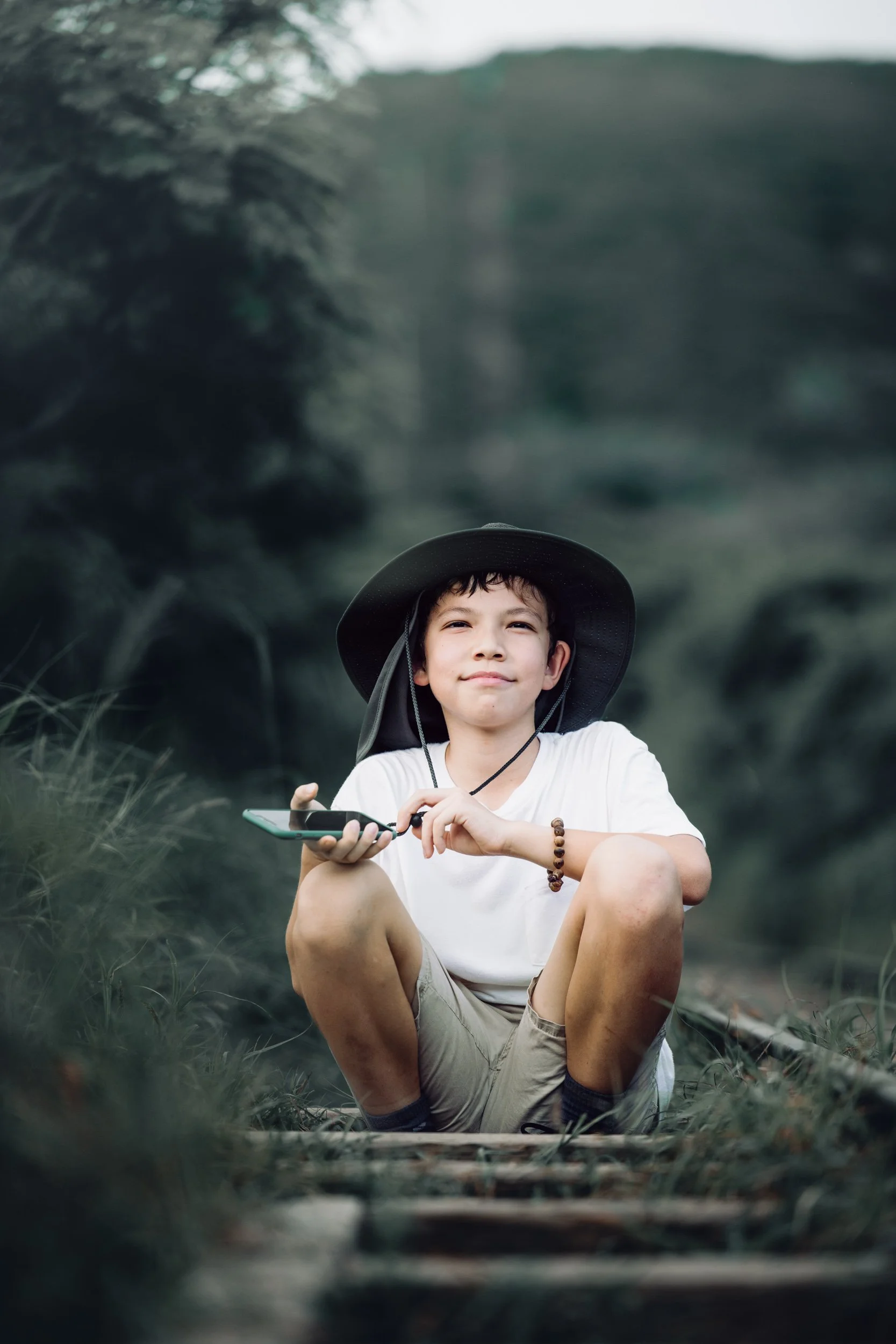
The second hike felt warm, expansive, earned. Sunset light transformed everything. So the edit followed - more warmth, richer colors, a sense of reward after the climb.
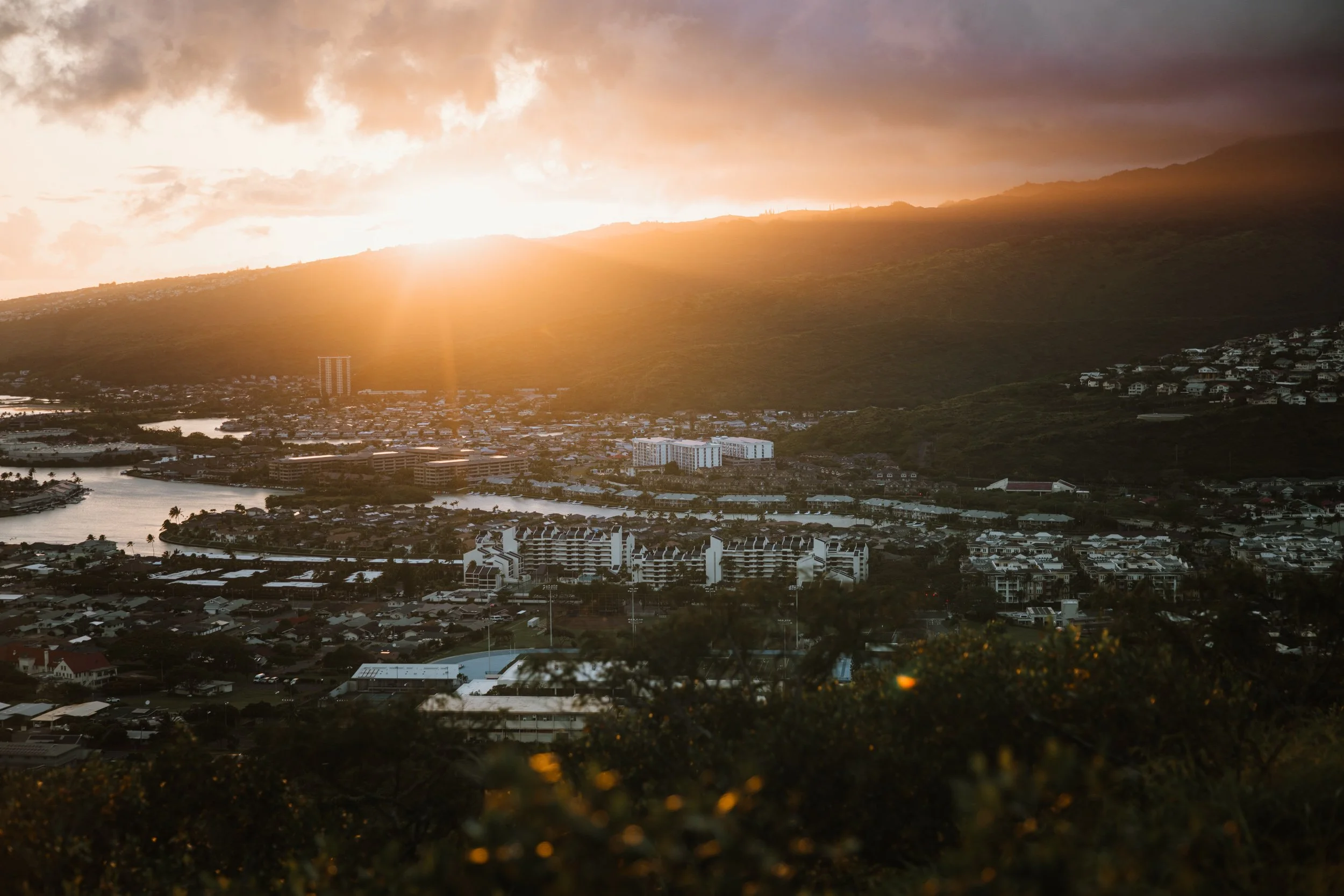
The difference between these two sets of photos isn't the gear. It's clarity.
Knowing what emotional story you're trying to tell - and making every decision in service of that. Lens, timing, angle, and the final polish of editing. None of it random. All of it deliberate.
The feeling part is the most important element to practice - because it's what separates a technically correct photo from one that stops the scroll.
Now tell me in the comment - which of these 5 elements do you photograph most naturally, and which one would you like to try in your next practice? And if you find this blog (and video tutorial) helpful, please like, subscribe - and share it with someone who might need it.
Bonus Tip
Here’s the bonus tip I promised earlier.
If you want your photos to feel more immersive, stop asking people to always look at the camera.
When someone isn't facing the camera, the viewer starts paying attention to the environment, the atmosphere, and the experience itself.
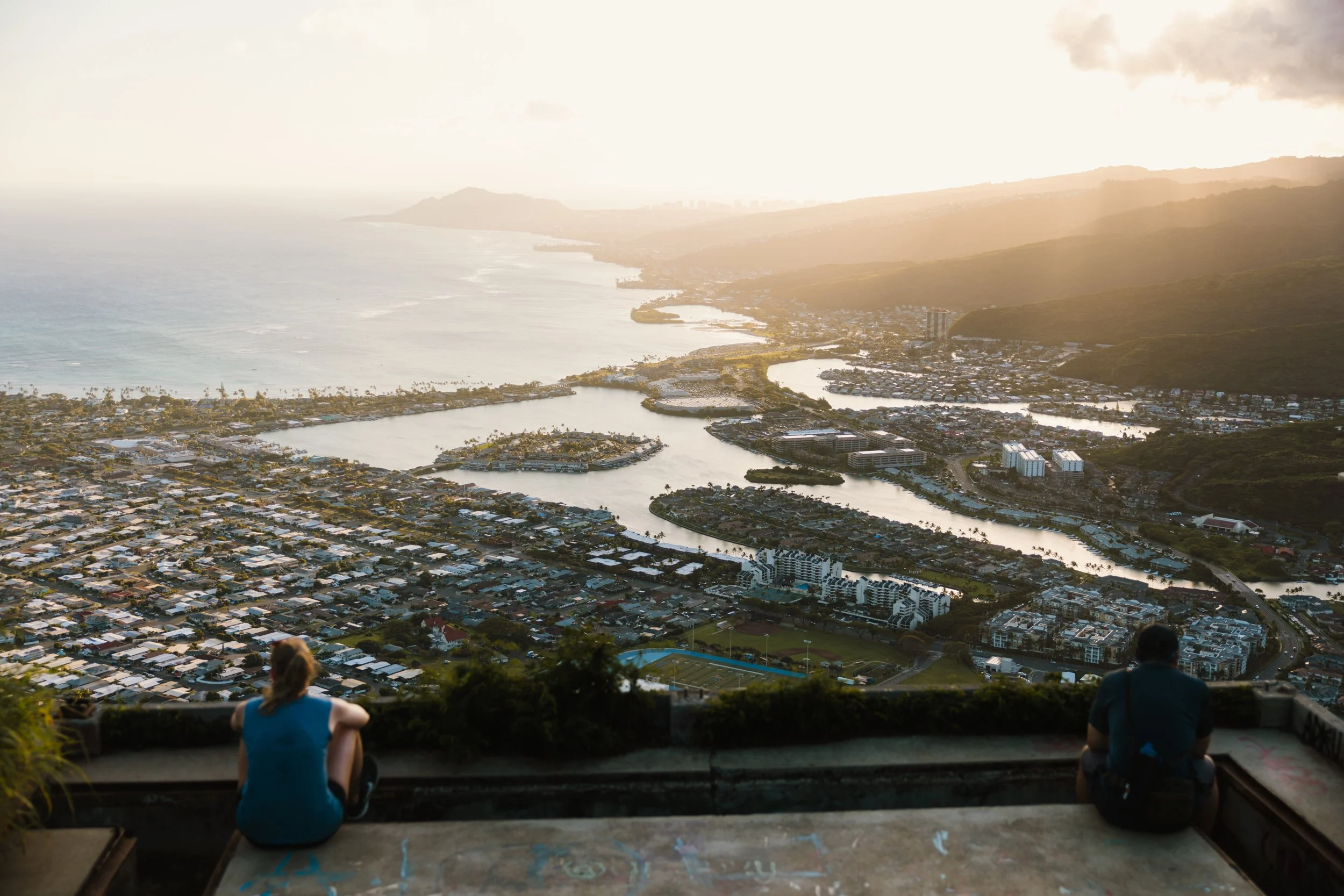
You begin experiencing what the person is experiencing, and feeling what the person might be feeling. It's an invitation into the moment.
This works anywhere - on a mountain, in a museum, at a local market, or in front of an epic landmark. Some of the most immersive storytelling happens when people aren't performing for the camera at all. They're just living - and you're there to observe it.
There you have it - five elements to photograph that will complete your story, whether you're documenting travel, everyday life, or anything in between.
Instead of going for the most obvious shot, try looking for these five elements as the scene naturally unfolds around you.
The place.
The experience.
Emotion and connection.
Unique details.
And the feeling.
With a clear framework, you can train your eye the moment you arrive anywhere — and always know exactly what to look for. Once you start seeing this way, you'll find meaningful photos everywhere.
Thank you so much for watching, and keep documenting what makes you feel alive.
Pin it 👇

You may also love…




The final part of our New Zealand journey covers Christchurch, Lyttelton Farmers’ Market, Kaikōura whale watching, Auckland, Waiheke Island, and Rangitoto Island.