
New Zealand South Island Road Trip Part 1: Wānaka to Milford Sound
New Zealand had been on our travel list for years. This May, we finally embarked on a three-week journey across both the South and North Islands, with most of our time spent on a 17-day road trip through the South Island.
We flew from Honolulu to Auckland, stayed overnight near the airport, then continued to Queenstown the following morning. From there, we picked up our rental car and began a loop through Wānaka, Queenstown, Glenorchy, Te Anau, Milford Sound, the Catlins, Twizel, Aoraki/Mount Cook, Lake Tekapo, Christchurch and Kaikōura.
We traveled from late autumn into early winter, hoping to photograph the last fall colors, snow-covered mountains, the Milky Way and, with some luck, the Southern Lights.
The weather forecast showed rain almost every day.
Ironically, instead of taking fewer photos, I took far more than usual. Every break in the weather felt like a gift, and I carried my camera almost everywhere in case the clouds opened for just a few minutes.
This first part of the journey covers Arrowtown, Wānaka, Queenstown, Glenorchy, Te Anau and Milford Sound. The rest of our South Island road trip—from the Southern Scenic Route and the Catlins to Mount Cook, Lake Tekapo, Christchurch and Kaikōura—will be shared in the next two posts.
Our New Zealand South Island Road Trip
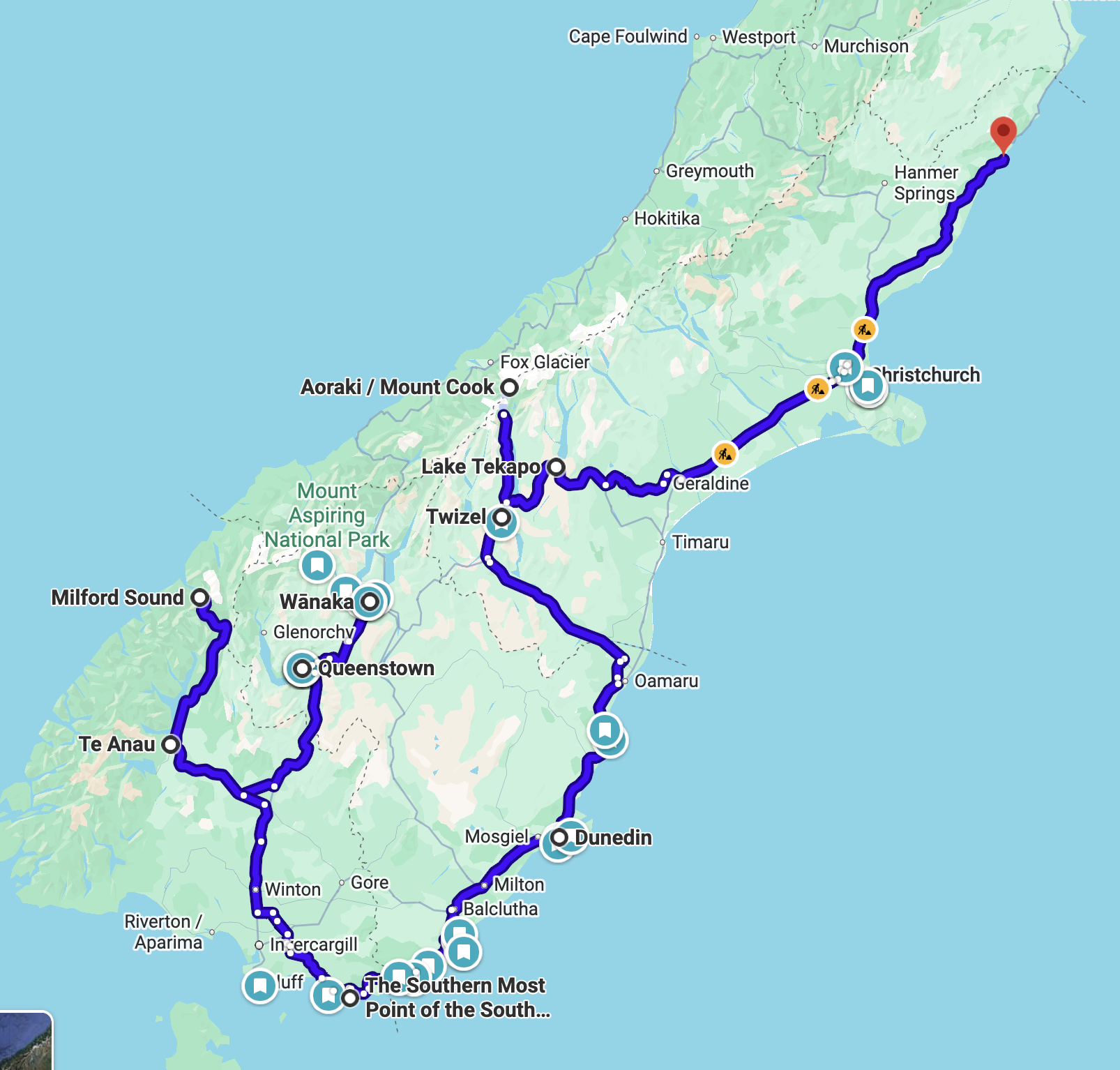
Road Trip Itinerary - Part 1
Queenstown Airport → Arrowtown → Wānaka → Queenstown → Glenorchy → Te Anau → Milford Sound → Southern Scenic Route → Kaka Point and the Catlins → Twizel → Aoraki/Mount Cook → Lake Tekapo → Christchurch → Lyttelton → Kaikōura → Christchurch Airport
Arrowtown
After landing at Queenstown Airport and picking up our rental car, we made a quick stop in Arrowtown before continuing to Wānaka.

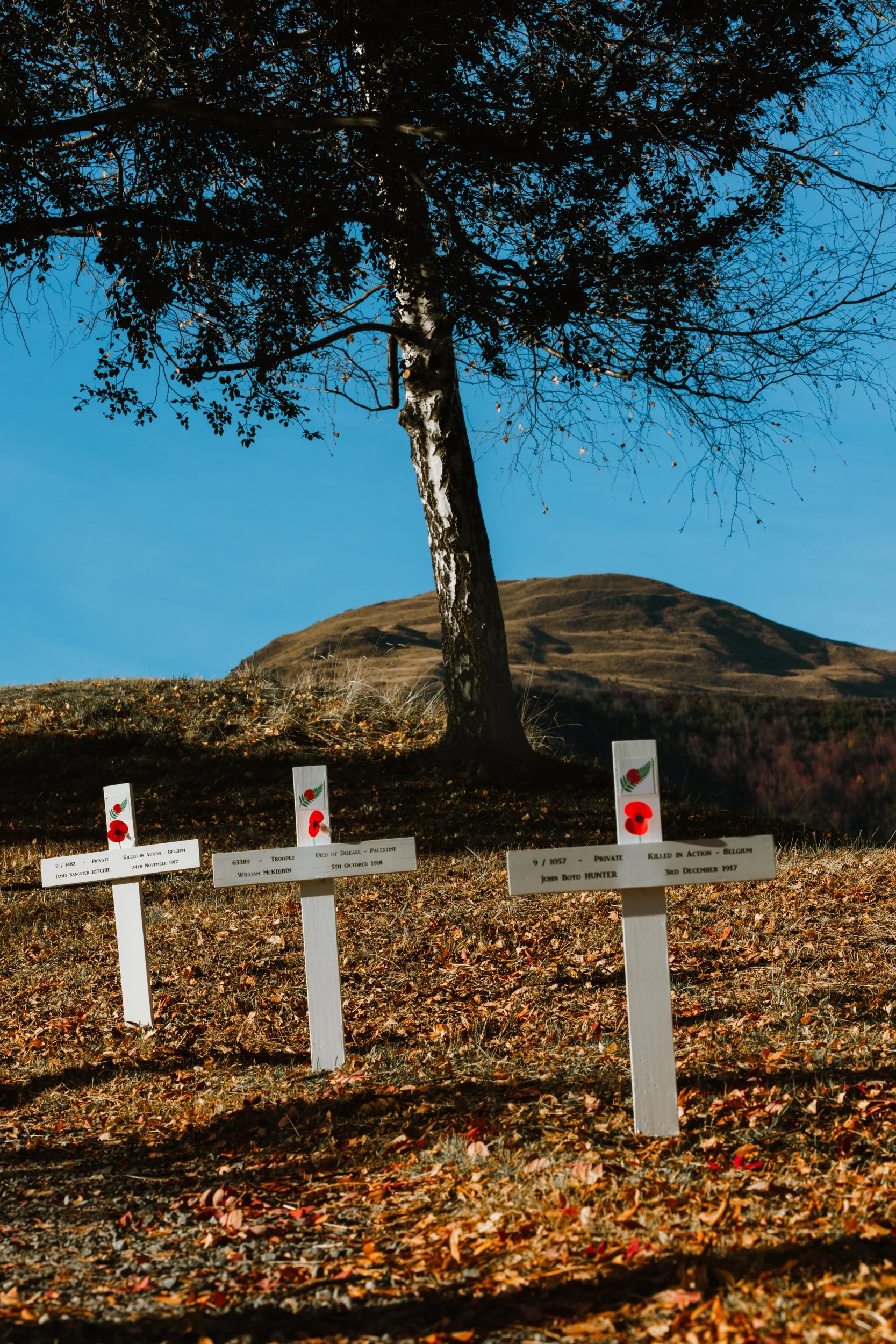
We visited the Historic Arrowtown Chinese Settlement and Arrowtown War Memorial Park, hoping to catch some of the remaining fall colors. By late May, the season was nearly over, but there were still enough golden leaves to give us our first taste of autumn on the South Island.
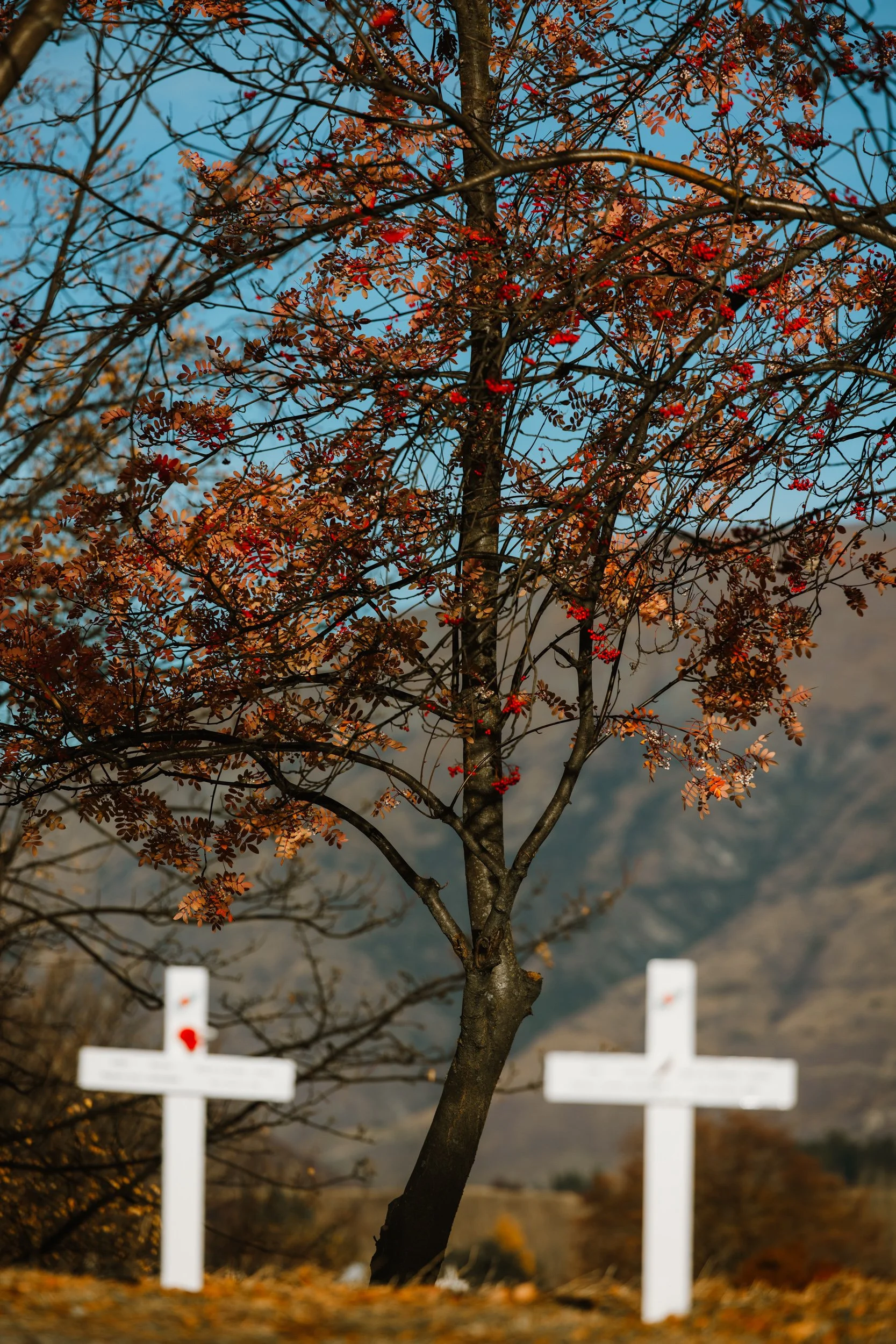
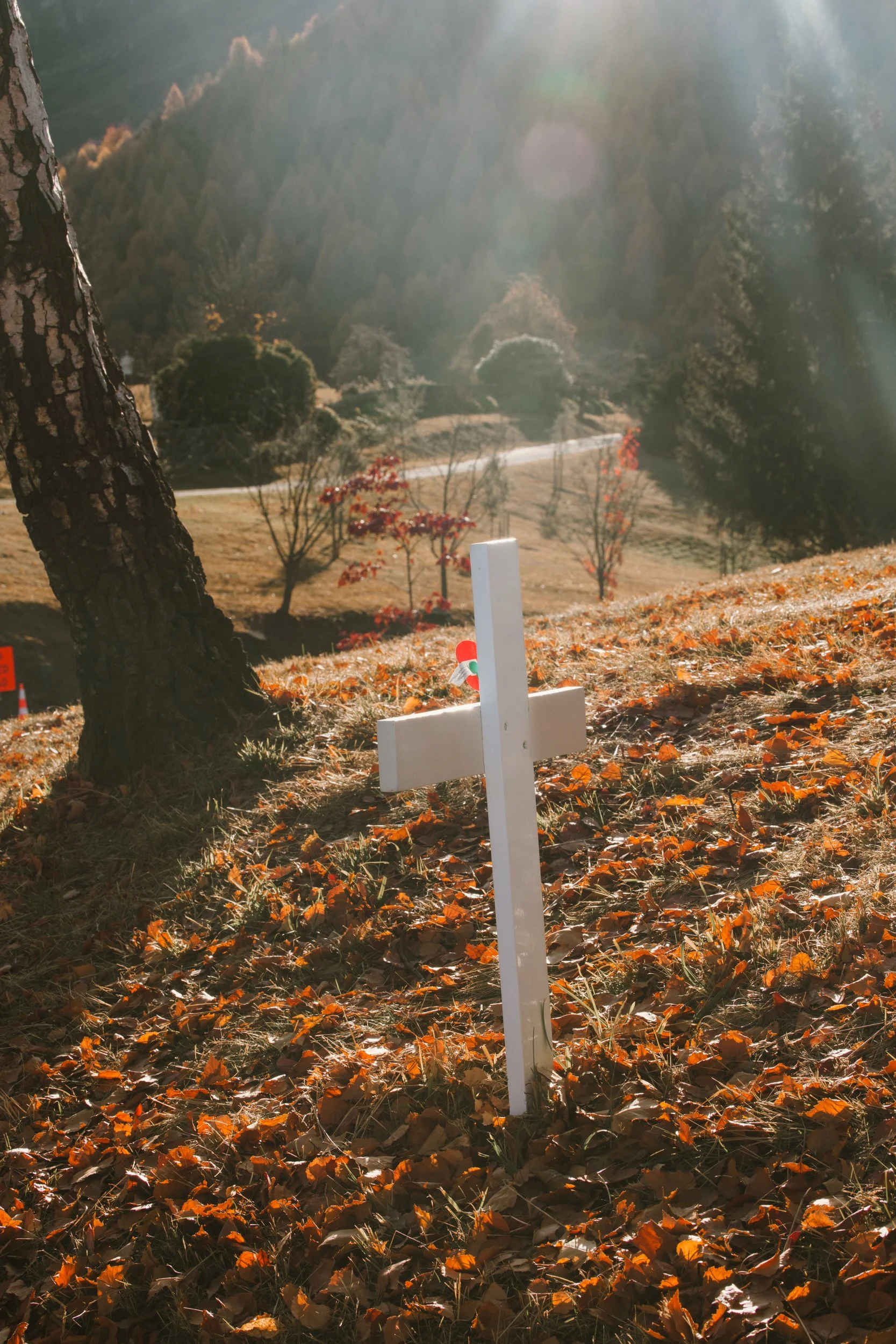
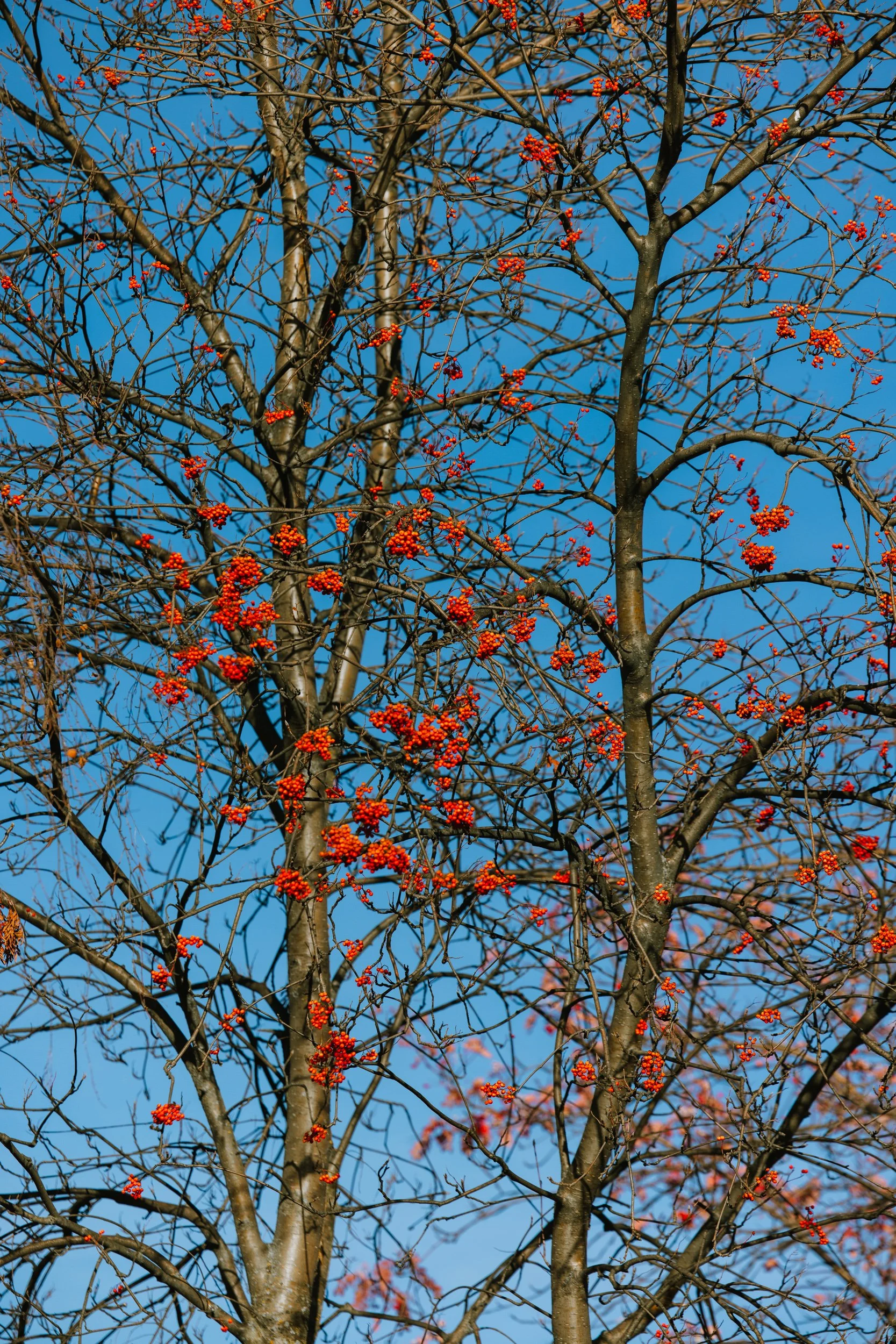
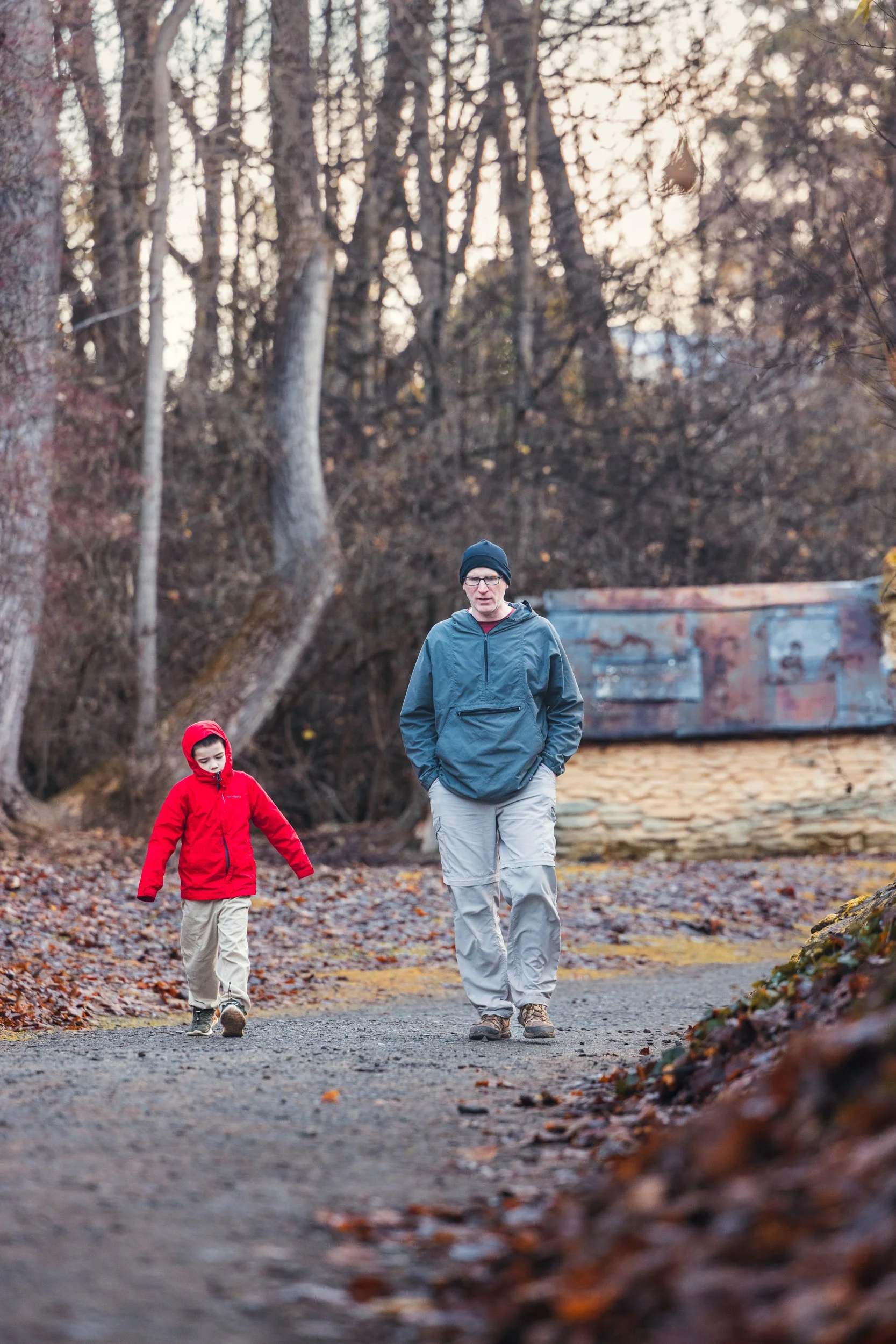
The small cottages at the Chinese Settlement also offered a glimpse into the lives of Chinese miners who came to the area during the gold rush. As a Chinese traveler, I found this part of Arrowtown especially meaningful, even though our visit was brief.



Wānaka
Probably one of the most photographed lone trees on the planet.
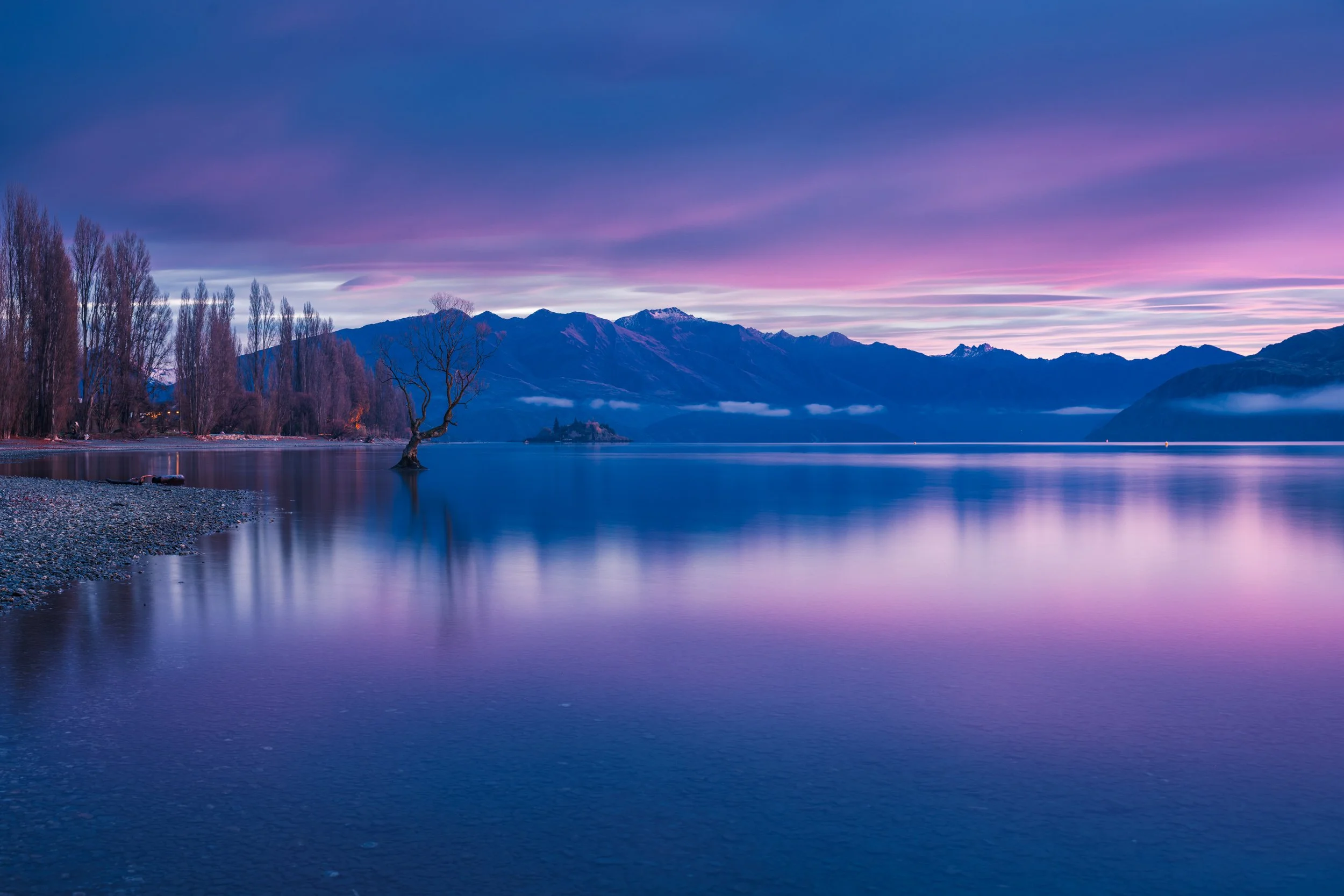
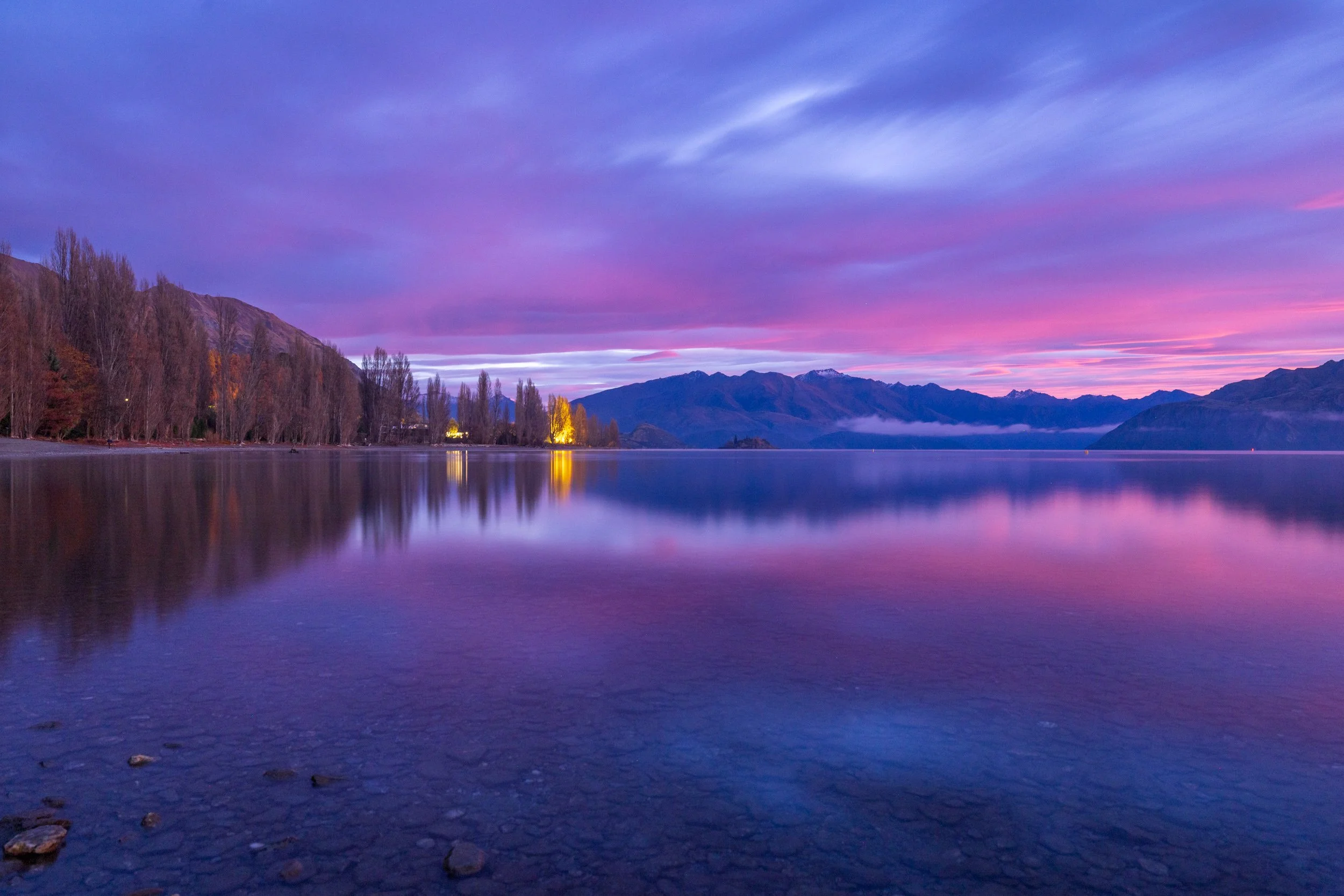
Even though I knew millions of versions of That Wānaka Tree already existed, I still wanted to create my own on the first morning of our South Island road trip.
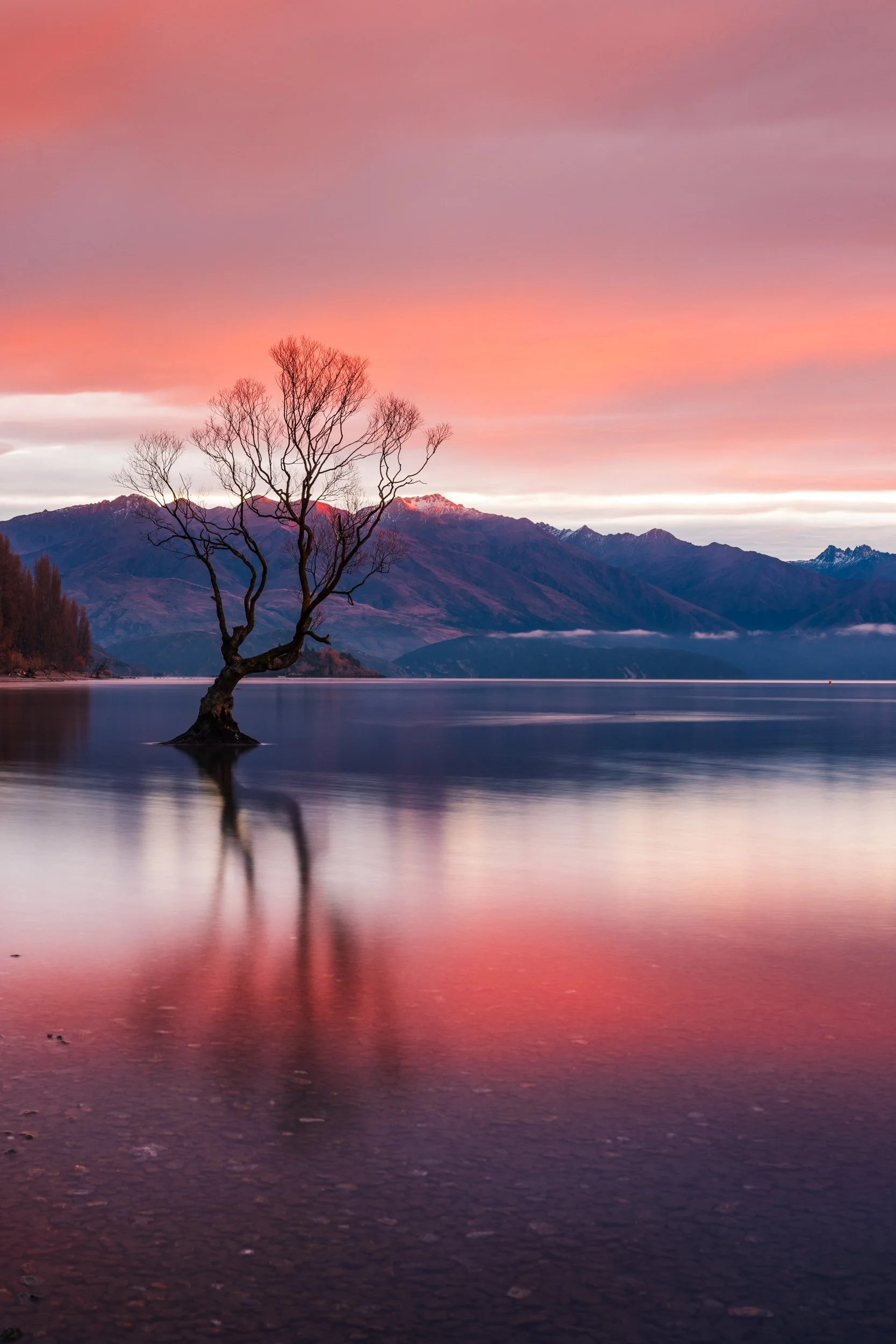
The entire session lasted about two hours—one hour before sunrise and another hour afterward. After standing in and out of the water for more photographs than I probably needed, I began turning my camera toward the ducks, a local dog and, of course, my little travel companion.

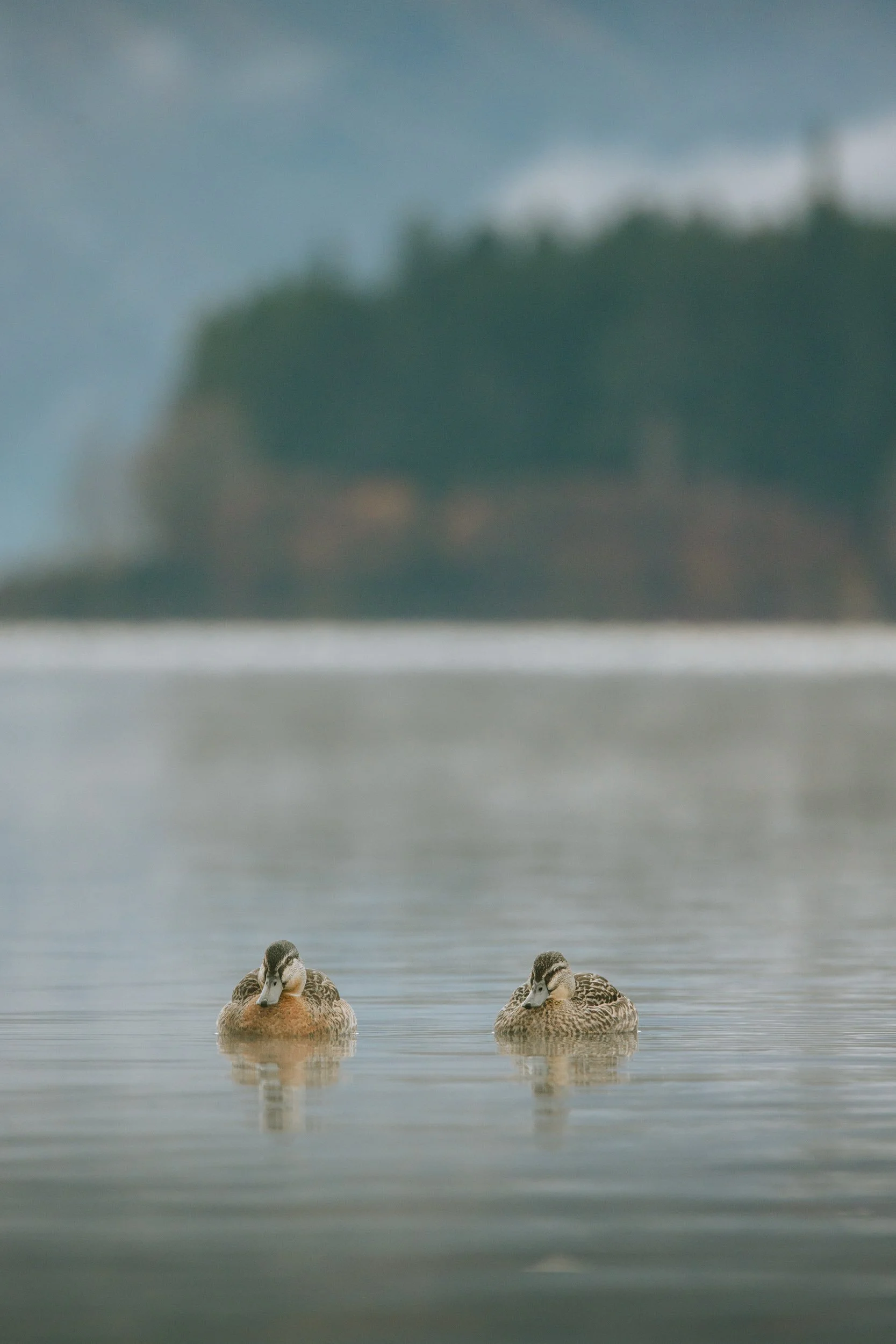
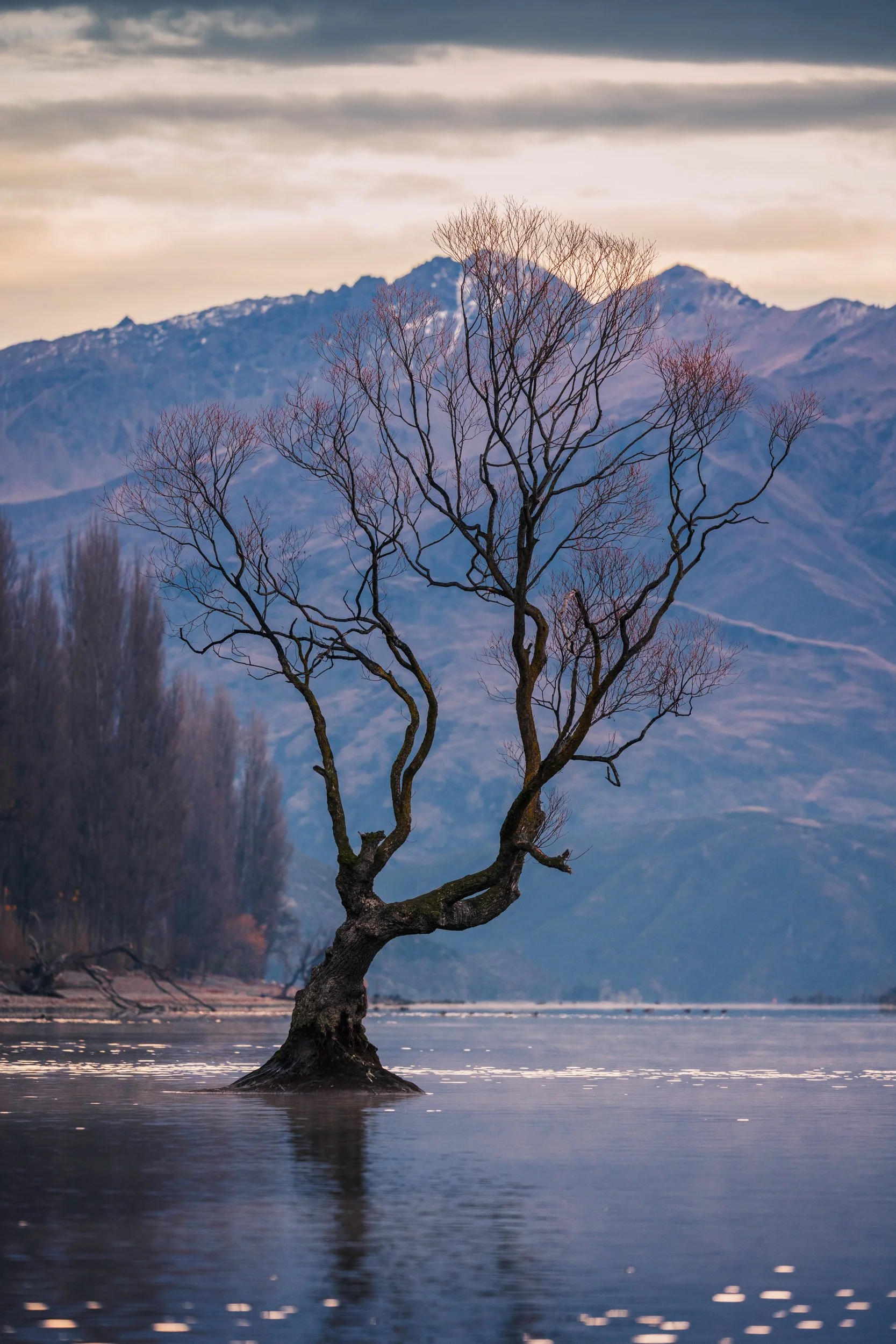
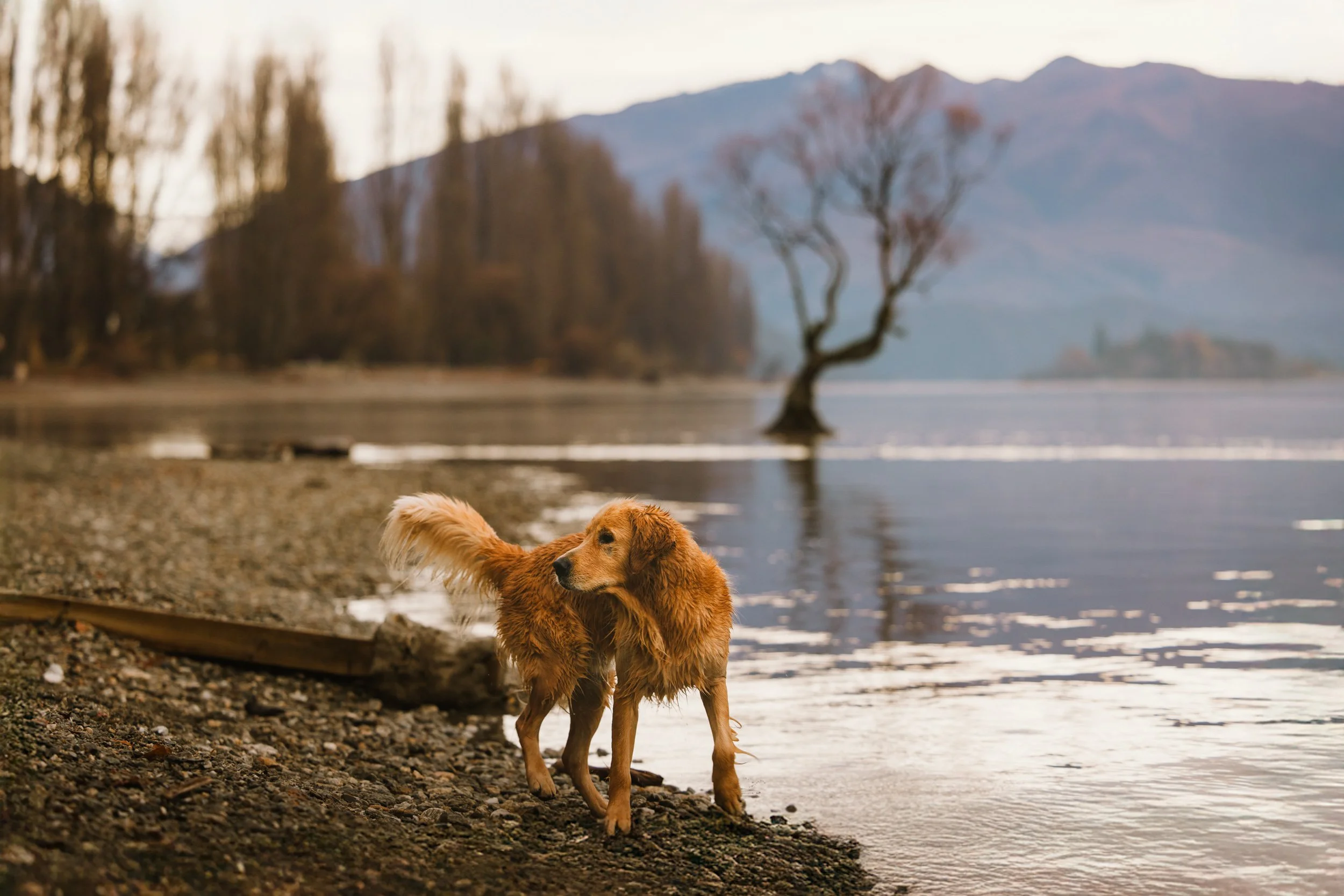
Sometimes we arrive with one photograph in mind, only to discover that the surrounding moments tell a more personal story.
Glendhu Bay and Mount Aspiring National Park
While staying in Wānaka, we drove west along the lake toward Glendhu Bay and briefly explored the edge of Mount Aspiring National Park.
The drive itself was filled with open farmland, lake views and layers of mountains. Unlike That Wānaka Tree, there was no single famous subject demanding the camera’s attention. We simply stopped whenever a scene caught our eye.
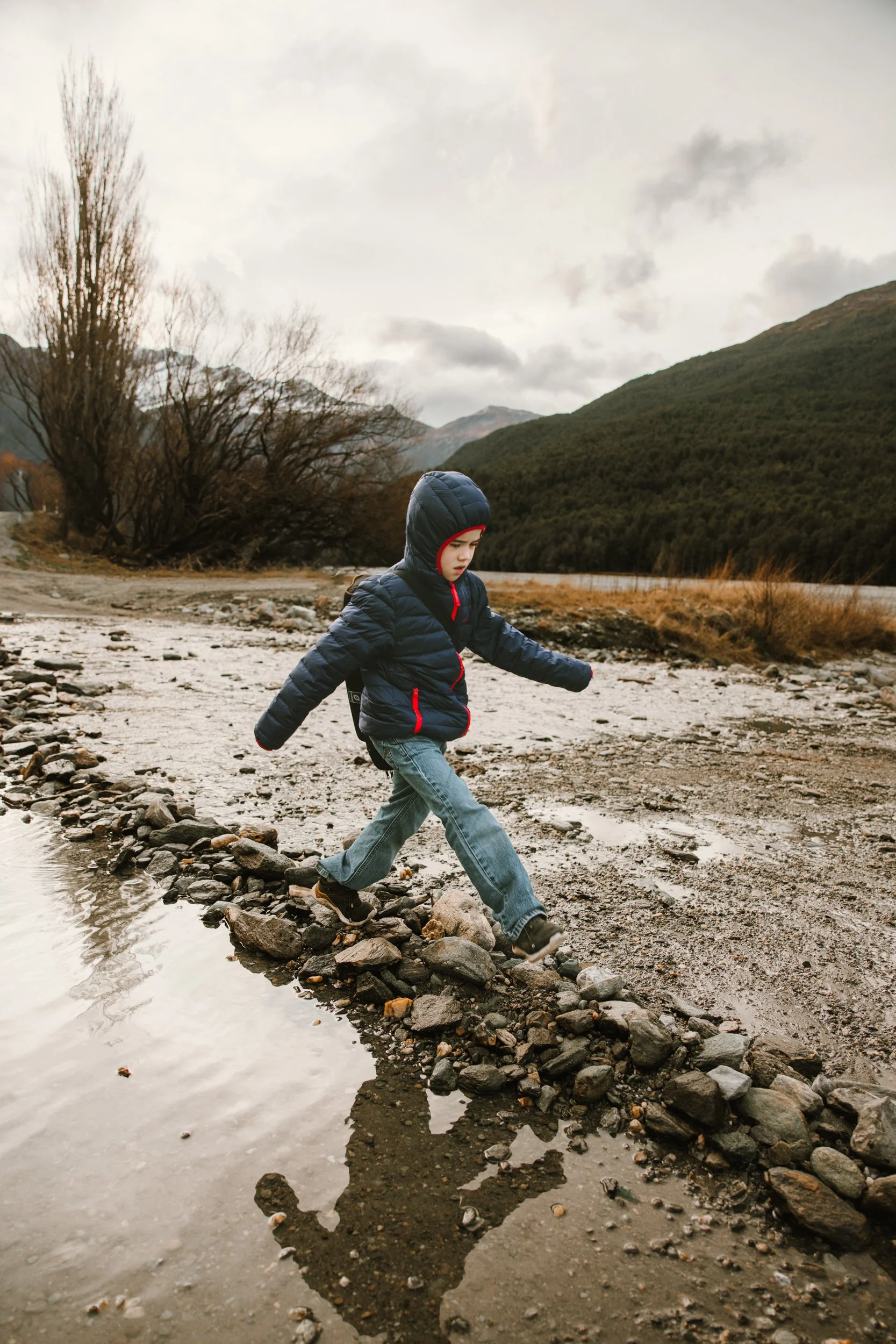
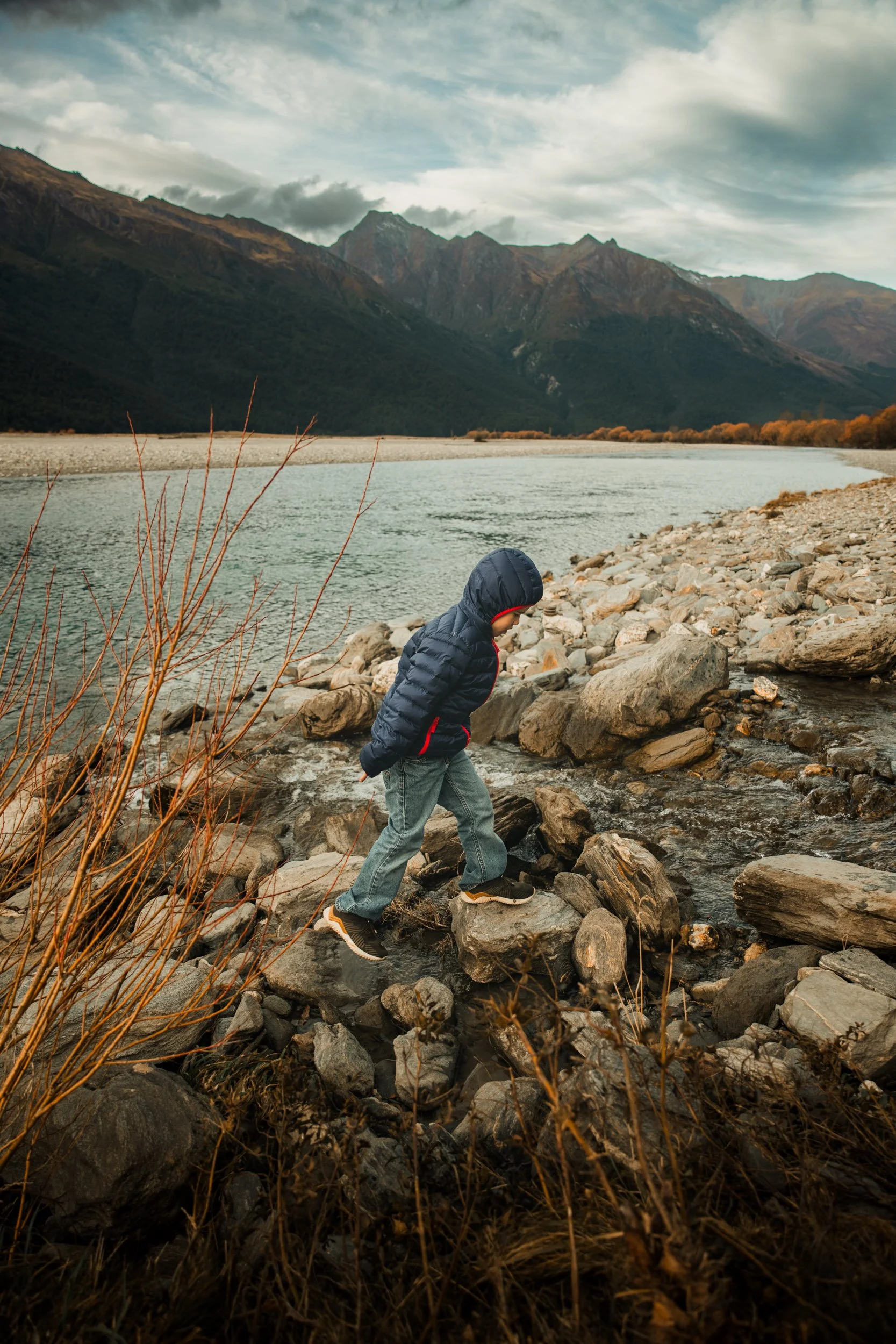
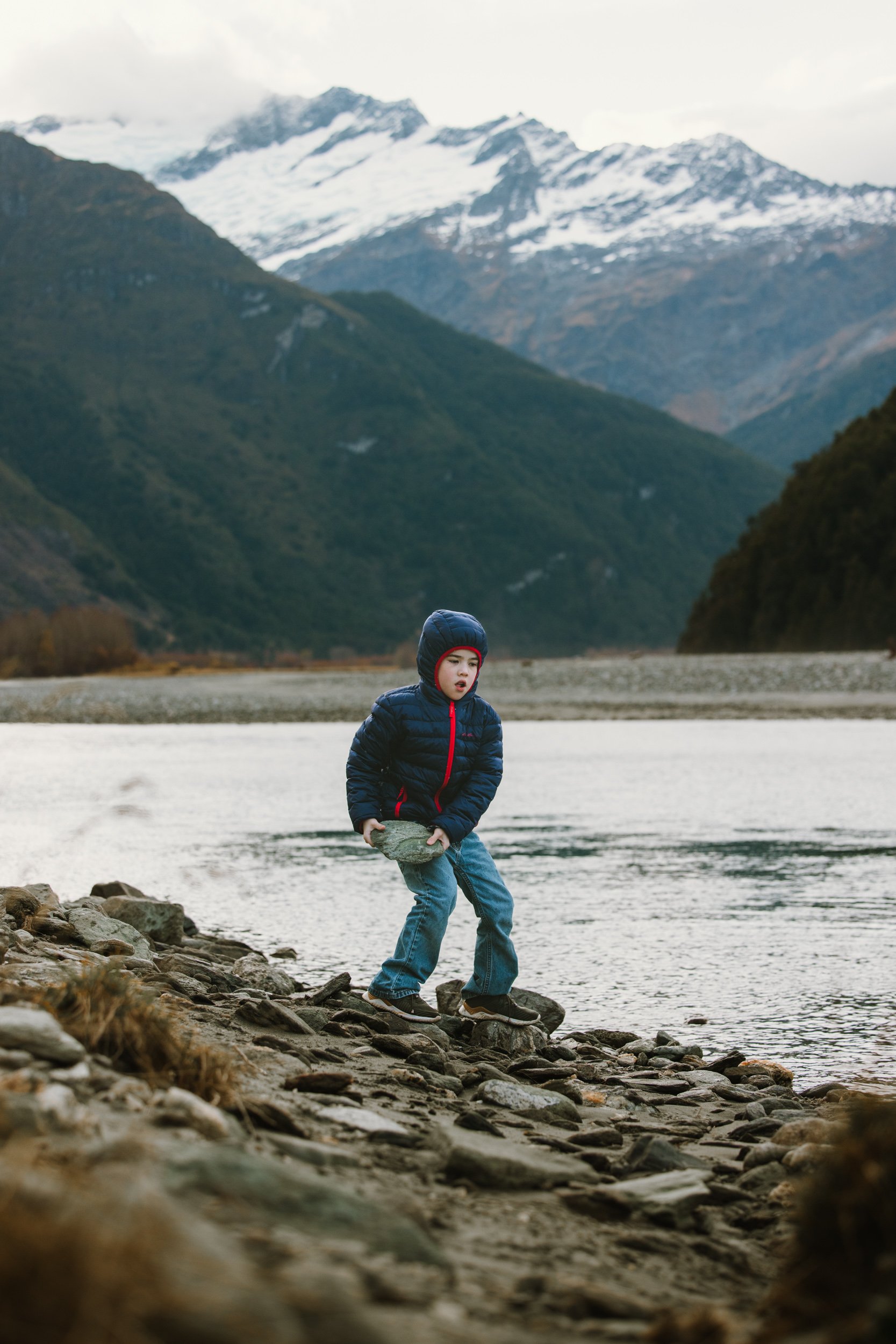
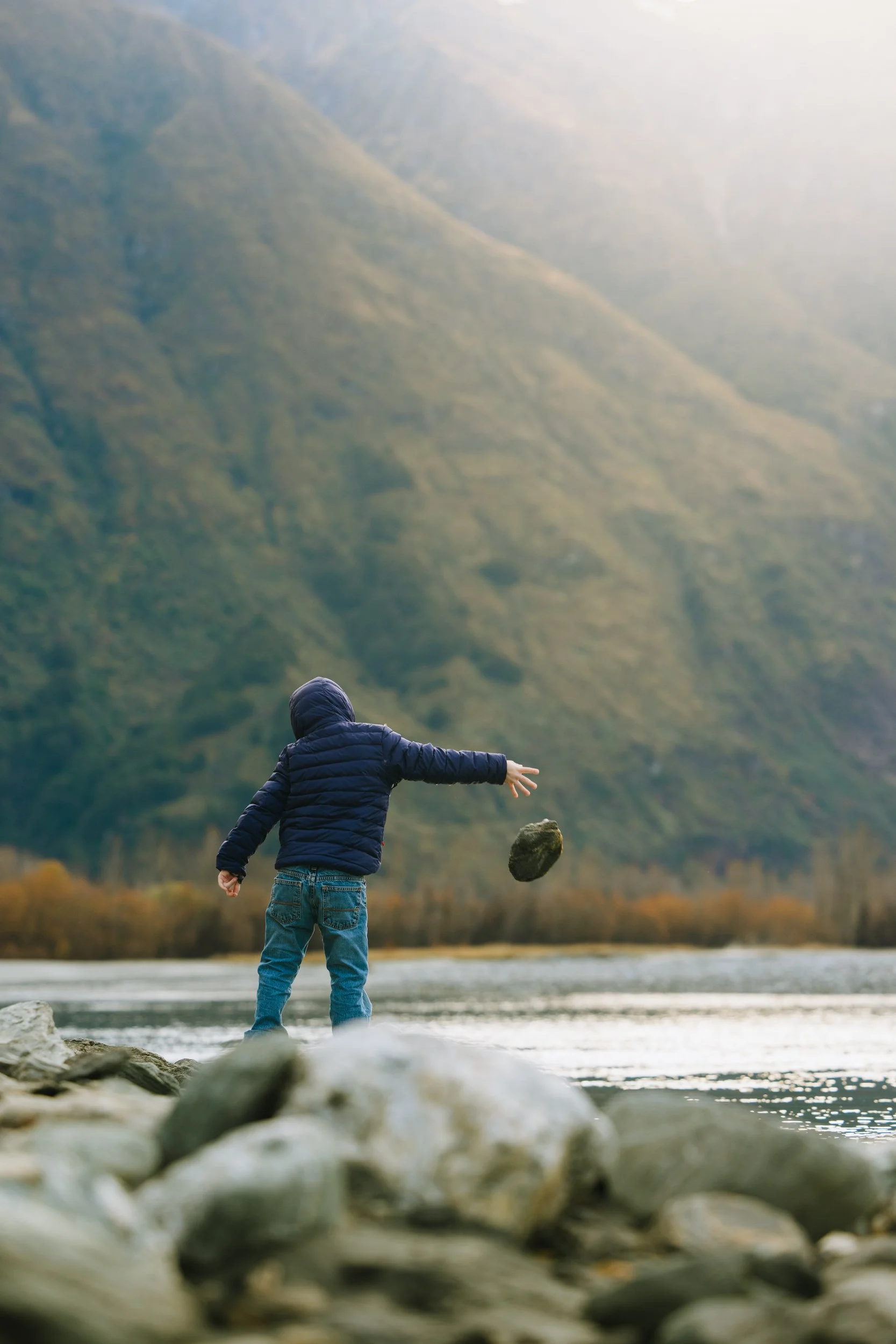
We considered hiking Roy’s Peak, but it did not fit our schedule, the weather or the reality of traveling with two children. New Zealand offers more beautiful places than anyone can reasonably photograph on one trip, and I had to remind myself that skipping one famous hike did not make the journey incomplete.
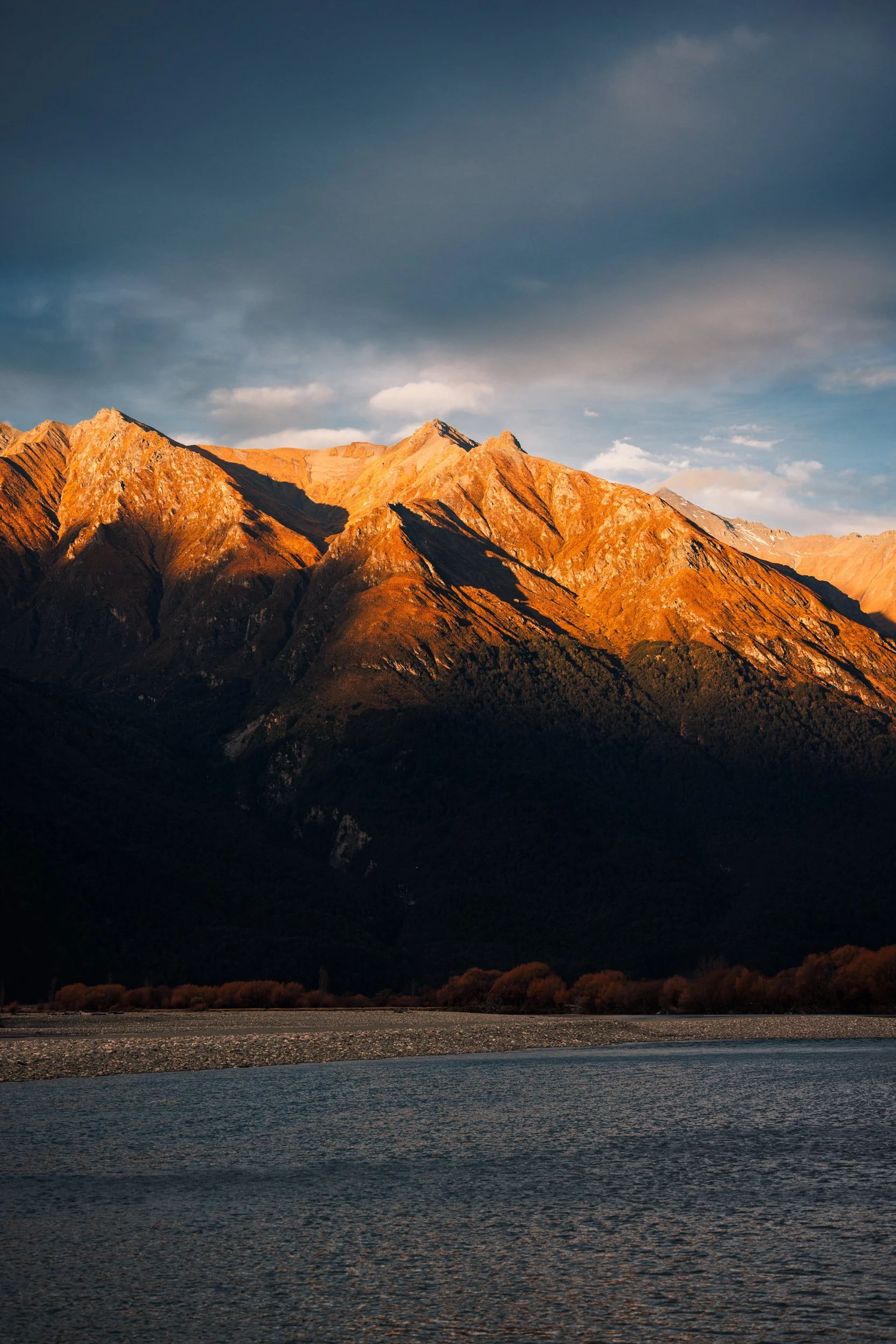

When photographing expansive scenery, I often use a longer focal length to isolate mountain layers or a small part of the landscape. A wide-angle view is not always the best way to communicate the scale of a place.
Queenstown
We returned to Queenstown for two nights.
I imagined photographing more city scenes, but rain followed us there as well. Instead, I photographed from our balcony and indoors while clouds moved across the mountains.
It took several attempts before dawn over two consecutive mornings to capture the view without the mountains disappearing completely behind a veil of rain and mist.
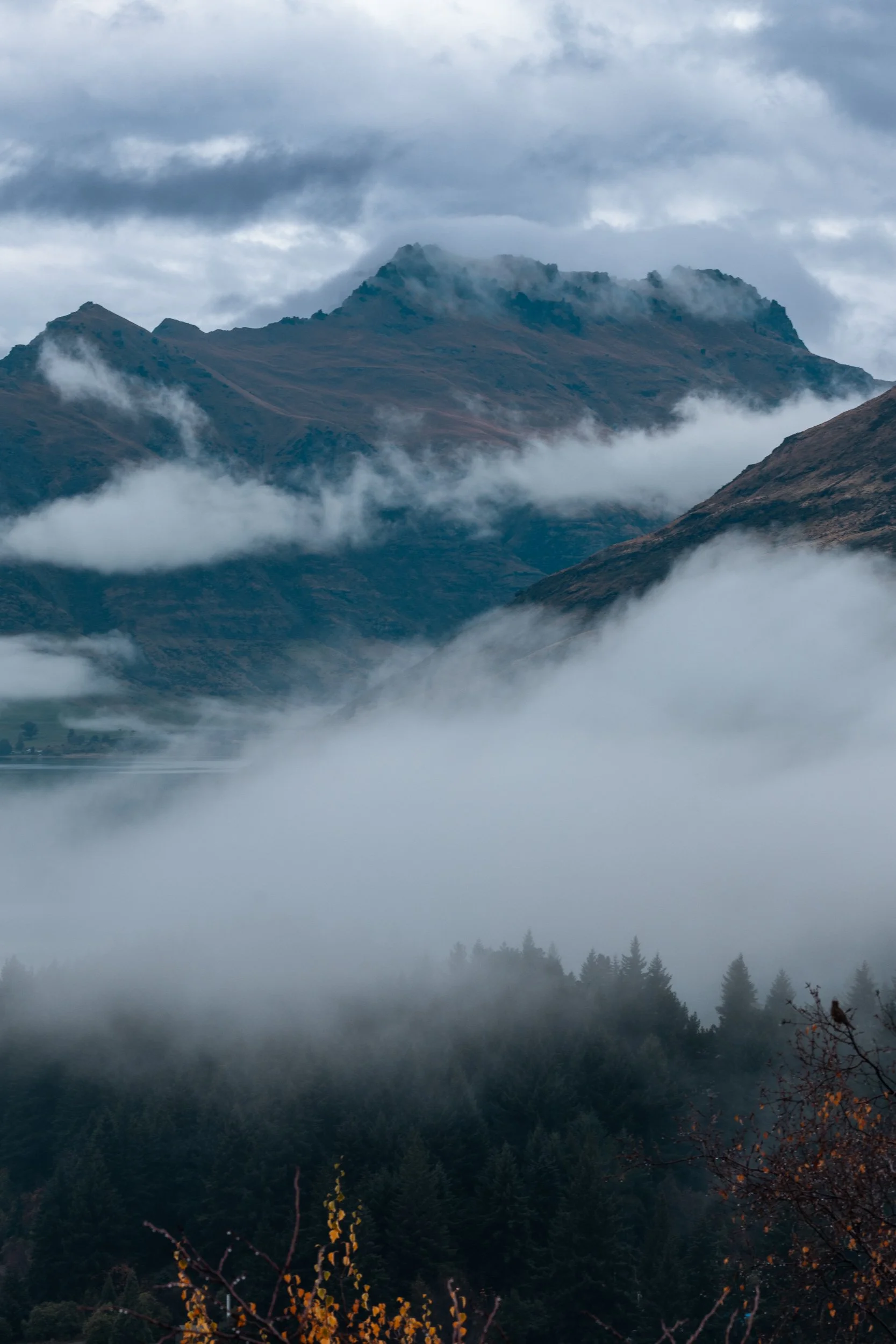
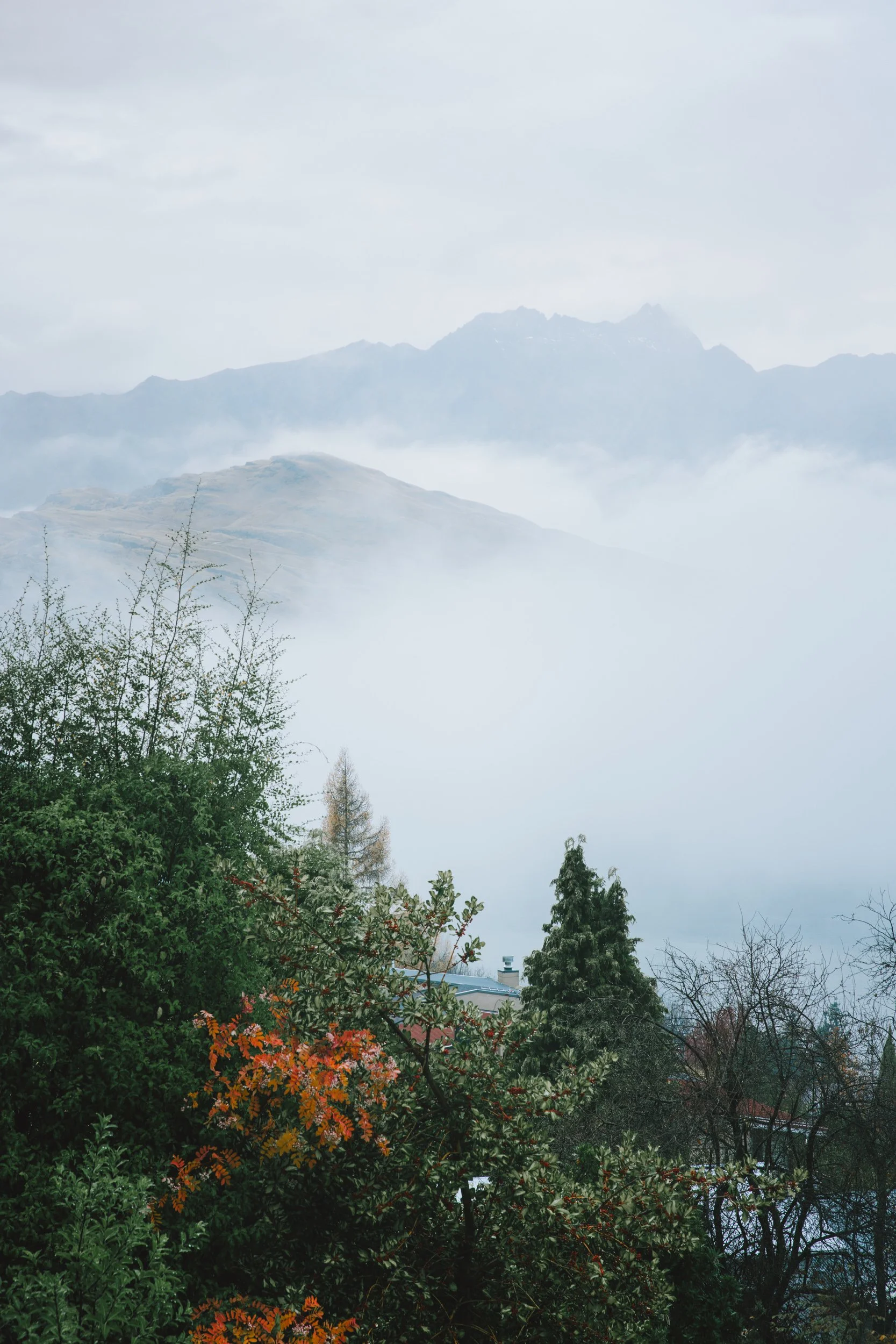
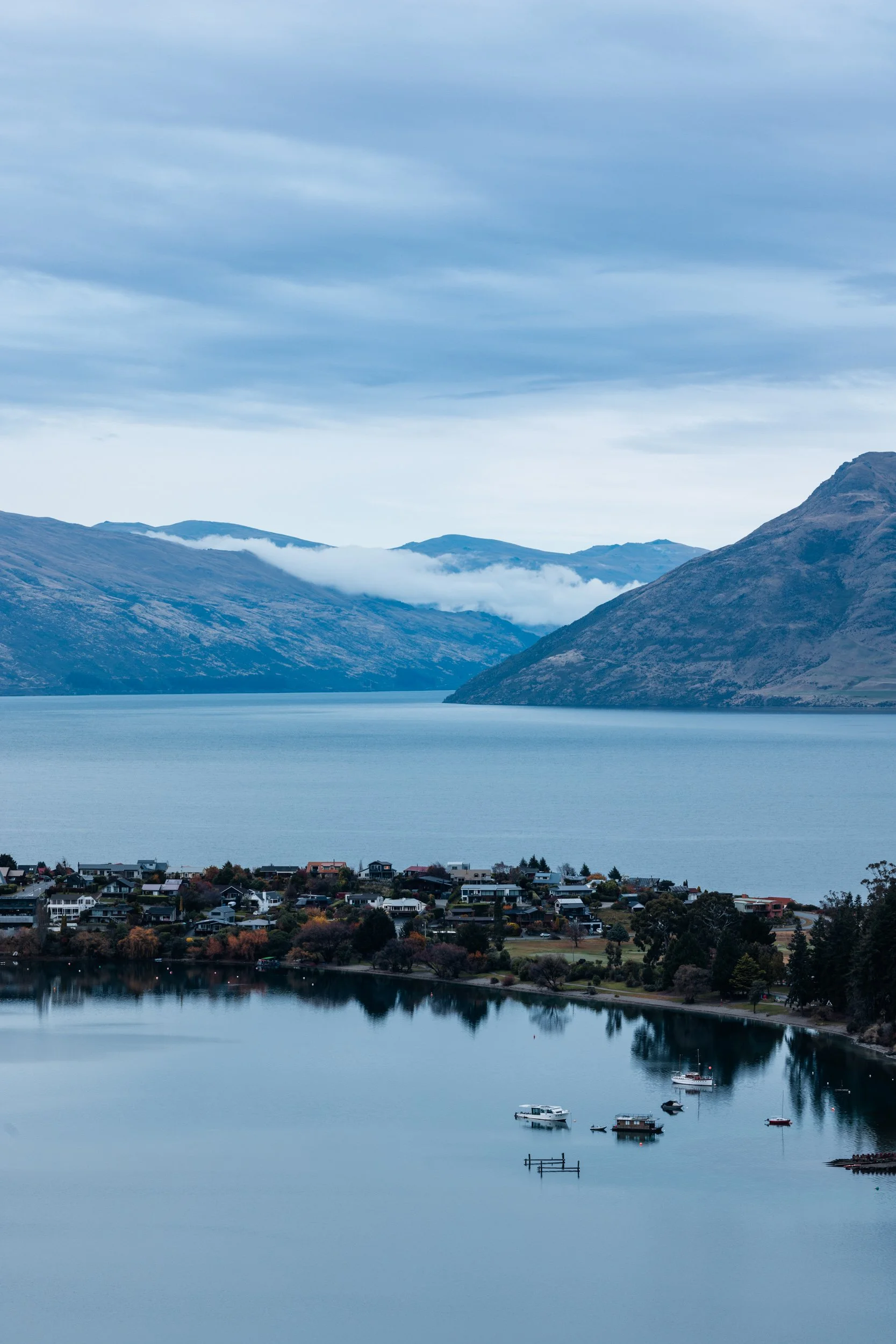
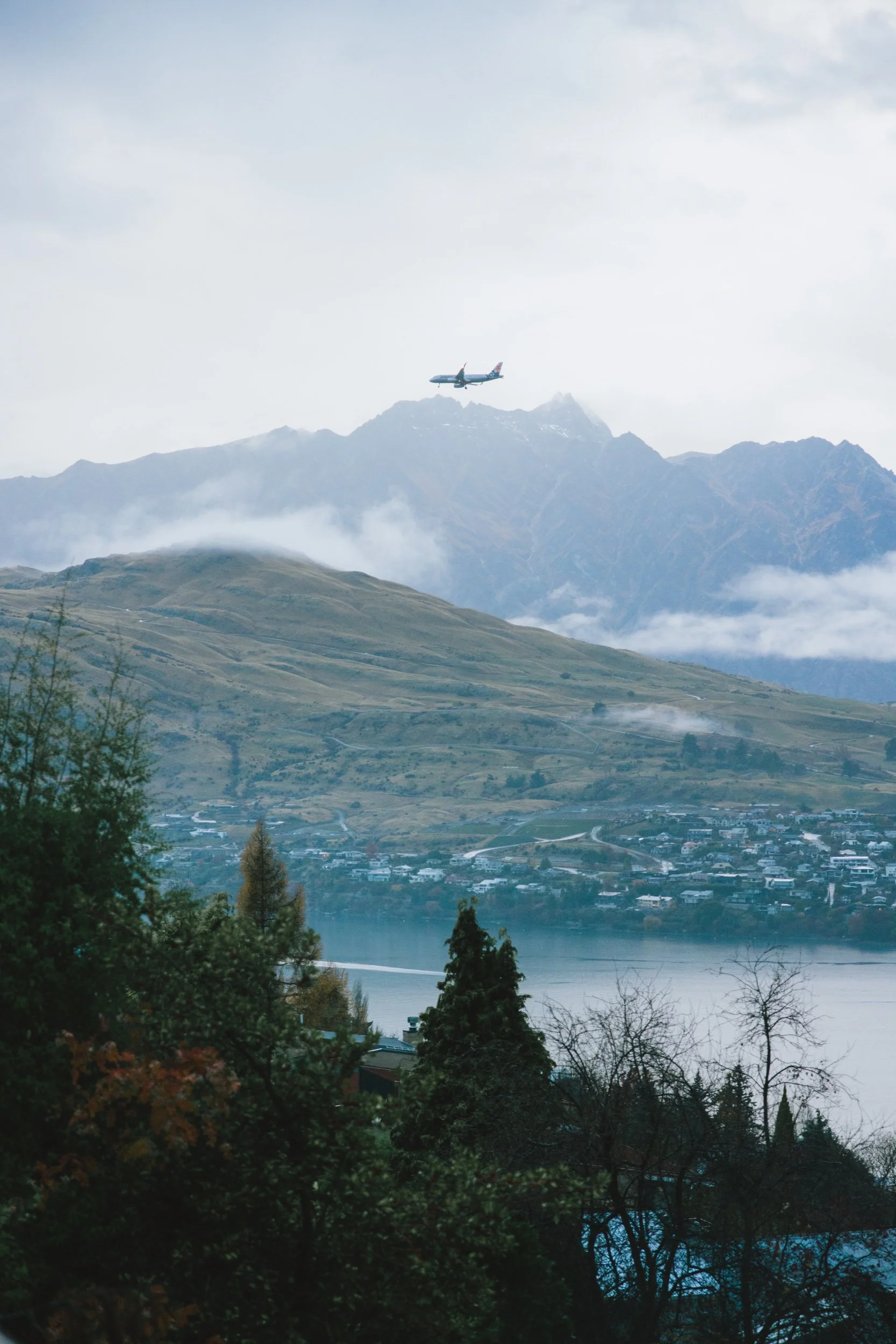
The boys, meanwhile, had no complaints about the weather. They enjoyed the indoor activities they had chosen before the trip, including indoor skydiving and arcade games.




Travel photography is not always about chasing dramatic landscapes. Sometimes the rainy view from an apartment and the way a family spends an unexpected indoor day become just as much a part of the journey.
Glenorchy
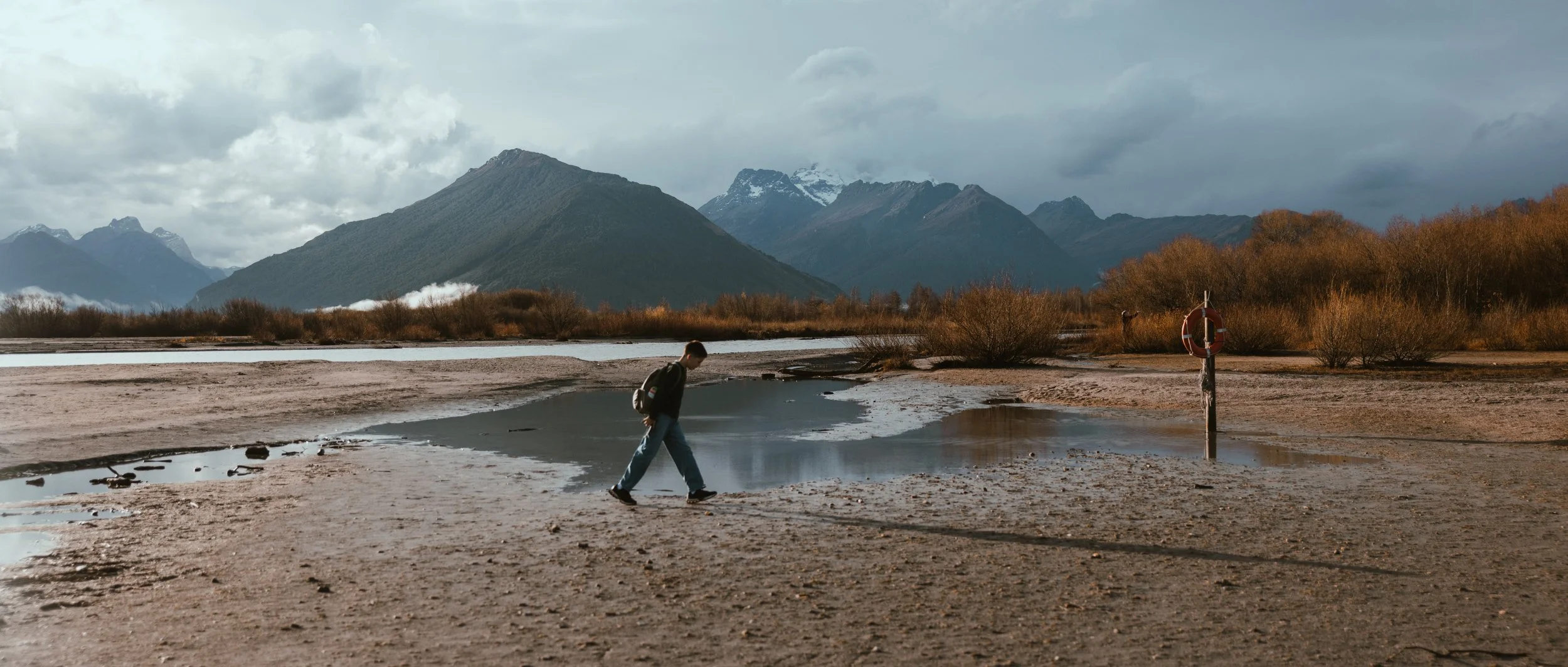
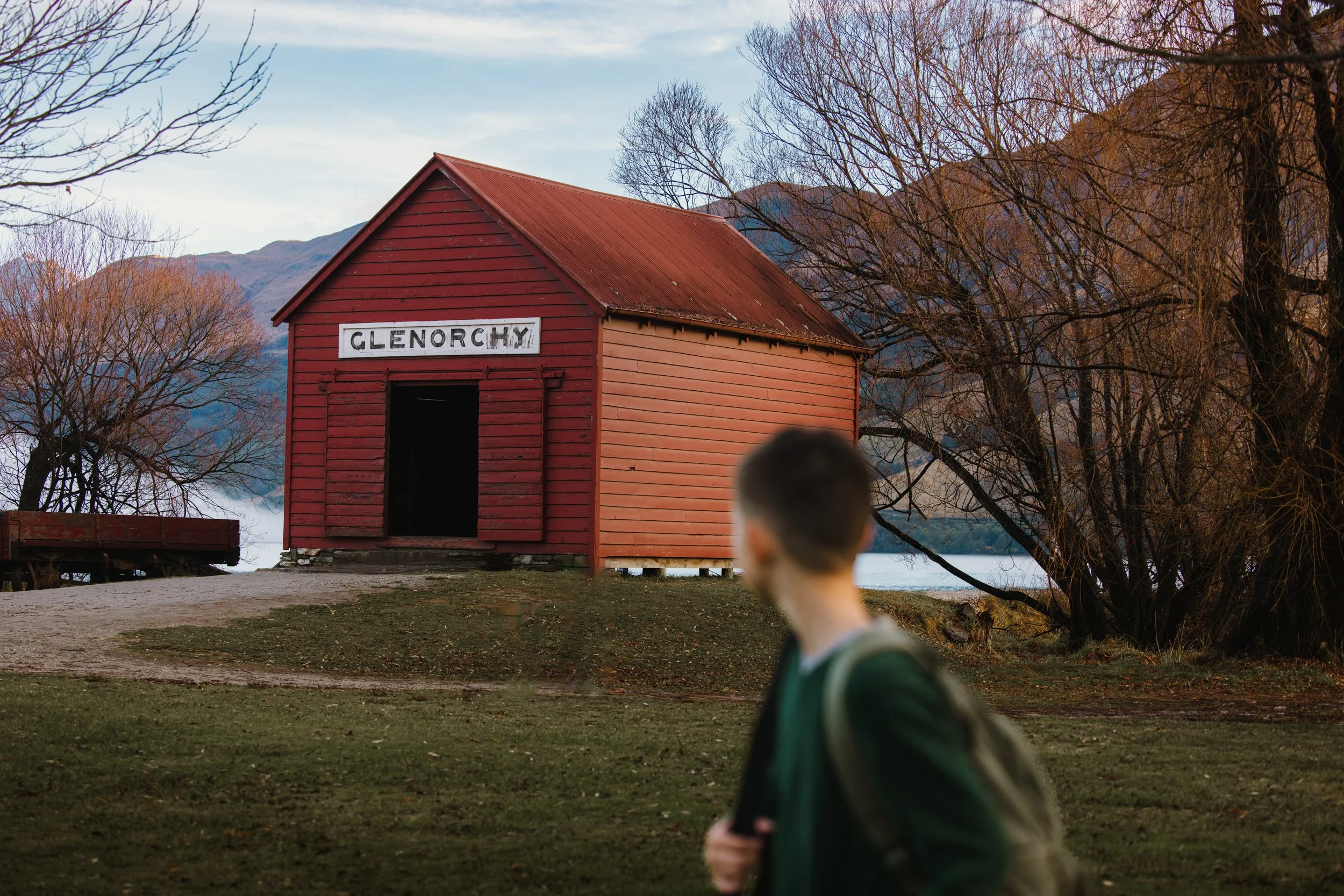
The scenic drive from Queenstown to Glenorchy follows the edge of Lake Wakatipu, with mountain views appearing around nearly every turn.
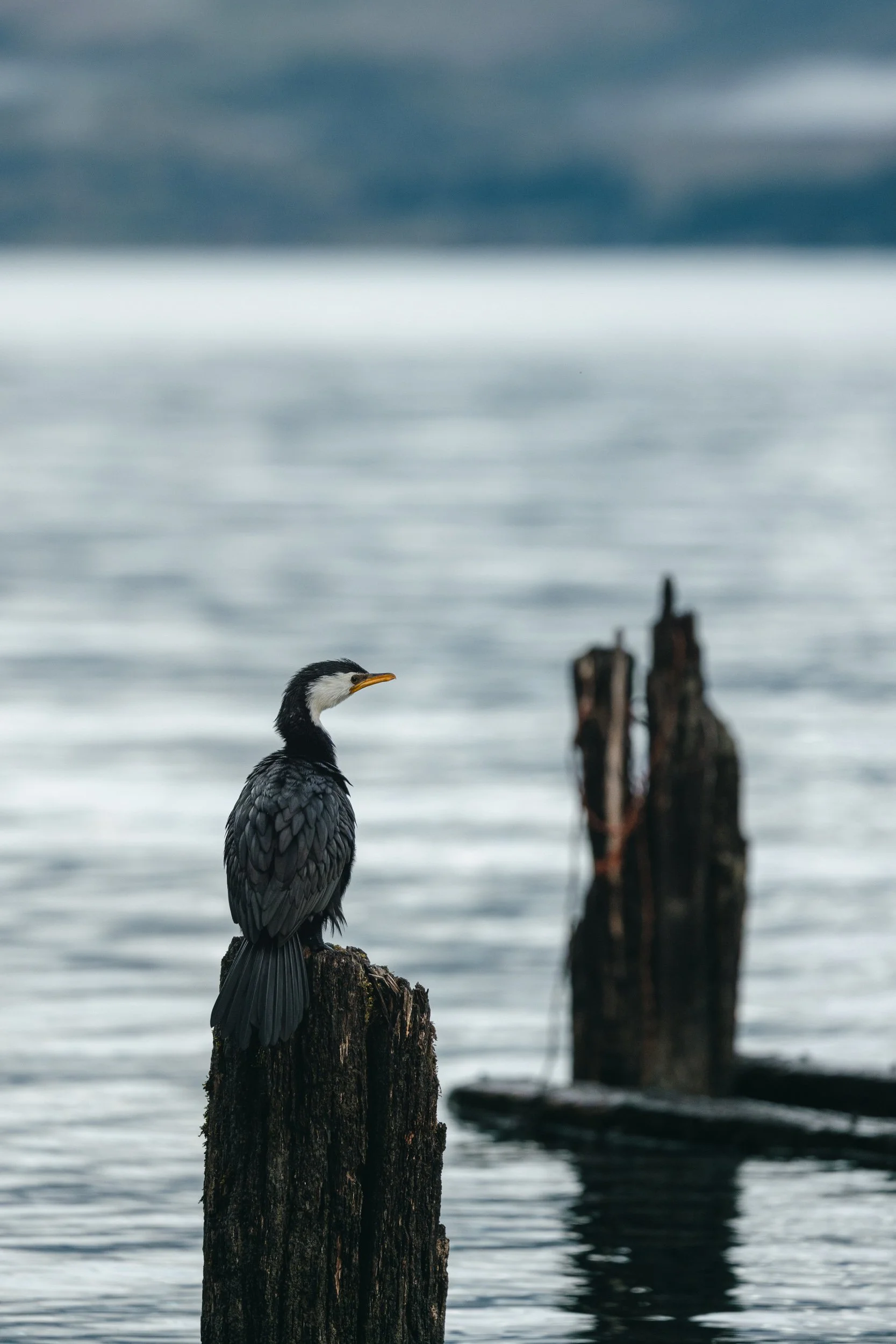
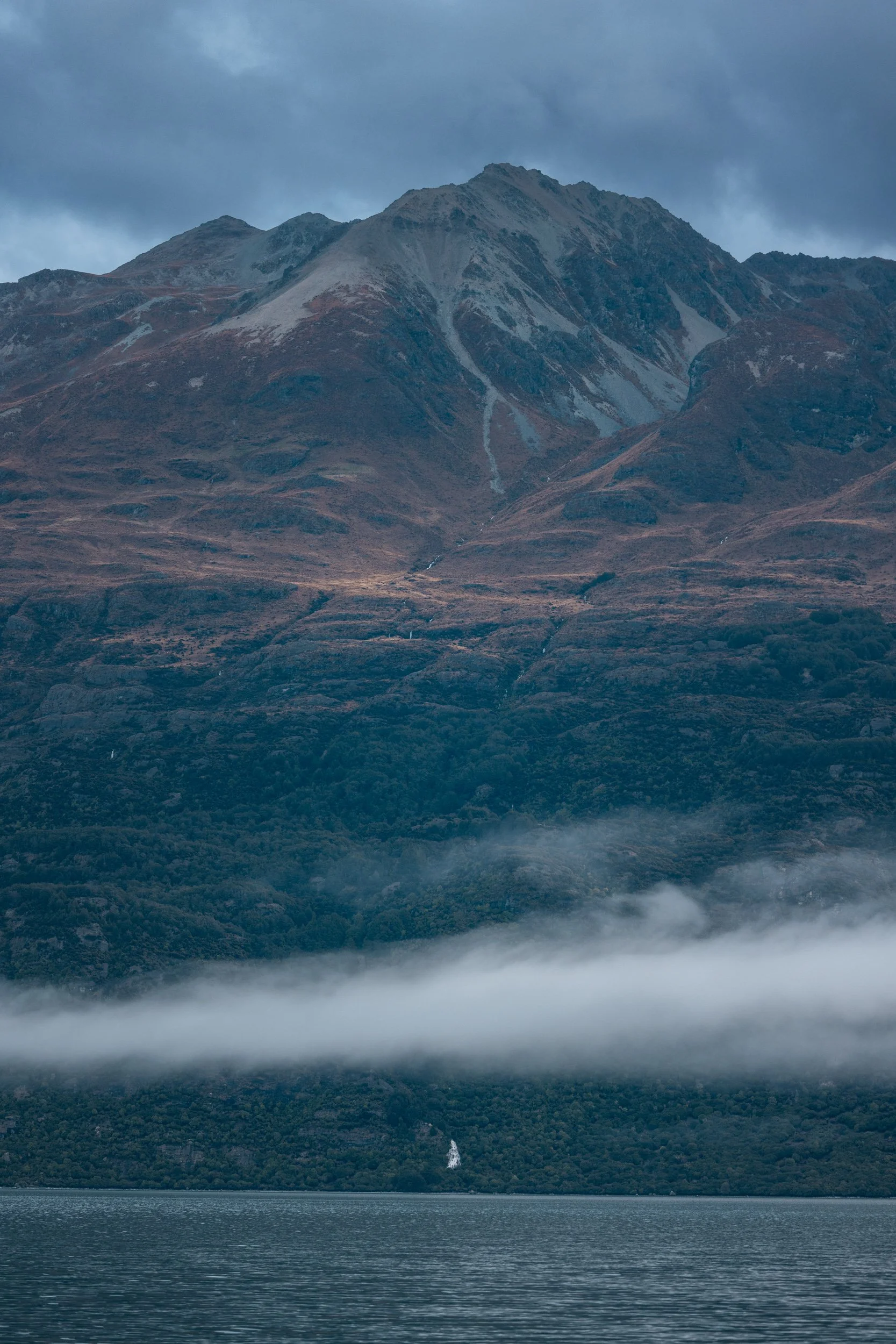
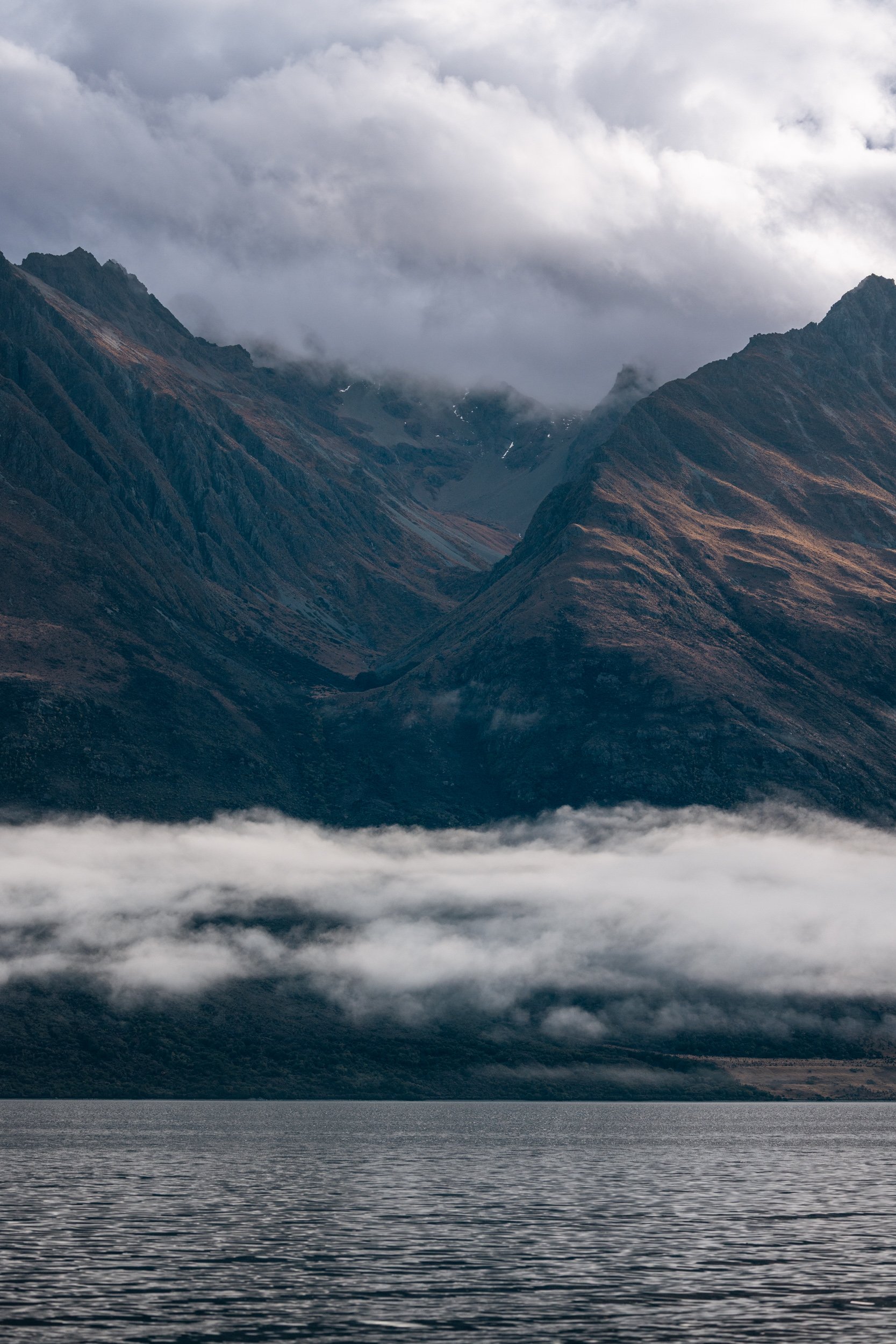
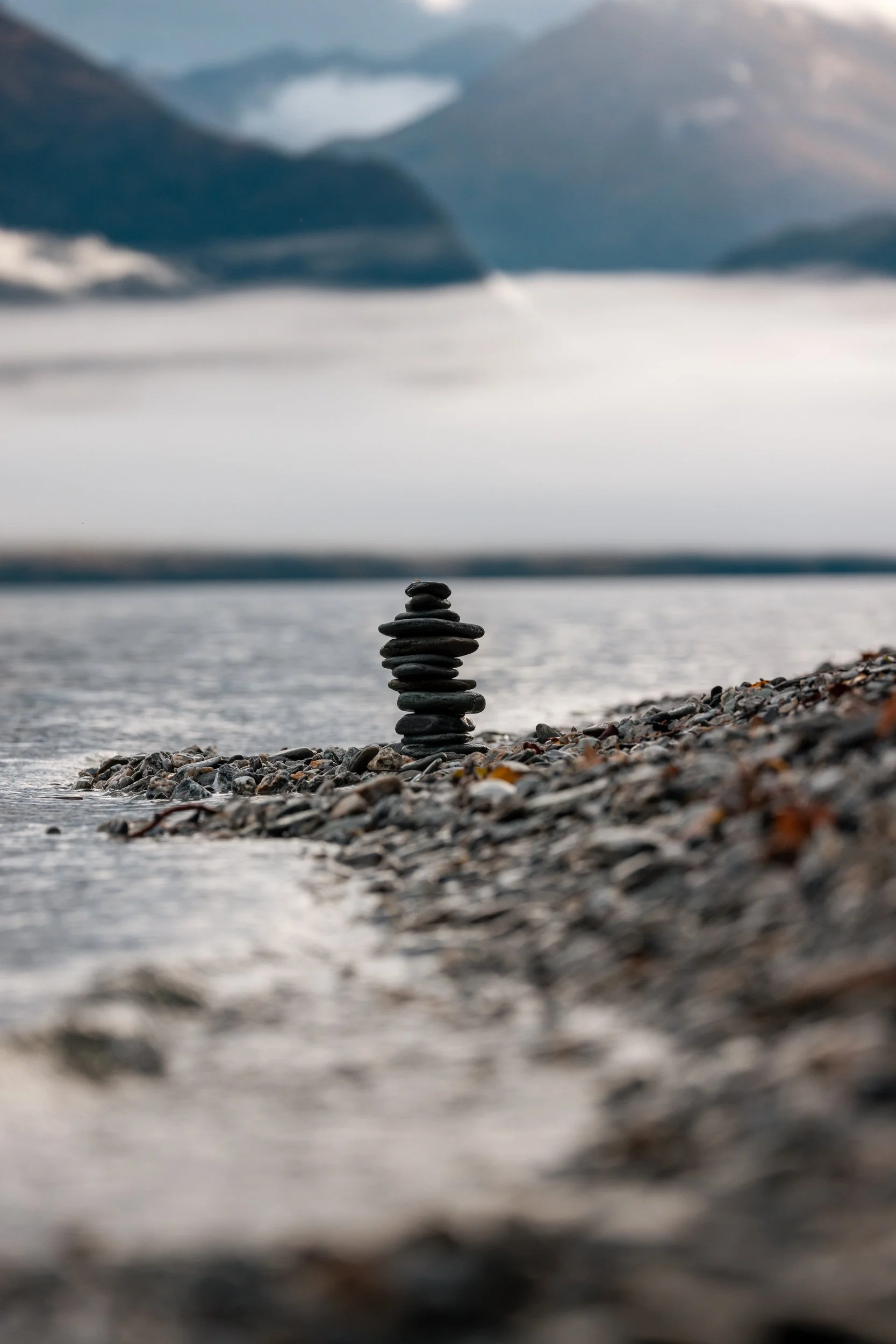
We used part of the drive to scout locations, hoping the rain might pause before sunset. Somehow, it did.
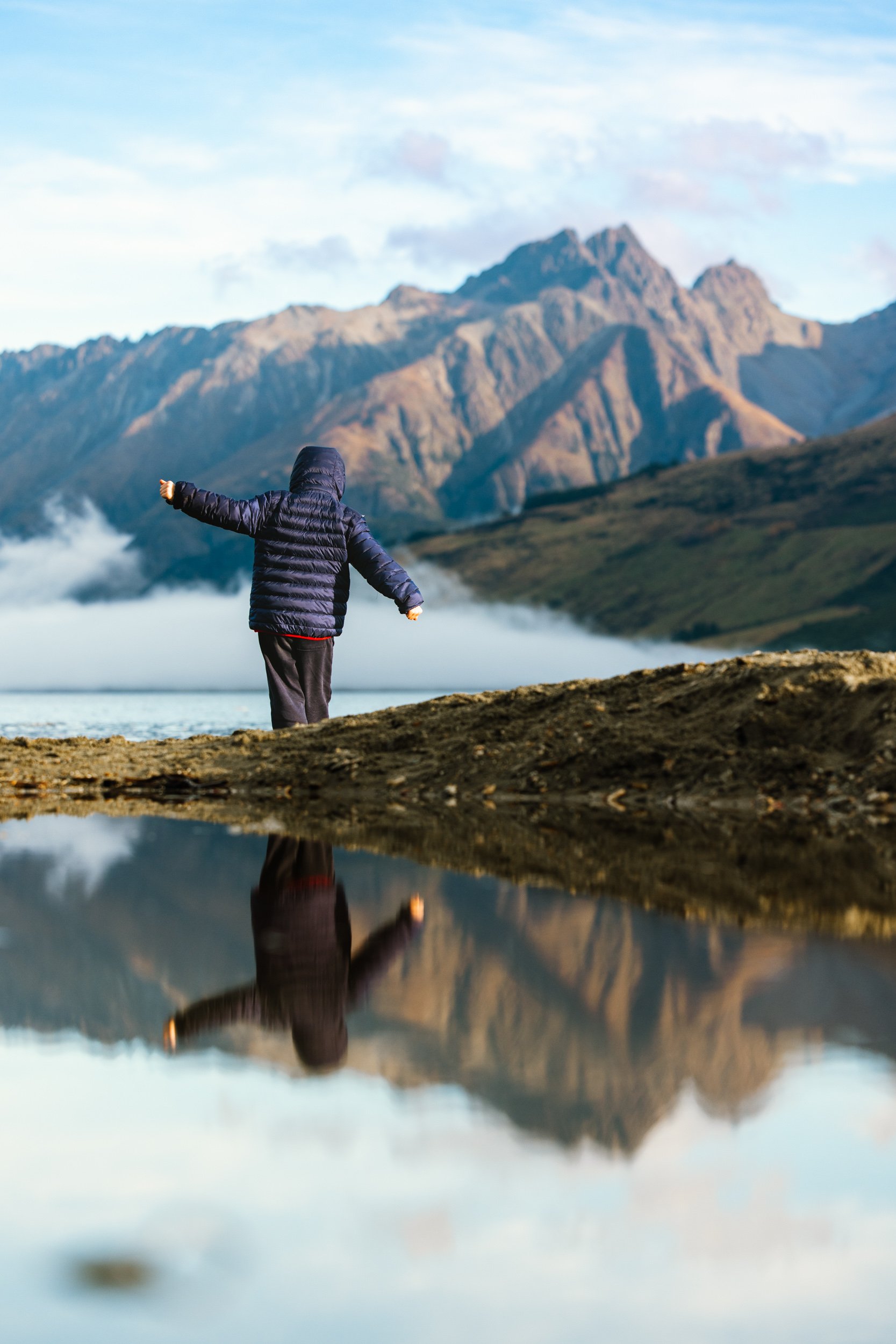

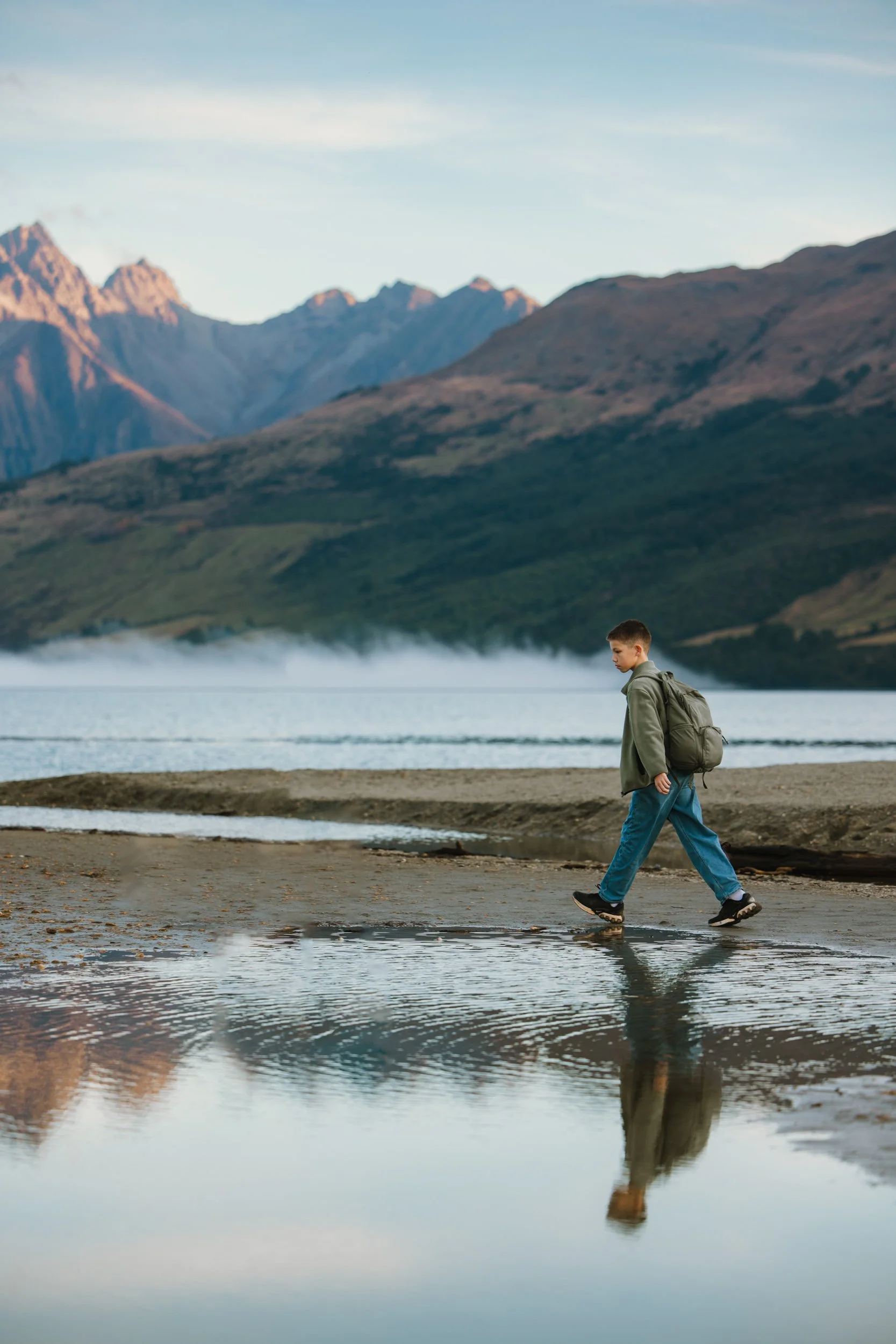
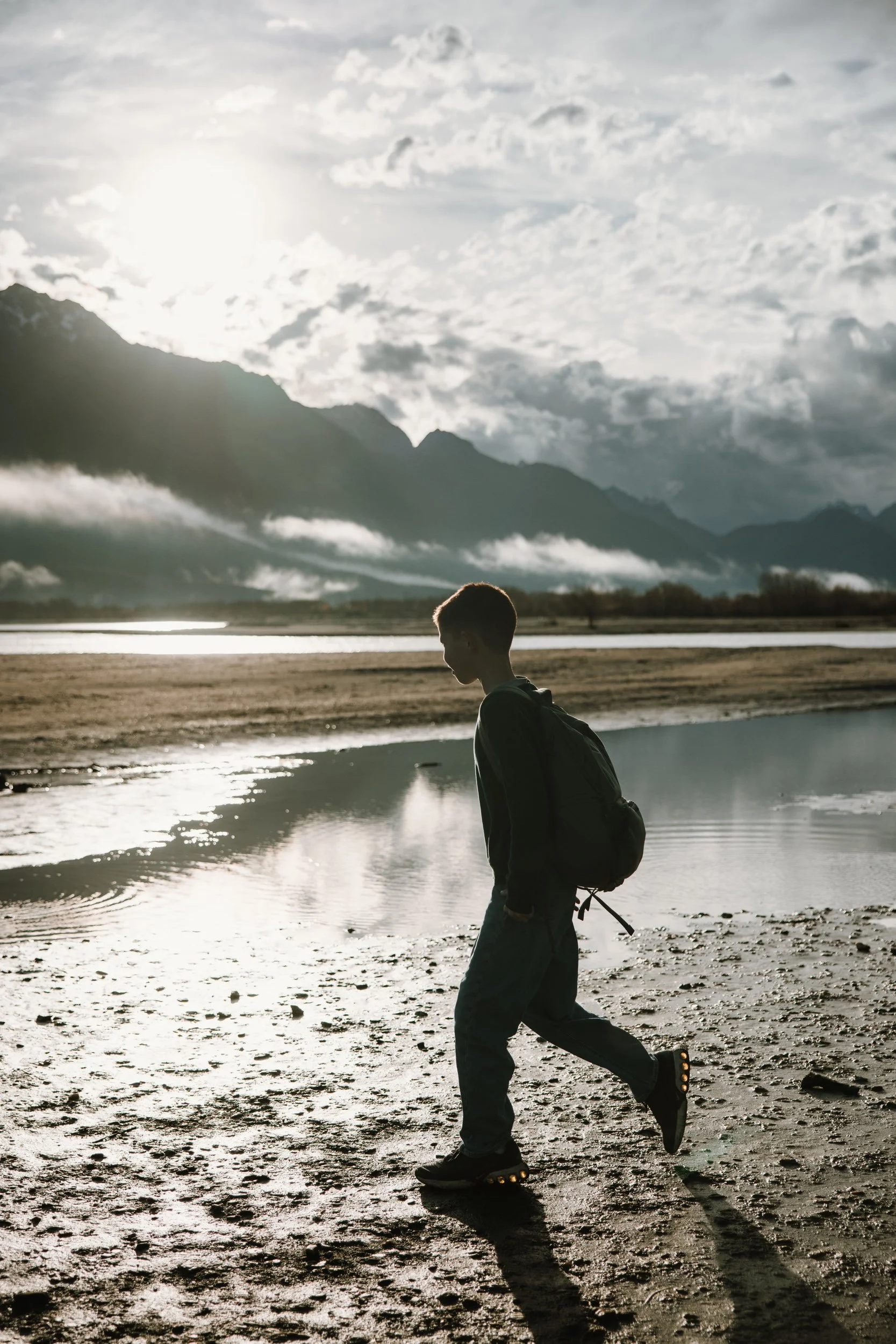
For a brief period, the clouds opened and the light transformed the waterfront and surrounding mountains. After watching rain in the forecast all day, the timing felt almost too perfect.
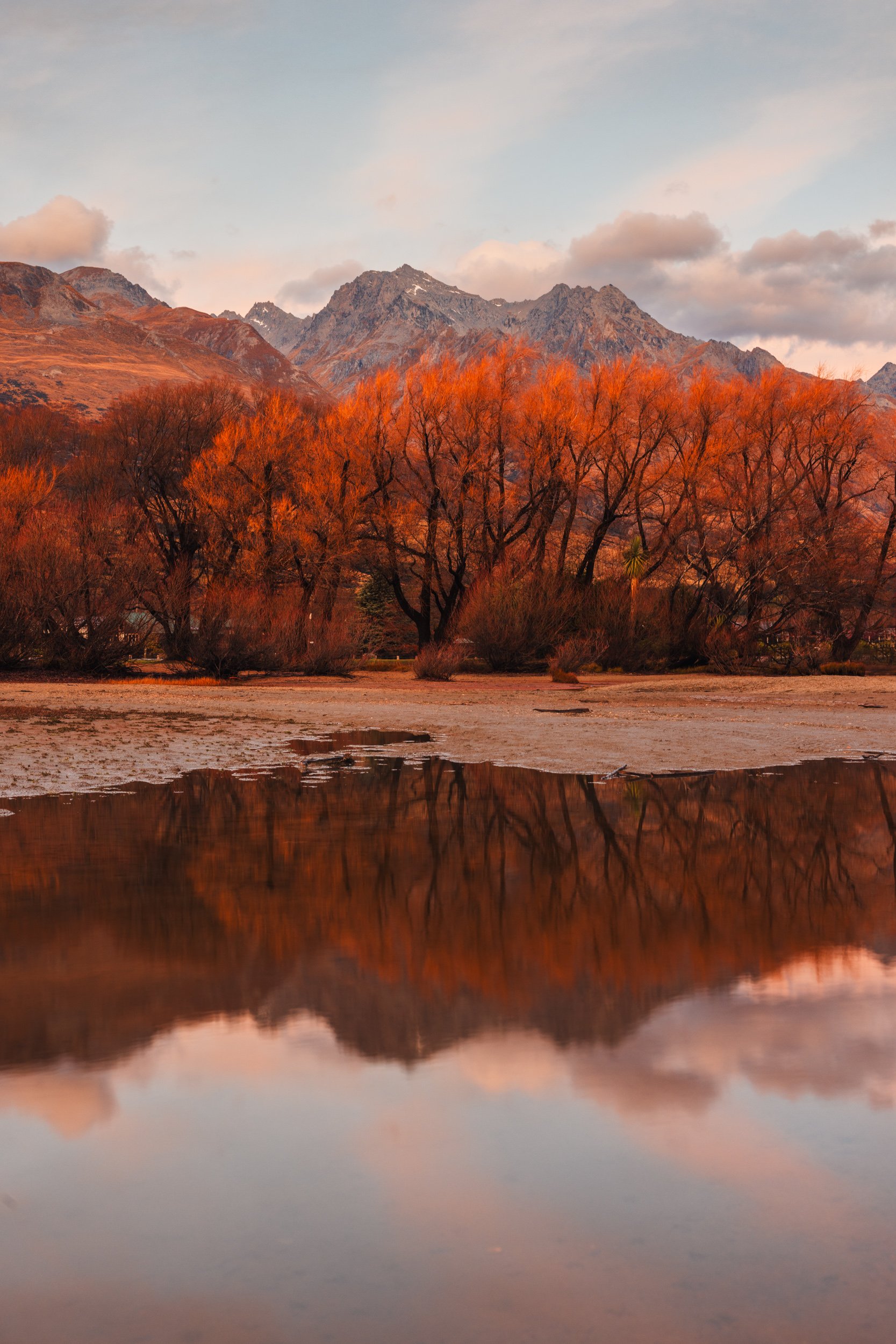
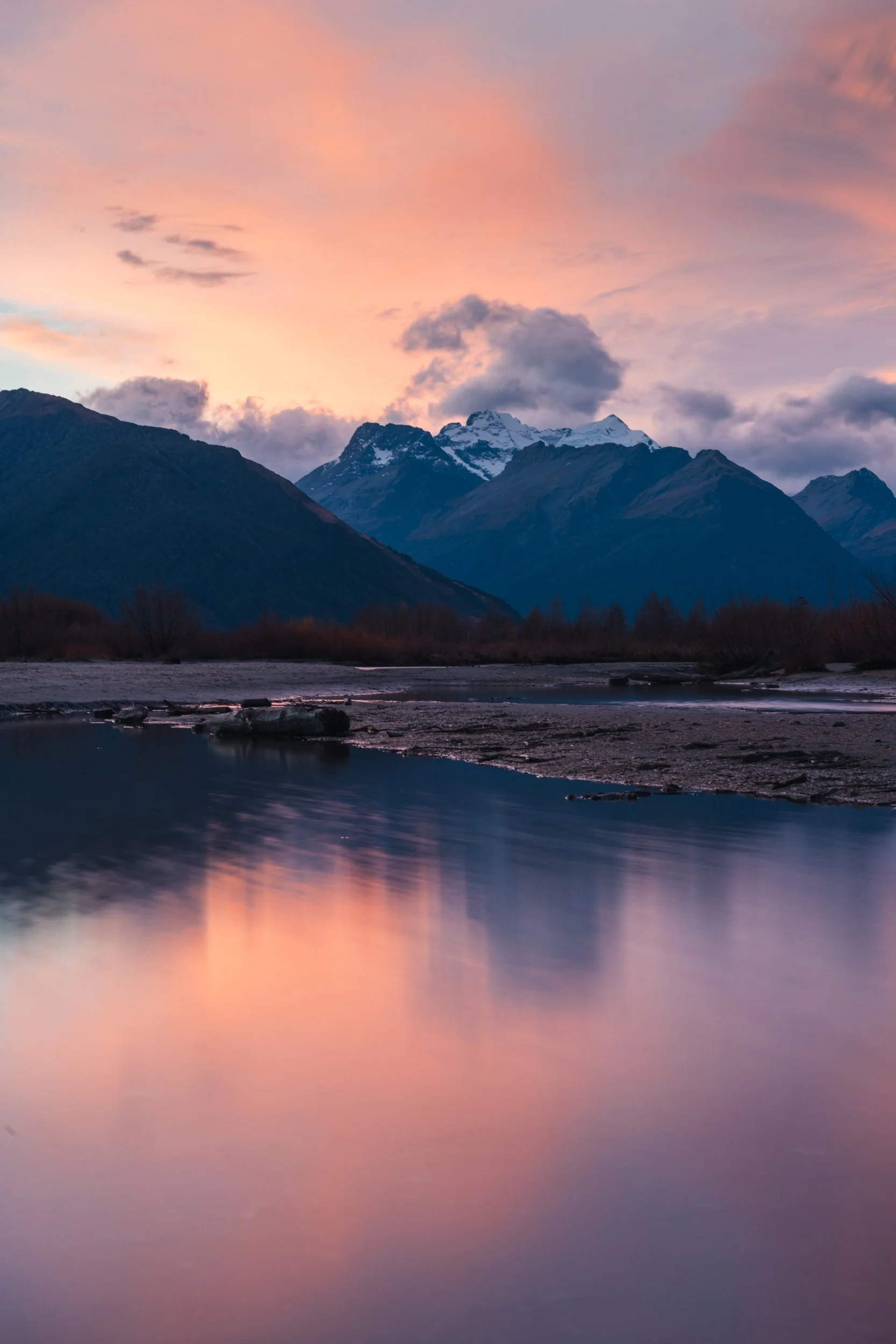
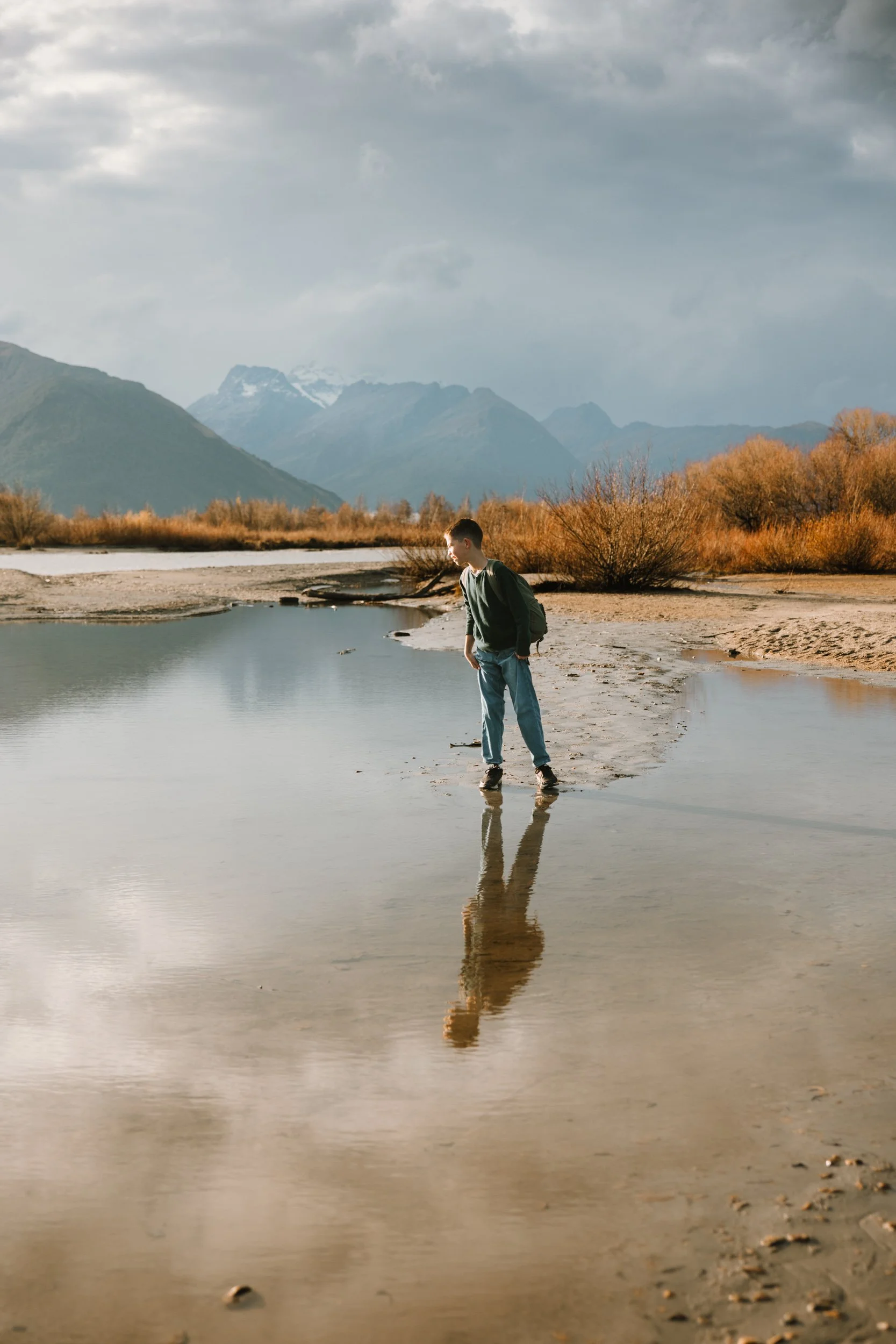
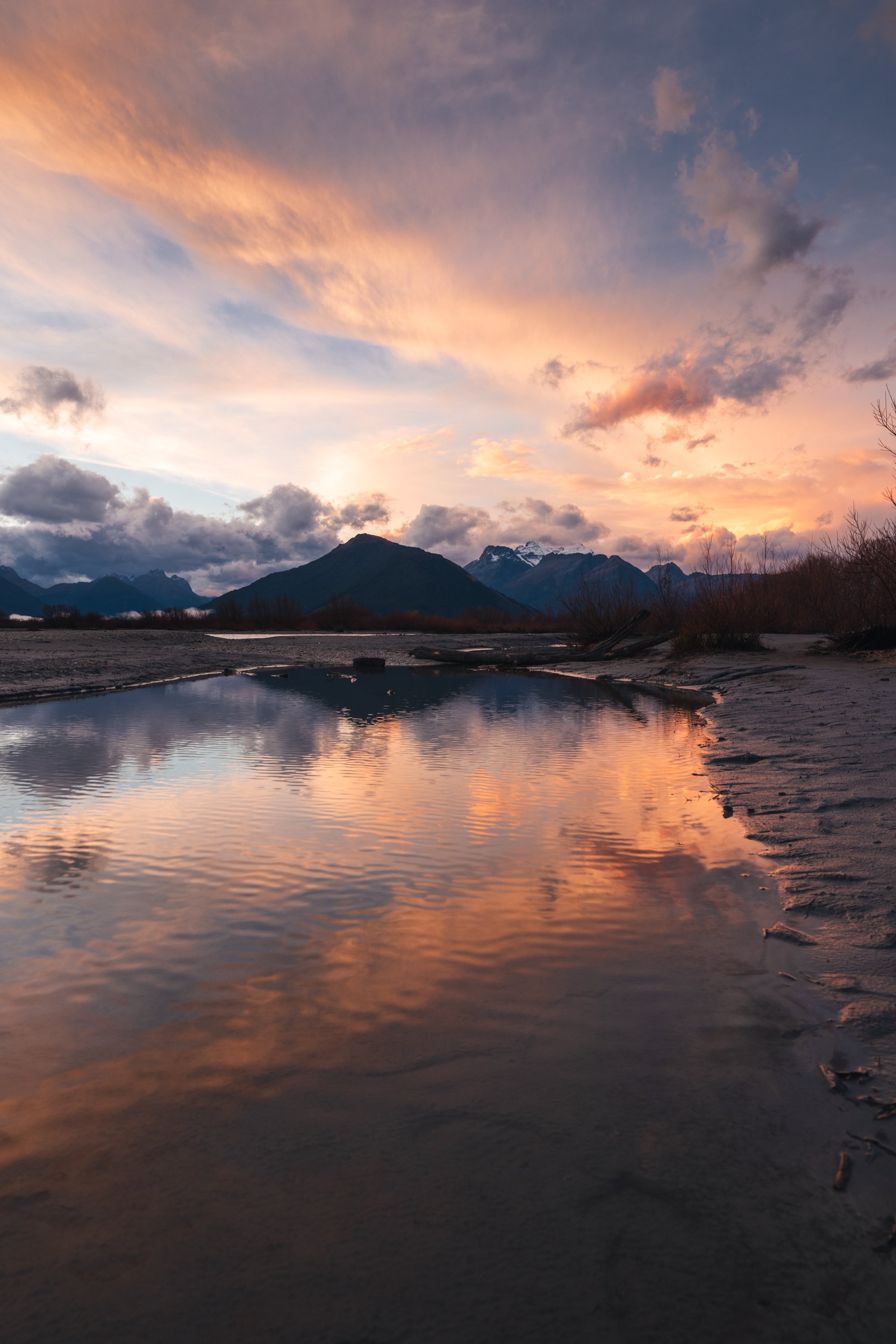
This became a pattern throughout our New Zealand trip: when the rain stopped, we went. There was no guarantee that the same opportunity would return the following day.
Te Anau
From Queenstown, we continued south to Te Anau, our base for exploring Fiordland and Milford Sound.
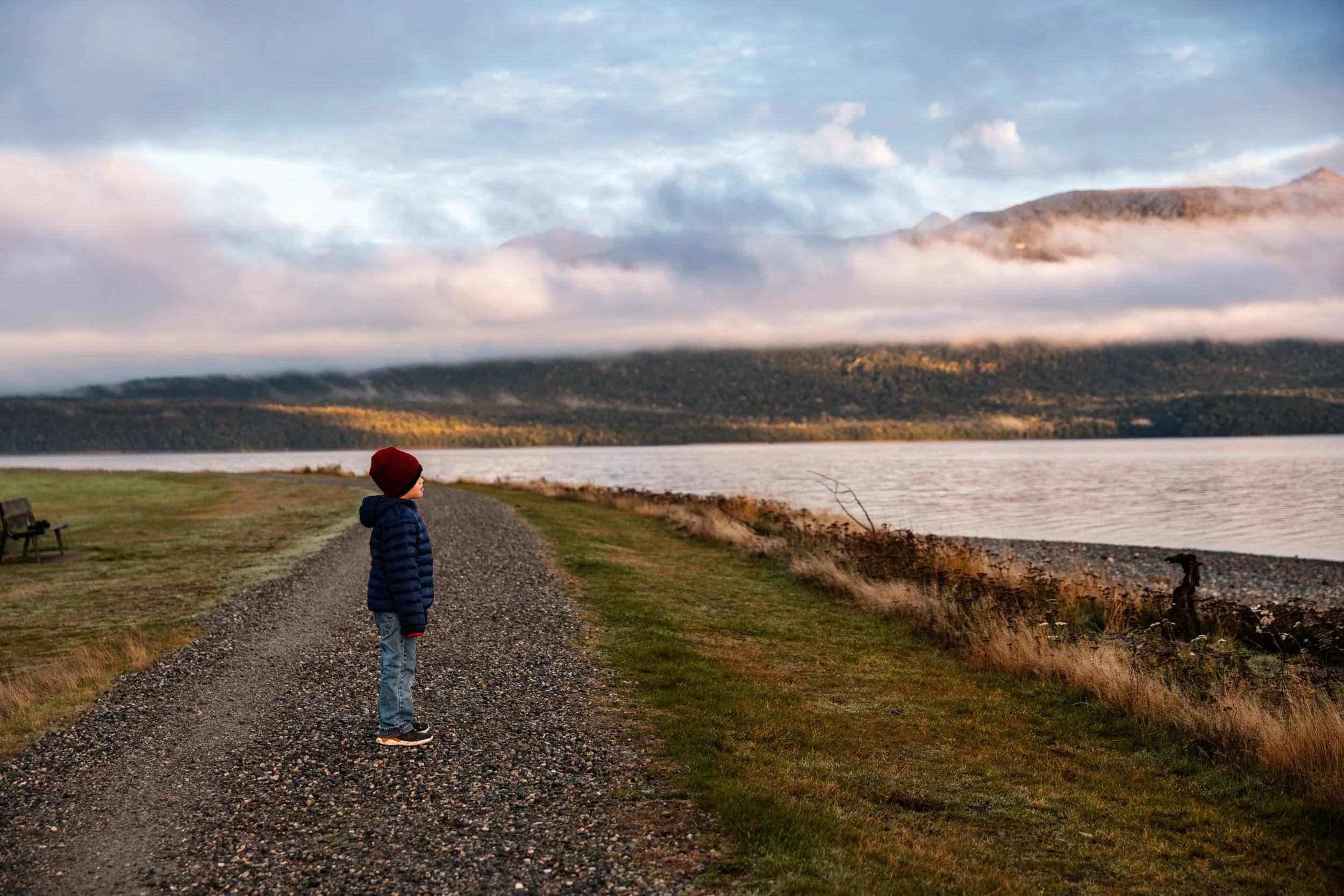
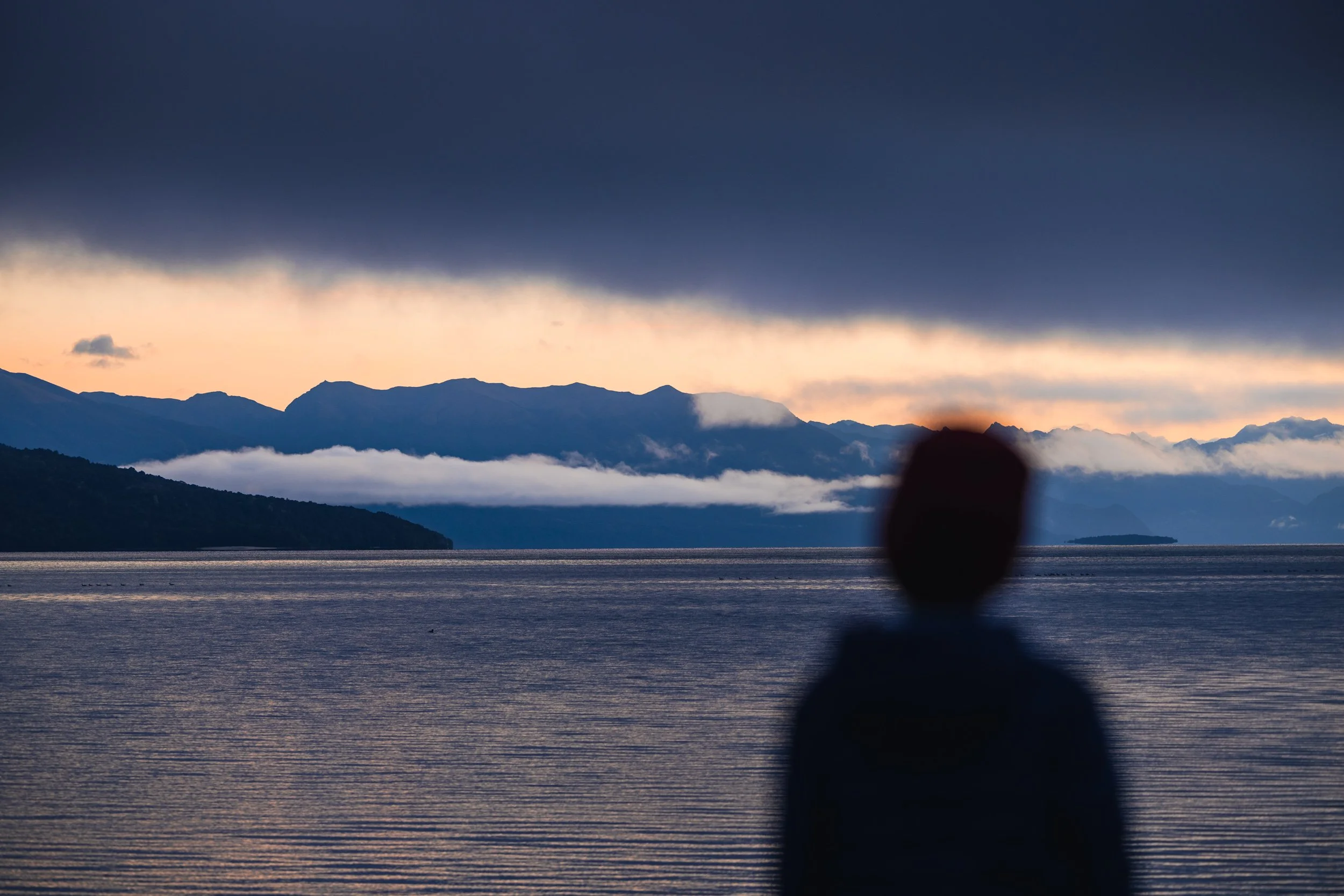
One of my most memorable mornings was also one of the simplest: a quiet walk along the Te Anau waterfront with my younger son.
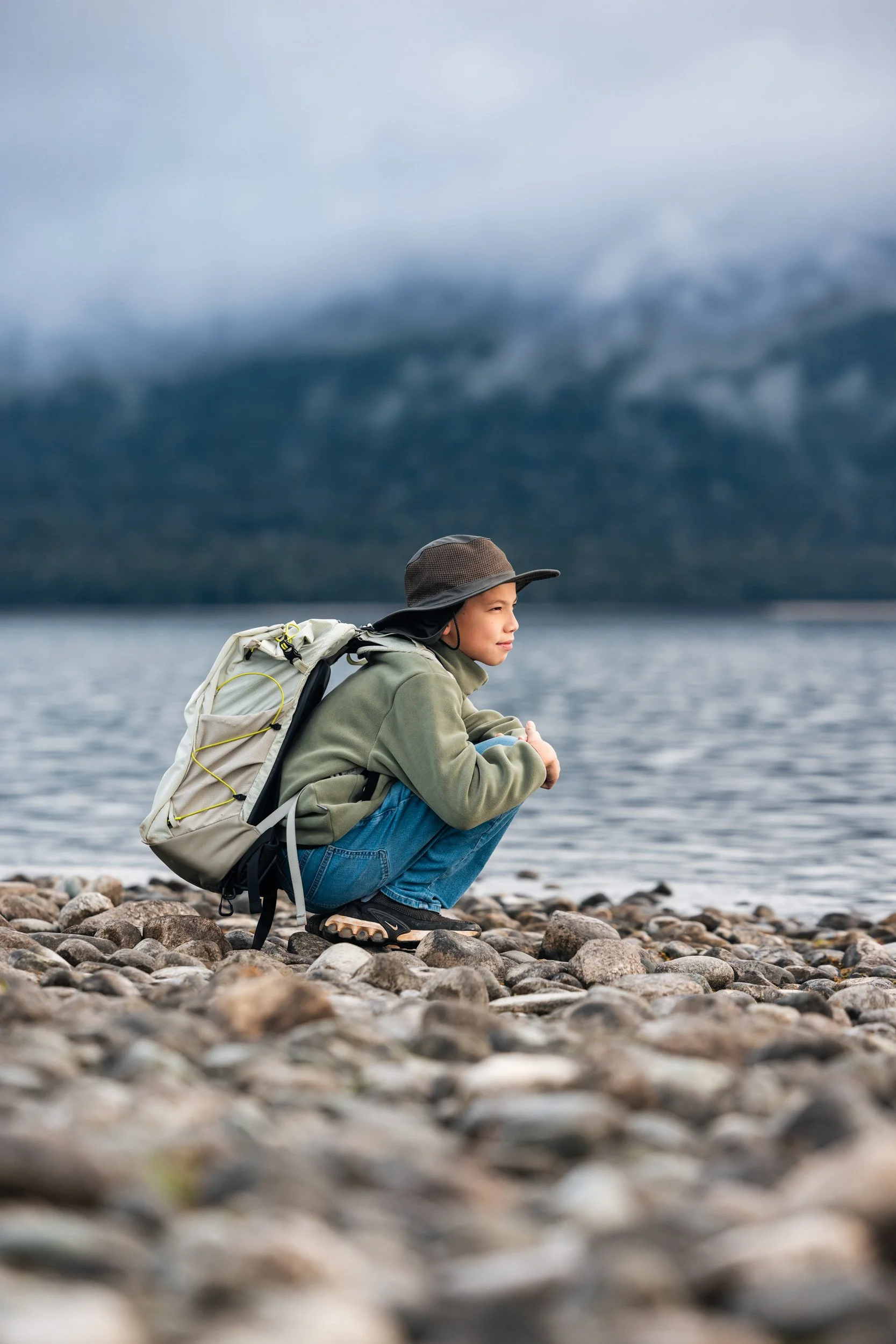
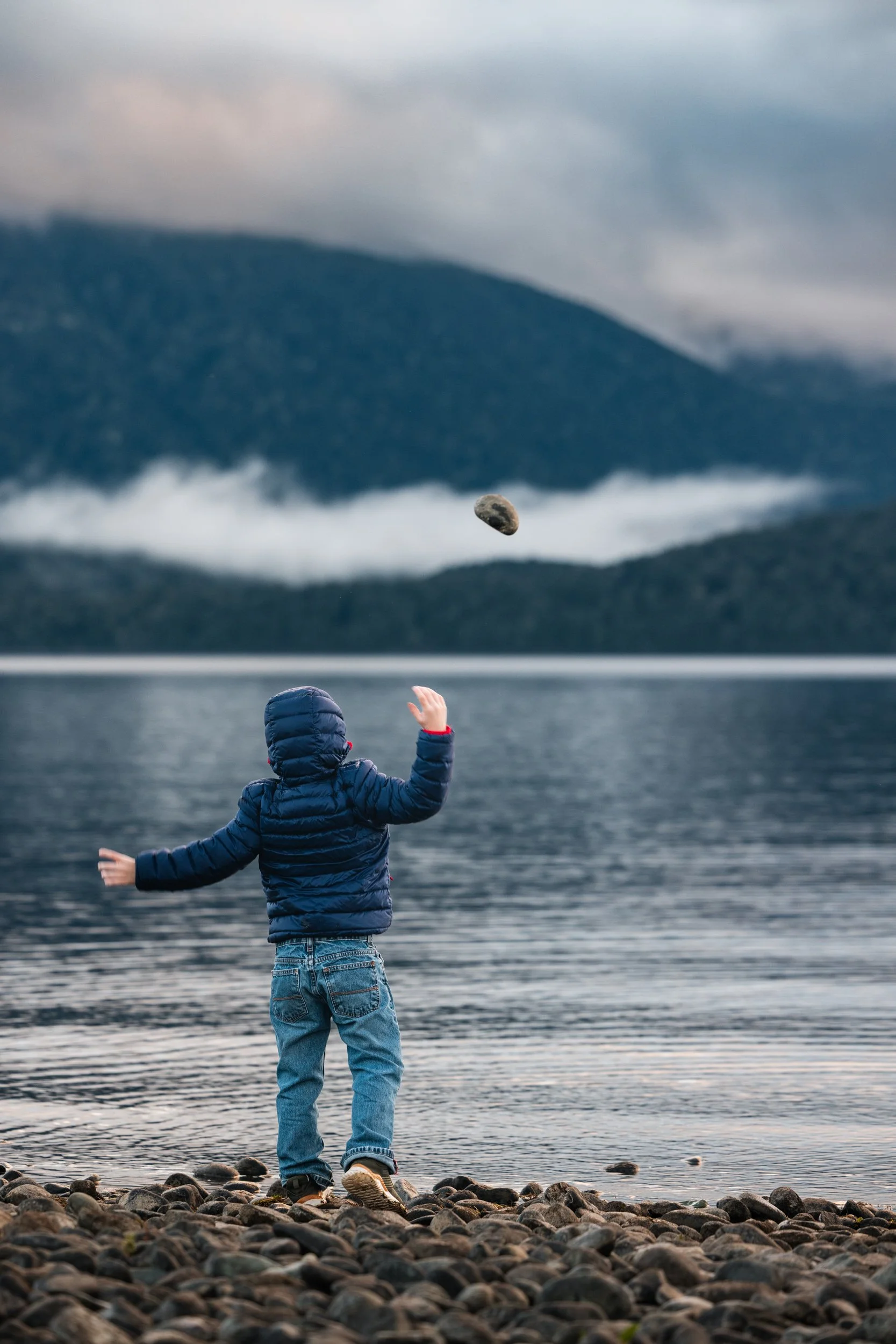
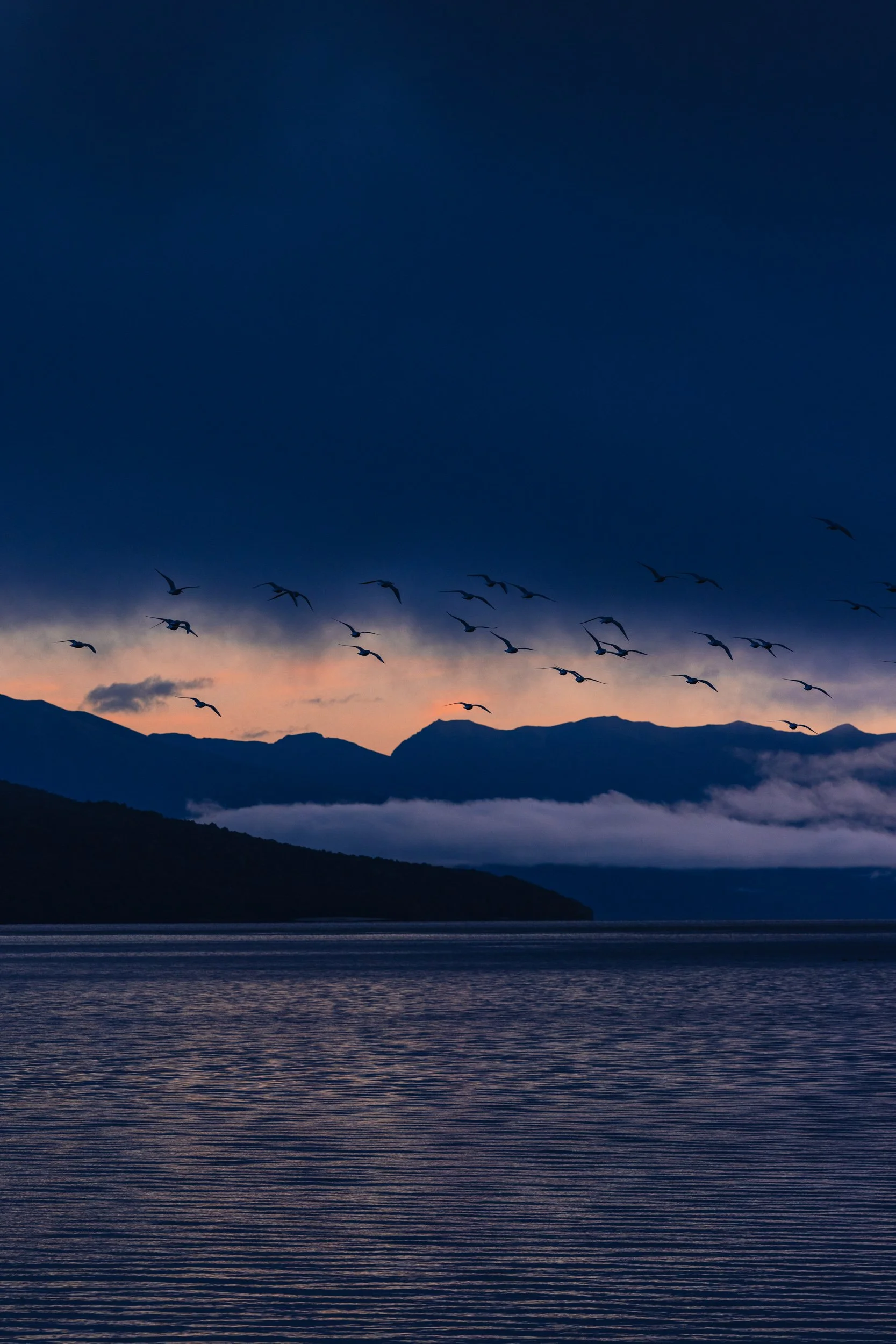
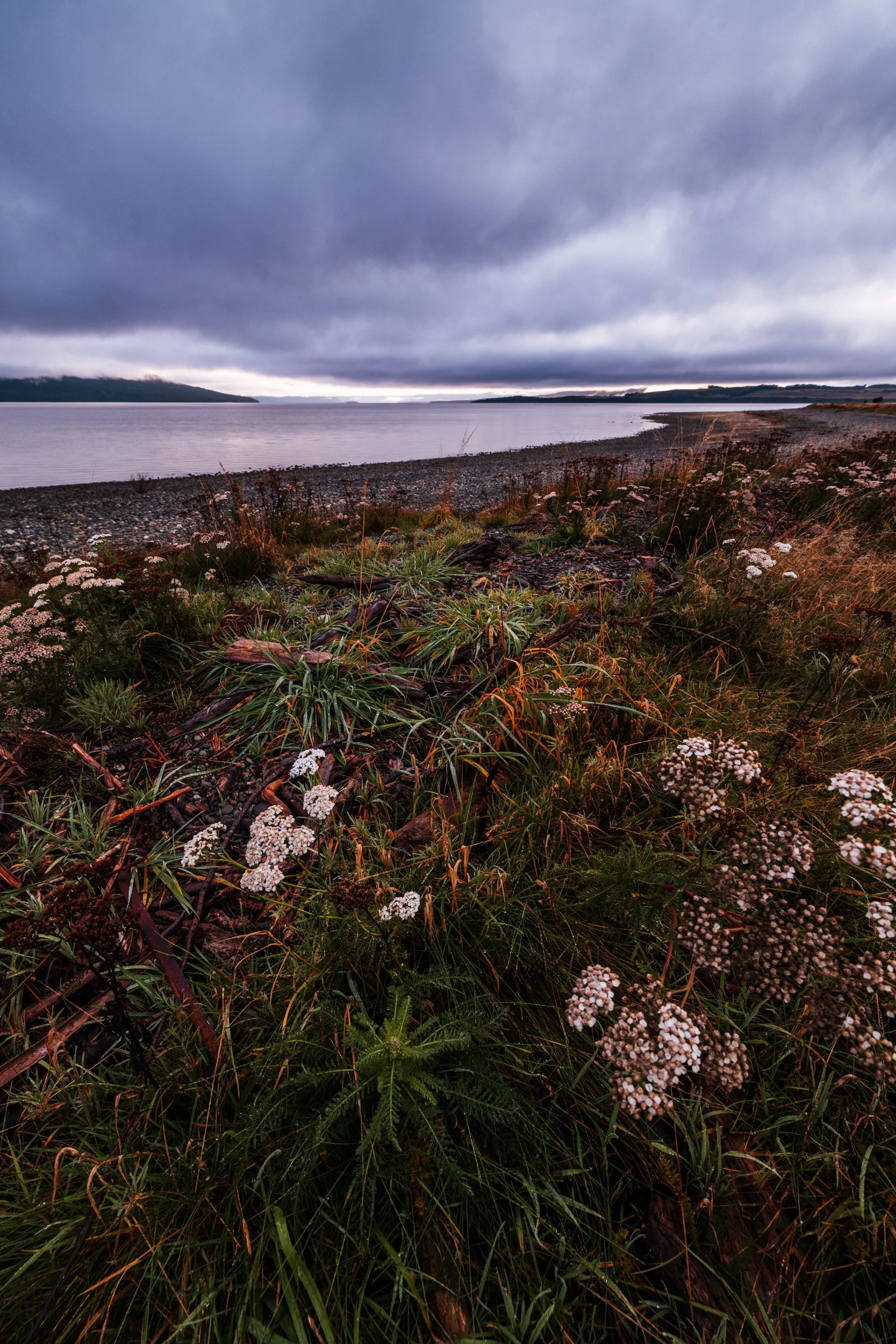
There was no ambitious hike, famous composition or dramatic plan. We walked beside the lake, watched the morning unfold and photographed whatever caught our attention along the way.
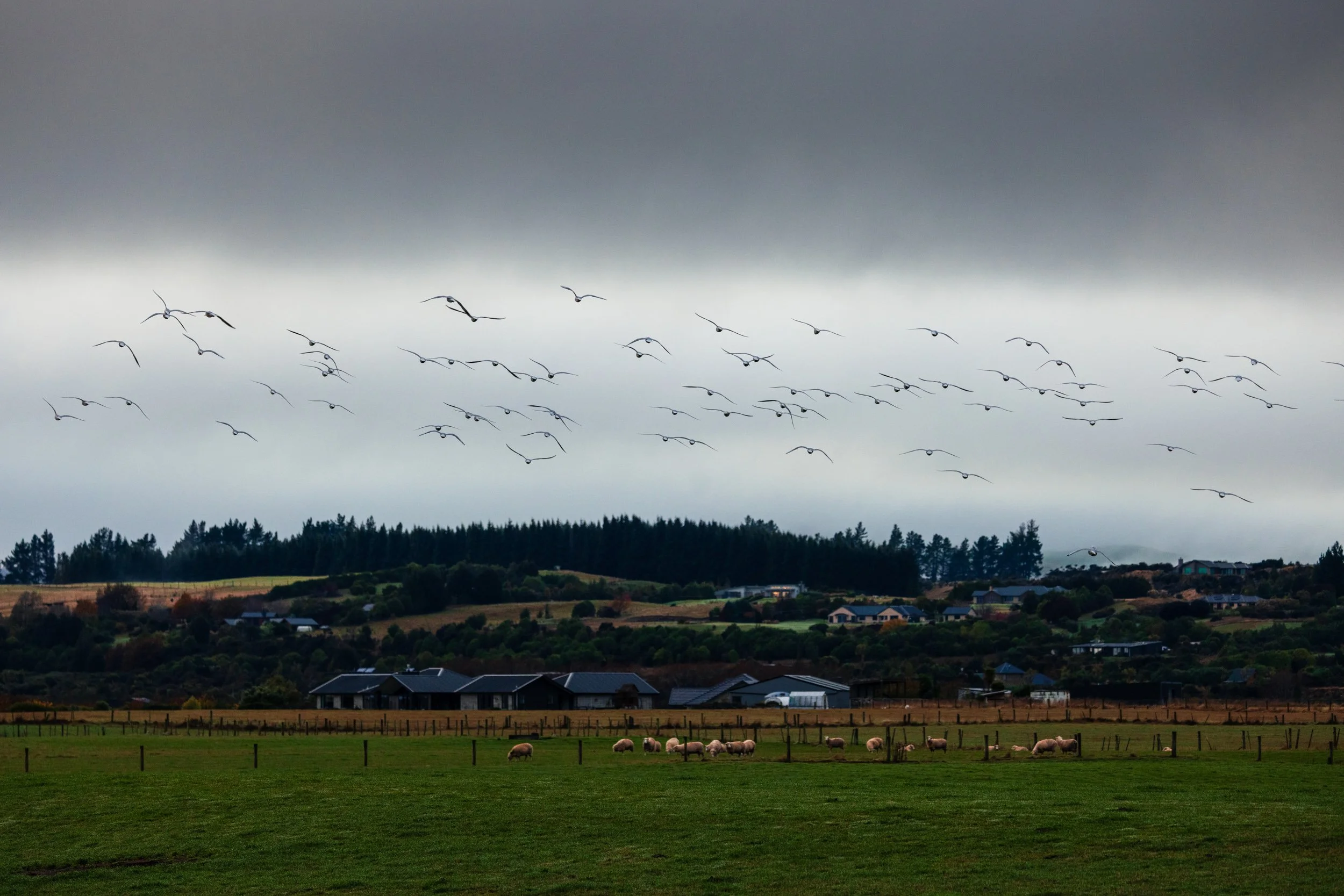
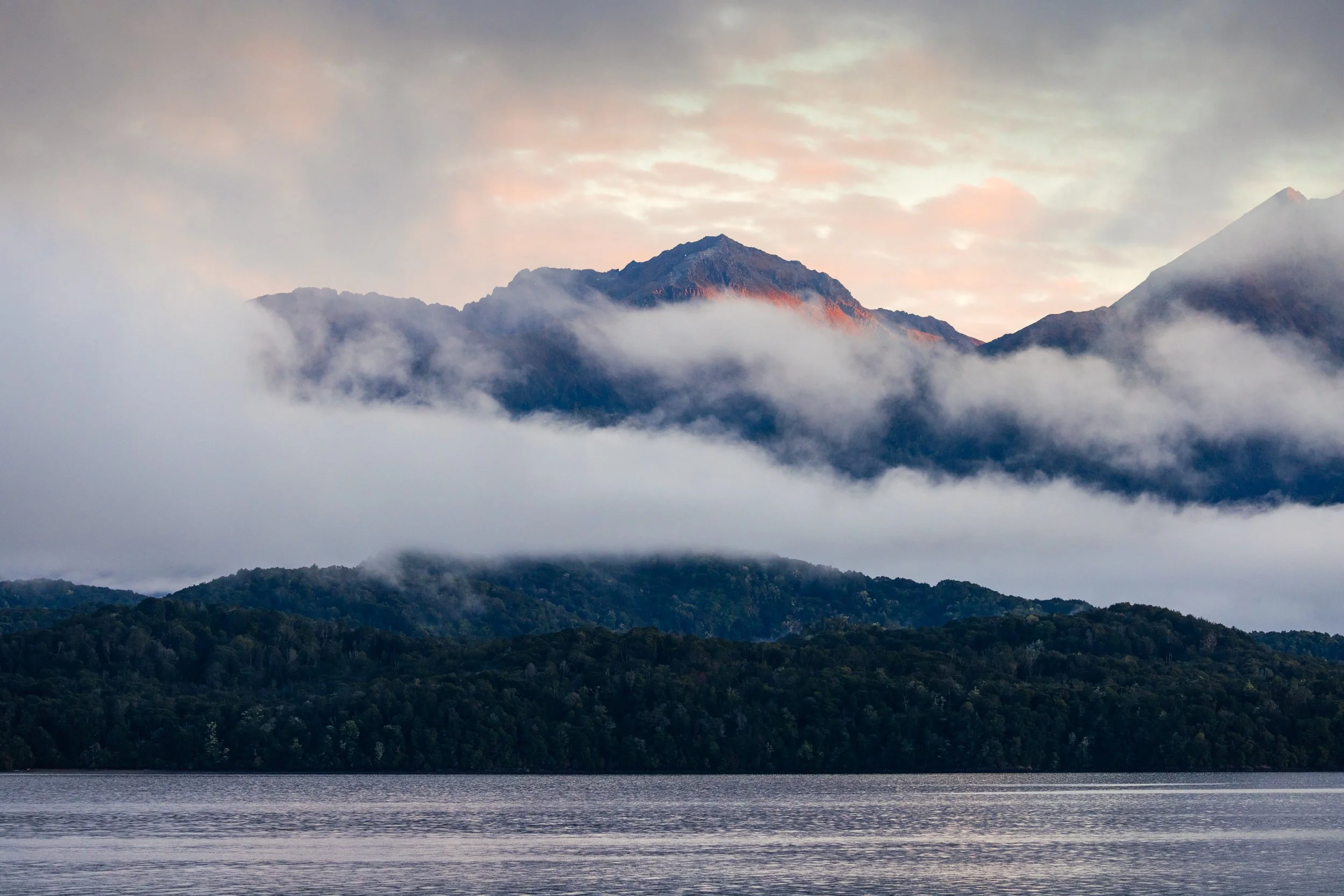
Some of the places we visit may remain unchanged for years. The children traveling beside us will not.
That is why the everyday moments often become the photographs I value most.
Milford Road
Milford Sound is roughly a two-hour drive from Te Anau without stops—but driving directly there would mean missing much of the experience.
We stopped frequently along Milford Road for valleys, streams, waterfalls, forests and mountain views. Our original plan included Eglinton Valley, Monkey Creek, Hundred Falls and several shorter walks before reaching Milford Sound.
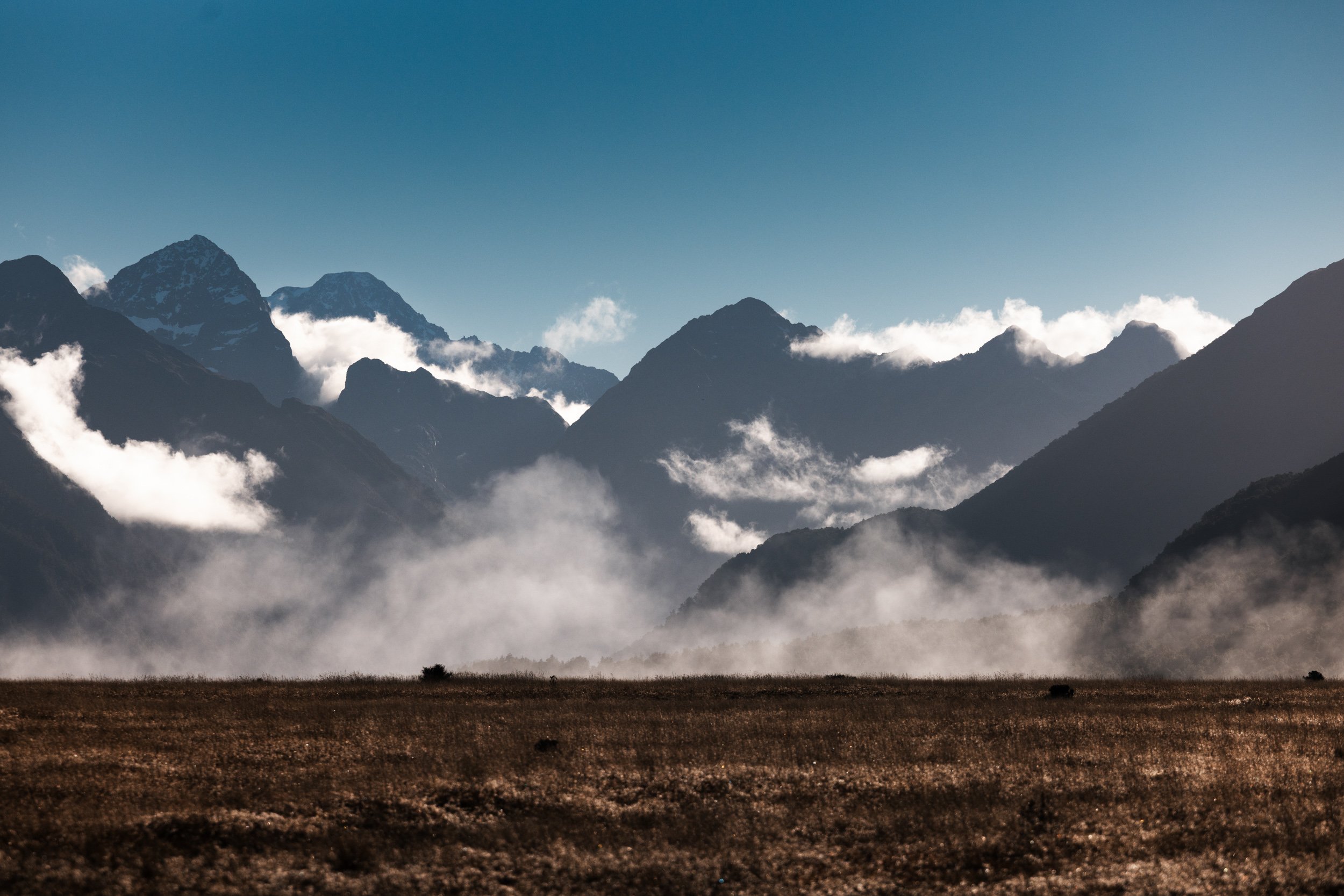
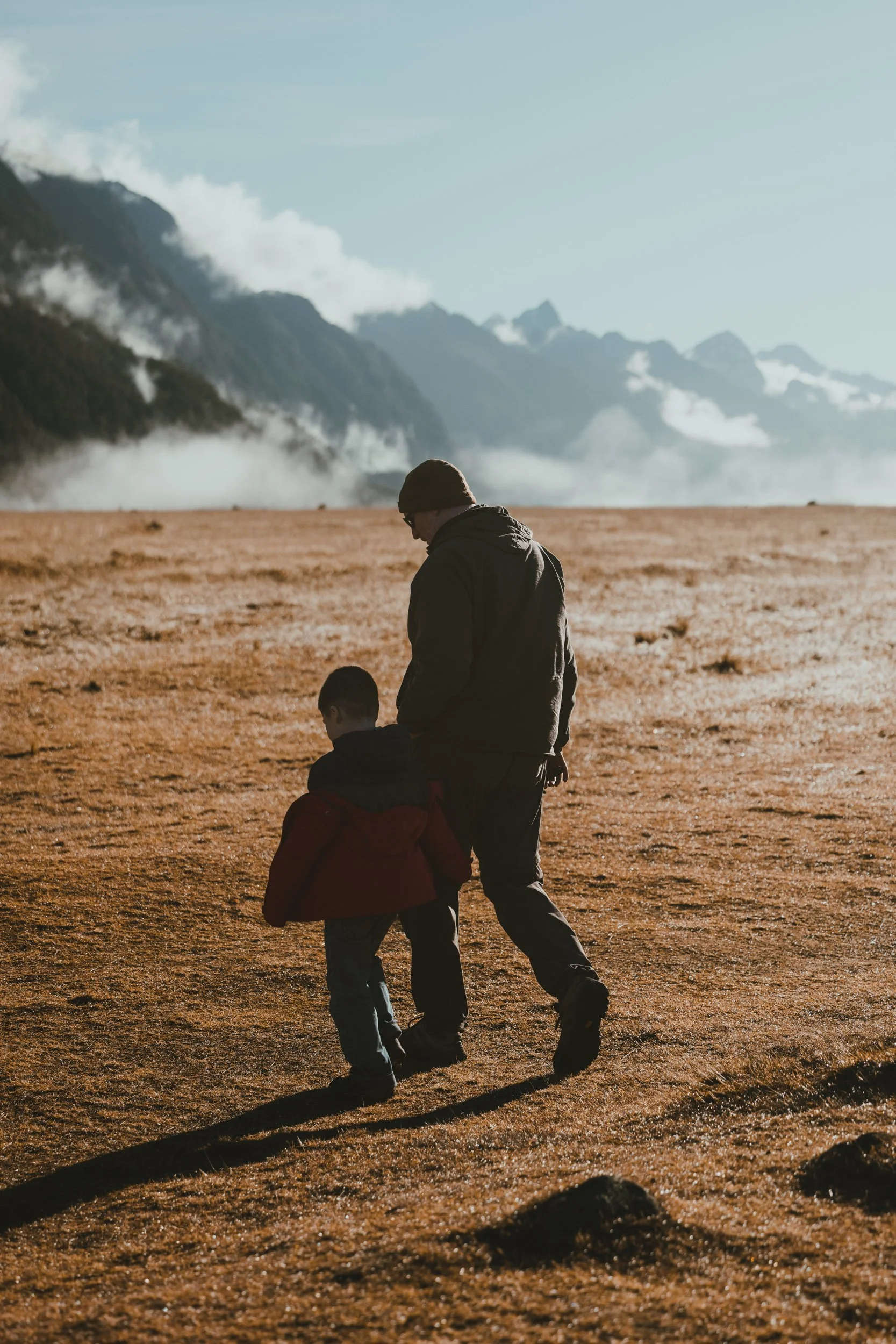
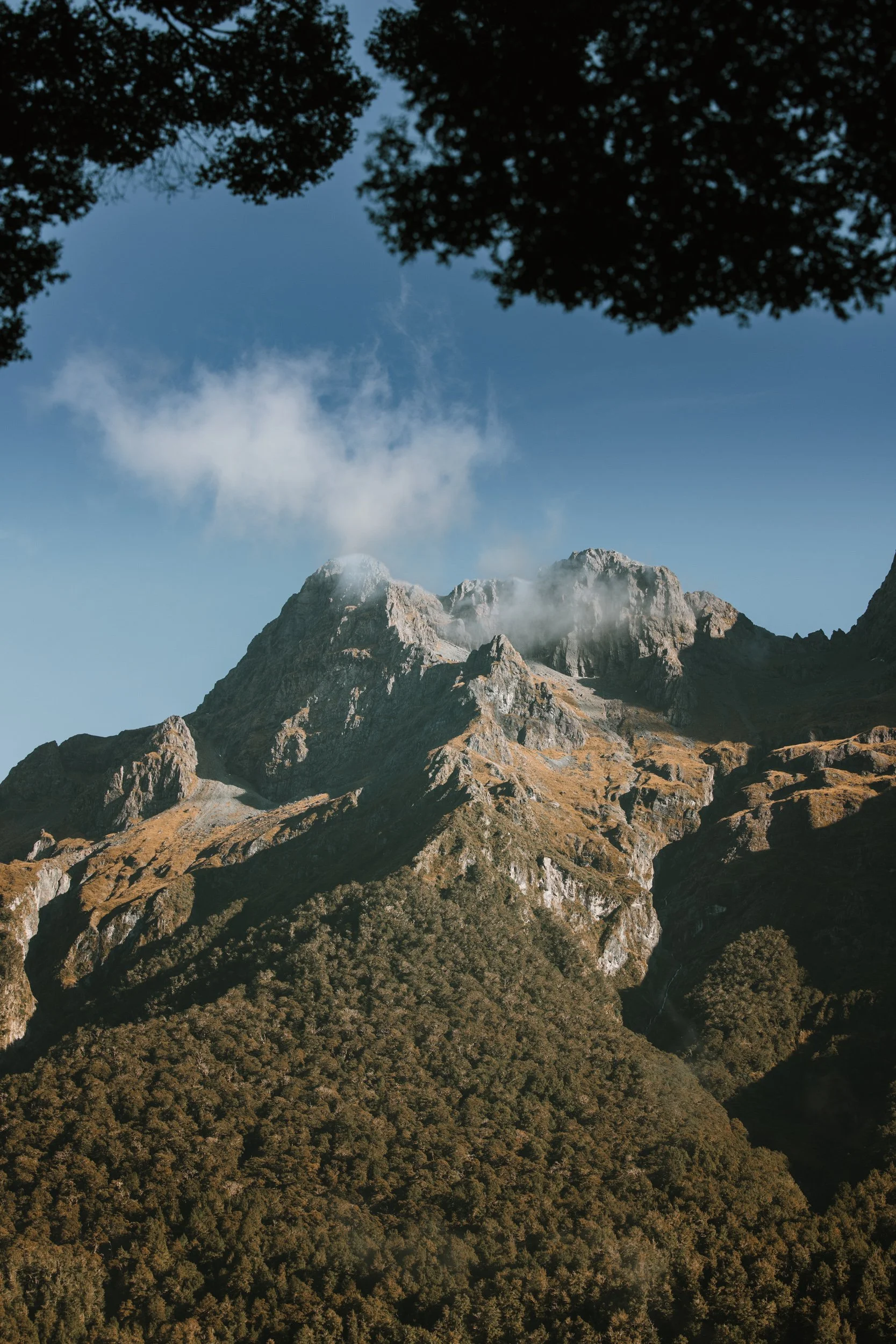
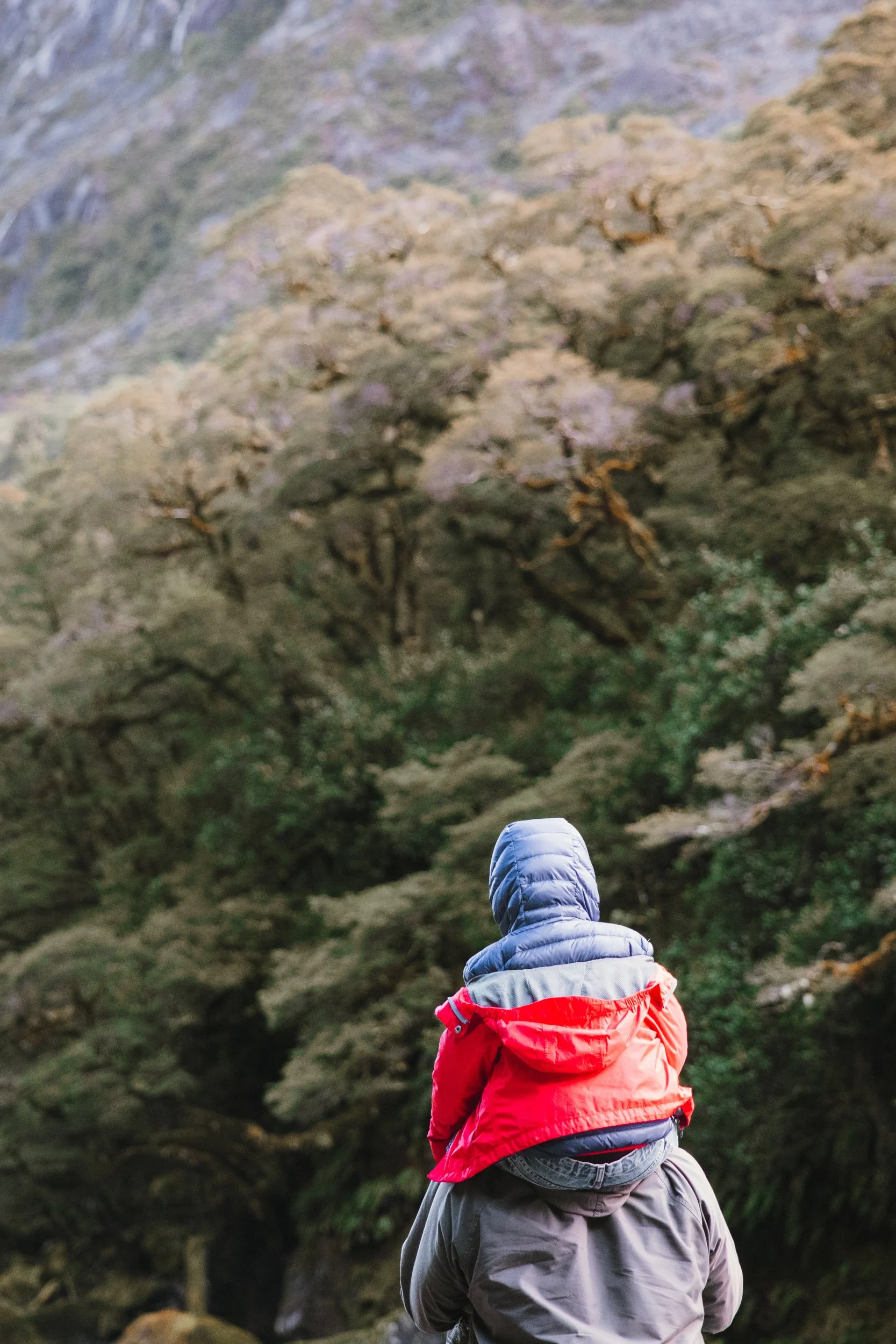
The rain created waterfalls everywhere. Low clouds drifted between the mountains, sometimes hiding the view and sometimes revealing just enough to make us stop again.
This was one of those roads where the journey deserved as much time as the destination.
Milford Sound
Rain may not be everyone’s idea of perfect travel weather, but Milford Sound seemed made for it.
Mist wrapped around the cliffs, and temporary waterfalls appeared along the mountains. The scenery changed constantly as our cruise moved through the fiord.
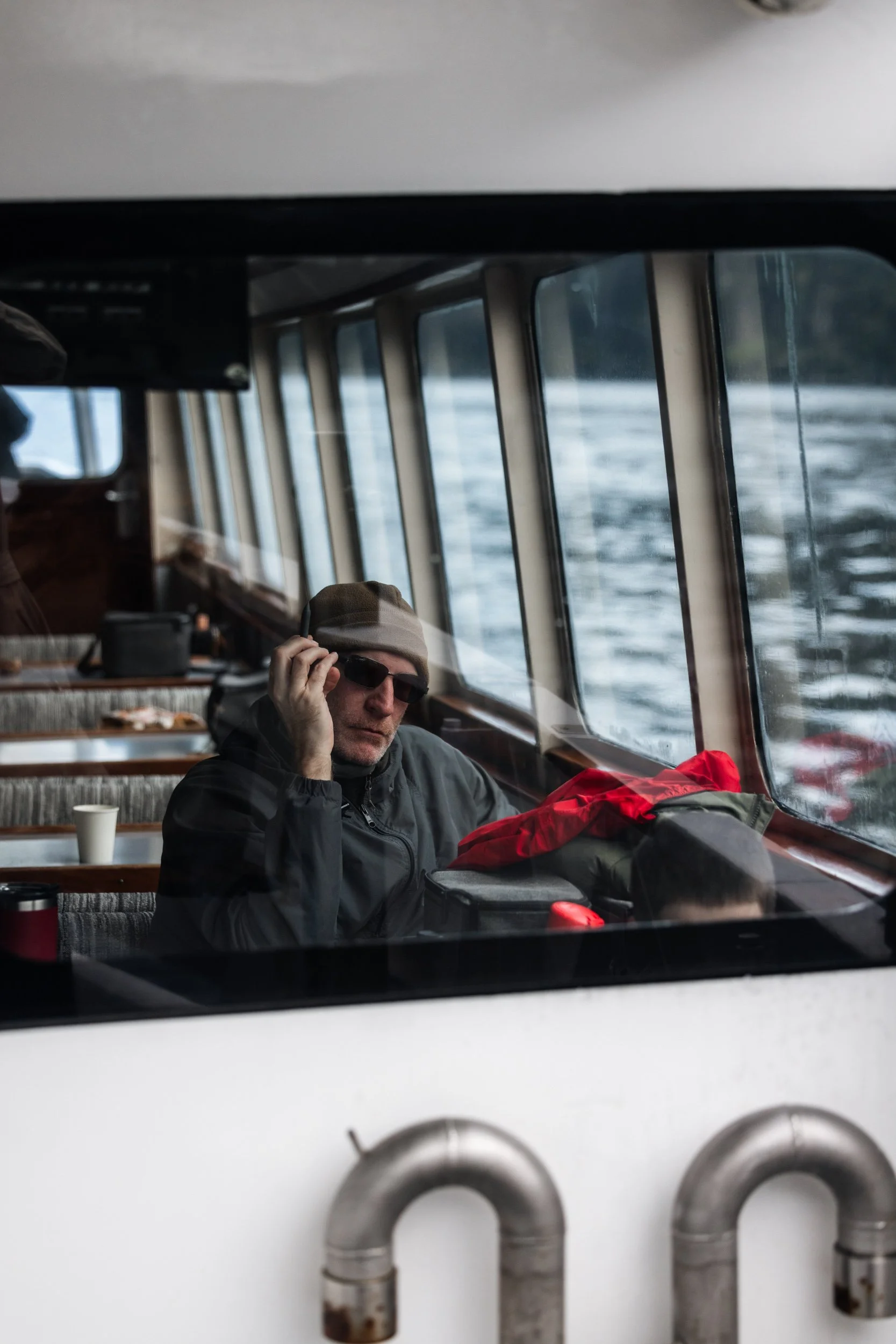
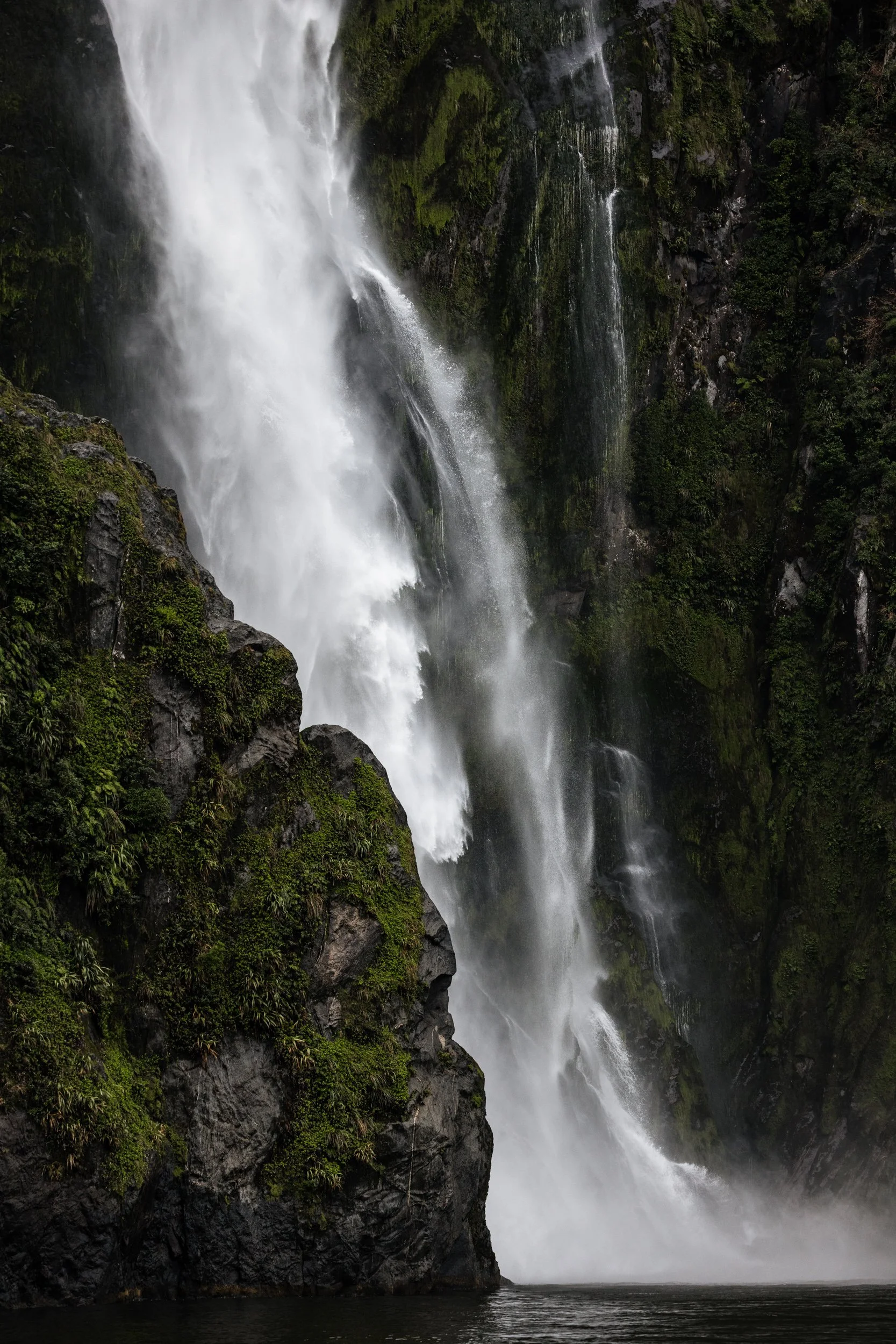
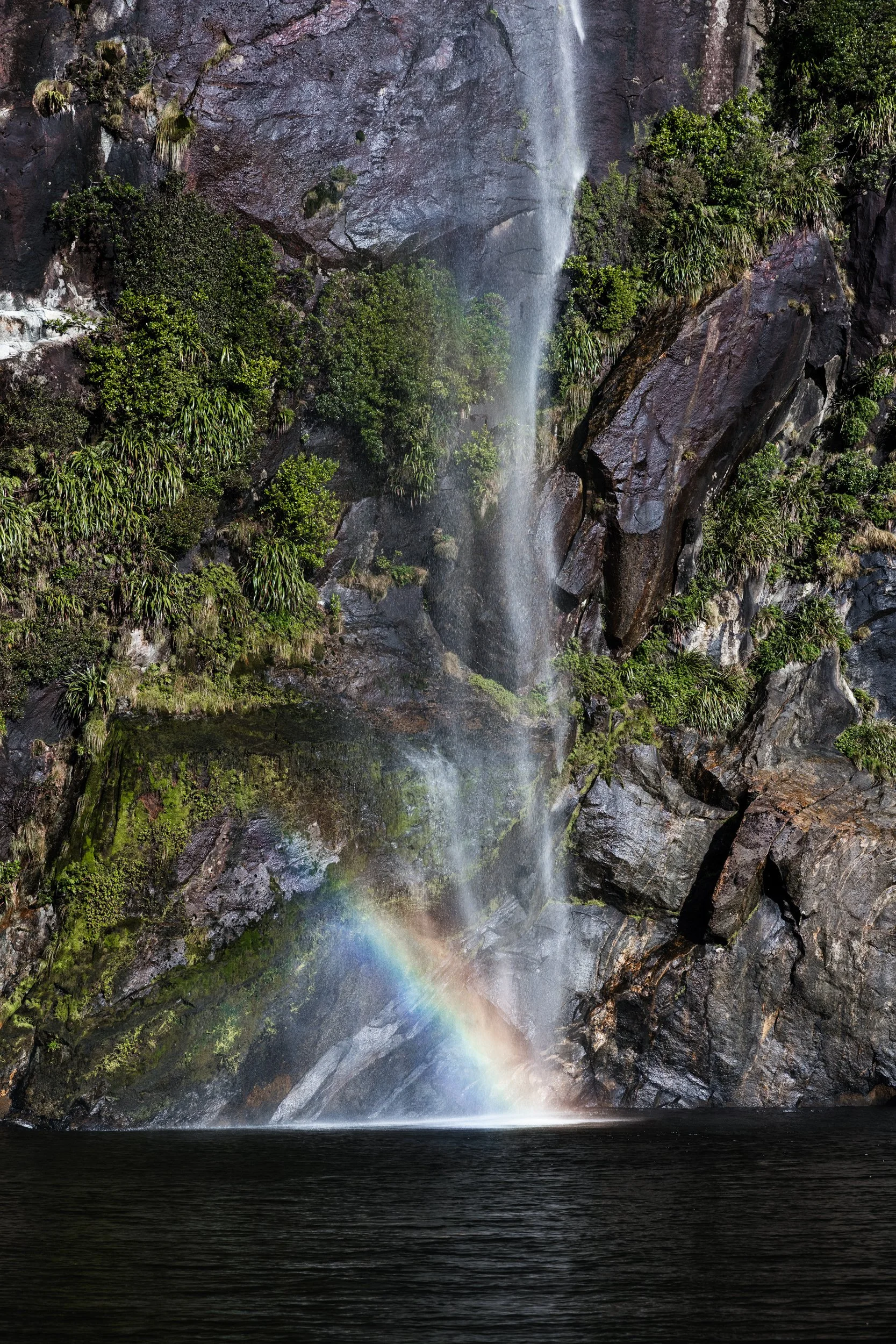
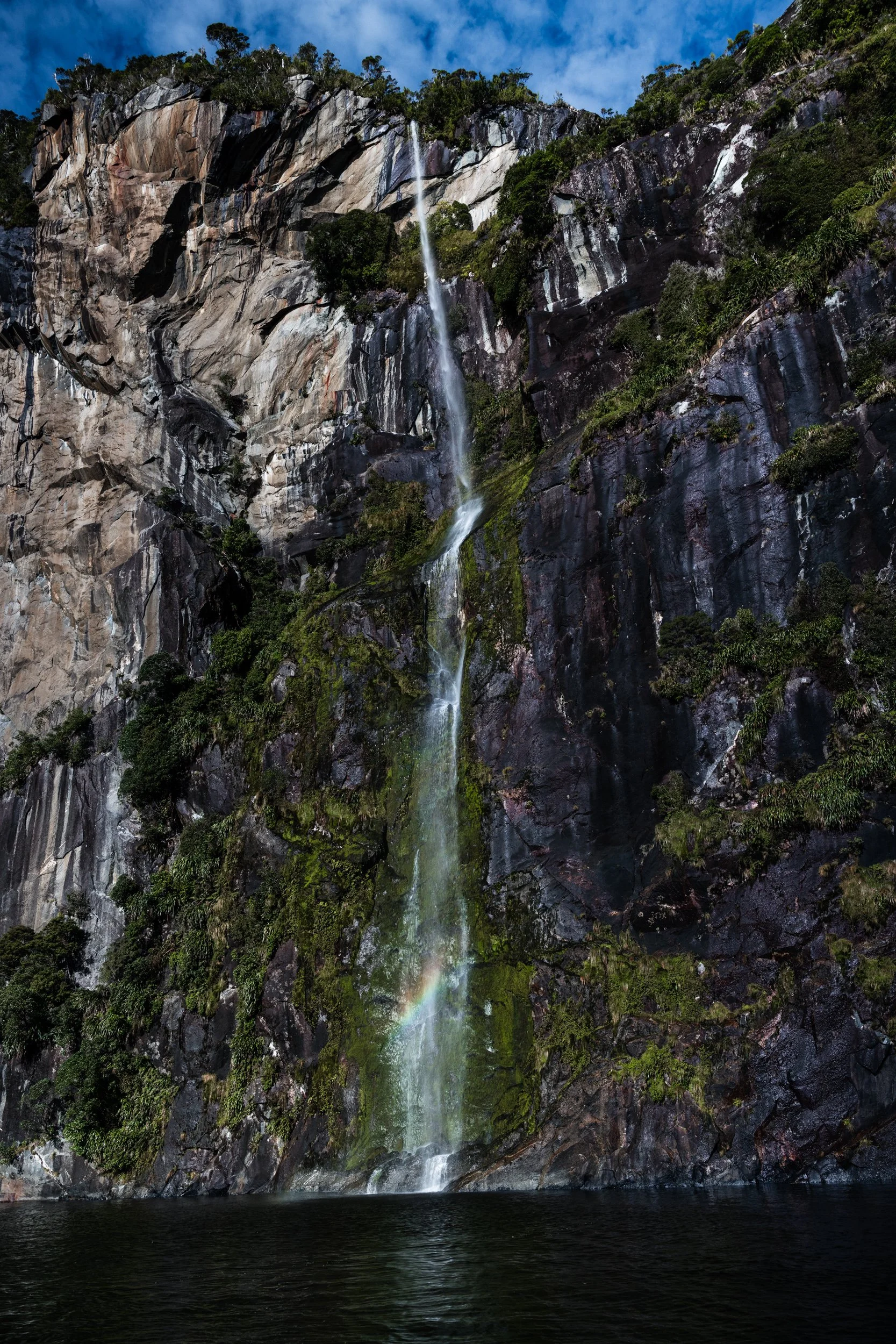
Photographing from a moving boat in rain was not easy. I kept a lens cloth close, used a faster shutter speed than I would on land and worked quickly whenever a composition appeared.
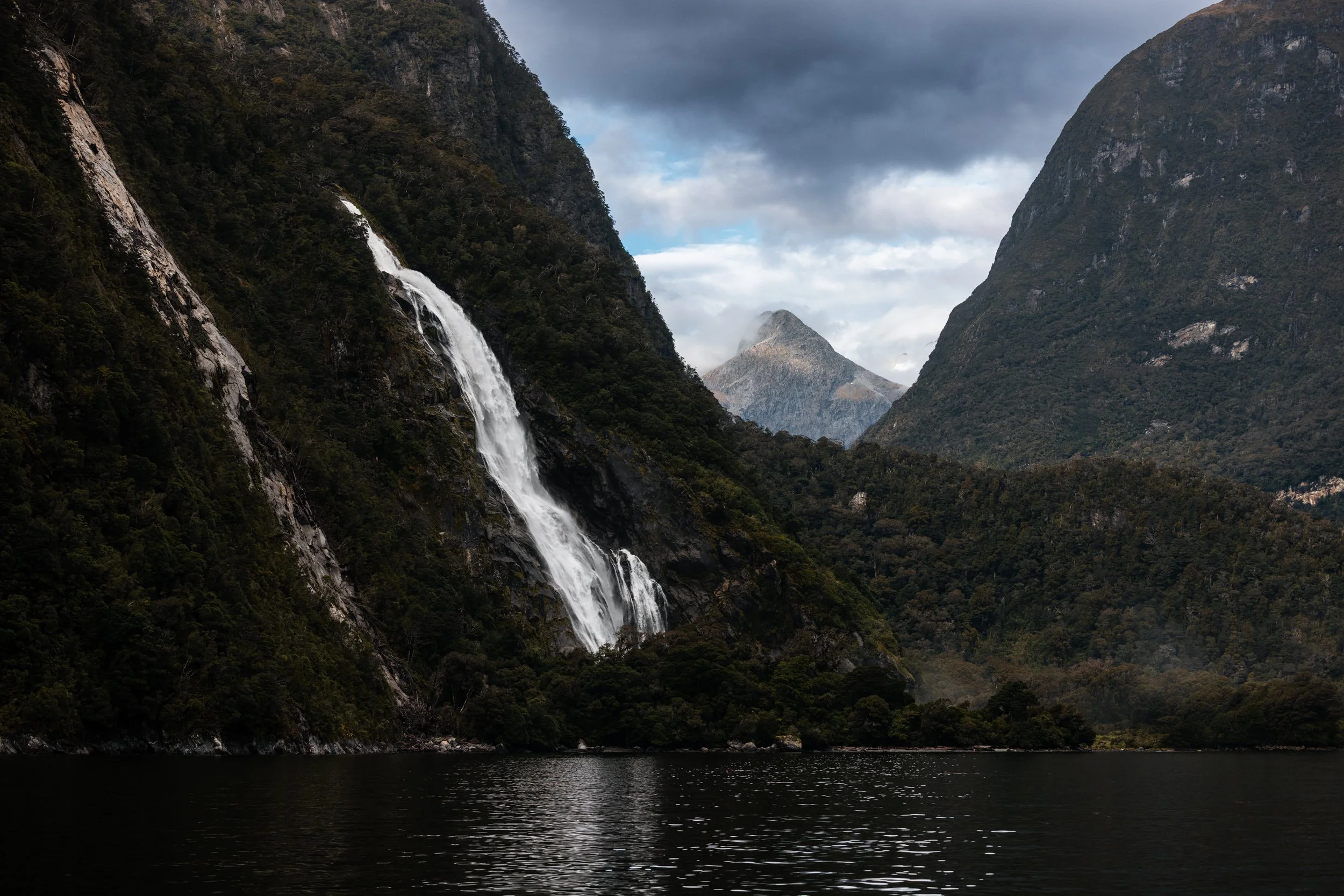
But technical perfection was not the point. The rain, wind and shifting visibility were part of how we experienced Milford Sound.
After three nights in Te Anau, we continued east across the 610-kilometer Southern Scenic Route, heading toward the Catlins Coast.
The next part of this journey includes misty forests, rugged coastlines, Purakaunui Falls, Nugget Point at sunrise and the Milky Way photographed from our Kaka Point accommodation—followed by our search for the Southern Lights around Twizel.
Pin it 👇
You may also love…






A breathtaking photo journey in our 3-week trip in New Zealand, mostly road-tripping in the South Island. This part 1 itinerary covers Wanaka, Queenstown, Te Anau, Milford Sound